
What is the proper depth to bury a dog? The proper depth to bury a dog is typically at least 3 to 4 feet from the surface to the top of the coffin or shroud. This depth helps prevent scavengers from digging up the remains and ensures that the burial site is not disturbed by shallow digging or erosion.
Losing a beloved dog is a deeply emotional experience. As you navigate through the grief, practical decisions about their final resting place often arise. One of the most common questions pet owners ask is about the appropriate depth for burying their dog. This decision impacts hygiene, respect for the animal, and compliance with local regulations. This comprehensive guide aims to provide clear, actionable information on dog burial depth, ensuring a humane and proper farewell for your cherished companion.
When considering how deep to bury a pet, it’s crucial to factor in several elements. These include local laws, the potential for animal disturbance, and the natural decomposition process. We’ll delve into the specifics, offering pet burial depth recommendations and exploring alternatives such as pet cremation depth considerations.
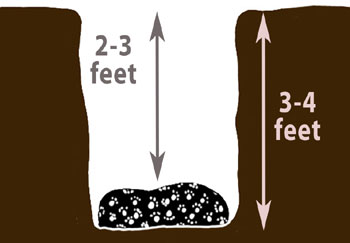
Image Source: www.dfordog.co.uk
Why Proper Burial Depth Matters
Burying a pet is more than just a practical task; it’s a final act of love and respect. Ensuring the correct grave depth for dog burials is vital for several reasons:
- Preventing Scavenging: Wild animals, including foxes, coyotes, or even stray dogs, can be attracted to shallow graves. A sufficient burial depth for animals acts as a deterrent, protecting your pet’s remains.
- Hygiene and Public Health: Deeper graves help to contain decomposition processes, minimizing the risk of spreading bacteria or odors that could affect the surrounding environment or public spaces.
- Respect for the Deceased: A proper burial depth signifies dignity and respect for the animal that brought so much joy into your life. It creates a secure and undisturbed resting place.
- Environmental Factors: Deeper burials can offer more stable conditions, protecting the remains from extreme weather changes, frost heave, or soil erosion.
- Legal Compliance: Many regions have animal burial laws or guidelines that dictate minimum burial depths. Adhering to these is essential.
Determining the Right Dog Burial Depth
The general consensus for dog burial depth often hovers around 3 to 4 feet. However, this is not a one-size-fits-all answer. Let’s break down the factors influencing this decision.
Recommended Depths and Considerations
- Minimum Depth: The widely accepted minimum for a dog burial depth is typically 3 feet from the surface of the ground to the top of the burial container or the pet’s body.
- Ideal Depth: Many experts recommend an ideal depth of 4 feet. This provides an extra layer of security against scavengers and environmental disturbances.
- Soil Type: Different soil types can affect how well a grave holds its shape and its ability to resist erosion. In areas with very sandy or loose soil, a deeper grave might be more appropriate. Conversely, very rocky soil might make digging to extreme depths challenging.
Factors Influencing Burial Depth
1. Local Regulations and Animal Burial Laws
The most critical factor in determining how deep to bury a pet is often dictated by local ordinances. These laws are in place to protect public health and the environment.
- Municipal Bylaws: Check with your local city or county government for specific regulations regarding backyard pet burials. Some areas may have restrictions on where you can bury a pet or the required depth.
- State and Federal Laws: While less common for individual pet burials, certain areas might be subject to broader environmental or land-use laws that could indirectly affect burial practices.
- Veterinary and Animal Control Advice: Your veterinarian or local animal control office can be excellent resources for information on pet burial guidelines in your specific area.
2. Preventing Scavenger Activity
This is a primary concern for many pet owners. Scavengers are drawn to the scent of decomposition.
- Predators: Larger predators like coyotes or foxes are capable of digging. A depth of 3-4 feet is generally considered sufficient to deter these animals.
- Smaller Animals: Rodents or raccoons might be attracted to shallower graves. Ensuring adequate depth helps keep them at bay.
- Layering: Some people opt to place a layer of concrete pavers or a sturdy barrier over the burial shroud or coffin for added protection, especially if they are concerned about persistent animal activity.
3. Soil Conditions and Stability
The type of soil in your chosen burial location can influence the required depth.
- Clay Soil: Clay soils tend to be more stable and less prone to collapse.
- Sandy Soil: Sandy soils are looser and can be more susceptible to erosion and cave-ins. In sandy areas, a slightly deeper grave might offer more stability.
- Rocky Terrain: Digging through rocky soil can be difficult. If you encounter significant rocks, you may need to adjust the burial site or carefully work around them, always ensuring the minimum depth is met.
4. Weather and Climate
Extreme weather conditions can impact shallow graves.
- Frost Line: In colder climates, the frost line (the depth to which the ground freezes) is a consideration. Burying a pet below the frost line helps prevent the ground from heaving, which could disturb the grave.
- Heavy Rainfall: Areas with heavy rainfall may experience soil erosion. A deeper grave can offer better protection against washing away.
The Burial Process: Step-by-Step
Once you’ve determined the appropriate depth and location, the actual burial process can be approached with care and respect.
Choosing a Burial Location
- Private Property: If burying on your own land, choose a spot that is easily accessible for future visits but also out of the way and respectful. Avoid areas near water sources to prevent contamination.
- Pet Cemeteries: Dedicated pet cemeteries offer professionally managed burial services, often with specific depth requirements and maintenance plans.
Preparing the Grave
- Digging: Dig the grave to the required depth. It’s often recommended to dig the grave wider and longer than the pet’s body or burial container to allow for easier placement and backfilling.
- Lining the Grave: Some individuals choose to line the bottom of the grave with a layer of absorbent material like straw or wood shavings, though this is not essential for depth considerations.
The Burial Container
- Shroud: Many pets are wrapped in a simple shroud made of natural, biodegradable material such as cotton or linen.
- Box: A simple wooden box or a specially designed pet casket can be used. Ensure the materials are biodegradable if possible.
- Pet Cremation: For those who choose cremation, the depth consideration shifts to the placement of the urn. While the urn itself doesn’t require deep burial for decomposition reasons, it’s still advisable to bury it at a depth that offers protection and respect, typically mirroring the depth for a full burial (3-4 feet) if burying the ashes. This is often referred to in the context of pet cremation depth where ashes are interred.
Laying the Pet to Rest
- Gentle Placement: Carefully lower the pet into the grave.
- Backfilling: Begin backfilling the grave with the soil you removed. It’s often best to start with a layer of soil directly over the pet or container before adding the rest of the soil.
Marking the Grave
- Headstone or Marker: Consider a small headstone, plaque, or marker to commemorate your pet. Ensure any marker is securely placed.
- Natural Markers: A special plant or tree can also serve as a living memorial.
Alternatives to Backyard Burial
While backyard burial is a common choice, it’s not the only option available.
Pet Cremation
Pet cremation is a popular alternative, offering flexibility in how you honor your pet’s memory.
- Individual Cremation: Your pet is cremated alone, and their ashes are returned to you in an urn.
- Communal Cremation: Your pet is cremated with other animals, and the ashes are not returned.
- Interring Ashes: If you choose to bury the ashes, the pet cremation depth is less about decomposition and more about providing a secure and respectful resting place, often mirroring the depth for full burial (3-4 feet) to prevent disturbance.
Pet Cemeteries and Memorial Gardens
These facilities offer professional burial services, often with plot maintenance and various memorial options. They ensure compliance with all pet burial guidelines and provide a dedicated space for remembrance.
Legal and Ethical Considerations for Pet Burial
Ensuring you are following animal burial laws and practicing humane pet burial is paramount.
What is Humane Pet Burial?
Humane pet burial involves treating the animal with respect and dignity throughout the process. This includes:
- Appropriate Depth: As discussed, burying the pet at a sufficient depth to prevent disturbance and ensure decomposition occurs naturally and hygienically.
- Biodegradable Materials: Using shrouds or caskets made of natural, biodegradable materials.
- Respectful Handling: Treating the pet’s body with care.
Common Misconceptions
- Myth: You can bury a pet anywhere.
- Fact: Local laws often dictate where pet burials are permissible and the required depth.
- Myth: A shallow grave is acceptable if there are no scavengers in the area.
- Fact: Even without immediate visible threats, shallow graves pose hygiene risks and may be disturbed by unseen activity or weather.
- Myth: Burying a pet with toys or blankets is harmful.
- Fact: While biodegradable materials are preferred, non-toxic, natural fiber toys and blankets are generally acceptable. However, avoid plastics or materials that won’t decompose.
Frequently Asked Questions (FAQ)
Here are some common questions about burying pets:
- How deep should I bury my cat?
The same dog burial depth recommendations generally apply to cats and other small to medium-sized pets. Aim for a minimum of 3 feet, with 4 feet being ideal, to prevent disturbance and ensure proper decomposition. - Can I bury my pet in a public park or forest?
Generally, no. Animal burial laws typically prohibit burying pets in public spaces due to hygiene and land-use regulations. Always confirm local ordinances. - What if my pet is too large to dig a deep grave?
For very large pets, you may need to reconsider the burial location or seek professional assistance from a pet cemetery. Alternatively, cremation might be a more practical option. The principle of burial depth for animals remains critical, regardless of size. - Is it safe to bury my pet in a plastic container?
It is generally not recommended to bury pets in plastic containers. Plastic does not biodegrade and can hinder the natural decomposition process. Natural, biodegradable materials are preferred for humane pet burial. - How long does it take for a pet to decompose?
Decomposition rates vary greatly depending on factors like soil type, temperature, moisture, and the presence of scavengers. It can take anywhere from a few months to several years for a pet to fully decompose. A proper grave depth for dog burials helps facilitate this natural process. - What are the regulations regarding pet cremation depth if I bury the ashes?
While cremation ashes are sterile, burying them at a depth of 3-4 feet is still advisable to protect the urn from accidental disturbance and to maintain a respectful, permanent memorial site. This addresses the pet cremation depth question for interring ashes. - What is a pet funeral depth?
“Pet funeral depth” is essentially another way of referring to the dog burial depth or pet burial depth recommendations. It signifies the depth at which the pet is laid to rest during their final farewell, emphasizing the solemnity and respect of the occasion.
Choosing the right burial depth for your dog is a thoughtful process that balances practical needs with emotional considerations. By adhering to pet burial guidelines, respecting local laws, and ensuring a depth that protects your beloved companion’s final resting place, you can provide a dignified and peaceful tribute. Whether you opt for a traditional backyard burial or explore alternatives like cremation, the goal is always to honor the incredible bond you shared.