
Can a service dog help with celiac disease? Yes, a service dog can be trained to detect gluten in food, providing an invaluable layer of safety and independence for individuals with celiac disease. This guide will walk you through the process of obtaining a celiac disease service dog, explain the training involved, and highlight the significant benefits of a service dog for celiac.
Living with celiac disease means a constant vigilance against accidental gluten exposure. While a strict gluten-free diet is paramount, navigating the world – dining out, traveling, or even managing food in someone else’s kitchen – can be a source of significant anxiety. This is where a service dog for gluten intolerance can make a profound difference. These highly trained canine partners can perform specific tasks to mitigate the challenges faced by those with celiac disease.
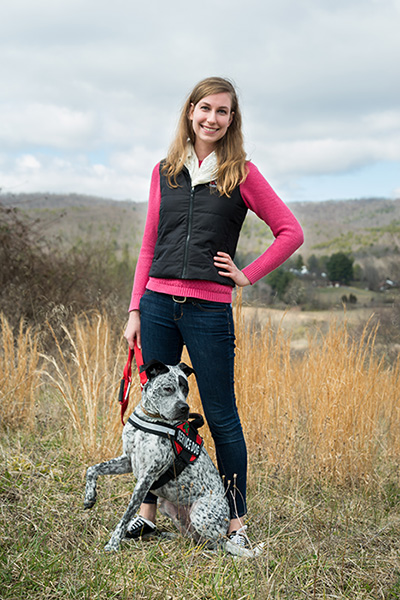
Image Source: www.platinumperformance.com
What is a Celiac Disease Service Dog?
A celiac disease service dog, also known as a gluten-detecting dog or celiac disease alert dog, is a specially trained dog that can detect the presence of gluten in food. Unlike emotional support animals or therapy dogs, service dogs are trained to perform specific tasks that directly assist an individual with a disability. For someone with celiac disease, this means the dog can be trained to sniff out even trace amounts of gluten.
Why Consider a Service Dog for Celiac Disease?
The daily management of celiac disease can be exhausting and fraught with potential risks. Accidental ingestion of gluten, even a tiny crumb, can trigger a severe immune response, leading to debilitating symptoms and long-term health complications. A celiac disease assistance dog offers a unique and powerful form of support by:
- Detecting Hidden Gluten: This is the primary role. The dog can be trained to alert its handler to the presence of gluten in food, drinks, or even on surfaces.
- Reducing Anxiety: Knowing your dog can double-check your food can significantly reduce the stress and anxiety associated with eating in new environments or when food preparation is out of your direct control.
- Increasing Independence: The ability to independently verify food safety allows for greater freedom and participation in social activities, travel, and dining out.
- Providing Early Warning: The dog’s alert can prevent accidental ingestion before symptoms even begin.
- Acting as a Social Bridge: Service dogs often facilitate positive interactions and can help educate others about celiac disease.
Getting a Service Dog for Celiac: The Process
Getting a service dog for celiac is a multi-step journey that requires dedication, research, and often, a significant investment of time and resources. The process generally involves the following stages:
1. Confirming Your Eligibility and Need
The first step is to determine if a celiac disease service dog is the right solution for your specific needs. While the Americans with Disabilities Act (ADA) recognizes service animals for a variety of disabilities, the ability of a dog to detect gluten is considered a valid task.
- Medical Necessity: You will likely need documentation from your healthcare provider confirming your diagnosis of celiac disease and how a service dog’s tasks would assist you in managing your condition. This is crucial for qualifying for a celiac service dog.
- Task-Specific Training: The dog must be trained to perform specific tasks related to your disability. For celiac disease, this means gluten detection.
- Your Ability to Handle the Dog: You must be able to manage, care for, and control the service dog.
2. Researching and Choosing a Reputable Organization
This is a critical step. Not all organizations that train dogs for assistance are reputable or accredited. It’s essential to find a program that specializes in celiac disease dog training or can adapt their training to gluten detection.
- Accreditation: Look for organizations accredited by recognized bodies such as Assistance Dogs International (ADI). ADI accreditation signifies that the organization meets strict standards for dog training, client selection, and ethical practices.
- Program Focus: Does the organization have experience training dogs for allergy detection or food-related tasks? While specific celiac detection is a niche, general scent discrimination and food alert training can be adapted.
- Training Methods: Inquire about their training methodologies. Positive reinforcement techniques are generally considered the most effective and humane.
- Client Support: What kind of ongoing support do they offer post-placement? This can include follow-up training, troubleshooting, and resources.
- Cost and Waiting Lists: Be prepared for significant costs and potentially long waiting lists. Reputable organizations invest heavily in their dogs and training programs.
3. The Application and Interview Process
Once you’ve identified potential organizations, you’ll typically go through a formal application process. This may include:
- Detailed Questionnaires: You’ll be asked about your medical history, daily routine, living situation, and specific challenges you face with celiac disease.
- Interviews: You may have interviews with trainers or program staff to assess your suitability and to ensure a good match between you and a potential dog.
- Home Visit: Some organizations conduct home visits to evaluate your environment and ensure it’s safe and appropriate for a service dog.
4. Dog Selection and Matching
The organization will typically select a dog that best suits your lifestyle and needs. This involves assessing the dog’s temperament, energy level, and aptitude for the specific tasks required.
- Breed Considerations: While many breeds can become service dogs, certain breeds are often favored for their trainability, temperament, and scenting abilities. Labrador Retrievers, Golden Retrievers, and Standard Poodles are common choices.
- Temperament Assessment: Dogs are evaluated for traits like calmness, confidence, a desire to please, and resilience.
- Scent Work Aptitude: For a celiac disease alert dog, the dog’s natural ability to engage in scent work is a key factor.
5. Team Training (Handler and Dog)
This is where you and your potential service dog work together under the guidance of professional trainers.
- Task-Specific Training: The core of this phase is teaching the dog to identify and alert to the scent of gluten. This is a complex process that involves conditioning the dog to recognize specific scents.
- Public Access Skills: The dog will be trained to behave impeccably in public environments, regardless of distractions. This includes obedience, leash manners, and remaining calm in various settings.
- General Obedience: Solid obedience commands are fundamental for any service dog.
- Handler Training: You will learn how to cue your dog, read their signals, reinforce their behavior, and manage them in all situations.
6. Public Access Test (PAT)
To ensure the dog is capable of working in public spaces, most organizations will have you pass a Public Access Test. This standardized test evaluates the dog’s behavior in various public scenarios. While not legally mandated by the ADA for private businesses to administer, it’s a benchmark of readiness.
7. Post-Placement Support and Ongoing Training
The relationship doesn’t end when you take your dog home. Reputable organizations provide ongoing support.
- Follow-Up Sessions: Trainers may conduct follow-up sessions to reinforce training and address any challenges that arise.
- Troubleshooting: If issues emerge, the organization can offer guidance and retraining strategies.
- Continuing Education: Service dogs require ongoing practice and reinforcement to maintain their skills.
Celiac Disease Dog Training: The Science of Scent Detection
Celiac disease dog training for gluten detection is a specialized form of scent discrimination training. It relies on the dog’s incredible olfactory capabilities.
How Dogs Detect Gluten
Dogs have an extraordinary sense of smell, with up to 300 million olfactory receptors (compared to our 6 million). This allows them to differentiate between thousands of scents and detect even minute concentrations.
- Scent Discrimination: Trainers start by introducing the dog to the target scent (gluten) and teaching them to associate it with a reward.
- Aversive Avoidance: For allergy detection dogs, the training often involves teaching the dog to alert to the presence of the allergen (gluten) and to avoid non-allergenic items.
- Gradual Introduction: The training progresses from controlled environments to more complex, real-world scenarios. This includes introducing the dog to different food items, packaging, and utensils that may have been cross-contaminated.
- Alert Behavior: The dog is trained to perform a clear and consistent alert behavior, such as sitting, pawing, or nudging, when gluten is detected. This alert needs to be distinguishable from other natural dog behaviors.
What Dogs Can and Cannot Do
It’s important to have realistic expectations. While highly effective, a celiac disease alert dog is a tool, not a magical cure.
- What They Can Detect: Dogs can be trained to detect the scent of gluten in various forms, including baked goods, pasta, sauces, and even airborne particles. They can also be trained to detect cross-contamination on surfaces or utensils.
- Limitations:
- Scent Fading: The scent of gluten can fade over time, especially with significant cross-contamination or if items are stored improperly.
- Complex Ingredients: Dogs are trained on specific scent profiles. While they can be trained on broad gluten profiles, highly processed foods with numerous ingredients can present more complex scent challenges.
- Not a Replacement for Diet: A service dog is an additional layer of safety, not a substitute for a strict gluten-free diet and diligent label reading.
Finding a Celiac Service Dog: Self-Training vs. Organizations
There are two primary routes to obtaining a service dog for celiac disease:
1. Obtaining a Dog from a Reputable Organization
This is the most common and often recommended route, especially for individuals new to service dogs.
- Pros:
- Dogs are typically professionally selected and bred for service work.
- Rigorous, standardized training is provided.
- Expert guidance and support are available.
- Often come with a warranty or extended support.
- Cons:
- Can be very expensive (costs can range from $15,000 to $30,000 or more).
- Long waiting lists are common.
- May not have a dog specifically trained for celiac disease, requiring adaptation of training.
2. Self-Training a Service Dog
This involves selecting and training your own dog to become a service animal.
- Pros:
- Potentially lower cost, but still significant for professional training sessions and supplies.
- Greater control over the dog selection process.
- Stronger bond and partnership development.
- Cons:
- Requires a significant time commitment and expertise in dog training.
- You are responsible for all training costs and potential setbacks.
- Requires extensive knowledge of the ADA and service dog laws.
- Finding a dog with the right temperament and aptitude for service work can be challenging.
- Celiac disease dog training for scent detection is highly specialized and may require hiring specialized trainers.
Table: Comparing Organization-Trained vs. Self-Trained Service Dogs
| Feature | Organization-Trained | Self-Trained |
|---|---|---|
| Cost | High (often $15,000 – $30,000+) | Moderate to High (depending on professional help) |
| Time Commitment | Application/waiting period, then intensive team training | Extensive training from puppyhood/selection onwards |
| Expertise Required | Minimal (you provide care and partnership) | High (you are the primary trainer) |
| Dog Selection | Done by organization, often based on temperament | Done by you, requires careful assessment |
| Training Quality | Standardized, professional, and task-specific | Variable, dependent on your skills and resources |
| Support | Ongoing support and resources from the organization | Primarily self-sourced or from hired professionals |
| Success Rate | Generally high due to structured training | Variable, dependent on handler’s skills and dog’s aptitude |
Understanding Your Rights and Responsibilities
As a service dog handler, you have rights but also responsibilities.
Your Rights
Under the ADA, service animals are permitted to accompany their handlers with disabilities in public places. This includes:
- Restaurants and food establishments
- Hotels
- Shops
- Transportation
- Government buildings
Businesses can only ask two questions:
- Is the dog a service animal required because of a disability?
- What work or task has the dog been trained to perform?
They cannot ask about the person’s disability or demand proof of certification or training.
Your Responsibilities
- Supervision and Control: You must always keep your service dog under control, usually via a leash, unless doing so interferes with the dog’s work or the disability prevents its use. In that case, you must maintain control through voice commands, signals, or other effective means.
- Behavior: The dog must be house-trained and not disrupt public order. If the dog is not under control or is not house-trained, you may be asked to remove it.
- Care and Hygiene: You are responsible for the dog’s grooming, feeding, veterinary care, and overall well-being.
What to Expect: The Benefits of a Service Dog for Celiac
The benefits of a service dog for celiac extend beyond the immediate task of gluten detection. It’s about regaining a sense of control and freedom.
- Enhanced Safety: The most obvious benefit is the increased safety margin provided by the dog’s ability to detect gluten.
- Reduced Risk of Complications: By preventing accidental gluten exposure, a service dog helps reduce the risk of immediate symptoms and the long-term health consequences associated with celiac disease, such as malnutrition, osteoporosis, and neurological issues.
- Psychological Well-being: The constant anxiety of accidental exposure can be mentally taxing. A service dog can significantly alleviate this burden, leading to improved mood, reduced stress, and better overall quality of life.
- Social Inclusion: Dining out, attending parties, and traveling can become less daunting. Your service dog acts as a personal safety net, enabling you to participate more fully in social events and life experiences.
- Empowerment: Having a trained partner that actively assists in managing your condition can be incredibly empowering. It shifts the focus from limitation to capability.
Alternatives and Complementary Strategies
While a celiac disease service dog is a remarkable asset, it’s important to remember that it’s part of a broader management strategy.
- Label Reading: Diligent label reading remains essential. Many service dogs are trained to alert to specific types of gluten or to products they’ve been trained on.
- Cross-Contamination Awareness: Educating yourself and those around you about cross-contamination is crucial.
- Nutritional Guidance: Working with a registered dietitian can ensure you are meeting your nutritional needs on a gluten-free diet.
- Support Groups: Connecting with other individuals with celiac disease can provide emotional support and practical advice.
Frequently Asked Questions (FAQ)
Q1: Is a service dog for gluten intolerance recognized by law?
A1: Yes, under the Americans with Disabilities Act (ADA), a dog trained to perform specific tasks that assist a person with a disability is considered a service animal. Gluten detection is a recognized task for individuals with celiac disease.
Q2: How much does a celiac disease service dog cost?
A2: The cost can vary significantly. Reputable organizations often charge between $15,000 and $30,000 or more to cover the extensive training, breeding, veterinary care, and support provided. Self-training may be less expensive but requires substantial investment in training sessions and supplies.
Q3: Can any dog be a celiac disease service dog?
A3: While many breeds can be trained, dogs with specific temperaments (calm, confident, eager to please) and a strong aptitude for scent work are ideal. Not all dogs have the drive or ability to succeed as a service animal.
Q4: How long does it take to get a service dog for celiac disease?
A4: The process can take anywhere from several months to over two years. This includes time for applications, interviews, waiting lists for dogs, and intensive training, which can last from several months to over a year.
Q5: Can I train my own dog to be a celiac disease alert dog?
A5: Yes, you can train your own dog, but it is a complex and time-consuming process that requires significant expertise in dog training, particularly in scent detection. Hiring professional trainers experienced in allergy detection is highly recommended.
Q6: What if my dog alerts me to something that is supposed to be gluten-free?
A6: This can happen as scents can be complex, and cross-contamination can be subtle. It’s important to trust your dog’s alert but also to have a backup plan and continue to practice vigilance. If this occurs frequently, it may indicate a need for further training refinement.
Q7: Does a service dog for celiac disease need special identification?
A7: The ADA does not require service dogs to wear vests, carry identification cards, or undergo certification. However, many handlers choose to use vests or ID cards for practical purposes, such as signaling to the public that the dog is working.
Q8: Can a service dog distinguish between different types of gluten?
A8: Dogs can be trained to recognize the scent profile of gluten. While they may not distinguish nuances like “wheat” vs. “barley” specifically without advanced training, they are trained to alert to the presence of gluten as a general allergen.
Q9: What if a business refuses entry to my service dog?
A9: Businesses must accommodate service dogs. If you encounter refusal, you can politely educate them about the ADA guidelines. If the issue persists, you can report the incident to the Department of Justice or a disability rights organization.
Q10: Is it possible to find an organization that only trains dogs for celiac disease?
A10: While some organizations specialize in allergy detection, finding one solely dedicated to celiac disease is rare. Many allergy detection programs can adapt their training for gluten detection, or you may need to work with a private trainer who has this expertise.
Q11: How do I maintain my service dog’s training?
A11: Ongoing training and reinforcement are crucial. Practice alerts, obedience, and public access skills regularly. Keep training sessions positive and engaging to ensure your dog remains a reliable partner.
Navigating life with celiac disease presents unique challenges, but with advancements in training and the incredible capabilities of canine partners, a celiac disease service dog can offer a path to greater safety, independence, and peace of mind. Thorough research and dedication are key to embarking on this rewarding journey.