
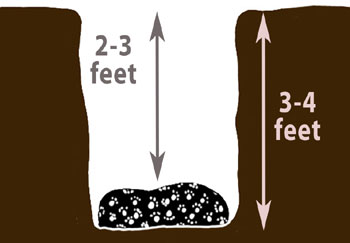
Image Source: www.dfordog.co.uk
How Deep To Dig A Dog Grave: Essential Burial Depth Guide
What is the proper dog grave depth? The generally recommended depth for a dog grave is at least 2 to 3 feet from the surface of the ground to the top of the burial shroud or casket. This depth is crucial for several reasons, primarily related to safety, decomposition, and preventing disturbance.
Losing a beloved canine companion is an incredibly difficult experience. When it comes to deciding what to do with their remains, many pet owners opt for burying a dog at home. This practice, while deeply personal and meaningful, requires careful consideration of specific guidelines to ensure it is done respectfully and appropriately. A primary concern for many is how deep to dig a dog grave, and for good reason. Getting the dog burial depth right is essential for the humane treatment of your pet and to prevent potential issues.
Why Proper Dog Grave Depth Matters
The question of proper dog grave depth isn’t just about tradition; it’s rooted in practical and ethical considerations. Digging a grave to the correct depth is vital for several key reasons:
- Preventing Scavenging: A shallower grave can attract scavengers like stray animals, foxes, or even curious wildlife. These animals can dig up remains, which is distressing for the pet owner and disrespectful to the deceased animal. A minimum depth of 2-3 feet creates a significant barrier.
- Ensuring Decomposition: Adequate depth allows for natural decomposition processes to occur safely. Deeper burial provides a more stable environment for the body to break down without being exposed to surface conditions or external disruptions.
- Avoiding Accidental Discovery: Whether it’s future construction, gardening, or simply children playing in the yard, a sufficiently deep grave minimizes the chance of accidental discovery of the remains.
- Complying with Regulations: While pet burial guidelines can vary, many local and state regulations specify minimum burial depths. Adhering to these ensures you are following the law.
- Respect and Dignity: Burying your dog at the appropriate depth is an act of love and respect for the animal who shared your life. It ensures their final resting place is secure and undisturbed.
Factors Influencing Dog Burial Depth
While the 2-3 foot guideline is a good starting point, several factors can influence the ideal dog burial depth:
Soil Conditions
The type of soil in your yard plays a significant role.
- Sandy Soil: This type of soil is looser and more prone to shifting. You might need to dig slightly deeper to ensure stability.
- Clay Soil: Clay soil is denser and holds moisture. While it can provide a stable base, ensure proper drainage around the grave to prevent waterlogging.
- Rocky Soil: If your yard has a lot of rocks, you may find it challenging to dig to the required depth. You might need to adjust the location or consider a different burial method.
Size of Your Dog
Naturally, the size of your dog will affect the size of the grave. While the depth remains crucial, a larger dog will require a wider and longer hole. Ensure the grave is large enough to comfortably accommodate your dog’s body without bending or contorting it unnecessarily.
Climate and Water Table
In areas with a high water table or significant rainfall, digging too deep might lead to the grave filling with water. In such cases, consider slightly shallower depths in conjunction with protective measures (discussed later) or explore alternative options. Conversely, in very dry climates, the soil can become very hard, making digging more difficult.
Practical Steps for Burying Your Dog at Home
Burying a dog at home is a significant decision. Here’s a step-by-step guide to help you through the process:
Step 1: Choose the Right Location
Selecting the perfect spot for your dog’s final resting place is an emotional but important task. Consider these points:
- Away from water sources: Keep the grave at least 100 feet from wells, streams, or ponds to prevent contamination.
- Future development: Avoid areas where you plan to build or plant extensively in the future.
- Sunlight and shade: Some owners prefer a sunny spot, while others opt for a shaded area under a favorite tree.
- Marking the spot: Think about how you will remember the location. A special stone, plant, or marker can be a comforting touch.
- Check local regulations: Before you dig, it is imperative to research animal burial regulations in your specific area. Some municipalities or homeowner associations may have restrictions.
Step 2: Gather Your Supplies
Having the right tools makes the task easier and more respectful:
- Shovel(s): A sturdy, sharp shovel is essential. Consider having a smaller trowel for fine-tuning the grave’s bottom.
- Measuring tape: To ensure you reach the correct depth.
- Protective covering: This could be a simple shroud made of cotton or linen, or a purpose-built pet casket. Wood or biodegradable materials are often preferred.
- Optional: Gloves, a tarp to place excavated soil on, a watering can to help settle the soil.
Step 3: Digging the Grave
This is where the dog burial depth guidance comes into play.
- Mark the area: Outline the dimensions of the grave based on your dog’s size. Add a few extra inches for comfort.
- Begin digging: Start digging straight down. Use your measuring tape regularly to track your progress. Aim for a minimum of 2-3 feet.
- Soil placement: Place the excavated soil onto a tarp or a designated area away from the hole. This makes refilling easier and keeps the area tidy.
- Level the bottom: Ensure the bottom of the grave is relatively level.
Step 4: Preparing Your Dog for Burial
This is a highly personal step. Many owners prefer to bring their dog home for this final moment.
- Gentle cleaning: You may wish to gently clean your dog’s fur.
- Comfort: Place your dog in their favorite blanket or a shroud. If using a casket, gently place them inside.
Step 5: Lowering Your Dog into the Grave
This can be an emotional moment. If the grave is deep, you might need assistance.
- Gentle placement: Carefully lower your dog into the grave. If using a shroud or casket, ensure it is handled with care.
Step 6: Refilling the Grave
- Initial fill: Begin by carefully backfilling the grave with the excavated soil. Ensure you cover your dog completely.
- Tamping: Gently tamp down the soil as you go to prevent excessive settling later.
- Final layer: Add a final layer of soil, ensuring the mound is slightly higher than the surrounding ground to account for settling.
Step 7: Marking the Grave
Personalize the burial site to honor your pet’s memory.
- Headstone or marker: A small, engraved stone can serve as a lasting tribute.
- Favorite toys or flowers: Place a few of their beloved toys or fresh flowers on the grave.
- Planting a tree or shrub: This can be a beautiful way to symbolize new life and remembrance.
Legal Dog Grave Depth and Other Regulations
It is crucial to be aware of legal dog grave depth and other pet burial guidelines that may apply in your region. While burying a dog at home is common in rural areas, many urban and suburban communities have specific ordinances.
Animal burial regulations can vary significantly by:
- City/Town: Local municipalities often have the most direct regulations.
- County: County-level rules might also apply, especially in unincorporated areas.
- State: Some states have overarching laws regarding animal carcass disposal.
Common Regulatory Points to Consider:
- Minimum Depth: As mentioned, a minimum depth of 2-3 feet is frequently mandated to prevent scavenging and contamination.
- Setback Distances: Regulations often specify how far a grave must be from property lines, wells, and public roads.
- Casket Requirements: Some areas may require that pets be buried in a biodegradable casket or shroud.
- Prohibition of Home Burial: In densely populated areas, home burial might be prohibited altogether, with requirements to use licensed pet crematories or finding a pet cemetery.
How to Find Information on Local Regulations:
- Your Local Animal Control: They are usually the primary resource for these types of questions.
- City or County Clerk’s Office: They maintain records of local ordinances.
- Your Veterinarian: They often have information or can direct you to the right resources.
Failure to comply with animal burial regulations can result in fines or mandates for exhumation.
When Home Burial Isn’t Possible or Preferred
While burying a dog at home offers a personal connection, there are situations where it might not be feasible or the best option:
- City Ordinances: As discussed, many urban areas prohibit home burial.
- Lack of Suitable Yard Space: If you live in an apartment or a home with no yard, this option is unavailable.
- Concerns about Future Moves: If you anticipate moving, you may not want to leave your pet’s resting place behind.
- Desire for Professional Care: Some owners prefer the services of professionals.
In these instances, alternative options are available:
Pet Cremation vs. Burial
This is a common decision point for pet owners.
- Pet Cremation:
- Process: The body is placed in a retort (crematory oven) and reduced to bone fragments and ashes through high temperatures.
- Ashes: The cremated remains (ashes) are returned to the owner in an urn.
- Pros: Takes up no physical space, ashes can be kept, scattered, or interred in a pet cemetery, often a good option for city dwellers or those who move frequently.
- Cons: Can be more expensive than burial, some people feel it is less personal than burial.
- Pet Burial (In a Pet Cemetery):
- Process: Similar to home burial but managed by a professional facility.
- Services: Often includes grave digging, plot maintenance, and options for headstones and other memorials.
- Pros: Provides a dedicated, maintained resting place, can be a good option if home burial is not possible or desired.
- Cons: Can be expensive, requires travel to visit the grave.
Finding a pet cemetery is a viable alternative. These facilities specialize in the care and burial of beloved animals, often offering a serene and well-maintained environment. They will also adhere to all legal requirements, including appropriate dog burial depth.
Ensuring a Humane Dog Burial
Regardless of the method chosen, the goal is always a humane dog burial. This means treating your pet’s remains with respect and dignity throughout the entire process.
- Respectful Handling: Handle your dog’s body gently and with care.
- Appropriate Depth: As detailed, ensuring the correct dog burial depth is a key aspect of humane treatment.
- Biodegradable Materials: If possible, use natural, biodegradable materials for shrouds or caskets to aid in natural decomposition. Avoid plastics or treated woods that can leach chemicals.
- No Toxic Substances: Never use chemicals or embalming fluids when burying a pet at home, as these are not designed for this purpose and can contaminate soil and water.
Frequently Asked Questions (FAQ)
Q1: Can I bury my dog in a park or public land?
A1: No, you should never bury your pet in a park or on public land. This is generally illegal and can lead to significant fines. Always use your private property or a designated pet cemetery.
Q2: What if my dog died from a contagious disease?
A2: If your dog died from a highly contagious or zoonotic disease (one that can spread to humans), it’s best to consult with your veterinarian. They may recommend cremation or specific disposal methods to prevent disease spread, even if burial is permitted.
Q3: How long will it take for my dog to decompose?
A3: The decomposition process varies greatly depending on factors like soil type, temperature, moisture, and whether the body was protected. It can take anywhere from a few months to several years for complete decomposition. A proper dog burial depth helps facilitate this natural process.
Q4: Can I bury my dog with their favorite toys or bedding?
A4: Generally, yes. Most pet burial guidelines allow for the inclusion of personal items as long as they are biodegradable. Avoid plastics or items that will not break down naturally.
Q5: What if I want to bury my dog but don’t have a yard?
A5: If you don’t have a yard, you will need to consider alternatives such as pet cremation vs burial at a pet cemetery. Many pet owners choose cremation and then inter the ashes in a special place, either in their current home or a memorial garden.
Conclusion
Deciding to bury your dog at home is a deeply personal choice, and ensuring the dog burial depth is correct is a critical aspect of this process. A depth of 2-3 feet is the standard recommendation to ensure the humane treatment of your pet, prevent scavenging, and comply with potential regulations. Always research your local animal burial regulations and consider the soil conditions and climate of your area. If home burial isn’t an option, exploring pet cremation vs burial or finding a pet cemetery are respectful alternatives. Regardless of the path you choose, the focus should always be on providing a dignified and loving final resting place for your cherished companion.