
Can you put blankets in a dog crate in winter? Yes, absolutely! Providing warm dog crate bedding and using dog crate blankets are excellent ways to keep your dog cozy. This article will explore a variety of strategies and products to ensure your canine companion stays comfortable and safe during colder months, offering comprehensive crate warmth solutions.
As the temperatures drop and winter’s chill sets in, ensuring your dog remains warm and comfortable in their crate becomes a priority. Many dog owners wonder about the best ways to maintain a safe and cozy environment for their pets, especially when they are crated. Preventing dog from getting cold in crate is essential for their well-being, and with the right approach, you can make their den a warm haven. This guide will delve into effective methods and essential dog crate accessories for cold weather, helping you master the art of keeping your dog warm in their crate.
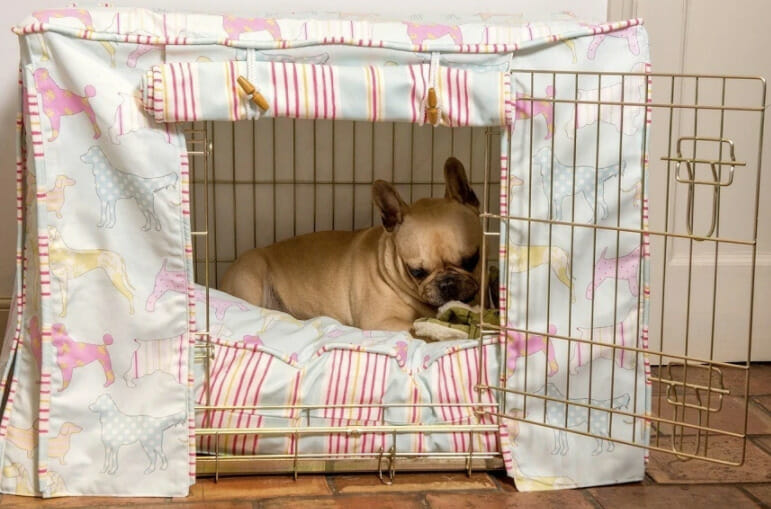
Image Source: www.doggietoys.deals
The Importance of a Warm Crate Environment
Dogs, like humans, can be affected by cold weather. While some breeds are naturally more tolerant of cooler temperatures due to their coat type, all dogs can benefit from a consistently warm environment, particularly when confined to a crate. A cold dog can experience discomfort, stress, and even health issues. Hypothermia, while rare in well-cared-for pets, is a serious concern. A dog that is too cold might shiver excessively, become lethargic, or even develop stiffness in their joints. This is why creating a proper winter dog crate setup is crucial.
Why Dogs Need Extra Warmth
- Breed Predisposition: Some breeds, like Siberian Huskies and Malamutes, have thick double coats designed for cold climates. Others, such as Greyhounds and Chihuahuas, have thin coats and little body fat, making them highly susceptible to cold.
- Age and Health: Puppies and senior dogs have a harder time regulating their body temperature. Dogs with certain health conditions, like arthritis or circulatory problems, also need extra warmth.
- Coat Type: A dog’s coat plays a significant role. Short-haired dogs, dogs with fine or sparse fur, and dogs that have recently been groomed are more vulnerable to the cold.
- Activity Level: A dog that is very active might generate more body heat, but when they are resting in a crate, they can cool down more quickly.
Signs Your Dog is Too Cold
- Shivering or trembling
- Whining or restless behavior
- Seeking out warm spots or trying to burrow excessively
- Lethargy or decreased activity
- Cold ears and nose
- Stiff movement
Creating a Cozy Canine Den: Essential Dog Crate Bedding
The foundation of a warm crate lies in selecting the right dog crate bedding. This isn’t just about comfort; it’s about insulation. The bedding should provide a soft surface while also trapping body heat.
Types of Dog Crate Bedding for Warmth
- Fleece Blankets: Soft, warm, and easily washable, fleece blankets are a popular choice. They are lightweight but provide good insulation. Opt for thicker fleece materials for maximum warmth.
- Sherpa-Lined Beds: These beds offer a plush, soft texture with a warm sherpa lining, mimicking a cozy, den-like feel. They are often designed to fit standard crate sizes.
- Orthopedic Dog Beds: While primarily designed for joint support, many orthopedic beds also incorporate plush or fleece materials that offer excellent warmth. Look for beds with a thick, insulated core.
- Self-Warming Beds: These innovative beds contain special materials that reflect a dog’s body heat back to them, creating a warmer surface without electricity. They are a safe and energy-efficient option.
- Foam or Memory Foam Beds: These provide excellent cushioning and can also offer some insulation, especially when paired with a warm blanket on top.
How to Layer Dog Crate Bedding
For maximum warmth, layering can be very effective. Start with a base layer that insulates from the crate floor, such as a thick dog crate blanket or a bed designed for warmth. Then, add a softer, more comfortable layer on top.
Layering Strategy Example:
- Base Layer: A thick, quilted dog crate blanket or a self-warming dog bed.
- Middle Layer (Optional): A flat, padded mat for extra cushioning and insulation.
- Top Layer: A soft, plush blanket that your dog can snuggle into.
Important Note: Ensure the bedding is secure and doesn’t pose a choking hazard. If your dog is a chewer, opt for durable materials and supervise them closely. Remove any bedding that becomes tattered or damaged.
Mastering Crate Warmth Solutions: Beyond Just Bedding
While bedding is key, several other strategies can enhance your dog’s comfort in their crate during cold weather. These crate warmth solutions focus on the crate itself and its placement.
Choosing the Right Crate
The material and design of the crate itself can impact its ability to retain heat.
- Wire Crates: While offering good ventilation, wire crates can be drafty. Covering them strategically can help, but they inherently lose more heat than solid-sided crates.
- Plastic Crates: These tend to be more insulated than wire crates. Their solid walls help block drafts and trap body heat more effectively.
- Fabric Crates: Soft-sided crates can offer some warmth, but they are generally less durable and may not be suitable for dogs who are prone to chewing. Ensure they are made from a thick, insulated material.
Insulated Dog Crate Options
For a more permanent solution, consider an insulated dog crate. These are specifically designed to provide better temperature regulation.
- Double-Walled Crates: Some premium crates feature double walls with an air gap between them, providing excellent insulation against both heat and cold.
- Insulated Panels: You can purchase insulated panels designed to fit inside standard wire crates, significantly improving their thermal properties.
Draft Proofing Dog Crate Effectively
Preventing cold air from entering the crate is vital.
- Covering the Crate: Using a breathable cover, like a heavy-duty canvas or fleece crate cover, can significantly reduce drafts. Ensure one side or the top is left open or partially open for ventilation to prevent moisture buildup and allow fresh air in. Never fully cover a crate with a thick, non-breathable material, as this can trap moisture and carbon dioxide, creating an unhealthy environment.
- Strategic Placement: Place the crate away from drafty windows, doors, or air vents. A corner of a room that is naturally warmer and more protected from drafts is ideal. Placing the crate against a wall can also help block out cold air.
- Using a Rug or Mat: Placing a rug, thick mat, or even an old blanket underneath the crate can add an extra layer of insulation from cold floors.
Heated Dog Bed and Other Warming Accessories
For extreme cold or for dogs who genuinely struggle to stay warm, heated dog bed options can be a lifesaver.
- Electric Heated Dog Beds: These beds plug into a power source and provide consistent, gentle warmth. Look for beds with adjustable temperature settings and safety features like chew-resistant cords. Always follow manufacturer instructions carefully.
- Microwavable Heat Pads: These are fabric pouches filled with natural grains that can be heated in a microwave. They provide a temporary source of warmth and are a good option for short periods or travel. Ensure they are not too hot and are covered with a soft material.
- Pet-Safe Heating Pads: These are designed specifically for pets, often with lower wattage and thermostat controls to prevent overheating.
Safety Considerations for Heated Products:
- Always supervise your dog when using electric heating devices.
- Choose products with safety certifications (e.g., UL listed).
- Ensure cords are chew-proof or keep them out of reach.
- Never use a human heating pad; they get too hot and can be dangerous for dogs.
- Check the temperature regularly to ensure it’s comfortable for your dog.
Layering for Success: Dog Crate Blankets and Beyond
When it comes to keeping your dog warm in their crate, a layered approach is often the most effective. This means combining different elements to create a truly snug and insulated space.
The Role of Dog Crate Blankets
Dog crate blankets are versatile tools for warmth. They can be used:
- As a primary bedding: Laying one or two thick blankets on the crate floor.
- As a topper: Placing a soft, plush blanket over a firmer bed for added coziness.
- To cover the crate: As mentioned, breathable blankets can help block drafts.
- As a burrowing material: Some dogs like to dig and nestle into blankets.
Selecting the Best Dog Crate Blankets for Winter
- Material: Fleece, sherpa, flannel, and thick cotton blends are excellent choices for warmth.
- Weight: Heavier weight blankets will provide more insulation.
- Size: Ensure the blankets fit the crate without excessive excess that could be a hazard.
- Washability: Dogs can be messy, so easy-to-wash blankets are a must.
Combining Bedding and Blankets
A smart combination could involve a padded, insulated bed as the base, topped with one or two soft fleece or sherpa blankets. This provides both support and a cozy, warm surface for your dog to sleep on. If you’re using a wire crate, a thick blanket tucked into the sides can also help minimize drafts.
Adapting for Different Dogs and Situations
The ideal crate warmth setup can vary based on your dog’s individual needs and the specific environmental conditions.
Winter Dog Crate Considerations
When setting up a winter dog crate, think about:
- Your Home’s Heating: Is your home consistently heated, or are there cooler areas? If your dog sleeps in a basement or a room that gets colder at night, more insulation will be needed.
- Your Dog’s Temperament: Some dogs are naturally more prone to feeling the cold. Observe your dog’s behavior – if they’re always seeking out the warmest spots, they likely need more help staying warm.
- Duration of Crate Use: If your dog is crated for extended periods, ensuring consistent warmth is even more critical.
Cold Weather Dog Crate Strategies for Specific Breeds
- Small, Short-Haired Breeds (e.g., Chihuahuas, Dachshunds): These breeds benefit immensely from extra layers. Consider a heated dog bed, multiple thick blankets, and a crate cover. A plastic crate might be preferable to a wire one.
- Puppies: Puppies have less developed thermoregulation. Ensure their crate is in a draft-free area and provide ample soft, warm bedding.
- Senior Dogs: Older dogs can suffer from arthritis and may feel the cold more acutely. Orthopedic beds combined with warm bedding and potentially a heated pad can be very beneficial.
Preventing Dog From Getting Cold in Crate: Practical Tips
- Pre-Warm the Crate: If possible, allow the crate to warm up before your dog goes in. You can do this by placing a heated pad in it for a short time (and removing it before the dog enters if it’s a very strong heat source).
- Exercise Before Crating: A good walk or play session before crating can help your dog generate body heat.
- Warm Water: Offer your dog warm (not hot) water to drink.
- Avoid Dampness: Ensure your dog is completely dry before going into their crate. Wet fur loses its insulating properties and can make a dog feel colder.
Troubleshooting Common Crate Warmth Issues
Even with the best intentions, you might encounter challenges. Here are some common issues and how to address them:
My Dog is Still Cold Despite Bedding
- More Layers: Add another thick blanket or a self-warming mat.
- Crate Cover: Ensure the crate cover is properly fitted and reducing drafts.
- Crate Placement: Re-evaluate where the crate is situated. Is it near a draft?
- Heated Bed: Consider a low-wattage heated dog bed.
- Professional Advice: If you suspect an underlying health issue is making your dog more sensitive to cold, consult your veterinarian.
My Dog Chews the Bedding
- Durable Bedding: Switch to more robust bedding materials like chew-resistant fleece or den-style beds made from tough fabrics.
- Supervision: If your dog is only crated for short periods, supervise them to deter chewing.
- Appropriate Toys: Provide safe, chew-proof toys within the crate to redirect their chewing behavior.
- Remove Hazardous Bedding: If bedding is being ingested, remove it immediately to prevent blockages. Opt for simpler, less destructible options.
Moisture Buildup in the Crate
- Ventilation is Key: Ensure at least one side of the crate cover is slightly open or made of a breathable material. Avoid fully enclosing a wire crate with thick, non-breathable fabrics.
- Air Out the Crate: Regularly remove bedding and allow the crate to air out, especially in humid conditions.
- Absorbent Bedding: Use bedding that wicks away moisture, if possible, though the primary concern is preventing cold drafts while allowing air circulation.
FAQ: Your Crate Warmth Questions Answered
Q1: Can I use a human electric blanket in my dog’s crate?
A: No, it is strongly advised against. Human electric blankets are designed to get much hotter than is safe for dogs and do not have the safety features necessary for pet use. This can lead to burns or overheating. Always use pet-specific heated beds.
Q2: How do I know if my dog is too cold in its crate?
A: Signs include shivering, whining, restlessness, lethargy, cold ears and nose, and trying to burrow excessively. Observing your dog’s behavior is key.
Q3: Is it okay to cover a wire crate with a blanket in winter?
A: Yes, it can be very helpful for blocking drafts. However, it’s crucial to ensure good ventilation. Leave one side partially open or use a breathable material so that air can circulate and prevent moisture buildup and overheating. Never fully seal a crate with a non-breathable cover.
Q4: What is the best type of dog crate bedding for warmth?
A: The best bedding for warmth often involves layers. A base of an insulated mat or self-warming bed, topped with plush fleece or sherpa blankets, is highly effective. Materials like fleece, sherpa, and flannel are excellent for trapping heat.
Q5: How can I make my plastic dog crate warmer?
A: Plastic crates are naturally more insulating than wire ones. To make them warmer, add thick dog crate bedding, such as fleece blankets or a plush dog bed. You can also place a rug or mat underneath the crate for added floor insulation.
Q6: Are self-warming dog beds effective in a cold environment?
A: Yes, self-warming dog beds are effective at reflecting a dog’s body heat back to them, creating a warmer surface. They are a safe and energy-efficient option, especially when used within a properly set up crate.
Q7: My dog digs at its bedding. What should I do?
A: If your dog digs at its bedding, this is often a nesting behavior. Ensure the bedding is securely placed. If the bedding is destructible and they are ingesting it, switch to more durable options like tightly woven fleece blankets or beds made from chew-resistant materials. Supervise them if they are prone to destroying their bedding.
Q8: Can I use a heating pad without a cover?
A: No, a heating pad should always be covered with a soft, protective layer of bedding or fabric. This protects your dog from direct heat, prevents burns, and makes the surface more comfortable for them to lie on.
Q9: How much bedding is too much?
A: Too much bedding can be problematic if it prevents your dog from settling or if it’s too easy to burrow excessively and become disoriented. It can also become a chewing hazard if it’s too loose or excessive. Aim for enough soft, insulating bedding for your dog to comfortably lie down, turn around, and nestle into, without creating an overwhelming amount of loose material.
By implementing these tips and choosing the right dog crate accessories for cold weather, you can ensure your beloved canine companion remains warm, safe, and content in their crate throughout the winter months. A little attention to detail can make a big difference in their comfort and well-being.