
Can I keep my dog warm in the garage during winter? Yes, you can, but it requires careful preparation and consistent attention to ensure your dog’s safety and comfort. Garages can become surprisingly cold, and simply leaving a dog there without proper precautions is not safe. This guide will walk you through everything you need to know to keep your canine companion warm and secure when the temperatures drop.
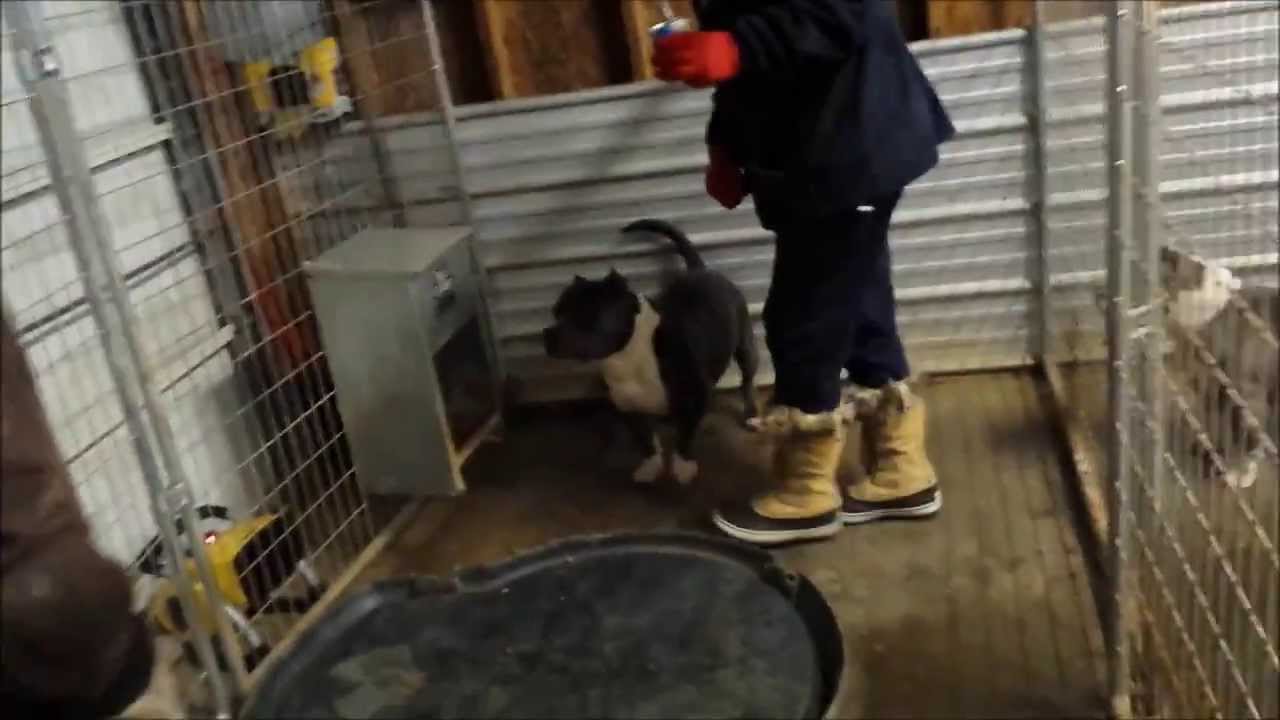
Image Source: i.ytimg.com
Ensuring a Safe and Cozy Garage Environment for Your Dog
When the winter chill sets in, it’s natural to think about where your dog will be most comfortable. While some dogs may seem hardy, all dogs are susceptible to the dangers of extreme cold. A garage, while offering a reprieve from wind and rain, can quickly become a frigid space. Providing adequate warmth, protection from drafts, and comfortable dog bedding is crucial. We’ll delve into the specifics of creating a safe haven for your dog in your garage during the colder months, focusing on winter dog care and cold weather dog safety.
Assessing Your Garage’s Suitability for a Dog
Before you even consider your dog spending time in the garage, you need to thoroughly assess its current condition and suitability.
Ventilation and Air Quality
- Airflow is Key: Garages can trap fumes from cars, lawnmowers, paint, and other stored chemicals. Ensure there is adequate ventilation to prevent your dog from inhaling harmful substances.
- Checking for Leaks: Inspect the garage walls, doors, and windows for any gaps or cracks that could allow cold air to seep in.
Safety Hazards
- Chemical Storage: If you store any chemicals, solvents, or automotive fluids in the garage, these must be moved to a secure, inaccessible location away from your dog’s living area. Even a small spill could be toxic.
- Sharp Objects and Tools: Keep all tools, nails, screws, and other sharp objects secured and out of reach.
- Electrical Cords: Exposed electrical cords pose a significant danger. Ensure all cords are neatly managed and inaccessible.
- Pest Control: Garages can be attractive to rodents or other pests. If you use pest control methods, ensure they are pet-safe and placed where your dog cannot access them.
Existing Temperature and Drafts
- Temperature Monitoring: The best way to know if your garage is warm enough is to monitor the temperature. Use a reliable thermometer placed at dog-level.
- Identifying Drafts: Feel for cold air currents. Drafts can make even a seemingly warm space feel much colder for your dog.
Creating a Warm and Inviting Dog Shelter
Once you’ve deemed your garage safe, the next step is to make it a warm and comfortable space. This involves focusing on insulation and creating a cozy den-like atmosphere.
Dog Kennel Insulation and Shelter Enhancement
The goal is to create an environment that minimizes heat loss and maximizes comfort.
Improving the Structure
-
Draft Protection: This is paramount.
- Seal Gaps: Use weatherstripping or caulk to seal any gaps around doors and windows.
- Door Sweeps: Install door sweeps on the main garage door and any access doors to prevent cold air infiltration.
- Covering Vents: If there are large, uninsulated vents that allow direct drafts, consider temporarily covering them with a breathable material, ensuring proper airflow isn’t completely restricted.
-
Insulating the Walls and Ceiling:
- Plywood or Paneling: For a more robust solution, consider adding a layer of plywood or paneling to the interior walls to create a barrier against the cold.
- Insulation Batts: If you’re comfortable with DIY projects, installing fiberglass or foam insulation batts in the wall cavities can significantly improve garage temperature control. Remember to cover any exposed insulation with a protective barrier like plywood to prevent your dog from chewing it.
Elevating the Sleeping Area
- Raising the Bed: Cold air sinks. Elevating your dog’s sleeping area off the concrete floor can make a significant difference. Use a sturdy raised dog bed or a platform.
Dog Bedding for Ultimate Warmth
The right dog bedding is essential for trapping body heat and providing a soft, comfortable surface.
Types of Dog Bedding
- Orthopedic Dog Beds: These provide excellent support and insulation, especially for older dogs or those with joint issues.
- Bolster Beds: Beds with raised sides can provide a sense of security and help block drafts.
- Fleece Blankets and Quilts: Multiple layers of thick fleece blankets or old quilts can be surprisingly warm.
- Straw or Hay: In very cold climates, a layer of straw or hay placed in a raised bed can offer excellent insulation. Ensure it is dry and changed regularly to prevent mildew.
Bedding Placement and Management
- Layering is Key: Don’t just use one thick blanket. Layering thinner blankets allows your dog to burrow and adjust their warmth.
- Keep it Dry: Wet bedding loses its insulating properties and can make your dog colder. If the bedding gets wet, change it immediately.
- Regular Washing: Wash bedding regularly to keep it hygienic.
Implementing Garage Heating Solutions Safely
While insulation is the first line of defense, in extremely cold climates, supplemental heat might be necessary. Safety must be the absolute priority when introducing heat sources.
Safe and Effective Heating Options
Heated Dog Bed
- The Safest Choice: A heated dog bed is often the most practical and safest way to provide direct warmth. These beds are designed with safety features like low voltage and chew-resistant cords.
- Placement: Place the heated bed on top of your dog’s regular bedding for extra insulation. Ensure the cord is routed safely away from any chewing hazards.
Ceramic Heat Emitters or Radiant Heaters
- Enclosed and Safe: If you opt for a space heater, choose a ceramic or radiant heater designed for enclosed spaces. These generally don’t have exposed heating elements.
- Thermostat Control: Look for models with an adjustable thermostat and an automatic shut-off feature in case of tipping.
- Protective Guard: Always use a heater with a protective metal guard to prevent your dog from coming into direct contact with the hot surfaces.
- Safe Placement: Position the heater on a stable surface, away from bedding and any flammable materials. It should be placed so that it warms the dog’s area without being too close.
Heated Water Bowls
- Hydration is Vital: Dogs need to drink water, even in the cold. Heated water bowls prevent water from freezing.
- Cord Management: Ensure the cord is securely managed and protected.
Garage Heating Solutions to AVOID
- Open Coil Heaters: These are extremely dangerous in a dog’s environment due to exposed heating elements.
- Propane or Kerosene Heaters: These produce dangerous fumes (carbon monoxide) and are not suitable for enclosed spaces with pets.
- Heat Lamps: While they provide heat, they can be a fire hazard if knocked over or if the dog gets too close.
Garage Temperature Control Strategies
Beyond direct heating, managing the overall garage environment is key.
- Insulated Doors: If your garage door is not insulated, consider adding insulation panels to it.
- Window Coverings: If you have windows in the garage, cover them with insulated curtains or blankets to reduce heat loss.
- Zoning: If possible, create a specific “den” area for your dog within the garage and focus your heating efforts there. This can be done by using partitions or even a large dog kennel that is well-insulated.
Essential Winter Dog Care in the Garage
Keeping your dog warm is only one part of ensuring their well-being during winter.
Hydration and Nutrition
- Constant Access to Water: As mentioned, preventing water from freezing is crucial. Check water bowls frequently.
- Increased Calorie Needs: Dogs can burn more calories trying to stay warm. You might need to slightly increase their food intake, especially if they are spending extended periods in the garage. Consult your veterinarian for personalized advice.
Grooming and Coat Care
- Thicker Coats: Dogs with naturally thicker coats (like Huskies, Malamutes, or German Shepherds) are better equipped for the cold.
- Short-Haired Breeds and Senior Dogs: Dogs with short coats, very young puppies, senior dogs, or those with medical conditions will need extra warmth and may not be suitable for garage living in extreme cold.
- Paw Protection: If your dog will be outside for any reason (even just to relieve themselves), consider paw balm to protect against ice and salt.
Exercise and Mental Stimulation
- Indoor Activities: Dogs still need exercise and mental stimulation. Ensure you are providing this inside the main house or through supervised indoor play.
- Short Potty Breaks: Keep outdoor potty breaks brief in very cold weather.
When is the Garage NOT Suitable for Your Dog?
It’s vital to recognize that not all dogs are suited for garage living, even with precautions.
Breed Predispositions
- Brachycephalic Breeds: Dogs with short snouts (like Pugs, Bulldogs, and Boxers) can have trouble regulating their body temperature and are more susceptible to the cold.
- Small Breeds: Toy breeds and small dogs have less body mass and lose heat more quickly.
- Hairless Breeds: Breeds like the Mexican Hairless Dog or Chinese Crested are naturally more sensitive to cold.
Age and Health Conditions
- Puppies and Senior Dogs: Their bodies are less efficient at regulating temperature.
- Dogs with Chronic Illnesses: Conditions like arthritis, heart disease, or hypothyroidism can make dogs more vulnerable to cold.
Extreme Weather Conditions
- Temperatures Below Freezing: Even well-insulated garages can struggle to maintain a safe temperature when outdoor temperatures plummet significantly below freezing.
The Importance of Monitoring Your Dog
Regularly checking on your dog is non-negotiable.
- Behavioral Changes: Watch for signs of discomfort such as shivering, whining, restlessness, or excessive sleeping.
- Physical Signs: Check their ears and nose for coldness.
- Temperature Checks: Periodically check the temperature within their sleeping area to ensure it remains within a safe range.
Creating a Cozy Dog Kennel Insulation in the Garage
A dedicated dog kennel can be an excellent way to create a controlled and warm environment within the garage.
Building or Modifying a Kennel
- Choosing the Right Size: The kennel should be large enough for your dog to stand up, turn around, and lie down comfortably, but not so large that their body heat dissipates too easily.
- Material: Wooden kennels are generally better insulators than metal ones.
- Insulating the Kennel:
- Plywood Lining: Line the inside of a wire or plastic kennel with plywood for an added layer of insulation.
- Foam Board Insulation: Attach rigid foam board insulation to the interior walls and ceiling of a wooden kennel. Secure it with screws and cover it with a chew-proof material like plywood or a durable fabric.
- Elevated Floor: Ensure the kennel has a solid, elevated floor to keep your dog off the cold concrete.
Making the Kennel a Warm Haven
- Bedding: Fill the kennel with plenty of warm dog bedding – thick blankets, straw, or a cozy dog bed.
- Draft Guard: Place the kennel away from any direct drafts and ensure the entrance is shielded from cold air. You can use a heavy fabric flap or a smaller, more enclosed entrance.
- Heated Elements: Consider a heated dog bed within the kennel or a safe ceramic heater positioned outside the kennel, directed towards the entrance, with a protective barrier.
Alternatives to Garage Living in Winter
If your garage simply cannot be made adequately warm and safe, consider other options.
- Indoor Living: The safest and warmest option is for your dog to sleep inside the main house.
- Unheated but Insulated Shed or Dog House: If you have an unheated, but well-insulated shed or a robustly constructed outdoor dog house, this might be a better alternative to a garage, as they are typically designed for weather protection. Ensure it is placed in a sheltered location.
Frequently Asked Questions (FAQ)
Q1: Can my dog sleep in the garage all winter?
A1: It depends heavily on your garage’s insulation, heating capabilities, and the specific needs of your dog. For most dogs, especially in colder climates, the garage is not an ideal year-round living space without significant modifications and supplemental heat. It’s best used for temporary periods or with extreme caution and regular monitoring.
Q2: What temperature is too cold for a dog in a garage?
A2: There isn’t a single definitive temperature, as it depends on the dog’s breed, age, health, and coat. However, if the garage temperature drops below 40°F (4°C), extra precautions are absolutely necessary. Below 20°F (-7°C), it becomes very risky, and specialized heating solutions are essential.
Q3: How can I tell if my dog is too cold in the garage?
A3: Signs include shivering, whining, restlessness, seeking out warmer spots, tucked tail, raised hackles, and lethargic behavior. If their ears or nose feel very cold to the touch, they are likely too cold.
Q4: Is a heated dog bed safe for a garage environment?
A4: Yes, a heated dog bed specifically designed for pets is generally safe. Look for beds with low voltage, chew-resistant cords, and automatic shut-off features. Ensure it is placed on a dry surface.
Q5: What are the best types of dog bedding for keeping a dog warm?
A5: Thick, plush blankets (like fleece), orthopedic beds with good cushioning, and beds with bolsters are excellent. For extreme cold, a layer of straw or hay in a raised bed can provide superior insulation. Layering is also key.
Q6: Are there any safety concerns with garage heating solutions?
A6: Absolutely. The main concerns are fire hazards, electrical safety, and the risk of carbon monoxide poisoning. Never use propane, kerosene, or open coil heaters. Always use thermostatically controlled units with safety features and ensure cords are protected.
Q7: How do I prevent drafts in my garage for my dog?
A7: Seal gaps around doors and windows with weatherstripping, install door sweeps, and consider insulating any large openings. Ensure your dog’s dog shelter or dog kennel insulation is also free from drafts.
By following these detailed tips, you can create a safe, warm, and comfortable environment for your dog in the garage, even during the harshest winter months. Prioritizing winter dog care and cold weather dog safety will ensure your beloved companion stays healthy and happy.