
Can you board a dog with separation anxiety? Yes, you can, but it requires careful planning, preparation, and choosing the right facility. This guide will walk you through everything you need to know about dog separation anxiety boarding and how to make the experience as smooth as possible for your anxious furry friend. We’ll cover everything from selecting a suitable dog boarding for anxious dogs to implementing separation anxiety coping strategies boarding.
Separation anxiety in dogs is a common but challenging condition. It’s a distress response that occurs when a dog is separated from its primary attachment figure or the familiar environment. When faced with the prospect of dog daycare separation anxiety or overnight boarding anxious dog, owners of dogs with this condition often feel a mix of apprehension and guilt. However, with the right approach, boarding can be a safe and even beneficial experience.
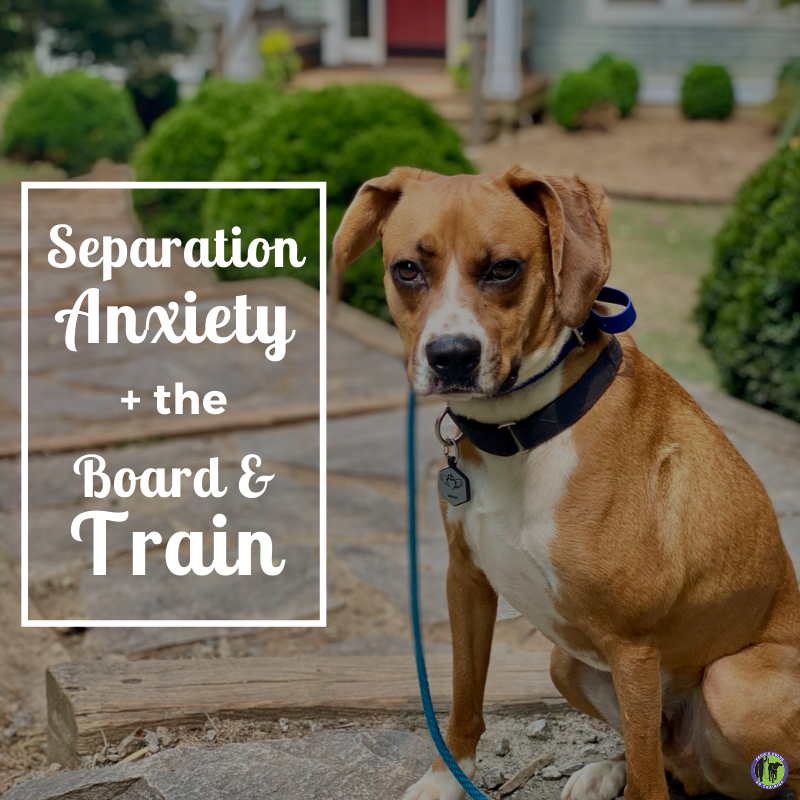
Image Source: images.squarespace-cdn.com
Deciphering Dog Separation Anxiety: What It Looks Like
Before we dive into boarding, it’s crucial to recognize the signs of separation anxiety. This isn’t just a dog being a bit sad when you leave; it’s a genuine panic response.
Common Signs Include:
- Vocalization: Excessive barking, howling, or whining when left alone.
- Destructive Behavior: Chewing furniture, doors, windowsills, or personal belongings, often focused on exit points.
- Inappropriate Urination or Defecation: Potty accidents inside the house, even in house-trained dogs.
- Pacing: Restless movement, often in a repetitive pattern.
- Drooling, Panting, or Trembling: Physical signs of stress.
- Attempting to Escape: Trying to dig or chew through doors and windows, which can lead to self-injury.
- Excessive Greeting: Over-the-top excitement and frantic behavior upon your return.
- Loss of Appetite: Refusing to eat or drink when left alone.
It’s important to distinguish true separation anxiety from boredom or lack of training. If your dog destroys a shoe but is perfectly calm otherwise, it might be boredom. If they panic, try to escape, and eliminate inappropriately, it’s likely separation anxiety.
Preparing Your Dog for Boarding with Separation Anxiety
The key to successful canine separation anxiety boarding lies in thorough preparation. You want to set your dog up for success and minimize their stress. This is where preparing dog for boarding separation anxiety becomes paramount.
1. Gradual Introduction to Separation
- Practice Short Absences: Start by leaving your dog alone for very short periods (a few minutes), gradually increasing the duration. Make your departures and arrivals low-key.
- Desensitize to Departure Cues: Dogs often learn the “rituals” that precede your departure (grabbing keys, putting on shoes, picking up a bag). Practice these actions without actually leaving. This helps reduce the anxiety associated with these triggers.
- Positive Associations: Leave your dog with a special, high-value treat or a puzzle toy only when you leave. This helps them associate your absence with something positive.
2. Socialization and Familiarization with New Environments
- Doggy Daycare Visits: If possible, enroll your dog in dog daycare separation anxiety programs or visit the daycare for short periods. This allows them to get used to being around other dogs and people in a supervised setting.
- Familiar Scents: Pack a blanket or an item of clothing that smells strongly of you. This familiar scent can be a great comfort.
- Familiar Toys and Bedding: Bring your dog’s favorite toys, bed, or blanket from home. These familiar items can provide a sense of security.
3. Consult with Professionals
- Veterinarian: Discuss your dog’s separation anxiety with your veterinarian. They can rule out any underlying medical conditions and may prescribe anti-anxiety medication or supplements if necessary. This is a critical step for anxiety management dog boarding.
- Professional Dog Trainer or Behaviorist: A certified professional can provide tailored strategies and training plans. They can offer guidance on behavioral boarding for anxious dogs and specific separation anxiety coping strategies boarding.
Choosing the Right Boarding Facility for Anxious Dogs
Not all boarding kennels are created equal, especially when it comes to boarding dogs with anxiety. You need a facility that is equipped and experienced in handling dogs with separation anxiety.
Key Features to Look For:
- Experienced Staff: Inquire about the staff’s experience with anxious or fearful dogs. Do they have staff trained in animal behavior or anxiety management dog boarding?
- Individualized Attention: Ask about their daily routine. Will your dog have one-on-one playtime or interaction? Behavioral boarding for anxious dogs often involves more personalized care.
- Small Group Settings or Private Suites: Some dogs do better in quieter environments. Look for facilities that offer smaller, less overwhelming group play or private suites with minimal distractions.
- Positive Reinforcement Methods: Ensure the facility uses positive reinforcement techniques and avoids punitive measures, which can exacerbate anxiety.
- Trial Stays: A short trial stay (e.g., a single overnight) can be very beneficial to see how your dog adapts before a longer commitment. This is a practical approach to overnight boarding anxious dog.
- Communication: How does the facility communicate with owners? Do they offer updates or photos? Knowing your dog is doing okay can ease your own anxiety.
- Comfort and Safety: Look for clean, safe environments with secure enclosures and temperature control.
Questions to Ask Potential Boarding Facilities:
- What is your protocol for dogs showing signs of separation anxiety?
- Can I leave familiar items like a blanket or toys with my dog?
- What is the staff-to-dog ratio?
- What training do your staff members have in handling anxious dogs?
- How do you manage introductions to new dogs and environments?
- Do you offer separate, quiet areas for dogs who are sensitive or anxious?
- Can you accommodate specific feeding schedules or medication needs?
- Do you allow scent items from home?
- What are your policies on trial stays or short visits?
- How do you handle a dog who is refusing to eat or is overly distressed?
Types of Facilities to Consider:
- Specialized Anxiety Boarding: Some facilities specifically market themselves as dog boarding for anxious dogs or offer programs for behavioral boarding for anxious dogs. These are often the best choice.
- Smaller Kennel Operations: Smaller, family-run kennels might offer a more intimate and less overwhelming environment than large commercial facilities.
- Home-Based Boarding (Pet Sitters): Some experienced pet sitters offer boarding in their own homes. This can be a great option for dogs who thrive in a home-like setting and get individual attention. Ensure the sitter has experience with separation anxiety.
- Veterinary Clinics with Boarding: Some vet clinics offer boarding services. While they are equipped for medical needs, ensure their boarding environment is not overly clinical or stressful.
During the Stay: Maximizing Comfort and Minimizing Stress
Once your dog is at the boarding facility, there are still strategies to help them cope.
1. Arrival and Settling In
- Calm Departure: When dropping off your dog, keep the goodbye brief and calm. Avoid lingering or showing excessive worry, as your dog will pick up on your emotions.
- Familiar Items: Ensure their familiar items (blanket, toy, scent item) are given to the staff upon arrival.
- Quiet Introduction: Ask the staff to allow your dog to acclimate to their new space without immediate overwhelming interaction.
2. Daily Routines and Activities
- Enrichment: Ask what enrichment activities are provided. Puzzle toys, scent games, and gentle play can distract and engage your dog.
- Supervised Socialization: If your dog enjoys other dogs, supervised play in small, compatible groups can be beneficial. For some dogs with separation anxiety, solitary activities might be better.
- Exercise: Adequate physical exercise is crucial. A tired dog is often a calmer dog. Ensure your dog gets enough walks or playtime.
3. Medication and Supplements
- Prescribed Medications: If your vet prescribed medication, ensure the boarding facility is comfortable and capable of administering it according to instructions. This is a key part of anxiety management dog boarding.
- Calming Supplements: Discuss with your vet if calming supplements (like L-theanine or specific herbal blends) might be appropriate and if the facility can administer them.
4. Communication and Updates
- Regular Check-ins: Agree on how and when you’ll receive updates. Daily photos or brief calls can be reassuring.
- Honest Feedback: Be open with the staff if you notice changes in your dog’s behavior at home that might be related to their boarding experience.
Table: Boarding Preparation Checklist for Dogs with Separation Anxiety
| Task | Status (✔/☐) | Notes |
|---|---|---|
| Veterinary Consultation | ☐ | Discuss anxiety, medication, supplements. |
| Behaviorist/Trainer Consult | ☐ | Get personalized strategies. |
| Research Boarding Facilities | ☐ | Focus on those experienced with anxious dogs. |
| Trial Stay/Daycare Visit | ☐ | Assess compatibility and comfort. |
| Pack Familiar Items | ☐ | Blanket, toy, scent item (e.g., worn t-shirt). |
| Practice Departures | ☐ | Short, low-key absences. |
| Desensitize to Cues | ☐ | Practice routines without leaving. |
| Arrange Medication/Supplements | ☐ | Ensure facility can administer as prescribed. |
| Provide Emergency Contact | ☐ | Include vet’s number and your contact info. |
| Communicate Needs Clearly | ☐ | Share detailed information about dog’s triggers and coping mechanisms. |
Addressing Common Concerns About Dog Separation Anxiety Boarding
Many owners worry about their dog’s well-being during boarding. It’s natural to have questions.
“Will my dog be alone too much?”
This depends on the facility and your dog’s needs. Some dogs with anxiety benefit from being in a quieter area, even if it means less group interaction. Others might gain confidence from gentle, supervised play. Discuss this with the facility and be clear about your dog’s preferences. For some, a less stimulating environment during the initial adaptation period is better.
“Will my dog get enough exercise?”
This is a critical question. Ensure the facility has a solid exercise plan. Ask about walk frequency, duration, and access to play areas. Insufficient exercise can increase frustration and anxiety.
“What if my dog doesn’t eat?”
This is a common issue for stressed dogs. The facility should have a protocol for this. They might try hand-feeding, offering different foods, or simply giving the dog space and time. Alert the staff to this possibility and provide any preferred, easy-to-eat treats.
“Will the boarding stress make their anxiety worse?”
It’s possible, which is why preparation and the right facility are so important. A well-managed environment with experienced staff can actually help dogs learn to cope. The goal is anxiety management dog boarding, not just containment. The facility should aim for behavioral boarding for anxious dogs, meaning they work to improve the dog’s coping skills.
“Can I use a ThunderShirt or calming diffuser at the facility?”
Ask the facility about their policy on these items. Many are happy to use a ThunderShirt or other calming aids if provided by the owner, especially if they have seen positive results. These are excellent separation anxiety coping strategies boarding can employ.
Long-Term Benefits of Proper Boarding
While the immediate goal is a stress-free stay, successful dog separation anxiety boarding can have long-term benefits:
- Increased Confidence: Successfully navigating a new environment can boost a dog’s confidence.
- Improved Socialization: Positive experiences with new people and dogs can help generalize their comfort.
- Reinforced Training: Consistent routines and positive reinforcement at the facility can reinforce training at home.
- Owner Peace of Mind: Knowing your dog is well-cared for allows you to enjoy your time away without constant worry.
Frequently Asked Questions (FAQ)
Q1: How can I tell if my dog has separation anxiety before boarding?
A1: Look for consistent destructive behavior, excessive vocalization, house-soiling, or frantic attempts to escape when you leave them alone. These behaviors should occur primarily when they are separated from you or a primary attachment figure.
Q2: Can I leave my dog’s favorite chew toy at the boarding facility?
A2: Yes, it’s highly recommended. Familiar items can provide comfort and a sense of security. Always check the facility’s policy on what items they allow.
Q3: What if my dog is usually okay with the family but panics when I leave?
A3: This is common. Dogs can form strong bonds with specific individuals. Ensure the boarding staff knows who your dog is most attached to and can mimic some of your routines or provide extra reassurance.
Q4: Should I tell the boarding facility my dog has separation anxiety?
A4: Absolutely. Transparency is crucial for them to provide the best care. Provide detailed information about their triggers, past experiences, and what has helped them cope previously. This aids in effective anxiety management dog boarding.
Q5: How long does it take for a dog to adjust to boarding?
A5: This varies greatly. Some dogs adjust within a few hours, while others may take a day or two. Dogs with separation anxiety might take longer, and the goal is to help them feel safe and secure, not necessarily to make them gregarious and outgoing immediately.
Q6: Is dog daycare separation anxiety a common problem?
A6: Yes, some dogs who experience separation anxiety at home may also exhibit anxious behaviors at daycare if they are separated from their owner or if the environment is overwhelming. Choosing a daycare with staff experienced in managing anxiety is important.
By focusing on preparation, selecting the right facility, and maintaining open communication, you can significantly improve the boarding experience for your dog with separation anxiety. Remember, the goal is to support their well-being and ensure they feel as safe and comfortable as possible, turning potentially stressful situations into manageable ones through thoughtful separation anxiety coping strategies boarding.