
Does your German Shepherd scratch their skin raw or suffer from upset tummies? It can be heartbreaking to see your beloved dog in discomfort, and finding the right food for a German Shepherd with allergies can feel like a never-ending quest. You want to give them the best, but the sheer number of choices, confusing ingredient lists, and conflicting advice can leave you feeling overwhelmed and frustrated. It’s tough when you’re not sure what’s causing their issues or how to fix them.
But what if there was a way to cut through the confusion and find a food that truly helps your furry friend thrive? In this post, we’ll dive deep into understanding common German Shepherd allergies and pinpoint the ingredients you should steer clear of. You’ll learn what to look for in an allergy-friendly dog food and discover some top-notch recommendations that have helped many owners just like you. Get ready to say goodbye to itchy skin and hello to a happier, healthier pup!
Our Top 5 Dog Food For German Shepherd With Allergies Recommendations at a Glance
Top 5 Dog Food For German Shepherd With Allergies Detailed Reviews
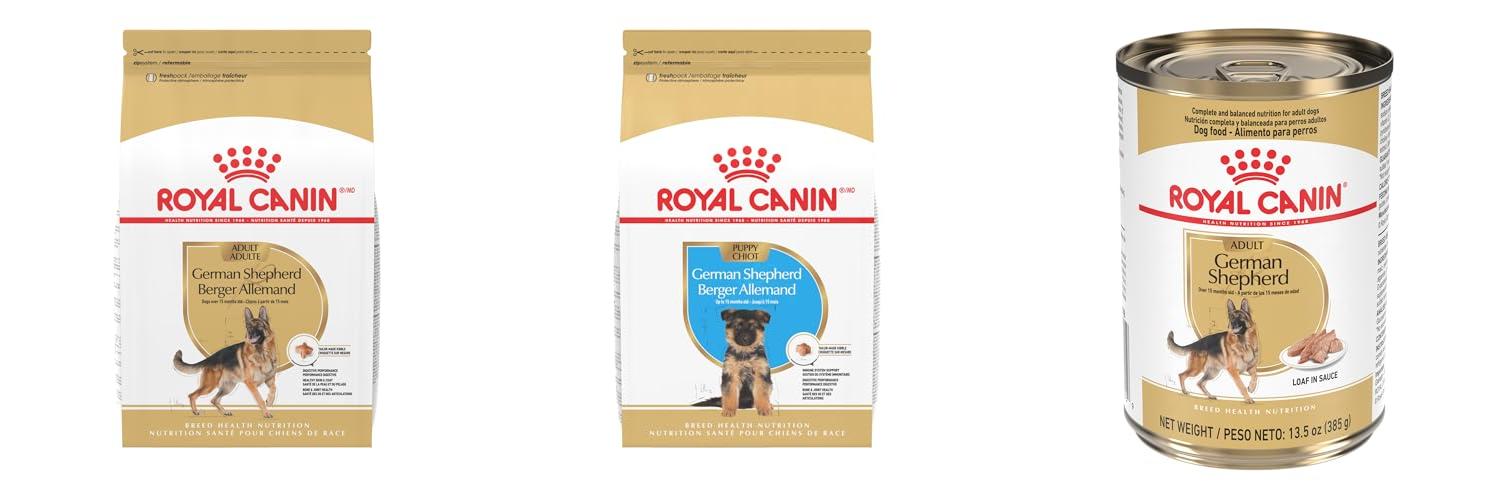
1. Royal Canin Breed Health Nutrition German Shepherd Adult Dry Dog Food

Rating: 9.2/10
Give your German Shepherd the best with Royal Canin Breed Health Nutrition German Shepherd Adult Dry Dog Food. This 30 lb bag is made specifically for purebred German Shepherds aged 15 months and older. It helps keep them healthy and happy.
What We Like:
- This food is made just for German Shepherds.
- The crunchy kibble has a special shape. It fits their long muzzle and strong teeth perfectly.
- It has proteins and fibers that are easy to digest. This helps keep their tummy happy.
- Special nutrients help keep their skin healthy.
- It contains glucosamine and chondroitin. These support strong bones and joints for big dogs.
- Royal Canin pays close attention to quality and safety.
- It works well with Royal Canin German Shepherd Adult Loaf In Sauce Wet Food.
What Could Be Improved:
- The price might be a bit high for some owners.
- For owners with very picky eaters, the kibble texture might not be a hit.
This dog food is a fantastic option for owners who want to provide targeted nutrition for their German Shepherd. It addresses key health concerns specific to the breed.
2. Royal Canin German Shepherd Puppy Breed Specific Dry Dog Food

Rating: 8.6/10
Bringing home a German Shepherd puppy is an exciting time! To help your furry friend grow into a healthy, happy adult, proper nutrition is key. Royal Canin German Shepherd Puppy Breed Specific Dry Dog Food, a 30 lb. bag, is made just for them. It’s designed for puppies from 8 weeks to 15 months old. This food helps your pup’s body and mind develop the right way.
What We Like:
- It’s made specifically for German Shepherd puppies. This means it has the right nutrients for their breed.
- The kibble shape is special. It fits a German Shepherd’s long muzzle and helps them chew their food better.
- It helps build a strong immune system. A mix of antioxidants, like vitamin E, protects your puppy.
- It supports healthy digestion. Easy-to-digest proteins and special fibers help make good quality poop.
- It’s good for bones and joints. Glucosamine and chondroitin help support their large breed bodies as they grow.
What Could Be Improved:
- It can be a bit pricey compared to other puppy foods.
- Some owners find the kibble size a little large for very young puppies.
This Royal Canin formula offers targeted nutrition for your growing German Shepherd. It’s a solid choice for supporting their unique needs during their crucial puppy months.
3. Royal Canin Breed Health Nutrition German Shepherd Adult Loaf in Sauce Dog Food

Rating: 9.3/10
Royal Canin Breed Health Nutrition German Shepherd Adult Loaf in Sauce Dog Food is a specially made wet food for your purebred German Shepherd. It comes in a tasty loaf with sauce that even picky eaters will love. This food helps keep your dog’s skin healthy and their coat shiny. It also supports strong bones and joints, which is important for large breeds like German Shepherds. You can feed this food alone or mix it with their dry kibble.
What We Like:
- Specially made for German Shepherds 15 months and older.
- Delicious loaf in sauce texture appeals to dogs.
- Includes vitamins and amino acids for healthy skin and a shiny coat.
- Contains glucosamine and chondroitin to support bone and joint health.
- Can be used as a complete meal or mixed with dry food.
- Comes in a convenient 12-pack.
What Could Be Improved:
- Some users might prefer larger can sizes for value.
- The price point might be higher compared to generic dog food.
This Royal Canin food offers targeted nutrition for your German Shepherd’s specific needs. It’s a great option for supporting their overall health and well-being.
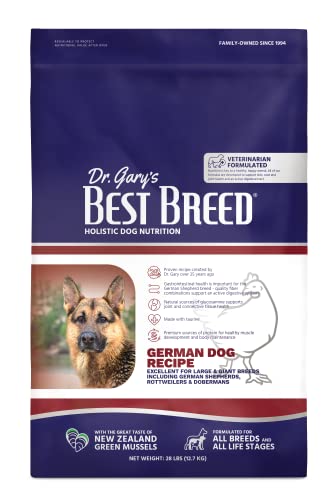
4. Best Breed Dr. Gary’s German Dog Diet Made in USA [Natural Dry Dog Food] – 28lbs
Rating: 8.5/10
Introducing Best Breed Dr. Gary’s German Dog Diet, a specially crafted natural dry dog food designed with your dog’s well-being in mind. Made in the USA, this 28lb bag of medium-sized, dark brown kibble offers holistic nutrition developed by a veterinarian. It’s formulated to address common health concerns in larger breeds, particularly German Shepherds, Rottweilers, and Dobermans.
What We Like:
- Veterinarian-developed holistic nutrition that started in 1994.
- Formulated specifically for German Shepherds and similar large breeds prone to digestive and skin issues.
- Digestive health is a top priority, with a blend of fibers that keep tummies happy.
- Includes New Zealand Green-Lipped Sea Mussel for natural joint support.
- Uses high-quality, natural ingredients, enhanced with vitamins and minerals.
- Slow-cooked in Ohio to ensure easy digestion and nutrient absorption.
- No corn, wheat, or by-product meals.
- EU-approved ingredients mean only the best for your dog.
What Could Be Improved:
- The price point might be higher than some mainstream dog foods.
- Availability might be limited to specific retailers or online stores.
This food is an excellent choice for owners seeking premium, purpose-driven nutrition for their large breed dogs. It prioritizes digestive and joint health with natural, high-quality ingredients.
5. VICTOR Super Premium Dog Food – Purpose Hero Canine Kibble – Premium Gluten Free Dog Food for Active Adult Dogs – High Protein with Glucosamine and Chondroitin for Hip and Joint Health

Rating: 9.3/10
VICTOR Super Premium Dog Food – Purpose Hero Canine Kibble is a top-notch choice for your active adult dog. This premium, gluten-free food is packed with protein and made to support your dog’s energy and joint health. It’s crafted with care in the USA, using quality ingredients you can trust. If your dog has grain sensitivities or needs extra support for their hips and joints, this kibble is worth considering.
What We Like:
- It’s grain-free and gluten-free, which is great for dogs with allergies or sensitive tummies.
- It has a high protein content (33%) from quality sources like beef, fish, and pork meals to keep active dogs energized.
- It includes glucosamine and chondroitin, which help support healthy hips and joints for active dogs.
- The proprietary VPRO Blend adds important supplements, vitamins, and minerals to help your dog reach their full potential.
- It’s made in the USA with ingredients sourced from nearby farms and ranches, ensuring high quality.
What Could Be Improved:
- For some owners, the price point might be a bit higher than other dog food options.
- The 30lb bag, while a good size, might still be heavy for some individuals to manage easily.
This VICTOR kibble offers excellent nutrition for active dogs. It’s a strong contender for providing your dog with the fuel and joint support they need.
Finding the Right Food for Your German Shepherd with Allergies
German Shepherds are wonderful companions, but like many breeds, they can develop food allergies. These allergies can cause uncomfortable symptoms like itchy skin, digestive upset, and ear infections. Choosing the right food is crucial to keep your furry friend happy and healthy. This guide will help you navigate the options and find the best dog food for your German Shepherd with allergies.
Key Features to Look For
When you’re shopping for allergy-friendly dog food, keep these features in mind:
- Limited Ingredients: Foods with fewer ingredients reduce the chances of encountering an allergen. Look for formulas with a short, recognizable ingredient list.
- Novel Protein Sources: Instead of common proteins like chicken or beef, opt for less common ones. Think duck, venison, lamb, or even fish. These are less likely to trigger a reaction.
- Hypoallergenic Formulas: Many brands specifically label their food as “hypoallergenic.” This means they’ve been carefully formulated to avoid common allergens.
- Digestible Carbohydrates: Some dogs are sensitive to grains. Look for foods that use easily digestible carbohydrates like sweet potatoes, peas, or potatoes instead of corn, wheat, or soy.
- Added Omega-3 Fatty Acids: These healthy fats can help soothe itchy skin and improve coat health. Look for sources like fish oil or flaxseed.
- Probiotics and Prebiotics: These can support a healthy digestive system, which is often affected by allergies.
Important Materials (Ingredients)
The ingredients in your dog’s food are the most important factor when managing allergies.
- Protein: As mentioned, novel proteins like duck, venison, salmon, or rabbit are excellent choices. These are less likely to be recognized as a threat by your dog’s immune system.
- Carbohydrates: Sweet potatoes, peas, and potatoes offer good sources of energy and are generally well-tolerated.
- Fats: Healthy fats come from sources like fish oil, flaxseed, and sunflower oil. They nourish the skin and coat.
- Vitamins and Minerals: These are essential for overall health. Ensure the food is balanced and complete.
- Avoidances: Steer clear of common allergens such as chicken, beef, dairy, wheat, corn, soy, and artificial colors or flavors.
Factors That Improve or Reduce Quality
Several things can make a dog food better or worse for an allergic German Shepherd.
-
Improvements:
- High-Quality Protein Source: The first ingredient should be a named, high-quality protein.
- Natural Preservatives: Foods preserved with Vitamin E (tocopherols) or rosemary extract are better than those with artificial preservatives.
- Transparency: Brands that are open about their sourcing and manufacturing processes often produce higher-quality food.
- Veterinarian Recommended: Foods that have been recommended or developed with veterinary input are usually a safe bet.
-
Reductions:
- Fillers: Ingredients like corn, wheat, and soy are often used as fillers and can be common allergens.
- Artificial Additives: Artificial colors, flavors, and preservatives can irritate sensitive dogs.
- By-products: While not always bad, generic “meat by-products” can be of lower quality and harder to digest.
- Unknown Ingredients: Vague ingredient listings can hide potential allergens.
User Experience and Use Cases
Dog owners often share their experiences with allergy-friendly foods.
- Success Stories: Many owners report a significant improvement in their dog’s skin and digestive issues after switching to a limited-ingredient or novel protein diet. They notice less scratching, fewer hot spots, and more regular bowel movements.
- Trial and Error: Finding the perfect food can sometimes take time. What works for one dog might not work for another, so be prepared to try a few different options.
- Veterinary Guidance: Many owners find it helpful to work with their veterinarian to identify specific allergens and choose a food. A vet can also recommend elimination diets.
- Transitioning Food: It’s important to transition your dog to new food gradually over a week to avoid upsetting their stomach. Mix increasing amounts of the new food with decreasing amounts of the old food.
Frequently Asked Questions (FAQ) for German Shepherd Allergy Food
Q: What are the most common food allergens for German Shepherds?
A: The most common allergens for German Shepherds are chicken, beef, dairy, wheat, corn, and soy. Some dogs can also be sensitive to lamb.
Q: How do I know if my German Shepherd has a food allergy?
A: Signs of food allergies include itchy skin (especially around the paws, ears, and belly), recurrent ear infections, digestive upset (vomiting or diarrhea), and sometimes behavioral changes due to discomfort.
Q: Should I choose a grain-free or limited-ingredient diet?
A: Both can be beneficial. A limited-ingredient diet focuses on reducing the number of ingredients to pinpoint allergens. A grain-free diet removes common grain allergens. Often, a limited-ingredient diet that is also grain-free is a good starting point.
Q: What is a “novel protein” in dog food?
A: A novel protein is a protein source that your dog has likely not eaten before. Examples include duck, venison, rabbit, fish, and kangaroo. These are less likely to trigger an allergic reaction.
Q: How long does it take to see results after changing my dog’s food?
A: It can take anywhere from a few weeks to a couple of months to see significant improvements in your dog’s symptoms after switching their food. Patience is key.
Q: Can I feed my German Shepherd raw food if they have allergies?
A: Some owners find success with raw diets for allergic dogs, as they often use novel proteins and avoid processed ingredients. However, it’s important to ensure the raw diet is nutritionally balanced and discuss it with your veterinarian.
Q: What if my German Shepherd is allergic to multiple ingredients?
A: If your dog has multiple allergies, a veterinary-formulated hypoallergenic diet or a hydrolyzed protein diet might be the best option. Hydrolyzed proteins are broken down into smaller pieces that the immune system is less likely to recognize as allergens.
Q: Are there any specific brands recommended for German Shepherds with allergies?
A: Many brands offer excellent allergy-friendly options, such as limited-ingredient diets or those featuring novel proteins. Popular choices include brands like Natural Balance, Blue Buffalo Basics, Merrick Limited Ingredient Diet, and Royal Canin Veterinary Diets (prescription). Always check ingredient lists carefully.
Q: How should I transition my German Shepherd to a new food?
A: Gradually transition your dog over 7-10 days. Start by mixing 25% new food with 75% old food for a few days, then increase to 50/50, then 75/25, and finally 100% new food. This helps prevent digestive upset.
Q: When should I consult a veterinarian about my German Shepherd’s allergies?
A: You should consult your veterinarian if your dog shows persistent signs of allergies, if you’re unsure about the cause, or if you need help selecting the right food. A vet can diagnose allergies and recommend the best course of action.
In conclusion, every product has unique features and benefits. We hope this review helps you decide if it meets your needs. An informed choice ensures the best experience.
If you have any questions or feedback, please share them in the comments. Your input helps everyone. Thank you for reading.