
Imagine your furry friend, once a champion chewer, now struggling to enjoy their meals. It’s a tough sight for any dog owner. When our beloved companions lose their teeth, whether due to age, illness, or injury, feeding them becomes a whole new challenge. The worry of them not getting enough nutrition or choking on hard kibble can weigh heavily on your mind.
Choosing the right food for a toothless dog isn’t as simple as picking up any bag off the shelf. You need to consider textures that are easy to swallow, flavors that are still appealing, and ingredients that provide all the necessary vitamins and minerals. The sheer variety of options can be overwhelming, leaving you feeling unsure about what truly benefits your dog the most.
But don’t worry, this guide is here to help! We’ll break down everything you need to know about finding the perfect food for your toothless pal. You’ll learn about different food types, what to look for on ingredient labels, and how to ensure your dog stays happy and healthy, one delicious, easy-to-eat bite at a time. Get ready to discover the best ways to nourish your senior dog!
Our Top 5 Food For Toothless Dog Recommendations at a Glance
Top 5 Food For Toothless Dog Detailed Reviews
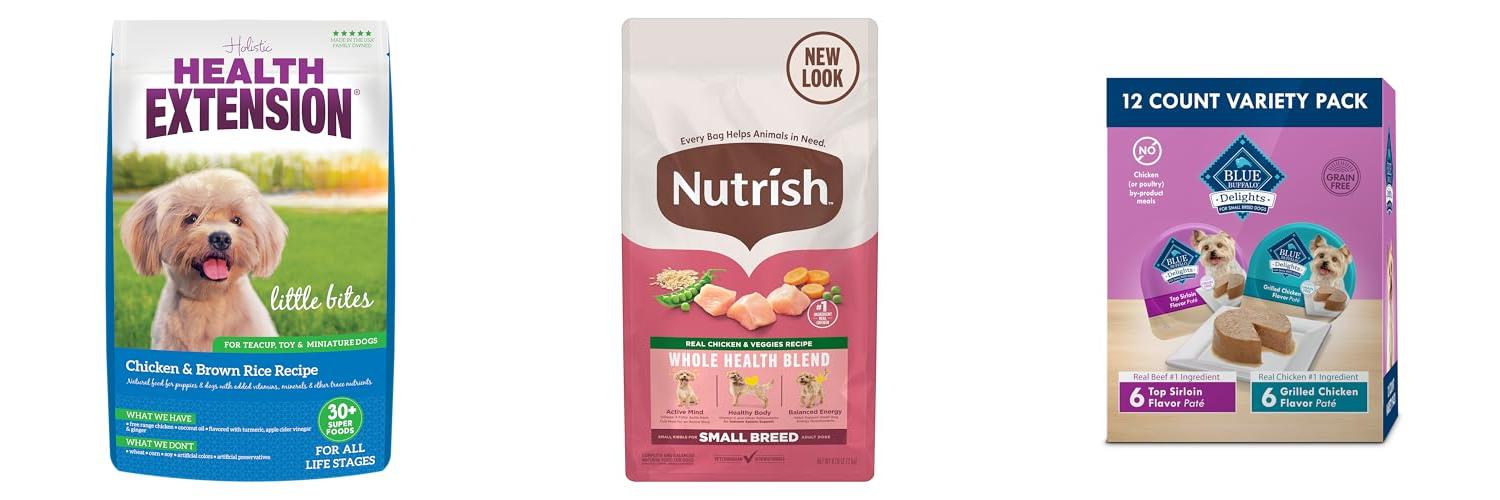
1. Health Extension Little Bites Dry Dog Food for Small Breeds

Rating: 8.9/10
Looking for the perfect food for your tiny canine companion? Health Extension Little Bites Dry Dog Food is specially made for small breeds. It features real chicken as the first ingredient, mixed with healthy brown rice and oatmeal. This food is packed with good stuff to help your dog’s tummy and make their coat shine.
What We Like:
- Uses real chicken as the main protein source.
- Includes probiotics and superfoods for better digestion and a healthy coat.
- Specially sized kibble is easy for small dogs to eat.
- Vet-formulated and meets AAFCO standards for complete nutrition.
- Free from corn, wheat, soy, by-products, and artificial additives.
- Made in small batches in the USA.
What Could Be Improved:
- The 10 lb bag might be a bit large for some very small breed owners who only need a small amount at a time.
This food offers a great way to support your small dog’s health from puppyhood through their senior years. It’s a solid choice for owners who want quality ingredients for their furry family members.
2. Nutrish Little Bites Small Breed Premium Natural Dry Dog Food

Rating: 8.5/10
Give your small dog the best with Nutrish Little Bites Small Breed Premium Natural Dry Dog Food. This yummy recipe features real chicken as the main ingredient, giving your furry friend the protein they need to stay strong and healthy. The small kibble size is just right for little mouths, making mealtime easy and enjoyable. Plus, it’s packed with vitamins, minerals, and nutrients to support their overall well-being. This food, formerly known as Rachael Ray Nutrish Little Bites, is a natural choice for your beloved companion.
What We Like:
- Real chicken is the first ingredient, providing excellent protein for lean muscle.
- The small kibble size is perfect for small breed dogs, making it easy to chew.
- It’s a natural dog food, meaning it’s made with wholesome ingredients.
- It includes added vitamins, minerals, and nutrients for complete and balanced nutrition.
- The 6-pound bag is a good size for smaller households or for trying out the food.
What Could Be Improved:
- Packaging may vary, which could be a minor inconvenience for some.
- Some picky eaters might prefer a different flavor profile.
Nutrish Little Bites offers a delicious and nutritious option for your small dog’s diet. It’s a solid choice for pet parents seeking quality ingredients for their little companions.
3. Blue Buffalo Delights Small Breed Natural Wet Dog Food Variety Pack

Rating: 9.3/10
Give your small dog a taste of luxury with the Blue Buffalo Delights Small Breed Natural Wet Dog Food Variety Pack. This pack features two delicious paté flavors: Top Sirloin and Grilled Chicken. Each cup is packed with wholesome goodness to keep your furry friend happy and healthy.
What We Like:
- Real beef or chicken is the first ingredient. Your dog gets high-quality protein in every bite.
- Two exciting flavors, Top Sirloin and Grilled Chicken, will keep mealtime interesting.
- The 3.5-oz cups are super easy to serve. No mess, no fuss!
- This food is grain-free and free from corn, wheat, and soy. It also has no artificial flavors or preservatives.
- It’s made with wholesome ingredients that are good for your dog’s health.
What Could Be Improved:
- The feeding guidelines suggest 2 to 3 bowls per 6 to 8 lbs of body weight daily. This might require some adjustment based on your dog’s specific needs and activity level.
- While the digital packaging is enhanced, the physical packaging may differ slightly. This could be a minor point of confusion for some shoppers.
This variety pack offers a delightful and nutritious meal solution for your small breed dog. Your pup will surely wag their tail for these tasty, wholesome meals.
4. Hill’s Science Diet Small & Mini

Rating: 9.1/10
As our furry friends enter their golden years, their nutritional needs change. Hill’s Science Diet Small & Mini, Senior Adult 11+ is specially formulated for small and mini breed dogs 11 years and older. This dry dog food features chicken, brown rice, and barley to provide delicious and wholesome meals. It focuses on supporting your senior dog’s overall health and well-being during their twilight years.
What We Like:
- It contains balanced minerals that help keep your dog’s heart, kidneys, and bladder healthy.
- A strong mix of antioxidants is included to boost your dog’s immune system.
- This food offers complete and balanced nutrition, which helps your dog maintain a healthy weight.
- It’s made in the USA using trusted ingredients from around the world.
- This brand is recommended by veterinarians more than any other.
What Could Be Improved:
- The 4.5 lb bag size might be too small for owners of multiple senior small dogs, requiring frequent repurchases.
- While the ingredients are good, some owners might prefer a grain-free option for their sensitive senior pets.
This Hill’s Science Diet formula offers targeted nutrition to support your senior small dog’s health. It’s a reliable choice for owners who want the best for their aging companions.
5. Purina Moist and Meaty Steak Flavor Soft Dog Food Pouches – 36 ct. Pouch

Rating: 8.7/10
Meet your dog’s new favorite meal or treat: Purina Moist and Meaty Steak Flavor Soft Dog Food Pouches! This 36-count pouch pack offers a delicious and convenient way to feed your furry friend. Each pouch is packed with real beef, making it a tasty and satisfying option for adult dogs. The soft, meaty texture is irresistible, and the individual pouches mean no mess and no fuss. Your dog will love the flavor, and you’ll love the ease!
What We Like:
- It’s 100% complete and balanced nutrition for adult dogs.
- It’s made with real beef for a taste dogs crave.
- Individual pouches make feeding quick and mess-free.
- The stay-fresh pouches keep the flavor and texture just right.
- The soft, meaty texture is a big hit with dogs.
- You can use it as a treat, a full meal, or a yummy meal topper.
What Could Be Improved:
- Some dogs might prefer a crunchy texture.
- The steak flavor might not appeal to every single dog’s palate.
Purina Moist and Meaty Steak Flavor Pouches offer a fantastic balance of taste, convenience, and nutrition for your dog. They are a great addition to any dog’s diet, whether as a main meal or a special treat.
Choosing the Best Food for Your Toothless Canine Companion
As our furry friends age, they might lose their pearly whites. This doesn’t mean they can’t enjoy delicious and nutritious meals! Finding the right food for a toothless dog is crucial for their health and happiness. This guide will help you navigate the options and make the best choice for your beloved pet.
Key Features to Look For
When selecting food for a dog without teeth, prioritize these important features:
- Soft Texture: This is the most vital feature. The food must be mushy or easily mashed so your dog can swallow it without difficulty. Think of it like baby food for dogs.
- High Palatability: Toothless dogs might have a reduced sense of smell or taste. The food should smell and taste appealing to encourage them to eat. Look for strong, savory aromas.
- Nutrient Density: Just because they can’t chew doesn’t mean they need less nutrition. The food should be packed with essential vitamins, minerals, proteins, and healthy fats to support their overall health.
- Easy Digestion: Older dogs, or those with dental issues, often have sensitive stomachs. Opt for easily digestible ingredients that won’t cause upset.
- Appropriate Size and Shape: If you’re considering wet food, ensure it’s not in large chunks. For kibble, it should be small enough to be softened or mashed easily.
Important Materials and Ingredients
The quality of ingredients directly impacts your dog’s well-being. Focus on:
- High-Quality Protein Sources: Look for named meat sources like chicken, turkey, beef, or lamb as the first ingredient. These provide essential amino acids for muscle maintenance.
- Digestible Carbohydrates: Sweet potatoes, pumpkin, and rice are good options. They offer energy and fiber.
- Healthy Fats: Fish oil or flaxseed oil adds omega-3 and omega-6 fatty acids. These support skin and coat health, and brain function.
- Vitamins and Minerals: Ensure the food contains a balanced blend of vitamins (A, D, E, B-complex) and minerals (calcium, phosphorus) for overall health.
- Avoid Fillers: Steer clear of foods with excessive corn, wheat, or soy as the primary ingredients. These offer less nutritional value and can be harder to digest.
Factors That Improve or Reduce Quality
Several things can make a food great or not so great for your toothless friend:
Factors that Improve Quality:
- Limited Ingredient Diets (LID): These are excellent for dogs with sensitivities or allergies. They reduce the chance of an adverse reaction.
- Grain-Free Options: While not always necessary, some dogs benefit from grain-free diets for easier digestion.
- Added Probiotics and Prebiotics: These support a healthy gut microbiome, aiding digestion and nutrient absorption.
- Natural Preservatives: Look for foods preserved with vitamin E (tocopherols) or rosemary extract, rather than artificial chemicals.
Factors that Reduce Quality:
- Artificial Colors, Flavors, and Preservatives: These offer no nutritional benefit and can sometimes cause health issues.
- By-products: While some by-products can be nutritious, vague “meat by-products” are often of lower quality and less digestible.
- Excessive Fillers: As mentioned, ingredients like corn or wheat that dominate the ingredient list can dilute the nutritional content.
- Poorly Sourced Ingredients: The origin and processing of ingredients matter. High-quality foods use traceable, reputable sources.
User Experience and Use Cases
The best food for your toothless dog will make mealtime a joy and contribute to their overall health.
- Wet Food: This is often the go-to for toothless dogs. It’s naturally soft and comes in various flavors. Many brands offer “pate” style wet food, which is smooth and easy to lick. Some dogs may even enjoy “stew” style wet food if the pieces are small and tender enough to be mashed.
- Soaked Dry Kibble: You can soften regular dry kibble by soaking it in warm water or broth. This makes it mushy and easier to eat. It’s a budget-friendly option, but requires preparation before each meal.
- Specialized Dental Diets: Some brands make kibble specifically designed to be softened or mashed. These often have a porous texture that absorbs liquid quickly.
- Homemade Diets: With guidance from your veterinarian, you can prepare soft, homemade meals using cooked meats, vegetables, and grains. This gives you complete control over ingredients.
Choosing the right food is an act of love. By focusing on these features, ingredients, and factors, you can ensure your toothless dog enjoys every delicious bite and stays healthy and happy!
Frequently Asked Questions (FAQ) for Toothless Dog Food
Q: What is the best type of food for a dog with no teeth?
A: The best type of food is usually soft wet food. This food is already mushy and easy for your dog to swallow. You can also soften dry kibble by soaking it in water or broth.
Q: How do I make dry kibble soft enough for my toothless dog?
A: You can soak dry kibble in warm water or low-sodium chicken or beef broth. Let it sit for about 10-15 minutes until it becomes soft and mushy.
Q: Should I look for specific ingredients in food for toothless dogs?
A: Yes, look for high-quality protein like chicken or lamb. Also, choose foods with easily digestible ingredients like sweet potatoes or pumpkin. Avoid foods with lots of fillers like corn or wheat.
Q: How can I tell if my toothless dog likes the food?
A: Your dog will eat it eagerly! If they lick their bowl clean and seem happy during mealtime, they probably like it. If they turn away from the food or eat very slowly, they might not like the taste or texture.
Q: Can I feed my toothless dog human baby food?
A: Some plain meat-based baby foods (like chicken or turkey) can be given as a treat or a small part of a meal. However, they are not usually complete and balanced for dogs. Always check with your vet first.
Q: How much should I feed my toothless dog?
A: The amount depends on your dog’s age, weight, activity level, and the specific food you choose. Always follow the feeding guidelines on the food packaging or ask your veterinarian for advice.
Q: What if my toothless dog has other health issues besides missing teeth?
A: If your dog has other health problems, like kidney disease or allergies, it’s very important to talk to your veterinarian. They can recommend a special diet that meets all of your dog’s needs.
Q: How often should I feed my toothless dog?
A: Most adult dogs do well with two meals a day. However, some older dogs or dogs with digestive issues might benefit from smaller, more frequent meals. Your vet can advise you on the best schedule.
Q: What are the signs that my dog’s food is not good for them?
A: Signs include vomiting, diarrhea, lack of appetite, excessive gas, or a dull coat. If you notice these, contact your veterinarian. They may suggest a different food.
Q: Is it okay to mix different types of food for my toothless dog?
A: It can be. For example, you might mix a little bit of soft wet food with soaked kibble. However, avoid mixing too many different foods at once, as it can upset their stomach. Always introduce new foods slowly.
In conclusion, every product has unique features and benefits. We hope this review helps you decide if it meets your needs. An informed choice ensures the best experience.
If you have any questions or feedback, please share them in the comments. Your input helps everyone. Thank you for reading.