
Does your furry friend suffer from seizures? It can be heartbreaking to watch your beloved dog experience these frightening episodes. You want to help them feel better, and you know diet can play a role. But when you start looking for dog food to help with seizures, the choices can feel overwhelming. What’s truly beneficial, and what’s just marketing?
Navigating the world of non-prescription dog food for seizures can be a real challenge. You’re likely worried about ingredients, looking for something that might offer support without a vet’s prescription. The sheer volume of information out there can leave you feeling confused and unsure of the best path forward for your dog’s well-being.
In this post, we’ll break down what to look for in a non-prescription dog food that might help manage your dog’s seizures. You’ll learn about key ingredients that are often recommended, understand what to avoid, and discover how to make a more confident choice. By the end, you’ll have a clearer picture of how food can be a part of your dog’s seizure management plan.
Our Top 5 Non Prescription Dog Food For Seizures Recommendations at a Glance
Top 5 Non Prescription Dog Food For Seizures Detailed Reviews
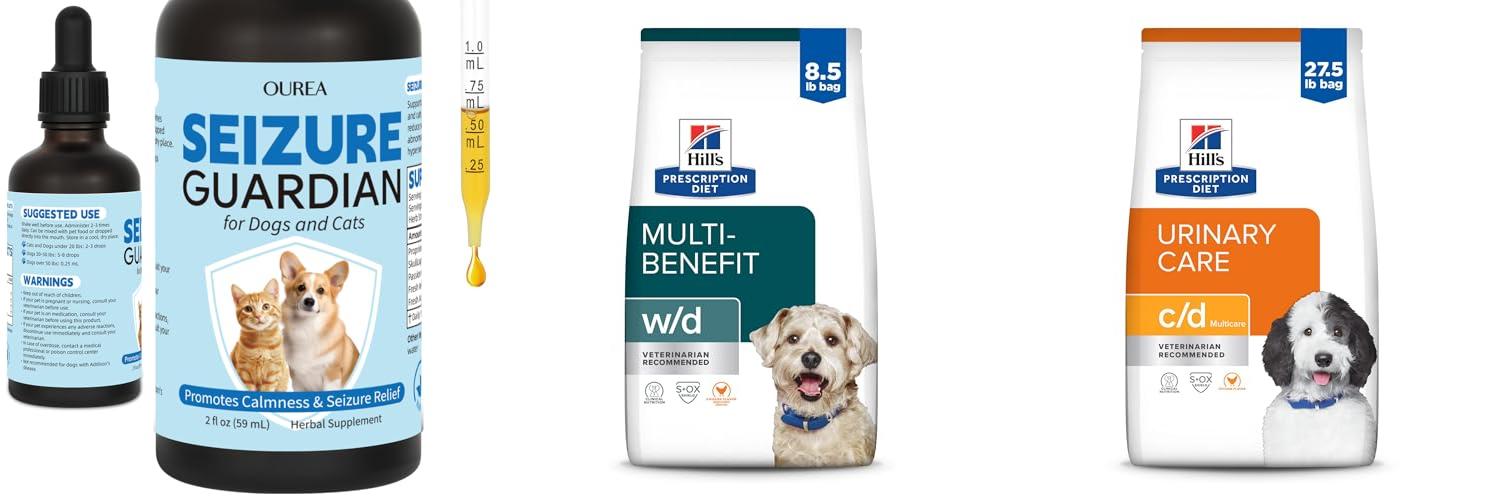
1. Seizure Guardian for Dogs and Cats

Rating: 9.5/10
This Seizure Guardian for Dogs and Cats, Nervous System Supplements Helps Manage Seizure Symptoms and Eases Anxiety and Stress, Natural Herbal Formula Calms The Nervous System (2 FL OZ) offers a natural way to support your pet’s well-being. It’s designed to help calm their nervous system and ease stress and anxiety, which can be linked to seizure symptoms.
What We Like:
- Provides excellent nervous system support for pets prone to stress or seizures.
- Effectively relieves anxiety and helps restore a sense of calm in pets.
- Veterinarian recommended, suggesting a trusted and well-formulated product.
- Uses a blend of natural herbal ingredients like Skullcap Root and Passion Flower.
- The formula is alcohol-free and made with non-GMO, natural ingredients.
- It’s easy to administer directly or mix with food, making it convenient for pet parents.
- Safe for pets of all breeds, sizes, and ages.
What Could Be Improved:
- The product focuses on managing symptoms; it does not claim to cure seizures.
- The effectiveness may vary from pet to pet.
This natural herbal formula provides gentle support for your pet’s nervous system. It’s a valuable tool for pet parents seeking a calm and comfortable life for their furry companions.
2. Hill’s Prescription Diet w/d Multi-Benefit Digestive/Weight/Glucose/Urinary Management Chicken Flavor Dry Dog Food

Rating: 9.4/10
Hill’s Prescription Diet w/d Multi-Benefit Digestive/Weight/Glucose/Urinary Management Chicken Flavor Dry Dog Food is a special food made by vets and nutritionists. It helps dogs with several health problems all at once. This food helps with digestion, keeps weight in check, manages blood sugar, and supports a healthy urinary tract. It’s like a superhero for your dog’s health, tackling multiple issues with one delicious chicken-flavored meal.
What We Like:
- This food helps manage a dog’s weight and blood sugar levels.
- It supports a healthy urinary tract with controlled minerals.
- The special mix of fibers aids in good digestion.
- L-carnitine helps dogs burn fat and keep strong muscles.
- Hill’s Prescription Diet is the top choice recommended by vets in the US.
- It offers love, quality, and health in every bite.
What Could Be Improved:
- It’s a prescription diet, so you need a vet’s approval to buy it.
- Some dogs might not like the taste or texture.
- The 8.5 lb bag might not last long for larger dogs.
This food is a great option for dogs needing multi-faceted health support. Always talk to your vet to see if this is the best fit for your furry friend.
3. Hill’s Prescription Diet c/d Multicare Urinary Care Chicken Flavor Dry Dog Food

Rating: 9.4/10
When your furry friend faces urinary health challenges, finding the right food is crucial. Hill’s Prescription Diet c/d Multicare Urinary Care Chicken Flavor Dry Dog Food is a specialized diet designed to help dogs with urinary issues. Hill’s nutritionists and veterinarians created this food specifically to support your dog’s urinary system. It’s packed with good stuff like antioxidants, potassium citrate, and omega-3 fatty acids that help keep your dog’s urinary tract healthy. This food actively works to dissolve certain types of stones and also helps prevent new ones from forming by carefully controlling minerals like magnesium, calcium, and phosphorus.
What We Like:
- Specifically formulated to help manage urinary health issues in dogs.
- Contains antioxidants, potassium citrate, and omega-3 fatty acids for added support.
- Helps dissolve existing struvite stones and prevents the formation of new ones.
- Controlled mineral levels contribute to a healthier urinary environment.
- Recommended for ongoing feeding for adult dogs.
- Hill’s Prescription Diet is a trusted brand, recommended by vets.
What Could Be Improved:
- Requires veterinary recommendation and prescription, so it’s not an over-the-counter purchase.
- The chicken flavor might not appeal to every dog’s palate.
If your veterinarian recommends Hill’s Prescription Diet c/d Multicare, it can be a valuable tool in supporting your dog’s long-term urinary well-being. Always consult your vet to ensure this is the best option for your dog’s specific needs.
4. Nature’s Recipe Grain Free Small Breed Dry Dog Food

Rating: 9.3/10
Give your small furry friend the best with Nature’s Recipe Grain Free Small Breed Dry Dog Food. This 4lb bag is packed with goodness to keep your adult dog happy and healthy. Real chicken is the star ingredient, making mealtime a delicious experience. Plus, it’s made with sweet potatoes and pumpkin, which are great for a dog’s tummy.
What We Like:
- Real chicken is the first ingredient, providing high-quality protein.
- Grain-free formula uses sweet potato and pumpkin for healthy digestion.
- No corn, wheat, or soy, making it a good choice for sensitive pups.
- Free from artificial flavors, colors, and preservatives.
- Specially formulated for the unique needs of small breed adult dogs.
What Could Be Improved:
- The 4lb bag might be gone quickly for some small breed owners.
- Availability might vary in some local stores.
This Nature’s Recipe dog food offers a nutritious and tasty option for your small dog. It’s a well-rounded meal designed to support their health from the inside out.
5. Hill’s Prescription Diet u/d Urinary Care Dry Dog Food

Rating: 9.0/10
Hill’s Prescription Diet u/d Urinary Care Dry Dog Food is a special food made by experts to help dogs with bladder problems. Veterinarians and nutritionists created this food to keep your dog’s urinary system healthy. It’s designed to lower the chances of painful stones forming in your dog’s bladder.
What We Like:
- Helps keep your dog’s bladder healthy.
- Lowers the risk of urate and cystine stones.
- Uses good protein that’s easy to digest, with less purines to prevent urate stones.
- Has taurine and L-carnitine to support a strong heart.
- Includes Vitamin E and beta carotene for a healthy immune system.
- It’s the #1 veterinarian-recommended therapeutic pet food in the US.
What Could Be Improved:
- Requires a prescription from your veterinarian.
- May have a higher price point compared to regular dog food.
- Availability might be limited to specific pet stores or online retailers that carry veterinary diets.
This food offers targeted support for dogs with urinary concerns. Always talk to your vet to see if Hill’s Prescription Diet u/d is the best fit for your furry friend’s needs.
Choosing the Right Non-Prescription Dog Food for Seizures: A Comprehensive Guide
When your furry friend experiences seizures, it’s a scary time for everyone. While a veterinarian is your first and most important resource for diagnosis and treatment, diet can play a supportive role. Many owners look for non-prescription dog food options that might help manage their dog’s seizures. This guide will help you understand what to look for.
Key Features to Look For
When selecting a non-prescription dog food for a dog with seizures, focus on these important features:
- High-Quality Protein Source: Look for foods where the first ingredient is a recognizable animal protein like chicken, beef, lamb, or fish. This provides essential amino acids for overall health.
- Moderate Fat Content: While some seizure diets benefit from higher fat, non-prescription options usually aim for a balanced approach. Avoid foods with excessive or unhealthy fats.
- Complex Carbohydrates: Whole grains like brown rice, oats, or barley provide sustained energy. These are better than simple, refined carbohydrates that can cause energy spikes and crashes.
- Omega-3 Fatty Acids: These healthy fats, found in fish oil or flaxseed, are known for their anti-inflammatory properties and can support brain health.
- Antioxidants: Ingredients like blueberries, cranberries, and certain vitamins (E and C) help combat oxidative stress in the body, which can be beneficial.
- Limited Ingredients: For dogs with sensitive stomachs or potential food sensitivities, a limited-ingredient diet can be easier to digest and identify potential triggers.
Important Materials and Ingredients
The “materials” in dog food are the ingredients. Here are some you’ll want to find and some to be cautious about:
-
Beneficial Ingredients:
- Fish Oil/Salmon Oil: Rich in EPA and DHA, crucial omega-3 fatty acids.
- Flaxseed: Another good source of omega-3s.
- Sweet Potatoes/Pumpkin: Provide fiber and complex carbohydrates.
- Berries (Blueberries, Cranberries): Packed with antioxidants.
- Vitamins E and C: Important antioxidants.
- Medium-Chain Triglycerides (MCTs): Some studies suggest MCTs can be beneficial for seizure management by providing an alternative energy source for the brain. Look for coconut oil as a source.
-
Ingredients to Use with Caution:
- Artificial Colors, Flavors, and Preservatives: These can sometimes cause adverse reactions in sensitive dogs.
- Excessive Fillers: Ingredients like corn, wheat, and soy are sometimes used as fillers. While not inherently bad, they can be less nutrient-dense than other options and might be harder for some dogs to digest.
- High Amounts of Sugar or Simple Carbohydrates: These can lead to rapid blood sugar fluctuations.
Factors That Improve or Reduce Quality
Several factors influence the quality of a non-prescription dog food for seizure management:
-
Factors That Improve Quality:
- Veterinary Endorsement: While not prescription, some brands consult with veterinary nutritionists.
- Transparency in Sourcing: Knowing where ingredients come from can indicate higher quality.
- Good Manufacturing Practices: Reputable brands follow strict safety and quality control standards.
- Positive Reviews from Other Owners: Real-world experiences can offer valuable insights.
-
Factors That Reduce Quality:
- Vague Ingredient Lists: “Animal by-products” without specificity.
- Low-Quality Protein Sources: Ingredients like “meat meal” without specifying the animal.
- Inconsistent Formulas: Brands that frequently change their ingredient lists.
- Lack of Research or Scientific Backing: Claims made without any supporting evidence.
User Experience and Use Cases
Many dog owners turn to non-prescription foods as a complementary approach to their dog’s veterinary treatment plan.
-
When to Consider:
- As a supportive measure alongside veterinarian-prescribed medication.
- For dogs experiencing mild or infrequent seizures where a dietary change might offer some benefit.
- When a vet recommends exploring dietary options before or in addition to medication.
-
What to Expect:
- Gradual Changes: Dietary changes should always be made gradually over 7-10 days to prevent digestive upset.
- Observation is Key: Monitor your dog closely for any changes in seizure frequency, severity, or overall well-being.
- Not a Cure: It’s crucial to remember that non-prescription diets are not a substitute for veterinary care and are unlikely to cure seizures on their own.
- Individual Results Vary: What works for one dog may not work for another. Patience and close observation are essential.
Frequently Asked Questions (FAQ) About Non-Prescription Dog Food for Seizures
Q: Can non-prescription dog food completely stop seizures?
A: No, non-prescription dog food is not a cure for seizures. It is intended to be a supportive dietary option that may help some dogs manage their condition alongside veterinary treatment.
Q: What is the most important ingredient to look for?
A: High-quality protein sources and omega-3 fatty acids are very important for overall health and brain function.
Q: Should I talk to my vet before changing my dog’s food?
A: Yes, always talk to your veterinarian before making any significant changes to your dog’s diet, especially if they have a medical condition like seizures.
Q: How do I transition my dog to a new food?
A: You should transition your dog slowly over 7-10 days by gradually mixing the new food with the old food, increasing the amount of new food each day.
Q: What are MCTs and why are they sometimes recommended?
A: MCTs, or Medium-Chain Triglycerides, are a type of fat that can provide an alternative energy source for the brain. Some studies suggest they may be helpful in seizure management.
Q: Are grain-free diets better for dogs with seizures?
A: Not necessarily. While some dogs do better on grain-free diets, the focus for seizure management is often on the type of carbohydrates (complex vs. simple) and overall nutrient balance, not necessarily the absence of grains.
Q: How long does it take to see if a new food is helping?
A: It can take several weeks to a few months to notice any potential benefits from a dietary change. Consistent observation is key.
Q: Can I give my dog supplements along with this food?
A: Always consult your veterinarian before giving your dog any supplements, as they can interact with medications or have unintended effects.
Q: What if my dog doesn’t like the new food?
A: If your dog is resistant to the new food, try warming it slightly, adding a small amount of low-sodium broth, or mixing in a tiny bit of a safe, vet-approved topper.
Q: Are there specific brands I should look for?
A: While many brands offer quality food, it’s best to discuss specific brand recommendations with your veterinarian, as they can tailor advice to your dog’s individual needs and health status.
In conclusion, every product has unique features and benefits. We hope this review helps you decide if it meets your needs. An informed choice ensures the best experience.
If you have any questions or feedback, please share them in the comments. Your input helps everyone. Thank you for reading.