
Imagine this: your fluffy chicks are pecking happily in their coop, and then, a shadow swoops in. A hawk? A fox? The thought of losing your feathered friends can be heartbreaking and expensive. Many backyard chicken keepers worry about predators, and finding a good guardian is a big concern.
Choosing a dog to protect your chickens isn’t as simple as picking any dog. You want a dog that’s gentle enough not to harm your birds but tough enough to scare away threats. It’s a balancing act! Many people wonder which breeds are best, what training they need, and how to make sure everyone stays safe and happy.
This post will help you sort through the confusion. We’ll explore some of the top dog breeds known for their protective instincts and discuss what makes them great farmhands. By the end, you’ll have a clearer picture of how to find the perfect canine protector for your flock, giving you peace of mind and keeping your chickens safe.
Our Top 5 Dog To Protect Chickens Recommendations at a Glance
| Image | Product | Rating | Links |
|---|---|---|---|
 |
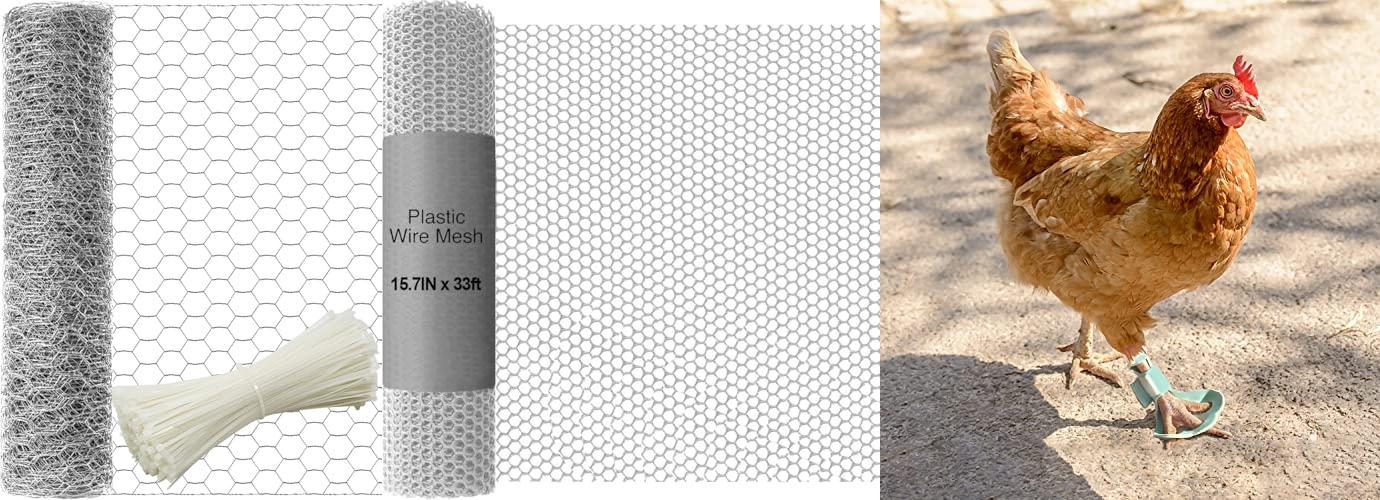
TOYPOPOR Chicken Wire 16” x 396”(40cm x 10m) | 8.7/10 | Check Price |
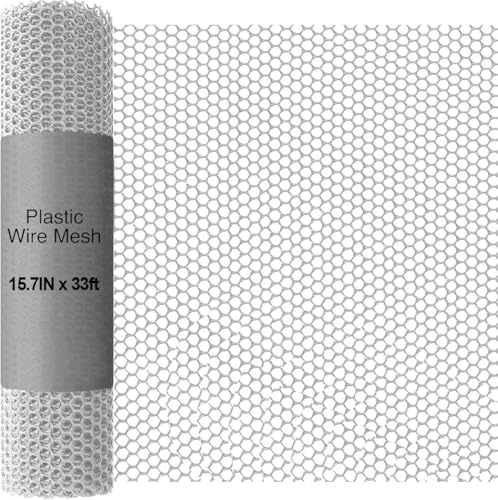 |
White Plastic Chicken Wire Fencing Mesh | 9.4/10 | Check Price |
 |
2 Pack Chicken Protective Shoes for Chick Booster Hen Turkey Feet Paws Bumblefoot | 8.9/10 | Check Price |
 |
Small Wire Plant Protector | 9.2/10 | Check Price |
 |
MaPorch Plastic Wire Mesh Fence – Black | 9.5/10 | Check Price |
Top 5 Dog To Protect Chickens Detailed Reviews
1. TOYPOPOR Chicken Wire 16” x 396”(40cm x 10m)
Rating: 9.0/10
Protect your precious garden from unwanted visitors with the TOYPOPOR Chicken Wire. This sturdy, anti-rust mesh fencing is designed to keep out everything from pesky squirrels and rabbits to larger critters like dogs and even deer. It’s a fantastic solution for safeguarding your plants, vegetables, flowers, and fruits.
What We Like:
- Excellent protection for gardens against a wide range of animals.
- Generous size (16” x 396”) allows for custom shaping and ample coverage.
- Small 1-inch hexagonal holes effectively keep even small poultry contained.
- Durable, anti-rust galvanized coating ensures long-lasting use outdoors.
- Strong wire construction (0.6mm diameter) resists breaking.
- Versatile for various DIY projects, from crafts to pet enclosures.
- Lightweight and easy to bend, making installation a breeze.
What Could Be Improved:
- While durable, the wire could potentially snag on delicate clothing if handled carelessly.
This chicken wire offers robust protection and great versatility for any gardener or DIY enthusiast. It’s a reliable choice for keeping your plants safe and for creative projects.
2. White Plastic Chicken Wire Fencing Mesh
Rating: 8.6/10
Keep your garden safe and your critters contained with this White Plastic Chicken Wire Fencing Mesh. This versatile fence is designed to be a strong barrier for all sorts of animals, from your backyard chickens to pesky rabbits and even snakes. It’s a simple yet effective solution for protecting your plants and keeping your pets where they belong.
What We Like:
- Made from high-quality, durable plastic that won’t rust or corrode.
- The upgraded wire thickness makes it tough and long-lasting.
- It’s lightweight and easy to cut, so you can shape it to fit any garden area.
- Waterproof and wind-resistant, it stands up to the elements.
- Installation is a breeze – just unroll and set it up.
- Safe for animals, with smooth edges and small mesh to prevent injuries.
- It’s reusable, saving you money over time.
- Works great as a tree protector or plant barrier.
What Could Be Improved:
- While durable, using T-posts or stake posts is recommended for extra support against strong winds or animal pressure.
- The 15.7-inch height might be too low for containing very determined jumpers.
This fencing mesh offers a practical and safe way to manage your garden and protect your animals. It’s a reliable choice for any gardener looking for an easy-to-use and effective animal barrier.
3. 2 Pack Chicken Protective Shoes for Chick Booster Hen Turkey Feet Paws Bumblefoot
Rating: 8.7/10
When your feathered friends get a boo-boo on their feet, you want the best protection to help them heal. These 2 Pack Chicken Protective Shoes are designed to do just that! Made from tough neoprene, they shield injured chicken, chick, hen, or turkey feet from dirt, wetness, and rough surfaces. They also offer a comfy cushion, which is super important for recovery. If your bird is dealing with issues like bumblefoot, these shoes can be a lifesaver, protecting them from hot pavement, icy spots, and messy coops. Plus, they’re easy to put on and take off, letting your chicken walk and run around normally without any discomfort.
What We Like:
- Durable neoprene material protects wounds from dirt and moisture.
- Provides extra cushioning for injured feet.
- Helps chickens recover from infections like bumblefoot.
- Protects feet from hot asphalt, icy patches, and rough surfaces.
- Easy to put on and take off, comfortable for the chicken.
- Designed for a good fit and comfort, with velcro fasteners.
- A smart addition to any chicken first-aid kit.
What Could Be Improved:
- While designed for comfort, some chickens might take a little time to get used to wearing them.
- The effectiveness might vary slightly depending on the specific type and severity of the foot issue.
These protective shoes offer a practical solution for keeping your birds’ feet safe and supporting their recovery. Having them on hand is a smart move for any responsible chicken owner.
4. Small Wire Plant Protector
Rating: 8.9/10
Protect your precious garden plants from hungry critters and accidental damage with this handy 6-pack of Small Wire Plant Protectors. These black chicken wire cloches are designed to keep your vegetables, herbs, and young shrubs safe and sound.
What We Like:
- This set comes with 6 plant cages, 24 wire mesh sheets, 24 ground stakes, and 200 nylon cables, so you have everything you need.
- The mesh cages effectively shield your plants from rabbits, dogs, chickens, and other garden pests.
- They also protect plants from garden tools like clippers and lawnmowers.
- Each cage measures about 12 x 12 inches, offering enough room for plants to grow.
- The durable, vinyl-coated wire is rust and corrosion resistant, meaning they will last for many seasons.
- Installation is a breeze; simply assemble the cage and secure it around your plants with the included stakes.
- They are also easy to store when not in use.
What Could Be Improved:
- While suitable for many plants, the 12×12 inch size might be too small for larger shrubs or plants that grow very wide.
- The instructions for assembly could be clearer for those who prefer step-by-step guidance.
These plant protectors offer reliable defense for your garden. They are a simple yet effective way to ensure your plants thrive without becoming a snack for unwanted visitors.
5. MaPorch Plastic Wire Mesh Fence – Black
Rating: 8.6/10
Looking for a versatile and tough fencing solution? The MaPorch Plastic Wire Mesh Fence in black is a fantastic option for a variety of needs. This durable plastic mesh offers a smart and stylish way to protect your garden, secure your pets, or add a decorative touch to your outdoor spaces. It’s designed to be easy to use and can handle whatever the weather throws at it.
What We Like:
- It’s super strong and can handle all kinds of weather, making it great for gardens or temporary fences.
- You can use it for many things, like keeping rabbits out of your garden or creating a safe space for cats on your balcony.
- Setting it up is really easy with basic tools and zip ties.
- The smooth edges are safe for pets and prevent snags.
- It comes in different sizes, so you can find the perfect fit for your project.
- The black color looks sleek and modern, adding a nice touch to your yard or balcony.
- It works well as a snake barrier in your garden.
What Could Be Improved:
- While strong, it might not be a good choice for very large or aggressive animals that could chew through it.
- For very large areas, buying multiple rolls could add up in cost.
- The specific dimensions might require some planning to avoid waste.
Overall, the MaPorch Plastic Wire Mesh Fence is a practical and attractive choice for many home projects. Its ease of use and adaptability make it a winner for DIYers and pet owners alike.
Choosing the Right Dog to Protect Your Chickens
Keeping chickens is a rewarding experience. You get fresh eggs and enjoy watching your flock. But predators can be a real threat to your feathered friends. A good guard dog can offer excellent protection. This guide helps you find the best canine companion for your flock.
Key Features to Look For
Size and Temperament
- Large Size: Bigger dogs can scare off predators more effectively.
- Calm Demeanor: The dog should be gentle with the chickens. It shouldn’t chase or harm them.
- Alertness: A good guard dog notices unusual sounds or movements.
- Loyalty: You want a dog that bonds with your farm and protects it.
- Stubbornness: Sometimes, a dog needs to stand its ground against a threat.
Instincts and Training
- Herding or Livestock Guardian Instincts: Some breeds naturally want to protect other animals.
- Trainability: The dog needs to learn boundaries and commands.
- Barking: A dog that barks at strangers or threats is a good deterrent.
Important Materials (for the Dog’s Well-being)
While we’re not buying a physical product, the “materials” for your dog include its health and environment. A healthy dog is a better protector.
- Good Nutrition: High-quality dog food provides energy and supports health.
- Safe Shelter: The dog needs a warm, dry place to rest.
- Regular Vet Care: Vaccinations and check-ups keep the dog healthy.
- Exercise: Plenty of activity keeps the dog fit and happy.
Factors That Improve or Reduce Quality
Improving Quality
- Early Socialization: Exposing the dog to chickens from a young age helps them accept the birds.
- Consistent Training: Positive reinforcement makes training effective.
- Good Health: A healthy dog has the stamina and alertness needed for protection.
- Secure Fencing: This protects both the chickens and the dog.
Reducing Quality
- Poor Diet: Lack of proper food weakens the dog.
- Lack of Training: An untrained dog might not know how to act around chickens.
- Fear or Anxiety: A fearful dog may not be an effective protector.
- Aggression Towards Chickens: This is the opposite of what you want!
User Experience and Use Cases
People use guard dogs in various ways. Some dogs patrol the perimeter of the coop. Others stay close to the chickens. The goal is always to keep predators away.
- Deterrent: The mere presence of a dog can scare off foxes, coyotes, and birds of prey.
- Early Warning System: A dog’s bark alerts you to danger.
- Active Protection: In some cases, a dog will physically confront a predator.
Choosing the right dog takes time and research. But a well-chosen guard dog offers peace of mind and keeps your chickens safe.
Frequently Asked Questions (FAQ)
Q: What are the best dog breeds for protecting chickens?
A: Some popular breeds include Great Pyrenees, Anatolian Shepherd, Akbash Dog, and Tibetan Mastiff. These are known livestock guardian breeds. Smaller breeds like the Miniature Schnauzer can also be effective alarm barkers.
Q: Do I need to train my guard dog?
A: Yes, training is very important. You need to teach the dog not to harm the chickens and to respond to your commands.
Q: How young should a dog be when introduced to chickens?
A: It’s best to introduce puppies to chickens when they are very young, around 8-12 weeks old. This helps them grow up seeing chickens as part of their “flock” to protect.
Q: Can any dog be a guard dog?
A: Not all dogs have the right instincts or temperament. Some breeds are naturally better suited for guarding livestock than others.
Q: What if my dog is too playful with the chickens?
A: This is where training and supervision are key. You need to correct playful nipping or chasing immediately and redirect the dog’s energy. If it persists, that breed or individual dog might not be suitable.
Q: How do I introduce a new dog to my existing chickens?
A: Start with supervised, short interactions. Keep the dog on a leash at first. Let them observe each other from a distance. Gradually reduce the distance and supervision as they get more comfortable.
Q: What are common predators for chickens?
A: Common predators include foxes, coyotes, raccoons, weasels, hawks, owls, and even neighborhood dogs or cats.
Q: Will a guard dog protect my chickens from aerial predators like hawks?
A: A dog can help deter some aerial predators, especially if it barks when they approach. However, they are less effective against swift attacks from above than against ground predators.
Q: How much space does a guard dog need?
A: Guard dogs, especially larger breeds, need adequate space to patrol and exercise. A good-sized yard or access to a larger farm area is beneficial.
Q: What if my dog barks too much?
A: While barking is a deterrent, excessive barking can be a nuisance. Training can help manage barking to specific triggers, like actual threats, rather than constant noise.
In conclusion, every product has unique features and benefits. We hope this review helps you decide if it meets your needs. An informed choice ensures the best experience.
If you have any questions or feedback, please share them in the comments. Your input helps everyone. Thank you for reading.