
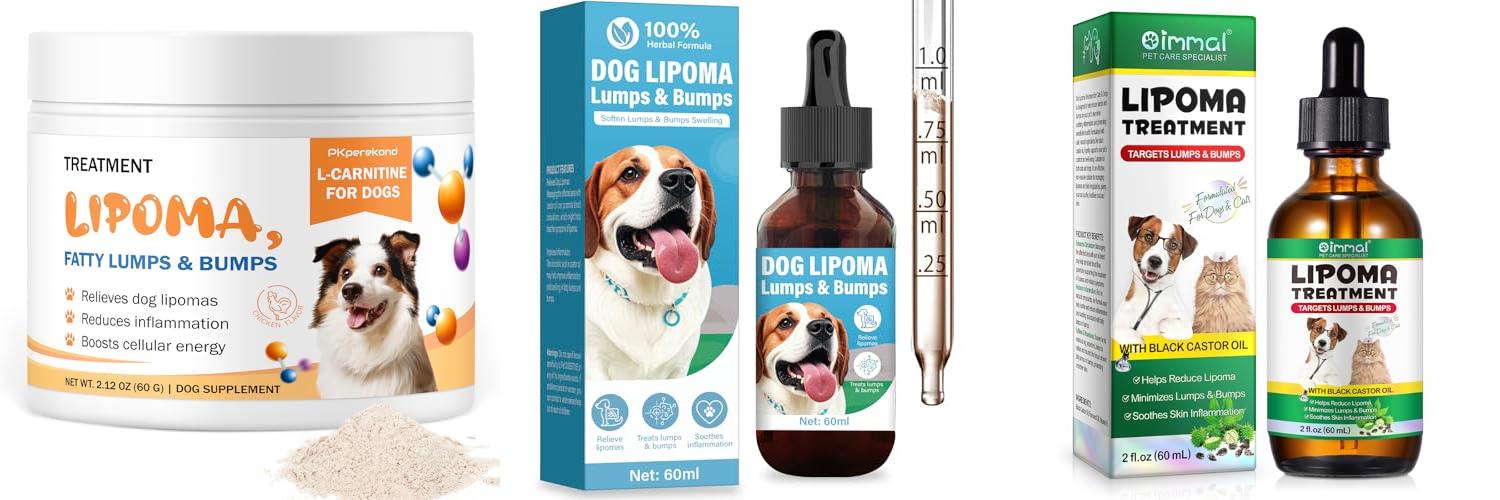
Does your furry friend have a lump that worries you? Many dog owners face this concern. Lipomas, those fatty tumors under the skin, can be a common worry for our canine companions. It’s natural to want to do everything you can to keep your dog healthy and happy, and for many, this includes thinking about their diet.
But when it comes to choosing a dog food to help prevent lipomas, the information can feel overwhelming. What ingredients truly matter? Are certain foods better than others? It’s a puzzle many pet parents try to solve, hoping to find the perfect kibble to support their dog’s well-being and potentially reduce the risk of these growths.
In this post, we’ll break down what you need to know about dog food and lipomas. You’ll learn about the key nutrients that play a role and discover practical tips for making smart food choices. By the end, you’ll feel more confident in selecting food that supports your dog’s health from the inside out.
Our Top 5 Dog Food To Prevent Lipomas Recommendations at a Glance
| Image | Product | Rating | Links |
|---|---|---|---|
 |
Dog Lipoma Treatment | 9.1/10 | Check Price |
 |
HAPIPET Guard for Dogs Lumps and Bumps | 9.1/10 | Check Price |
 |
Lipoma Treatment for Dogs with Castor Oil for Lipomas | 8.7/10 | Check Price |
 |
Petsmont Buddy Guard for Lumps and Bumps | 8.6/10 | Check Price |
 |
Lipoma Treatment for Dogs | 9.4/10 | Check Price |
Top 5 Dog Food To Prevent Lipomas Detailed Reviews
1. Dog Lipoma Treatment
Rating: 9.1/10
Is your furry friend dealing with those pesky fatty lumps and bumps? This L-Carnitine supplement for dogs is designed to help. It works by helping your dog burn fat more efficiently, which can slow down the growth of lipomas. This means your dog can feel more comfortable and enjoy life to the fullest. It supports healthy fat metabolism, which can make a big difference in their well-being and energy levels.
What We Like:
- Helps your dog burn fat, potentially slowing lipoma growth.
- Supports healthy fat metabolism for better comfort and happiness.
- Aids in weight control and can reduce pressure on existing lumps.
- Boosts energy and vitality, encouraging more playtime and exercise.
- Helps balance fat burning for energy instead of storage.
- Supports healthy muscle mass, which is important for body composition.
What Could Be Improved:
- Results may vary depending on the dog and the size/number of lipomas.
- It’s a supplement, not a magic cure, and should be used alongside veterinary advice.
This supplement offers a natural way to support your dog’s health and manage fatty lumps. Give your dog the chance to feel more energetic and comfortable.
2. HAPIPET Guard for Dogs Lumps and Bumps
Rating: 9.3/10
Is your furry friend sporting a noticeable lump or bump? The HAPIPET Guard for Dogs Lumps and Bumps offers a gentle way to help manage these fatty tumors. This special treatment uses natural ingredients, like castor oil, to soften these growths and provide comfort for your dog. It’s designed as a caring alternative for pet parents looking for less invasive options than surgery. You can give your dog the best care with this product.
What We Like:
- It’s a dedicated lipoma treatment for dogs.
- The ingredients are gentle and safe for pets.
- It provides an alternative option to dog lipoma surgery.
- It works for dogs of all ages.
- It helps you give your pets the utmost care.
What Could Be Improved:
- Results can vary from dog to dog.
- More detailed instructions for application could be helpful.
The HAPIPET Guard for Dogs Lumps and Bumps is a thoughtful choice for pet owners seeking a softer approach to managing fatty tumors. It’s a way to show your pet you care about their comfort and well-being.
3. Lipoma Treatment for Dogs with Castor Oil for Lipomas
Rating: 8.8/10
Dealing with those fatty lumps and bumps on your furry friend can be a worry. This Lipoma Treatment for Dogs, formulated with castor oil, aims to help soften those fatty lumps and soothe your pet’s skin. It’s designed to be gentle and nourishing, offering a natural approach to managing your pet’s skin concerns.
What We Like:
- The natural ingredients, especially black castor oil, are a big plus. They feel safe and gentle for pets.
- It aims to reduce the appearance of lumps and bumps, which is the main goal for many pet owners.
- The oil is said to increase blood circulation, which can help with discomfort and energy levels.
- It makes your dog’s skin feel softer and more moisturized.
- The application is simple – just a little oil and a gentle massage.
- It’s suitable for both cats and dogs, making it a versatile option.
What Could Be Improved:
- While it aims to reduce lipomas, the effectiveness can vary from pet to pet.
- Results might take time and consistent daily use is recommended.
- It’s important to remember that this is a topical treatment and may not be a cure for all lipoma cases.
This castor oil treatment offers a natural and gentle way to care for your pet’s skin and fatty lumps. It’s a good option to consider for soothing and nourishing your pet’s skin.
4. Petsmont Buddy Guard for Lumps and Bumps
Rating: 9.4/10
We’ve been testing out the Petsmont Buddy Guard, a unique supplement designed to help our furry friends with those pesky lumps and bumps, and to boost their overall health. This product uses a special blend of organic mushrooms, including Chaga, Reishi, Lion’s Mane, and Turkey Tail. It’s meant to support your pet’s immune system and gut health, which are super important for keeping them feeling their best.
What We Like:
- It directly targets lumps and bumps with its special Turkey Tail mushroom formula.
- The organic mushroom blend supports a strong immune system and healthy digestion.
- It helps keep your pet’s skin looking smooth and healthy.
- This supplement can give your pet more energy and vitality, especially older pets.
- Pet owners can feel good knowing they are supporting their pet’s health.
- Petsmont offers helpful support if you have any questions or concerns.
What Could Be Improved:
- The product name is quite long and a bit complicated.
- It’s a powder blend, which might be a little tricky for some pets to take if they are picky eaters.
Overall, the Petsmont Buddy Guard offers a natural approach to supporting your pet’s well-being, especially for those common lumps and bumps. It’s a promising option for pet owners looking for immune and digestive support.
5. Lipoma Treatment for Dogs
Rating: 9.0/10
Seeing your furry friend uncomfortable with lipomas can be tough. This 4 oz Lipoma Treatment for Dogs offers a gentle, natural solution to help your dog feel better and play freely again. Made with castor oil, it’s designed to ease discomfort, reduce swelling, and soften those fatty lumps and bumps, bringing back your dog’s happy energy and shine.
What We Like:
- Soothes discomfort and eases lipomas so your dog can play freely.
- Rich in ricinoleic acid to reduce inflammation, swelling, and pain.
- Softens fatty lumps and bumps, helping the body absorb them naturally.
- Boosts circulation when massaged, which may help shrink lipomas.
- Provides a wonderful bonding opportunity during application.
- Offers a gentle, loving alternative to costly surgery.
- Safe and gentle for your dog’s skin.
What Could Be Improved:
- Results may vary, and it might take time to see significant changes.
- The product is for external use only.
This castor oil treatment provides a loving and effective way to care for your dog’s lipomas. It’s a great way to show your dog you care and help them live a more comfortable, energetic life.
Finding the Right Food to Help Prevent Lipomas in Your Dog
Lipomas are fatty lumps that can grow under your dog’s skin. While often harmless, they can be concerning for pet parents. While no dog food can guarantee prevention, certain dietary choices can support your dog’s overall health and potentially reduce the risk or slow the growth of lipomas. This guide will help you understand what to look for.
Key Features to Look For
High-Quality Protein Sources
Look for foods with named meat sources as the first ingredient. This means you’ll see things like “chicken,” “lamb,” or “beef” listed. These proteins provide essential amino acids that build and repair tissues. Avoid foods with vague protein sources like “meat by-products.”
Healthy Fats
Omega-3 and Omega-6 fatty acids are crucial. Omega-3s, found in fish oil and flaxseed, can help reduce inflammation. Omega-6s, common in vegetable oils, are also important for skin and coat health. A good balance is key.
Fiber Content
Fiber aids digestion and can help manage weight. Excess weight is a risk factor for lipomas. Look for whole grains, vegetables, and fruits that provide good fiber. Soluble fiber can be especially helpful.
Antioxidants
Antioxidants help fight cell damage. Ingredients like blueberries, cranberries, spinach, and vitamin E are good sources. These can support your dog’s overall health and immune system.
Important Ingredients to Prioritize
- **Lean Protein:** Chicken, turkey, fish, lamb.
- **Healthy Fats:** Salmon oil, flaxseed, sunflower oil.
- **Fiber-Rich Carbohydrates:** Sweet potatoes, brown rice, oats, barley.
- **Fruits and Vegetables:** Blueberries, carrots, peas, spinach.
- **Vitamins and Minerals:** A balanced blend is essential for overall well-being.
Factors That Improve or Reduce Quality
What Improves Quality
- **Named Meat as First Ingredient:** This ensures a primary source of quality protein.
- **Limited Fillers:** Foods with fewer grains like corn, wheat, and soy can be better for some dogs.
- **Natural Preservatives:** Look for vitamin E (tocopherols) or rosemary extract instead of artificial preservatives like BHA, BHT, or ethoxyquin.
- **Appropriate Fat Levels:** Not too high, not too low. Your vet can help determine the right amount for your dog.
What Reduces Quality
- **Artificial Colors, Flavors, and Preservatives:** These offer no nutritional benefit and can be harmful.
- **Vague Ingredient Listings:** “Meat by-products” or “animal digest” don’t tell you what you’re feeding your dog.
- **Excessive Fillers:** Large amounts of corn, wheat, or soy can dilute the nutritional value.
- **High Carbohydrate Content with Poor Quality Sources:** This can contribute to weight gain.
User Experience and Use Cases
Many dog owners look for foods that support weight management. If your dog is overweight, a diet with controlled calories and good fiber can help them shed pounds, which is beneficial for lipoma risk. Owners often report that their dogs have more energy and a shinier coat when switching to a higher-quality food. Some breeds are more prone to lipomas, so owners of these breeds often take a proactive approach to their dog’s diet.
It’s important to remember that diet is just one part of managing lipoma risk. Regular exercise and maintaining a healthy weight are also very important. Always consult your veterinarian before making significant changes to your dog’s diet, especially if they have existing health conditions.
Frequently Asked Questions (FAQ)
Q: Can dog food completely prevent lipomas?
A: No, dog food cannot guarantee complete prevention of lipomas. However, a balanced and healthy diet can support your dog’s overall health and potentially reduce the risk or slow their growth.
Q: What is the most important ingredient to look for?
A: High-quality protein from named meat sources is very important. This provides the building blocks for a healthy body.
Q: Should I avoid all grains?
A: Not necessarily. Many dogs do well with whole grains like brown rice or oats. The key is quality and balance, not necessarily complete avoidance for all dogs.
Q: How does weight affect lipomas?
A: Being overweight is a known risk factor for lipomas. A good diet helps manage weight, which can reduce this risk.
Q: Are there specific foods that are bad for dogs prone to lipomas?
A: Foods high in unhealthy fats, excessive fillers, and artificial ingredients are generally not ideal for any dog, including those prone to lipomas.
Q: How quickly can I expect to see changes?
A: Dietary changes take time. You might notice improvements in your dog’s energy or coat within a few weeks, but long-term benefits related to lipoma management are gradual.
Q: What if my dog has allergies?
A: If your dog has allergies, you’ll need to choose a food that avoids those specific allergens while still meeting the criteria for a healthy diet.
Q: Should I feed my dog a “grain-free” diet?
A: Grain-free diets aren’t automatically better for preventing lipomas. The focus should be on overall ingredient quality and balance, not just the absence of grains.
Q: Can I supplement my dog’s food?
A: Always talk to your vet before adding supplements. They can advise on what might be beneficial and safe for your dog.
Q: What’s the best way to transition to a new food?
A: Gradually mix the new food with the old food over a week to avoid digestive upset. Start with a small amount of the new food and slowly increase it.
In conclusion, every product has unique features and benefits. We hope this review helps you decide if it meets your needs. An informed choice ensures the best experience.
If you have any questions or feedback, please share them in the comments. Your input helps everyone. Thank you for reading.