
What is FHO surgery and can my dog recover well? Yes, FHO (Femoral Head Ostectomy) surgery is a procedure to remove the head and neck of the femur (thigh bone) where it meets the hip socket. This removal allows scar tissue to form a “new” joint, reducing pain and improving mobility. With proper care, most dogs can recover well and regain a good quality of life.
Caring for your dog after FHO surgery is crucial for a successful recovery and a return to a happy, active life. This guide will walk you through everything you need to know, from the initial days after surgery to long-term rehabilitation.
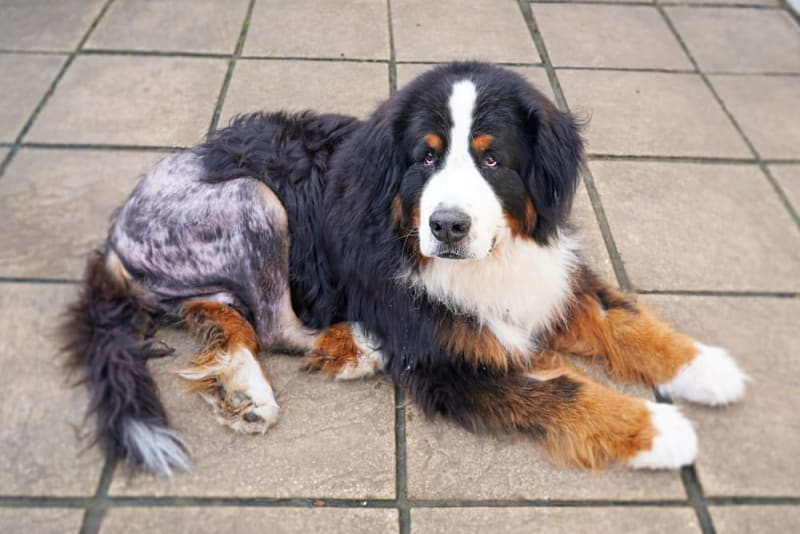
Image Source: d2zp5xs5cp8zlg.cloudfront.net
The Immediate Post-Operative Period: First Few Days
The first few days after FHO surgery are critical. Your dog will likely be experiencing some pain and discomfort, and their mobility will be significantly limited. Your veterinarian will provide specific post-operative instructions, but here’s a general overview of what to expect and how to manage it.
Pain Management for Dogs After FHO
Pain management is paramount in the immediate aftermath of FHO surgery. Your vet will prescribe pain medication to keep your dog comfortable. It’s vital to administer these medications exactly as directed.
- Medication Schedule: Keep a strict schedule for giving your dog their pain relievers. Missing doses can lead to a resurgence of pain, which can hinder their recovery.
- Observation: Watch for signs of pain: panting, restlessness, whining, reluctance to move, or a hunched posture. If you notice these, contact your vet.
- Types of Pain Relief: Your vet may prescribe a combination of non-steroidal anti-inflammatory drugs (NSAIDs), opioids, or other pain-relieving medications. Never give your dog human pain relievers, as they can be toxic.
Restricting Activity After FHO
Strict rest is essential to prevent damage to the surgical site and allow the initial healing to occur.
- Confinement: Your dog should be confined to a small, comfortable area, like a crate or a small room, where they cannot jump or run.
- Leash Walks: Potty breaks should be short, on-leash walks only. Keep these walks brief and on flat, even surfaces. Avoid stairs and slippery floors.
- No Jumping or Running: This is the most important rule. Prevent your dog from jumping on or off furniture, running, or playing rough with other pets.
FHO Incision Care
Keeping the incision clean and dry is vital to prevent infection.
- Inspection: Gently inspect the incision daily for redness, swelling, discharge, or a foul odor. A small amount of redness or swelling is normal.
- Keeping it Clean: Do not apply any creams or ointments unless specifically instructed by your vet. Keep the area dry.
- Preventing Licking: Your dog will likely have an Elizabethan collar (cone) to prevent them from licking or chewing the incision. Ensure the cone fits properly and is worn at all times. If the cone is bothering your dog, talk to your vet about alternatives.
Week 1-2 Post-Op: The Healing Begins
During the second week, your dog will likely start showing signs of improvement, but rest and careful monitoring are still key components of FHO surgery recovery.
Continued Pain Management and Observation
Pain management will continue, though the dosage or frequency of medication may be adjusted by your veterinarian.
- Fading Signs of Pain: You should see a gradual decrease in overt signs of pain. Your dog might start to put a little more weight on the operated leg.
- Medication Adjustments: Your vet will guide you on when to taper off pain medication. Do not stop abruptly without consulting them.
Gradually Increasing Activity (Under Guidance)
While strict rest is crucial initially, a gradual reintroduction of controlled movement is beneficial for FHO surgery recovery and dog hip surgery healing.
- Short, Leash-Controlled Walks: You can slowly increase the duration of your leash walks, perhaps to 5-10 minutes, two to three times a day. Focus on a steady, even gait.
- Avoiding Overexertion: It’s easy to get excited by your dog’s improving mobility, but pushing them too hard can cause setbacks. Watch for signs of fatigue or increased lameness after activity.
Monitoring the Incision
Continue to check the incision daily.
- Stitch Removal: If your dog has external stitches or staples, your vet will schedule an appointment for their removal, typically around 10-14 days post-surgery.
- Subcutaneous Sutures: Many vets use dissolvable sutures that don’t require removal.
Week 3-6 Post-Op: Building Strength and Mobility
This phase is about carefully rebuilding muscle mass and improving your dog’s range of motion. This is where dog physical therapy FHO becomes very important.
Introduction to Controlled Exercises
Controlled exercises are designed to strengthen the muscles around the hip and improve dog mobility after FHO.
- Passive Range of Motion (PROM): Gently move your dog’s operated leg through its natural range of motion. Do this slowly and stop if you feel any resistance or if your dog shows discomfort. Aim for 10-15 repetitions per day. Your vet or a canine rehabilitation therapist can demonstrate the correct technique.
- Assisted Standing: Help your dog stand for short periods. This helps them bear weight and engage their muscles.
- Controlled Walking: Continue with short, leash-controlled walks, gradually increasing duration. You might start to introduce very gentle, controlled trots if your dog is comfortable.
Canine Rehabilitation Therapy
For optimal FHO surgery recovery, consider professional canine rehabilitation.
- Benefits: A certified canine rehabilitation therapist can create a tailored exercise program, provide hands-on therapy, and monitor your dog’s progress.
- Therapies May Include: Hydrotherapy (underwater treadmill), laser therapy for pain and inflammation, therapeutic exercises, and massage.
- Home Exercise Plan: Your therapist will likely provide a home exercise plan to complement their in-clinic sessions.
Nutrition and Weight Management
Maintaining a healthy weight is critical for successful FHO surgery recovery. Excess weight puts added stress on the recovering joint.
- High-Quality Diet: Ensure your dog is eating a balanced, high-quality diet.
- Portion Control: Stick to recommended feeding guidelines to prevent weight gain.
- Supplements: Discuss joint supplements like glucosamine and chondroitin with your vet, as they may aid in cartilage health.
Beyond 6 Weeks: Long-Term Rehabilitation and Lifestyle Adjustments
The journey doesn’t end at 6 weeks. Continued attention to your dog’s needs will support long-term dog mobility after FHO.
Progressive Exercise Program
Your dog’s exercise program should continue to evolve.
- Increasing Duration and Intensity: Gradually increase the length and intensity of walks and introduce more challenging activities like gentle fetching or swimming, provided your dog is comfortable.
- Agility and Play: As your dog gains strength, you can slowly reintroduce controlled play sessions. Avoid sudden, jerky movements or excessive jumping.
- Consistency is Key: Regular exercise is vital to maintain muscle strength and joint health.
Monitoring for Long-Term Issues
While FHO is generally successful, it’s important to be aware of potential long-term FHO complications.
- Muscle Atrophy: Some muscle loss can occur initially. Consistent exercise will help rebuild this.
- Arthritis: The remaining joint surfaces can develop arthritis over time. Managing weight and providing appropriate supplements and exercise can help.
- Compensatory Injuries: Overusing the “good” leg can sometimes lead to problems on that side. Be mindful of your dog’s overall gait and posture.
Environmental Modifications
Make your home more comfortable and safer for your dog.
- Non-Slip Surfaces: Use rugs or runners on slippery floors to provide better traction.
- Ramps: Consider using ramps for furniture or car entry if your dog still struggles with jumping.
- Orthopedic Bedding: Provide a comfortable, supportive bed to ease pressure on joints.
Regular Veterinary Check-ups
Continue with regular veterinary check-ups to monitor your dog’s progress and address any concerns.
- Lameness Evaluation: Your vet can assess any residual lameness and advise on further management.
- X-rays: Periodic X-rays may be recommended to assess the healing process and monitor for arthritis.
Table: Timeline of FHO Surgery Recovery
| Timeframe | Key Focus Areas | Activity Recommendations |
|---|---|---|
| 0-7 Days | Pain Management, Incision Care, Strict Rest | Crate rest, very short leash walks for potty only |
| 1-2 Weeks | Continued Pain Management, Monitoring Incision | Short, leash-controlled walks (5-10 mins), passive ROM |
| 3-6 Weeks | Building Strength, Improving Mobility | Gradually increasing walks, starting controlled exercises |
| 6 Weeks onwards | Long-term Rehabilitation, Maintaining Fitness | Progressive exercise, lifestyle adjustments, play |
Frequently Asked Questions About FHO Surgery Recovery
How long does it take for a dog to recover from FHO surgery?
Full recovery can take anywhere from 8-12 weeks, and some dogs continue to improve for up to six months. The initial healing and comfort usually return within the first few weeks, but regaining full strength and mobility is a gradual process.
Can my dog walk normally after FHO surgery?
Most dogs can walk and move quite normally after FHO surgery. They may have a slight limp or altered gait, especially on uneven surfaces or after prolonged activity, but many regain excellent function. The goal is to reduce pain and improve mobility, and in this regard, FHO is very successful.
What should I do if my dog is licking the FHO incision?
Ensure your dog is wearing their Elizabethan collar (cone) at all times. If the cone is causing excessive distress, talk to your veterinarian about alternative options, such as a surgical recovery suit or a soft inflatable collar. Never allow your dog to lick the incision, as this can lead to infection and wound dehiscence.
How much exercise can my dog have after FHO surgery?
Initially, exercise should be severely restricted. As healing progresses, your vet will guide you on gradually increasing activity. This typically starts with short, leash-controlled walks on flat surfaces and progresses to more varied exercises as your dog gains strength and comfort. Overexertion is a common pitfall, so always err on the side of caution.
What are common FHO complications?
While FHO surgery is generally safe and effective, potential FHO complications can include infection at the incision site, suture reaction, mild swelling, or persistent lameness. In rare cases, the scar tissue may not form correctly, or the dog may develop arthritis in the remaining joint. Early detection and proper post-operative care significantly reduce these risks.
How do I help my dog with dog hip surgery healing?
Supporting your dog’s dog hip surgery healing involves diligent pain management, strict adherence to activity restrictions, meticulous FHO incision care, and a gradual, structured rehabilitation program. Consistent communication with your veterinarian is paramount throughout the recovery process.
By following this comprehensive guide and working closely with your veterinarian, you can ensure your canine companion experiences the best possible outcome after FHO surgery, leading to a more comfortable and active life.