
Does your furry friend’s tummy trouble keep you up at night? Watching your dog suffer from vomiting, diarrhea, or upset stomachs is heartbreaking, and it often leaves you feeling helpless. You want to help them feel better, but navigating the world of dog food for gastrointestinal problems can feel like a confusing maze.
There are so many brands and ingredients out there, and it’s tough to know which ones will actually soothe your dog’s sensitive system and which might make things worse. You might be worried about picking the wrong food and causing more discomfort, or maybe you’re just tired of the constant vet visits and the worry that comes with it.
In this post, we’ll break down exactly what makes a dog food good for sensitive stomachs. We’ll explore key ingredients to look for, what to avoid, and how to choose a food that will help your dog feel happy and healthy again. Get ready to discover how to make mealtime a relief, not a struggle, for both you and your beloved pet.
Our Top 5 Dog Food For Gastrointestinal Problems Recommendations at a Glance
Top 5 Dog Food For Gastrointestinal Problems Detailed Reviews
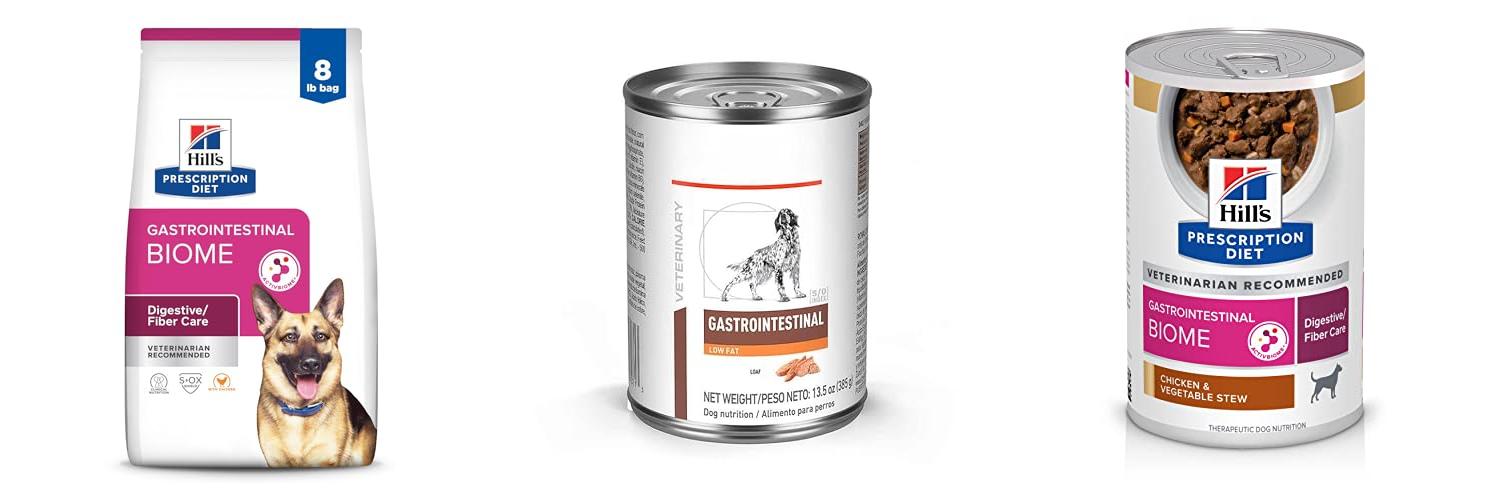
1. Hill’s Prescription Diet Gastrointestinal Biome Digestive/Fiber Care with Chicken Dry Dog Food

Rating: 8.5/10
If your furry friend struggles with tummy troubles, Hill’s Prescription Diet Gastrointestinal Biome Digestive/Fiber Care with Chicken Dry Dog Food could be a game-changer. This special food, created by vets and nutrition experts, aims to help your dog’s digestion get back on track. It’s designed to tackle common digestive issues and keep your dog feeling their best.
What We Like:
- It’s clinically proven to help firm up loose stools in just one day.
- It helps lower the chances of digestive problems happening again.
- It uses a special mix called ActivBiome+ that quickly wakes up good gut bacteria.
- This special mix also helps keep the gut microbiome balanced and healthy.
- It has a unique blend of fiber that helps with regular poops and keeps digestion working smoothly.
- The food is packed with omega-3 fatty acids, like DHA and EPA, which are good for overall health.
- Hill’s Prescription Diet is the top choice recommended by vets in the US.
What Could Be Improved:
- This is a veterinary diet, meaning you need a prescription from your vet.
- The 8 lb. bag might be a bit small for larger dogs or those who need it long-term.
This food offers targeted support for dogs with digestive sensitivities. Always talk to your veterinarian to see if this specific diet is the right fit for your dog’s needs.
2. Gastrointestinal Low Fat Loaf Canned Dog Food 12/13.5 oz

Rating: 9.4/10
This Gastrointestinal Low Fat Loaf Canned Dog Food is a special meal for dogs with sensitive tummies. It’s made to be easy on their digestion and contains less fat, which is helpful for dogs who need a lighter diet. This food comes in a convenient 12-pack of 13.5 oz cans, making mealtime simple for busy pet parents. It’s designed to provide balanced nutrition while supporting digestive health.
What We Like:
- The low-fat content is excellent for dogs needing a gentler diet.
- It’s formulated to support a healthy digestive system.
- The canned loaf form is easy to serve and portion.
- The 12-pack size offers good value and convenience.
- Many dogs find the taste appealing.
What Could Be Improved:
- The ingredient list might be a bit long for some owners who prefer simpler recipes.
- Availability might be limited in some smaller pet stores.
- The texture, being a loaf, might not appeal to all dogs who prefer chunks.
This food is a solid option for dogs with specific dietary needs. It offers a balanced and digestible meal that can make a real difference in your dog’s comfort.
3. Hill’s Prescription Diet Gastrointestinal Biome Digestive/Fiber Care Chicken & Vegetable Stew Wet Dog Food

Rating: 9.3/10
Is your furry friend struggling with tummy troubles? Hill’s Prescription Diet Gastrointestinal Biome Digestive/Fiber Care Chicken & Vegetable Stew Wet Dog Food is here to help. This special food was made by smart vets and nutritionists to support your dog’s digestion. It aims to help your dog have healthy, regular poops and feel better overall. The unique ActivBiome+ ingredient technology works fast to wake up good gut bacteria and keep your dog’s tummy balanced. It has just the right amount of different fibers to keep things moving smoothly. Plus, it’s packed with omega-3 fatty acids, which are good for your dog’s overall health. Remember to chat with your veterinarian to see if this food is the best choice for your dog.
What We Like:
- Specifically designed to help dogs with digestive issues.
- Uses breakthrough technology to improve gut health.
- Contains a balanced mix of fibers for regular bowel movements.
- Rich in omega-3 fatty acids (DHA & EPA).
- It’s the #1 US vet-recommended therapeutic pet food.
What Could Be Improved:
- Requires a prescription from a veterinarian.
- Can be more expensive than regular dog food.
- Availability might be limited to pet stores or veterinary clinics.
This veterinary diet offers targeted support for dogs needing digestive care. It’s a great option when recommended by your vet to help your dog feel their best.
4. Blue Buffalo True Solutions Digestive Care Natural Dry Dog Food for Adult Dogs

Rating: 9.0/10
Does your furry friend struggle with an upset tummy? The Blue Buffalo True Solutions Digestive Care Natural Dry Dog Food for Adult Dogs, Chicken, 11-lb. Bag is designed to help! This food focuses on keeping your dog’s digestion happy and healthy. It’s made with real chicken and contains special ingredients to support good digestion.
What We Like:
- It has a special formula for digestive care that helps improve stool quality.
- Veterinarians and animal nutritionists helped create this food, so you know it’s made with science-backed ingredients.
- Real chicken is the first ingredient, giving your dog the protein they need.
- It’s made without corn, wheat, or soy, which can be hard for some dogs to digest.
- The ingredients are wholesome and natural.
What Could Be Improved:
- The packaging might look a little different than what you see online.
- While the digital packaging is updated, the physical bag might not immediately reflect all the changes.
This food offers a great way to support your dog’s digestive health with trusted ingredients. It’s a solid choice for adult dogs needing a little extra digestive support.
5. Hill’s Science Diet Sensitive Stomach & Skin

Rating: 8.8/10
If your small or mini breed dog struggles with a sensitive tummy or itchy skin, Hill’s Science Diet Sensitive Stomach & Skin, Adult 1-6, Small & Mini Breeds Stomach & Skin Sensitivity Support, Dry Dog Food, Chicken Recipe, 4 lb Bag might be the answer. This food is specially made to be gentle on their digestive system and help soothe their skin. It uses a precise balance of ingredients that are easy for your dog to digest.
What We Like:
- It has highly digestible ingredients that are great for sensitive stomachs.
- The prebiotic fiber helps good bacteria grow in their gut, keeping their tummy balanced.
- Omega-6 fatty acids and Vitamin E work together to give your dog a healthy, shiny coat.
- This food is made in the USA with ingredients you can trust from around the world.
- It’s the #1 choice recommended by veterinarians, which gives you peace of mind.
What Could Be Improved:
- The 4 lb bag size might be a bit small for larger small breeds or for owners who buy in bulk.
- Some dogs can be picky eaters, and while this is a chicken recipe, individual preferences can vary.
Overall, Hill’s Science Diet Sensitive Stomach & Skin is a top-notch option for owners seeking a nutritious and gentle food. It addresses common sensitivities while providing essential nutrients for a happy, healthy dog.
Choosing the Right Food for Your Dog’s Upset Tummy
When your furry friend’s stomach is acting up, finding the right food can feel overwhelming. This guide will help you navigate the world of dog food for gastrointestinal (GI) problems. We’ll cover what to look for, important ingredients, what makes food good or not so good, and how other pet parents use these special diets.
Key Features to Look For
When you’re shopping for GI-friendly dog food, keep these important features in mind:
- Highly Digestible Ingredients: The food should contain ingredients that are easy for your dog’s body to break down and absorb. This means less work for their digestive system.
- Limited Ingredient Diets (LID): Some GI issues stem from food sensitivities or allergies. LID foods have fewer ingredients, making it easier to pinpoint what might be causing problems.
- Prebiotics and Probiotics: These are beneficial bacteria and fibers that help balance the gut microbiome. They can support healthy digestion and a stronger immune system.
- Omega-3 Fatty Acids: Found in fish oil, these fats can help reduce inflammation in the gut.
- Appropriate Protein and Fat Levels: Your vet will guide you on the best levels for your dog. Sometimes, lower fat is better for pancreatitis, while other times, easily digestible proteins are key.
- Specific Nutrient Profiles: Some foods are formulated with higher levels of certain nutrients like electrolytes or B vitamins to help dogs recover from digestive upset.
Important Materials (Ingredients)
The ingredients list is your roadmap. Look for:
- Single, Easily Digestible Protein Sources: Think chicken, turkey, lamb, or fish. Avoid complex protein blends if your dog has sensitivities.
- Highly Digestible Carbohydrates: White rice, sweet potatoes, and oats are often good choices. These provide energy without being hard on the stomach.
- Fiber Sources: Soluble fiber (like psyllium) and insoluble fiber can both help regulate bowel movements.
- Natural Flavors and Preservatives: Avoid artificial colors, flavors, and chemical preservatives. These can sometimes irritate a sensitive stomach.
Factors That Improve or Reduce Quality
What makes a GI dog food great?
-
Improved Quality:
- Vet Recommended Formulas: Brands that work closely with veterinarians often create the most effective diets.
- High-Quality Protein and Carb Sources: Using premium ingredients means better nutrition and digestibility.
- Clear Ingredient Transparency: Knowing exactly what’s in the food builds trust.
- Palatability: Even the best food won’t help if your dog won’t eat it. Good brands make their food appealing.
-
Reduced Quality:
- Fillers and Artificial Additives: Ingredients like corn gluten meal, artificial colors, and chemical preservatives can be hard to digest and may cause further upset.
- Generic or Unspecified Protein Sources: “Meat by-products” can be vague and harder to digest.
- High Fat Content (for some conditions): Too much fat can trigger issues like pancreatitis.
- Poor Quality Control: Inconsistent ingredients or manufacturing can lead to problems.
User Experience and Use Cases
Pet parents turn to GI dog food for various reasons:
- Sudden Vomiting and Diarrhea: Many owners find that switching to a highly digestible diet quickly calms their dog’s stomach after an acute episode.
- Chronic Digestive Issues: For dogs with ongoing problems like Irritable Bowel Disease (IBD) or pancreatitis, these foods become a daily necessity.
- Food Sensitivities and Allergies: Owners use LID formulas to identify and avoid ingredients that cause allergic reactions or digestive upset.
- Post-Surgery Recovery: After abdominal surgery, a gentle, easily digestible diet helps dogs heal.
- Puppies with Sensitive Stomachs: Even young dogs can experience GI problems, and these foods provide gentle nutrition for their developing systems.
Always consult your veterinarian before making any significant changes to your dog’s diet, especially when dealing with health concerns. They can recommend the best food based on your dog’s specific needs.
Frequently Asked Questions (FAQ)
Q: What are the main Key Features to look for in GI dog food?
A: You should look for highly digestible ingredients, limited ingredient options, prebiotics and probiotics, omega-3 fatty acids, and appropriate protein and fat levels. Specific nutrient profiles can also be important.
Q: What are the most important ingredients in GI dog food?
A: Key ingredients include single, easily digestible protein sources like chicken or lamb, highly digestible carbohydrates like white rice or sweet potatoes, fiber sources, and natural flavors and preservatives.
Q: How do I know if a GI dog food is good quality?
A: Good quality food is often vet-recommended, uses premium, transparent ingredients, and is palatable. It avoids fillers, artificial additives, and vague protein sources.
Q: What factors can reduce the quality of GI dog food?
A: Factors that reduce quality include fillers, artificial additives, generic protein sources, high fat content (for certain conditions), and poor quality control during manufacturing.
Q: When should I consider using a GI dog food?
A: You should consider GI dog food for sudden vomiting and diarrhea, chronic digestive issues like IBD, food sensitivities, post-surgery recovery, and for puppies with sensitive stomachs.
Q: Can I feed my dog GI food long-term?
A: Yes, for many dogs with chronic digestive issues, GI food is a long-term dietary solution recommended by veterinarians.
Q: Are GI dog foods expensive?
A: Generally, specialized diets like GI dog food can be more expensive than regular dog food because they use higher-quality, more digestible ingredients and often involve veterinary research.
Q: What is the difference between a limited ingredient diet (LID) and a regular GI diet?
A: LID foods have a shorter ingredient list to help identify and avoid specific allergens or sensitivities. Regular GI diets focus on overall digestibility and gut support, which may include a wider range of beneficial ingredients.
Q: How quickly can I expect to see results from a GI dog food?
A: Many owners see improvements within a few days to a week, but chronic conditions may take longer to stabilize. It’s important to be patient and consistent.
Q: Should I consult my veterinarian before buying GI dog food?
A: Absolutely. Your veterinarian can diagnose the cause of your dog’s GI problems and recommend the most appropriate type of food for their specific condition.
In conclusion, every product has unique features and benefits. We hope this review helps you decide if it meets your needs. An informed choice ensures the best experience.
If you have any questions or feedback, please share them in the comments. Your input helps everyone. Thank you for reading.