
Can you find a lost dog in the woods? Yes, you absolutely can increase your chances of finding a lost dog in the woods by staying calm, acting quickly, and using effective search strategies.
Losing a dog in the woods is a terrifying experience for any pet owner. The vastness of the wilderness can amplify feelings of helplessness, but it’s crucial to remember that panic is your enemy. This guide will equip you with the knowledge and techniques to conduct a safe and effective search for your missing furry friend. We will cover everything from immediate actions to advanced search techniques, including how to get help and what to do when you find your dog.
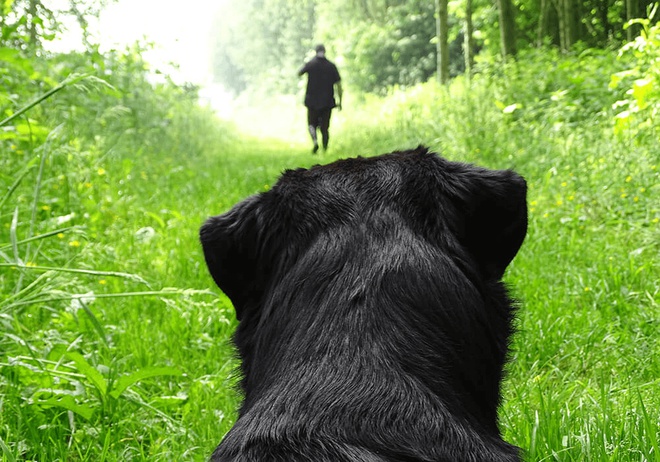
Image Source: d128mjo55rz53e.cloudfront.net
Immediate Actions: What To Do Right Away
When you realize your dog is lost in the woods, time is of the essence. The first few hours are critical for a successful search.
Stay Calm and Assess the Situation
It’s natural to feel a rush of panic, but take a deep breath. Panicking clouds judgment and can lead to mistakes.
- Think: Where did your dog last see you? What direction were you heading?
- Listen: Can you hear your dog barking or whining?
Secure Your Immediate Area
If your dog is lost within a familiar park or trail system, secure the area where you last saw them. Don’t wander off randomly, as your dog might be trying to backtrack.
Call Your Dog’s Name
Use a loud, clear, and encouraging tone. Avoid yelling out of frustration, as this can scare your dog further away.
Leave Your Scent
As you begin your search, leave behind an item with your scent, such as an unwashed t-shirt or blanket, at the spot where your dog was last seen. Dogs have an incredible sense of smell, and this can help them find their way back to you.
Notify Others
If you are with others, assign tasks. One person can continue calling, another can start a systematic search, and someone can begin contacting local authorities or shelters.
Building Your Search Strategy: A Systematic Approach
A disorganized search can waste valuable time and energy. Creating a plan is key to efficiently covering ground and maximizing your chances of finding your dog. This is where solid lost dog search tips come into play.
Define the Search Area
- Initial Radius: Start with a reasonable radius around the last known location. Consider your dog’s typical behavior and energy level. A smaller, faster dog might not have gone as far as a large, energetic breed.
- Terrain and Features: Factor in the terrain. Are there natural barriers like rivers or steep cliffs? These can influence your dog’s movement.
- Wind Direction: If you know the wind direction, consider that your dog may have followed scents carried by the wind.
Develop a Search Pattern
The goal is to cover the area thoroughly without duplicating efforts.
Grid Search
- Description: Imagine the search area is divided into a grid. You systematically walk along each line of the grid, looking and listening.
- How to Implement: Start at one edge of your defined area and walk in a straight line. Turn around and walk back, covering the next section. Continue this until the entire area is covered.
- Benefits: Ensures thorough coverage of a specific zone.
Spiral Search
- Description: Begin at the last known point and walk in widening circles outward.
- How to Implement: Start walking in a small circle, then gradually increase the size of your circles, moving outward.
- Benefits: Useful if you believe your dog is still close to the last seen location.
Line Search
- Description: If you have a team, you can spread out and walk in parallel lines.
- How to Implement: Each person walks a designated parallel path, scanning the area to their left and right.
- Benefits: Efficient for covering large, open areas with multiple searchers.
Search Techniques for Lost Dog
Effective techniques are crucial when finding a missing pet in the wilderness.
- Listen Carefully: Stop frequently and listen for any sounds – barks, whines, rustling in the underbrush.
- Look for Signs: Keep an eye out for paw prints, disturbed vegetation, or any other evidence your dog might have left behind.
- Use Their Name: Continue calling a lost dog’s name in a calm, inviting voice.
- Leave Scent Markers: Periodically leave more scented items at strategic points along your search path.
Utilizing Your Senses and Tools for Tracking
Enhancing your ability to locate your dog involves engaging your senses and employing helpful tools.
Leveraging Your Sense of Smell
While your dog’s sense of smell is far superior, you can still use yours.
- Familiar Scents: If you have any of your dog’s bedding or toys with their scent, bring them along. Leaving these can help guide your dog back.
- Your Scent: As mentioned, your scent is a powerful attractant.
Listening for Clues
- Silence is Golden: Sometimes, stopping all noise and listening intently is the best way to hear a faint bark or whine.
- Natural Sounds: Be aware that natural sounds like birds or other animals can mask your dog’s sounds.
Dog Tracking Equipment
Investing in dog tracking equipment can be a lifesaver.
| Equipment Type | Description | Benefits | Considerations |
|---|---|---|---|
| GPS Tracker | Device attached to collar that transmits location data via satellite or cellular. | Real-time location, activity tracking, geofencing alerts. | Battery life, subscription costs, signal reception in dense woods. |
| Radio Telemetry | Uses a handheld receiver to pick up a signal from a transmitter on the collar. | Works well in areas with no cell service, excellent for tracking dog in wilderness. | Range limitations, requires practice to triangulate location. |
| Whistle | High-frequency whistle that can carry further than a human voice. | Effective for calling your dog without straining your voice. | Needs to be a sound your dog is trained to respond to. |
| Bear Spray/Pepper Spray | For personal protection if encountering wildlife. | Safety for the searcher in potentially dangerous wildlife areas. | Crucial: Use only for self-defense and never towards your dog. |
| High-Lumen Flashlight | Powerful flashlight for searching in low-light conditions or at night. | Illuminates potential hiding spots, helps spot eye-shine of your dog. | Long battery life is important. |
| Durable Leash and Collar | A spare leash and collar in case you find your dog and their equipment is lost. | Enables secure handling of your dog once found. | Ensure it’s strong enough for your dog’s breed and temperament. |
Expanding Your Search: When to Seek Help
You are not alone in this. Many people and organizations can assist in finding your lost dog.
Notify Local Authorities and Shelters
- Animal Control: Contact your local animal control agency immediately. Provide a detailed description of your dog and the last known location.
- Animal Shelters and Rescues: Call all shelters and rescue organizations within a significant radius. Visit them in person if possible.
- Veterinary Clinics: Inform local vet clinics, as people might bring injured stray animals to them.
Leverage Social Media and Local Networks
Social media is a powerful tool for spreading the word quickly.
- Lost Pet Groups: Post on local lost and found pet Facebook groups, Nextdoor, and other community forums. Include a clear photo, breed, age, sex, distinguishing features, and the last known location.
- Local Businesses: Ask local businesses, especially those near the woods, to post flyers.
- Post Flyers: Create and distribute physical flyers in the area. Include a reward if you can afford it.
Enlisting a Dog Search and Rescue Team
Specialized dog search and rescue teams are invaluable resources.
- Expertise: These teams are trained in tracking, scent detection, and methodical search techniques.
- Resources: They often have trained dogs that can help locate your dog by scent.
- Finding a Team: Search online for “dog search and rescue [your area]” or contact your local emergency services to see if they can refer you to a team.
Tips for Tracking Dog in Wilderness
Tracking dog in wilderness requires a keen eye and a patient approach.
Follow Tracks and Signs
- Paw Prints: Look for paw prints in soft soil, mud, or sand. Note the size and pattern.
- Scat: If you find scat, try to determine if it matches your dog’s diet and size.
- Markings: Dogs sometimes mark trees or bushes. Look for urine markings.
- Disturbed Vegetation: Broken branches or flattened grass can indicate your dog’s passage.
Utilize Natural Elements
- Water Sources: Dogs often travel towards water. Check streams, rivers, and lakes.
- Shelter: Look in dense brush, under fallen trees, or in rock crevices where a dog might seek shelter.
The Power of Scent Trails
If you have a scent item, you can try to lay a scent trail from the last known location back towards a safe point (like your car or home).
- How to: Drag the scent item along your intended path. Periodically drop small pieces of the item.
- Caution: Be mindful not to contaminate the area with too many of your own tracks.
Finding Your Dog: What to Do When You Locate Them
The moment of reunion is filled with emotion, but it’s important to remain composed for your dog’s well-being.
Approach Slowly and Calmly
Your dog might be scared, injured, or disoriented.
- Avoid Sudden Movements: Don’t run towards them or make loud noises that could startle them.
- Use a Soft Voice: Talk to them in a calm, reassuring tone.
Offer Food and Water
If you have treats or water, offer them gently. This can help build trust and re-establish a positive connection.
Check for Injuries
Once your dog is calm and you can safely approach them, check them for any injuries, ticks, or signs of distress.
Secure Them Safely
Clip on the spare leash and collar you brought. Even if they seem fine, they might be disoriented and try to run again.
Strategies for Finding a Runaway Dog
A runaway dog might be more intentionally avoiding contact than a dog that got lost by accident.
Think Like Your Dog
- Reasons for Running: Was your dog scared by something? Are they in heat? Are they chasing prey?
- Favorite Spots: Do they have favorite places they like to explore?
Adapt Your Search
- Scent Work: Scent is paramount for runaway dogs. Use scent items and consider professional scent trackers.
- Patience: Runaway dogs can sometimes circle back to their familiar territory after a period of being out. Continue checking areas around your home or the last seen location.
- Avoid Chasing: If you spot them, resist the urge to chase. This can trigger their flight instinct. Instead, try to lure them with food or a familiar toy.
Creating a Safe Space for Your Dog
Once your dog is back home, ensure they have a safe and comforting environment.
Rest and Recovery
Allow your dog to rest and recuperate. They may have experienced significant stress.
Vet Check-up
It’s always a good idea to get your dog checked by a veterinarian, especially if they were lost for an extended period or you suspect they may have sustained injuries.
Prevent Future Escapes
- Secure Fencing: Ensure your yard fencing is secure and there are no gaps.
- Leash Use: Always use a leash in unenclosed areas.
- Microchip and ID Tags: Keep your dog’s microchip information up-to-date and ensure they wear a collar with current ID tags.
- Training: Reinforce recall training and consider agility or scent work to keep your dog engaged and less likely to wander.
Frequently Asked Questions (FAQ)
Q1: How long should I search for my lost dog?
A: You should continue searching as long as you can, especially during daylight hours. Persistence is key, and dogs can be found days or even weeks later.
Q2: What if my dog is injured and I can’t reach them?
A: If you locate your injured dog but cannot safely reach them, contact animal control, a wildlife rescue, or a veterinarian for assistance. Do not put yourself in danger.
Q3: Should I use food to lure my dog?
A: Yes, strong-smelling, high-value treats can be very effective in luring your dog. Leave food trails or offer it when you are close.
Q4: What is the best time of day to search for a lost dog?
A: Dawn and dusk are often the best times, as dogs may be more active and less intimidated by the quiet and reduced human activity. However, searching at any time is better than not searching at all.
Q5: How do I get my dog to come to me if they are scared?
A: Sit on the ground, avoid direct eye contact, and speak in a soft, soothing voice. Offer treats. Let your dog come to you on their terms.
Q6: What if I hear my dog but can’t see them?
A: If you hear your dog, stay put and continue calling them gently. If possible, try to pinpoint their location by sound and slowly move towards them. Avoid making noise that might scare them off.
Losing a dog in the woods is a challenging ordeal, but by employing these comprehensive lost dog search tips, you significantly improve your chances of a safe reunion. Remember to stay calm, act quickly, and utilize all available resources. Your dedication and methodical approach are the most powerful tools in finding a missing pet.