
You can typically sue a dog owner for damages stemming from a dog bite for a period determined by the statute of limitations dog bite, which varies by state but is generally between two to six years from the date of the incident. Acting promptly is crucial to preserve your right to file a personal injury claim dog bite.
Filing a legal action dog bite is a serious undertaking, and the timeframe for doing so is governed by specific laws. This duration, known as the statute of limitations dog bite, dictates how long you have after a dog bite incident to initiate a lawsuit. Missing this deadline means forfeiting your right to seek compensation for your injuries. Each state sets its own statute of limitations for personal injury cases, including dog bites, and these can range significantly.
The dog bite lawsuit timeline is a critical aspect of navigating this legal process. It’s not just about the external deadline imposed by the statute of limitations; there are also internal steps and considerations that influence how quickly you can and should act. For instance, gathering evidence, identifying the dog owner, and understanding the full extent of your injuries are all part of a timely approach to filing a legal claims after dog bite.
This comprehensive guide will delve into the intricacies of how long after a dog bite you can sue, covering essential factors that influence this timeframe, the typical dog bite lawsuit timeline, and what steps you should take to ensure you can pursue dog bite liability and receive dog bite injury compensation.
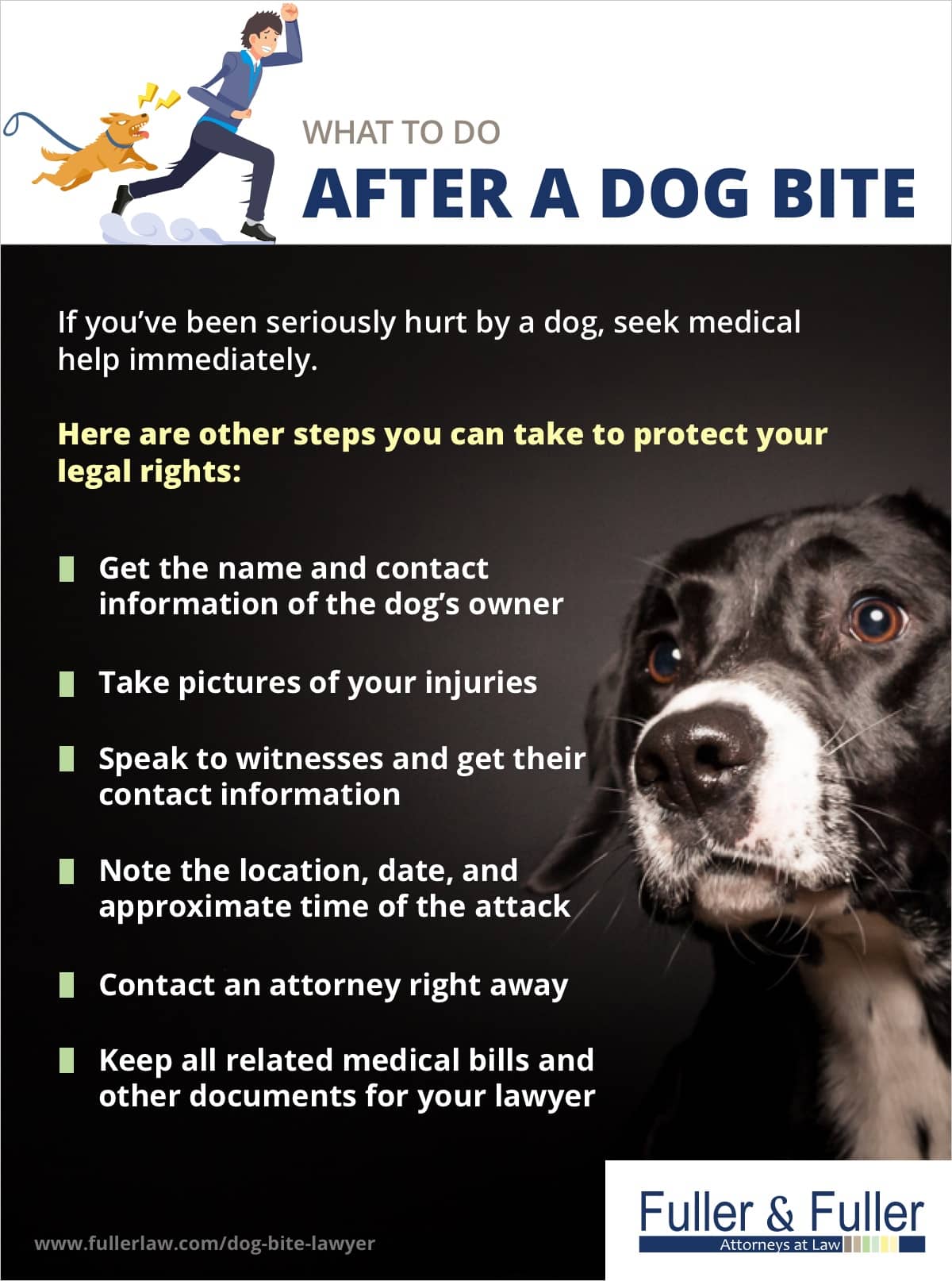
Image Source: www.fullerlaw.com
Deciphering the Statute of Limitations Dog Bite
The statute of limitations dog bite is a legal principle that sets a maximum period within which a party can file a lawsuit. If a lawsuit is not filed before the statute of limitations expires, the claim is barred, and the injured party loses the right to sue. This concept exists to ensure that legal proceedings are initiated while evidence is still fresh and witnesses are available, promoting fairness and preventing indefinite uncertainty for potential defendants.
State-Specific Timeframes
The most crucial factor determining how long you have to sue after a dog bite is the statute of limitations dog bite in your specific state. These statutes are not uniform. For example:
- California: Generally has a two-year statute of limitations for personal injury claims, including dog bites.
- New York: Also typically has a three-year statute of limitations for personal injury.
- Texas: Usually allows two years to file a personal injury lawsuit.
- Florida: Has a four-year statute of limitations for personal injury claims.
It is absolutely vital to confirm the exact statute of limitations for your state. Consulting with a qualified attorney specializing in dog bite legal recourse is the most reliable way to determine this critical deadline.
When Does the Clock Start Ticking?
For most dog bite cases, the statute of limitations dog bite begins on the date the bite occurred. However, there can be exceptions or nuances depending on the circumstances:
- Discovery Rule: In some rare situations, if the injury’s full extent or the responsible party’s identity isn’t immediately apparent, the clock might start ticking from the date the injury was discovered or should have been discovered. This is less common in straightforward dog bite cases but can apply in complex scenarios.
- Minors: If the victim is a minor (under 18), the statute of limitations typically doesn’t start until they reach the age of majority (18). This means a child bitten by a dog might have until they are 20 years old to file a lawsuit, depending on state law.
The Typical Dog Bite Lawsuit Timeline
Beyond the overarching statute of limitations, the dog bite lawsuit timeline involves several stages, each with its own considerations. While the specific duration can vary greatly based on the complexity of the case, the willingness of parties to settle, and court dockets, a general outline can be helpful.
Pre-Lawsuit Investigation and Demand
Before filing a formal lawsuit, it’s common to engage in a period of investigation and communication with the dog owner or their insurance company.
- Immediate Post-Bite:
- Seek medical attention.
- Report the bite to animal control.
- Gather evidence (photos of the bite, the dog, the location, witness information).
- Identify the dog owner.
- Medical Treatment and Recovery: Continue with medical care. This period is crucial for documenting the extent of your injuries and the costs associated with your treatment.
- Demand Letter: Your attorney will typically send a demand letter to the dog owner or their insurance carrier. This letter outlines the incident, the injuries sustained, and the damages sought, proposing a settlement.
- Negotiation: This phase involves discussions and counter-offers between your legal representative and the responsible party’s insurer. Many cases are resolved during this stage without needing to file a lawsuit.
Filing the Lawsuit
If negotiations fail to produce a satisfactory outcome, the next step is to file a lawsuit.
- Filing a Complaint: Your attorney will draft and file a formal complaint with the appropriate court. This document details your claims, the basis for dog bite liability, and the seeking damages dog bite.
- Service of Process: The dog owner (defendant) must be formally notified of the lawsuit through a legal process called service of process.
Discovery Phase
This is often the longest phase of a lawsuit, where both sides gather information and evidence.
- Interrogatories: Written questions that must be answered under oath.
- Requests for Production of Documents: Requests for relevant documents, such as medical records, photos, and incident reports.
- Depositions: Sworn testimony taken outside of court from parties and witnesses.
- Expert Witness Testimony: Obtaining opinions from medical experts, accident reconstructionists, or other specialists.
Pre-Trial Motions
During the discovery phase, either party may file motions asking the court to rule on specific issues. This could include motions to dismiss the case or motions for summary judgment.
Settlement Negotiations or Trial
- Continued Negotiations: Settlement discussions can occur at any point during the lawsuit.
- Mediation/Arbitration: Some jurisdictions or agreements may require alternative dispute resolution methods before a trial.
- Trial: If no settlement is reached, the case proceeds to trial, where a judge or jury will decide dog bite liability and the amount of dog bite injury compensation.
Post-Trial
If a judgment is rendered, there may be further actions, such as appeals or enforcement of the judgment.
Key Factors Influencing Your Ability to Sue
Several factors can influence how long after a dog bite you can effectively pursue legal action dog bite and the strength of your claim.
Identifying the Dog Owner
You must be able to identify the owner of the dog that bit you. If the owner is unknown or the dog is a stray, pursuing a claim can be significantly more challenging, though not always impossible (e.g., if the dog was known to be dangerous by an entity responsible for its care).
Severity of Injuries
The severity and permanence of your injuries will significantly impact the potential dog bite injury compensation. Documenting all aspects of your injuries, including:
- Medical bills (emergency care, follow-up visits, surgeries, physical therapy, medication).
- Lost wages due to inability to work.
- Pain and suffering.
- Emotional distress.
- Scarring and disfigurement.
- Future medical expenses.
Thorough medical documentation is paramount for substantiating your personal injury claim dog bite.
Evidence Preservation
The sooner you act, the better you can preserve crucial evidence. This includes:
- Photographs: Immediately after the bite, take clear photos of the wound, the dog (if possible and safe), the location where the bite occurred, and any contributing factors (e.g., a broken fence).
- Witness Statements: Obtain contact information for anyone who witnessed the incident.
- Medical Records: Keep meticulous records of all medical treatments and expenses.
- Animal Control Reports: The report filed with animal control can be vital evidence.
Prior Knowledge of the Dog’s Aggression
In many states, the owner’s knowledge of the dog’s aggressive tendencies (prior bites, aggressive behavior) can be critical in establishing dog bite liability, especially under negligence or “one-bite rule” states. This knowledge can strengthen your case for seeking damages dog bite.
The “One-Bite Rule” vs. Strict Liability
- One-Bite Rule: In some states, a dog owner is only liable if they knew or should have known that their dog had a propensity to bite or act aggressively. Proving the owner’s prior knowledge is key.
- Strict Liability: Many states have “strict liability” laws for dog bites. This means the owner is liable for damages regardless of whether they knew the dog was dangerous or if they were negligent. In these states, dog bite liability is more straightforward to establish.
Understanding which rule applies in your state is crucial for your legal claims after dog bite.
When to Sue for Dog Bite: Making the Decision
The decision of when to sue for dog bite is multifaceted. While the statute of limitations dog bite provides a hard deadline, other factors weigh into this decision.
Factors Favoring a Lawsuit
- Significant Injuries: If your injuries are severe, require extensive medical treatment, or result in long-term disability or disfigurement, a lawsuit is often necessary to cover these costs.
- Inadequate Insurance: If the dog owner’s homeowner’s insurance policy limits are insufficient to cover your damages, a lawsuit might be required to pursue the owner’s personal assets.
- Owner’s Refusal to Cooperate: If the dog owner is uncooperative, denies responsibility, or attempts to conceal evidence, legal action may be the only recourse.
- Failure to Reach a Fair Settlement: If negotiations with the owner or their insurer do not result in a fair offer for dog bite injury compensation, filing a lawsuit becomes the logical next step.
Factors Favoring Settlement or Alternative Dispute Resolution
- Minor Injuries: For very minor bites with minimal medical expenses and no long-term effects, pursuing a lawsuit might not be cost-effective.
- Cooperative Owner and Adequate Insurance: If the owner is cooperative, admits responsibility, and has sufficient insurance coverage, a settlement reached through negotiation or mediation can be a quicker and less costly resolution.
- Desire for Faster Resolution: Lawsuits can be lengthy processes. If a swift resolution is a priority, a negotiated settlement might be preferable.
Frequently Asked Questions About Dog Bite Lawsuits
Here are some common questions people have regarding dog bite claims and the timelines involved.
Q1: What if the dog owner has no insurance?
A1: If the dog owner has no insurance, you can still sue them personally. However, collecting on a judgment can be more difficult if the owner lacks significant assets. Your attorney can advise on strategies for pursuing claims against uninsured or underinsured owners.
Q2: Can I sue if the dog was on a leash but still bit me?
A2: In strict liability states, the answer is often yes, as the owner’s negligence in controlling the dog may not be the primary factor. In “one-bite rule” states, you would need to prove the owner knew or should have known the dog was dangerous, even if leashed. The specifics of the incident and state laws are critical.
Q3: Does reporting the bite to animal control affect my ability to sue?
A3: Reporting the bite is generally advisable. The report can serve as crucial evidence, documenting the incident and potentially identifying the dog and owner. It rarely hinders your ability to sue and often strengthens your case.
Q4: What if I was trespassing when the dog bit me?
A4: Trespassing can significantly complicate your case. Property owners generally owe fewer duties to trespassers. However, even trespassers are usually owed a duty not to be subject to willful or wanton misconduct. Whether you can sue depends heavily on the specific circumstances and state laws regarding premises liability.
Q5: How long does a dog bite lawsuit typically take?
A5: The duration of a dog bite lawsuit timeline can vary widely. Simple cases that settle quickly might take a few months. More complex cases involving severe injuries, contested liability, or extensive discovery can take anywhere from one to several years to resolve, especially if they go to trial.
Q6: What are common types of dog bite injury compensation?
A6: Compensation can include medical expenses (past and future), lost wages, loss of earning capacity, pain and suffering, emotional distress, disfigurement, and loss of enjoyment of life. The goal is to make the victim whole for all losses incurred due to the bite.
Q7: How do I find a lawyer for my dog bite case?
A7: Look for personal injury attorneys who specialize in animal attack cases or dog bites. Many bar associations offer referral services. Reading online reviews and seeking recommendations can also be helpful. Most personal injury lawyers offer free initial consultations.
Conclusion: Acting Promptly and Strategically
The question of “How long after a dog bite can you sue?” is directly answered by the statute of limitations dog bite in your state. However, a strategic approach that prioritizes immediate action, thorough documentation, and expert legal guidance is essential for a successful personal injury claim dog bite.
Remember, evidence fades, memories blur, and legal deadlines are unforgiving. If you or someone you know has been injured by a dog bite, consulting with an experienced dog bite legal recourse attorney as soon as possible is the most critical step you can take. They can help you navigate the complexities of the dog bite lawsuit timeline, understand your rights regarding dog bite liability, and ensure you are on the path to seeking damages dog bite and obtaining fair dog bite injury compensation. Your ability to file legal claims after dog bite depends on prompt and informed action.