
A dog should typically get a rabies shot for the first time between 12 and 16 weeks of age, followed by a booster one year later. After that, the frequency of rabies booster shots for dogs is determined by state and local laws, as well as the specific vaccine used.
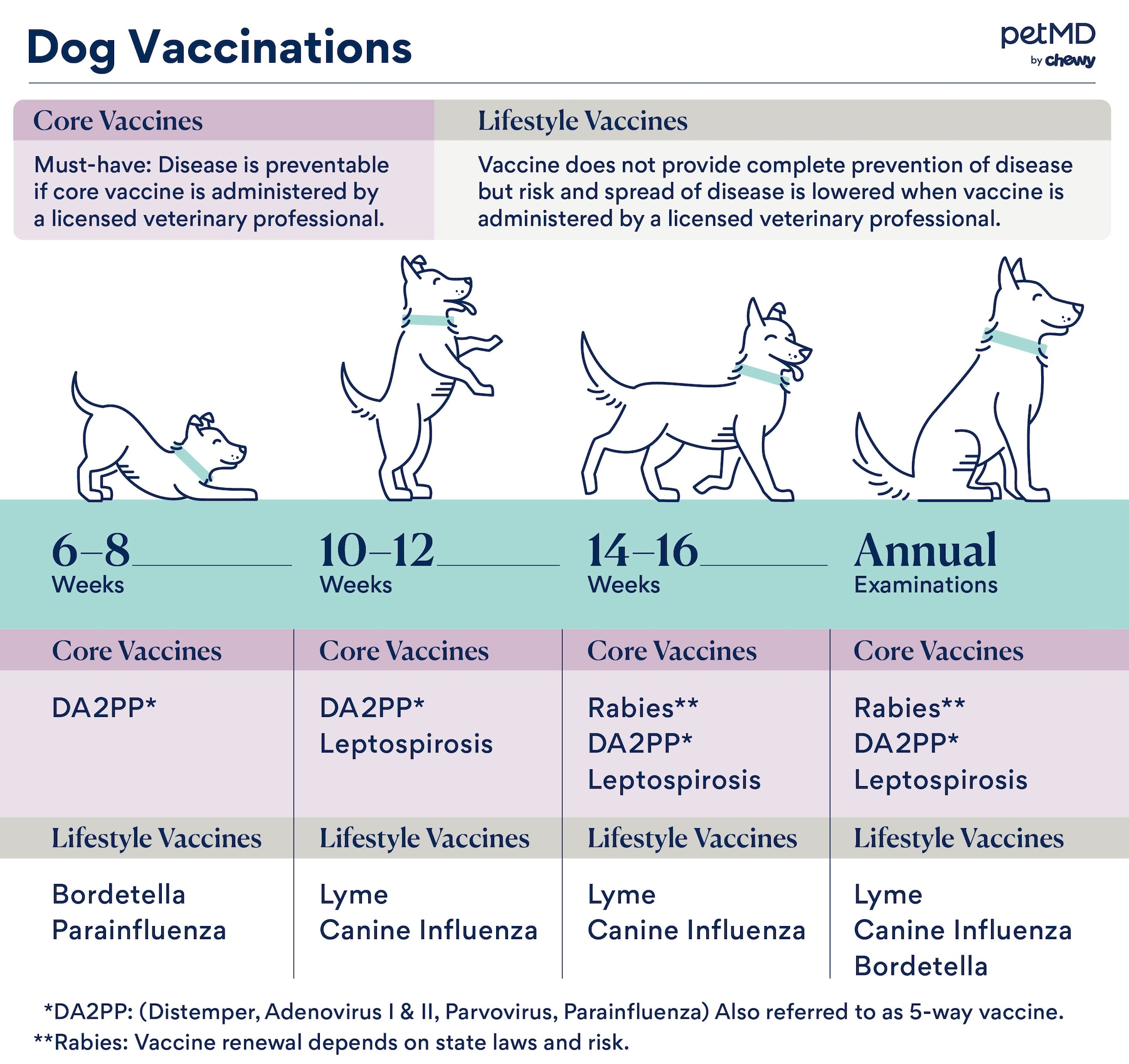
Image Source: image.petmd.com
The Lifesaving Power of Rabies Prevention
Rabies is a terrifying and invariably fatal viral disease that affects the nervous system of mammals, including dogs and humans. Thankfully, it is also highly preventable through vaccination. Keeping your dog up-to-date on their rabies vaccinations is not just a responsible act of pet ownership; it’s a critical component of public health, safeguarding both your furry friend and your community from this ancient and deadly threat. This comprehensive guide will delve into the intricacies of the dog rabies vaccination schedule, exploring how often your dog needs these vital shots and the factors that influence rabies vaccine frequency.
Why Rabies Vaccination is Non-Negotiable
The Centers for Disease Control and Prevention (CDC) emphasizes that rabies remains a significant public health concern globally. While rabies cases in dogs have dramatically decreased in many developed nations thanks to widespread vaccination, the virus still circulates in wildlife populations. This means the risk of transmission to unvaccinated or under-vaccinated pets, and subsequently to humans, is ever-present. A single bite from an infected animal can transmit the virus, and once symptoms appear, there is no cure. This stark reality underscores the paramount importance of consistent rabies prevention for your dog.
Deciphering the Dog Rabies Vaccination Schedule
The puppy rabies vaccination timeline is a crucial starting point. Puppies typically receive their first rabies vaccine between 12 and 16 weeks of age. This initial vaccination is vital for building immunity. However, it’s important to note that this vaccine doesn’t provide lifelong immunity.
Following the initial vaccination, a booster shot is required one year later. This is often referred to as the first rabies booster shot for dogs. This booster is critical for reinforcing the immune system’s response and extending protection.
After the one-year booster, the dog vaccination protocols for rabies become a bit more nuanced. The frequency of subsequent boosters is primarily dictated by two factors:
- The type of rabies vaccine used: Different vaccines have varying durations of immunity.
- State and local rabies vaccination laws for dogs: These laws are the ultimate authority on required vaccination intervals.
How Long Does Dog Rabies Vaccine Last?
The duration of immunity provided by rabies vaccines can vary. Historically, rabies vaccines for dogs were administered annually. However, advancements in veterinary medicine have led to the development of vaccines with longer efficacy periods. Many modern rabies vaccines are approved for a three-year duration of immunity.
This means that after the initial puppy vaccination and the one-year booster, if your veterinarian administers a three-year vaccine, your dog would typically require a booster shot every three years. However, it is crucial to remember that state and local laws dictate the legal requirements for rabies vaccination frequency. Some jurisdictions may still mandate annual vaccinations, even if a three-year vaccine is available and effective. Always consult your veterinarian and familiarize yourself with your local regulations.
State Rabies Vaccination Laws for Dogs: A Patchwork of Requirements
The legal landscape surrounding rabies vaccination for dogs is a complex mosaic. Each state, and often each county or municipality within a state, has its own specific regulations. These laws are designed to protect public health by ensuring a high level of immunity within the dog population.
Key aspects of state rabies vaccination laws often include:
- Minimum age for initial vaccination: Most laws specify a minimum age, typically around 12-16 weeks.
- Requirement for a booster one year after the first vaccination: This is almost universally mandated.
- Interval for subsequent booster vaccinations: This is where the variation is most pronounced, with legal requirements ranging from annual to every three years, depending on the vaccine and jurisdiction.
- Proof of vaccination: Licensed veterinarians are required to provide owners with vaccination certificates, which serve as proof of immunization. These certificates are often required for dog licensing, travel, and in situations involving potential exposure to rabies.
It is your responsibility as a dog owner to know when is rabies vaccine needed for dogs in your specific location. Your veterinarian is an excellent resource for this information, but it’s also wise to check with your local animal control or public health department.
The Annual Rabies Shot for Dogs: A Look at Historical Practices and Current Realities
The concept of an annual rabies shot for dogs was once the standard. For many years, all rabies vaccines were manufactured with a one-year duration of immunity. This led to the widespread practice of annual vaccinations for all dogs.
While three-year vaccines are now widely available and effective, some areas or specific circumstances might still necessitate annual boosters. For example:
- Jurisdictions with strict annual vaccination laws: As mentioned, some areas legally require annual rabies boosters for all dogs.
- Dogs with compromised immune systems: In rare cases, a veterinarian might recommend more frequent vaccinations if a dog’s immune system is compromised, although this is less common for rabies compared to other diseases.
- Vaccine availability: While less common now, there might be situations where only a one-year vaccine is readily available.
It’s important to have an informed discussion with your veterinarian about the best vaccination strategy for your dog, taking into account both scientific recommendations and legal mandates.
When is Rabies Vaccine Needed for Dogs? A Comprehensive Overview
The need for a rabies vaccine for dogs can be broken down into several key scenarios:
- Initial Vaccination for Puppies: As soon as your puppy reaches the recommended age (typically 12-16 weeks), they need their first rabies vaccine.
- Booster Vaccinations: This is where the concept of “when” becomes critical.
- One year after the first dose: This is always required.
- Subsequent boosters: This depends on the vaccine’s duration of immunity and local laws. If you have a three-year vaccine, the next booster is due three years after the one-year booster. If your local law mandates annual boosters, you’ll need one every year, regardless of the vaccine’s labeled duration.
- Travel: If you are traveling with your dog, especially across state lines or internationally, you will almost certainly need proof of current rabies vaccination. Some destinations have very specific requirements, so always check in advance.
- Shelter or Boarding: Many animal shelters, boarding kennels, and doggy daycare facilities require proof of current rabies vaccination for the safety of all animals.
- Adoption or Rehoming: If you are adopting a dog or rehoming a dog, ensuring their rabies vaccination is up-to-date is a crucial part of the transition.
- Potential Exposure: If your dog has been bitten by or had direct contact with an animal suspected of having rabies, prompt veterinary attention and a review of their vaccination status are critical.
Puppy Rabies Vaccination Timeline: A Step-by-Step Approach
Let’s break down the puppy rabies vaccination timeline in a clear, actionable way:
- 12-16 Weeks of Age: First rabies vaccination.
- 1 Year of Age: First rabies booster (one year after the initial vaccination).
- Every 1-3 Years Thereafter: Subsequent rabies boosters, as determined by the type of vaccine used and your local state rabies vaccination laws for dogs.
Example:
- Puppy: Receives rabies vaccine at 14 weeks old.
- 1 Year Old: Receives rabies booster.
- If a 3-year vaccine was used AND your state law allows 3-year boosters: The next booster is due when the dog is 4 years old.
- If a 1-year vaccine was used OR your state law requires annual boosters: The next booster is due when the dog is 2 years old, and then every year thereafter.
Rabies Booster Shot for Dogs: Ensuring Continued Protection
The rabies booster shot for dogs is not just a formality; it’s essential for maintaining adequate protection. Immunity wanes over time, and boosters act as a crucial reminder for the immune system, prompting it to generate a robust response if the dog is exposed to the rabies virus.
Even if your dog is primarily an indoor pet, the risk, though diminished, is not entirely eliminated. Wildlife can enter homes, and even a seemingly minor encounter in your own backyard can pose a threat. Furthermore, if your dog is ever involved in an incident where they bite another animal or person, their vaccination status will be meticulously scrutinized. Being up-to-date with rabies vaccinations can prevent the need for costly and stressful quarantine protocols, or even euthanasia, for your pet.
Rabies Titer Testing for Dogs: An Alternative Approach?
In some contexts, particularly for international travel or in specific regulatory situations, rabies titer testing for dogs might be considered. A rabies titer test measures the level of antibodies against the rabies virus in a dog’s blood. A positive titer indicates that the dog has a sufficient level of immunity.
However, it is crucial to understand that in most domestic situations and for general compliance with state rabies vaccination laws for dogs, titer testing is not a substitute for vaccination. Most jurisdictions require proof of vaccination itself, not a titer test result, to demonstrate compliance. Furthermore, a titer test only indicates the presence of antibodies at a specific point in time; it doesn’t necessarily predict the dog’s ability to mount an effective response to a future exposure. Always consult with your veterinarian and relevant authorities regarding the appropriate use and acceptance of rabies titer testing.
Factors Influencing Rabies Vaccine Frequency
Beyond legal mandates and vaccine type, several other factors can influence the recommended rabies vaccine frequency for your dog:
- Lifestyle and Risk Exposure: While all dogs benefit from rabies vaccination, dogs that spend more time outdoors, live in rural areas with abundant wildlife, or frequently travel to areas where rabies is prevalent might be considered at higher risk. Your veterinarian will factor this into their recommendations.
- Veterinary Recommendations: Your vet will consider the latest scientific data on vaccine efficacy, your dog’s individual health status, and their own professional judgment when advising on a vaccination schedule.
- Age and Health Status: While rabies vaccines are generally very safe, older dogs or dogs with certain pre-existing health conditions might be discussed with your veterinarian to determine the most appropriate vaccination plan.
Keeping Your Dog Safe: Practical Tips
- Maintain a Vaccination Record: Keep all vaccination certificates and veterinary records in a safe place. These are essential for proving your dog’s rabies status.
- Schedule Regular Vet Check-ups: Annual or semi-annual wellness exams are the perfect time to review your dog’s vaccination status and discuss any upcoming booster needs.
- Know Your Local Laws: Make it a priority to understand the specific state rabies vaccination laws for dogs in your area.
- Consult Your Veterinarian: Your vet is your most valuable resource. Don’t hesitate to ask questions about the dog rabies vaccination schedule, vaccine types, and any concerns you might have.
- Use Licensed Veterinarians: Always ensure vaccinations are administered by a licensed veterinarian to guarantee the quality and efficacy of the vaccine and proper record-keeping.
Frequently Asked Questions (FAQ)
Q: Can my dog get rabies from a squirrel or other small wild animal?
A: While squirrels, chipmunks, and other small rodents are not typically carriers of rabies, dogs can still contract rabies from other wild animals like bats, foxes, raccoons, and skunks. It’s always best to prevent your dog from interacting with unfamiliar wildlife.
Q: My dog is strictly indoors. Do they still need a rabies shot?
A: Yes, it is highly recommended. Even indoor dogs can have encounters with wildlife, such as bats that may fly into a house or during rare instances of escape. The risk, while lower, is not zero, and the consequences of contracting rabies are fatal.
Q: What happens if my dog’s rabies vaccination has lapsed?
A: If your dog’s rabies vaccination has lapsed, they may need to be revaccinated immediately, and depending on state laws and the length of the lapse, a quarantine period might be required if they bite someone. Consult your veterinarian immediately to get them back on schedule.
Q: Are there different types of rabies vaccines for dogs?
A: Yes, there are. The main difference typically lies in their duration of immunity, with some vaccines providing protection for one year and others for three years. Your veterinarian will choose the most appropriate vaccine based on availability, local laws, and your dog’s needs.
Q: Can rabies vaccines cause side effects?
A: Like any vaccine, rabies vaccines can cause mild side effects in some dogs, such as soreness at the injection site, mild lethargy, or a slight fever. Severe reactions are rare but possible. Always discuss any concerns with your veterinarian.
Q: Is rabies vaccination mandatory for all dogs?
A: In most states and municipalities, rabies vaccination is legally mandatory for all dogs. This is a public health measure to control the spread of the disease.
By staying informed and working closely with your veterinarian, you can ensure your canine companion remains protected against rabies, contributing to a safer community for everyone.