
Can you prevent dog ears after a tummy tuck? Yes, several strategies can help minimize the risk of developing “dog ears” after abdominoplasty. What are dog ears? These are small, triangular bulges of excess skin and fat that can form at the ends of the incision line after a tummy tuck, resembling the shape of a dog’s ears. They are a common cosmetic concern and a potential outcome of surgical procedures involving tightening skin.
A tummy tuck, or abdominoplasty, is a popular cosmetic surgery designed to remove excess skin and fat from the abdomen and tighten the abdominal muscles. While it can create a flatter, firmer abdomen, certain factors can lead to the development of dog ears, requiring post-tummy tuck revision. This guide will delve into how to prevent these undesirable outcomes and ensure the best possible results from your abdominal scar revision.
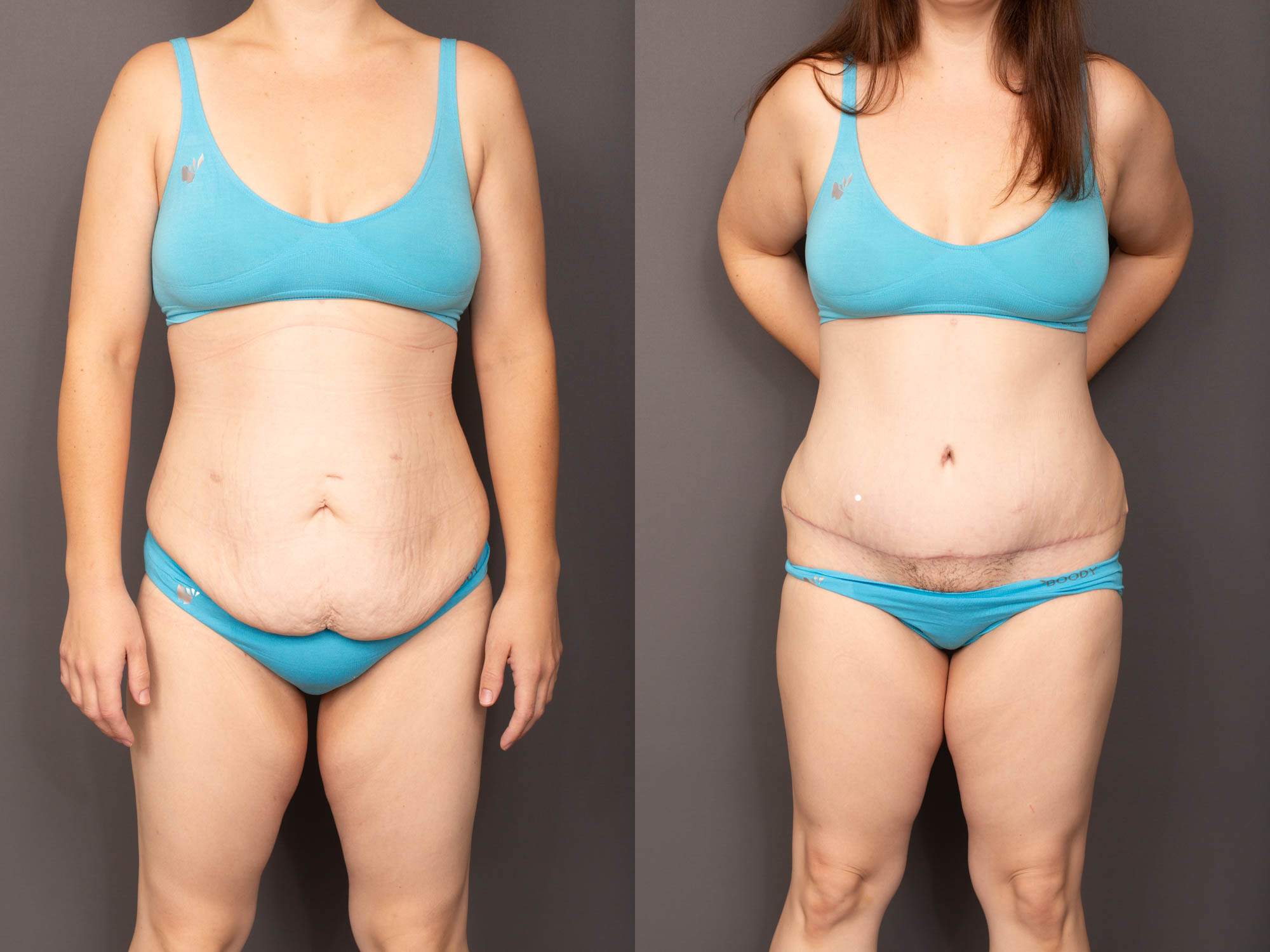
Image Source: drgavinsandercoe.com.au
What Causes Dog Ears After a Tummy Tuck?
Several factors can contribute to the formation of dog ears. Understanding these is crucial for prevention.
Key Factors Contributing to Dog Ears:
- Skin Elasticity: The natural elasticity of your skin plays a significant role. If your skin has lost a lot of elasticity, it may not retract as smoothly after the excess tissue is removed.
- Amount of Excess Skin and Fat: When a large amount of redundant tissue is removed, the surgeon needs to carefully redrape and close the remaining skin. If not managed precisely, this can lead to bunching.
- Surgical Technique: The way the surgeon closes the incision and manages the tissue tension is paramount. Techniques like undermining (lifting the skin flap) and careful suturing help ensure smooth contouring.
- Patient Anatomy: Individual body shape and fat distribution can influence the likelihood of developing dog ears.
- Post-Operative Swelling and Healing: Initial swelling can mask the final contour, and improper healing can lead to scar tissue that contributes to the bulge.
- Weight Fluctuations: Significant weight gain or loss after surgery can impact the results and potentially lead to dog ears.
- Incisional Tension: High tension on the incision line can cause the skin to bunch up at the edges.
Strategies for Preventing Dog Ears
Preventing dog ears starts before surgery and continues through the recovery period. A multi-faceted approach involving careful surgical planning and diligent post-operative care is key to successful wound healing after abdominoplasty and achieving a smooth, contoured abdomen.
Pre-Operative Considerations
The foundation for preventing cosmetic surgery complications like dog ears is laid during the consultation and surgical planning phase.
Choosing the Right Surgeon
- Board Certification: Ensure your surgeon is board-certified in plastic surgery. This signifies they have met rigorous standards of training and expertise.
- Experience with Abdominoplasty: Look for a surgeon with extensive experience performing tummy tucks specifically. Ask to see before-and-after photos of their patients, paying close attention to incision lines and abdominal contour.
- Communication and Trust: You should feel comfortable discussing your concerns and expectations with your surgeon. A good surgeon will clearly explain the risks and benefits, including the possibility of dog ears.
Realistic Expectations and Patient Suitability
- Body Mass Index (BMI): Surgeons often recommend a BMI within a healthy range (typically below 30) for optimal results and reduced surgical risks. Significant obesity can increase the likelihood of complications.
- Smoking: Smokers are advised to quit several weeks before surgery, as smoking impairs wound healing and increases the risk of complications.
- Medical Conditions: Discuss any existing medical conditions and medications with your surgeon. Certain conditions can affect healing.
Intra-Operative Techniques for Minimizing Risk
The surgical techniques employed by your plastic surgeon are the most critical factor in preventing dog ears.
Surgical Approach and Incision Design
- Accurate Marking: Precise marking of the incision line and the areas of excess skin removal is essential. The surgeon will carefully draw the planned excision, ensuring symmetry.
- Symmetry and Curve: A well-designed incision line follows the natural curve of the lower abdomen, aiming for symmetry.
- Appropriate Undermining: The surgeon lifts the skin flap (undermining) to allow for smooth redraping. The extent of undermining is carefully judged to avoid compromising blood supply.
- Tension Management: Techniques are used to distribute tension evenly along the incision line, preventing excessive pull at the edges. This might involve strategic placement of deep sutures.
- Excision of Redundant Tissue: The surgeon meticulously removes redundant tissue, ensuring that the remaining skin can be brought together smoothly without bunching.
Suture Techniques and Closure
- Layered Closure: The incision is typically closed in multiple layers. This supports the tissues and helps distribute tension.
- Deep Sutures: Deeper sutures are often used to anchor the abdominal wall and tighten abdominal skin, contributing to a flatter contour.
- Subcutaneous Sutures: Sutures placed just below the skin help to evert the skin edges, promoting better healing and minimizing scar visibility.
- Skin Closure: The final layer of skin closure is done using fine sutures, staples, or surgical glue to create the least noticeable scar possible.
Post-Operative Care for Optimal Healing
Your commitment to post-operative care is crucial for a successful recovery and preventing complications.
Immediate Post-Operative Period
- Compression Garment: Wearing a medical-grade compression garment is vital. It helps reduce swelling, support the tissues, and promote proper skin adherence, which aids in tightening abdominal skin. Wear it as directed by your surgeon, usually 24/7 for several weeks.
- Drainage Management: Drains are often placed to remove excess fluid and blood. Proper care and timely removal of drains are important for preventing infection and fluid accumulation.
- Activity Restrictions: Follow your surgeon’s instructions regarding activity levels. Avoid strenuous activity, heavy lifting, and movements that put excessive strain on your abdomen. Gentle walking is encouraged to promote circulation and prevent blood clots.
Wound Healing and Surgical Site Care
Proper surgical site care is essential to prevent infection and promote smooth wound healing after abdominoplasty.
- Keeping the Incision Clean and Dry: Follow your surgeon’s instructions for cleaning the incision. Avoid harsh soaps or scrubbing.
- Dressing Changes: If dressings are used, change them as instructed. Ensure the area remains clean and dry.
- Monitoring for Infection: Be vigilant for signs of infection, such as increased redness, warmth, swelling, pus, or fever. Contact your surgeon immediately if you notice any of these symptoms.
- Suture/Staple Removal: Attend all scheduled appointments for suture or staple removal.
Managing Swelling and Promoting Circulation
Swelling is a normal part of healing but can contribute to the appearance of dog ears if not managed effectively.
- Compression Garment: As mentioned, this is your primary tool for managing swelling.
- Elevation: Keeping your upper body slightly elevated when resting can help reduce swelling in the abdomen.
- Gentle Movement: As cleared by your surgeon, gentle walking helps improve circulation, which aids in reducing swelling and promoting healing.
Long-Term Recovery and Scar Management
The journey doesn’t end when the initial healing is complete. Long-term care can further refine results.
- Scar Massage: Once your incisions have fully closed and your surgeon approves, start massaging the scars. This helps to break down scar tissue and improve flexibility, which can prevent puckering and improve the overall appearance of the abdominal scar revision.
- Silicone Sheets or Gels: These can be used to flatten and soften scars, improving their appearance over time.
- Sun Protection: Protect your scars from direct sunlight, as sun exposure can cause them to become more prominent and discolored.
- Maintain a Stable Weight: Avoid significant weight fluctuations. Maintaining a stable weight helps preserve the results of your tummy tuck and reduces the risk of skin laxity returning.
When Dog Ears Persist: Revision Options
Despite best efforts, dog ears can sometimes occur. Fortunately, there are solutions.
Post-Tummy Tuck Revision for Dog Ears
If you develop dog ears, don’t despair. A post-tummy tuck revision can often address the issue.
- Timing of Revision: Your surgeon will typically recommend waiting several months (often 6-12 months) after the initial tummy tuck to allow for full healing and for swelling to subside completely. This ensures the most accurate assessment of the residual contour.
- Surgical Approaches for Correction:
- Local Excision: For minor dog ears, a small surgical procedure might be performed under local anesthesia to carefully excise the excess tissue and re-close the incision. This is a form of dog ear correction.
- Liposuction: If the bulge is primarily due to localized fat deposits, liposuction may be used to remove it.
- Revision Abdominoplasty: In more significant cases, a revision abdominoplasty may be necessary. This involves re-opening the incision, carefully excising the excess skin and fat that forms the dog ear, and re-closing with meticulous tension management. This is a more involved abdominal scar revision.
Factors Influencing Revision Success
- Surgeon’s Skill: The expertise of the surgeon performing the revision is crucial.
- Patient’s Healing: The patient’s ability to heal well post-revision is important.
- Adherence to Post-Op Instructions: Following post-revision care instructions diligently is key.
Frequently Asked Questions
Here are some common questions about preventing dog ears after a tummy tuck.
Q1: Can I do anything during my daily activities to prevent dog ears?
While the primary prevention happens during surgery, maintaining a healthy lifestyle, avoiding significant weight fluctuations, and following your surgeon’s post-operative instructions diligently are crucial. Gentle movement as permitted by your surgeon aids circulation and healing.
Q2: How common are dog ears after a tummy tuck?
Dog ears are a potential cosmetic surgery complication, but they are not inevitable. With skilled surgical technique and good post-operative care, the incidence can be significantly minimized. Many patients achieve excellent results without developing them.
Q3: Will I need a revision if I develop dog ears?
Not always. Sometimes, minor dog ears can improve over several months as swelling fully resolves and tissues settle. However, if they are persistent and bothersome, a revision procedure may be recommended.
Q4: How long does it take for swelling to go down after a tummy tuck?
Significant swelling usually subsides within 6-8 weeks, but residual swelling can persist for up to 6 months or even a year. It’s important to wait for swelling to fully resolve before considering any revision procedures.
Q5: Can exercise help reduce dog ears?
General fitness and maintaining a healthy weight are beneficial for overall results. However, exercise alone cannot eliminate established dog ears that are caused by excess skin or tension at the incision. Surgical correction is typically required.
Conclusion
Preventing dog ears after a tummy tuck is a collaborative effort between patient and surgeon. By choosing a qualified and experienced plastic surgeon, openly discussing expectations, and diligently following pre- and post-operative instructions, you can significantly reduce the risk of this cosmetic concern. A focus on proper surgical technique for removing redundant tissue, careful wound healing after abdominoplasty, and consistent surgical site care are paramount. Should dog ears still develop, various options for dog ear correction and abdominal scar revision are available to help you achieve the smooth, contoured abdomen you desire. Remember, patience and adherence to your surgeon’s guidance are key throughout the entire process of tightening abdominal skin and achieving your aesthetic goals.