
Choosing the right size for your dog’s house is crucial for their comfort, safety, and overall well-being. What is the ideal dog house size? The ideal dog house size should allow your dog to stand up, turn around comfortably, and lie down fully stretched out, without being so large that it’s difficult to warm with body heat.
Getting the dog house dimensions right is one of the most important decisions you’ll make when setting up a comfortable and safe space for your canine companion, whether it’s an outdoor dog house sizing project or an indoor dog house size consideration. A properly sized canine shelter size ensures your dog has enough room to move, rest, and feel secure, while an improperly sized one can lead to discomfort, anxiety, or even health issues. This comprehensive dog house sizing guide will help you decipher the complexities and make the best choice for your furry friend.
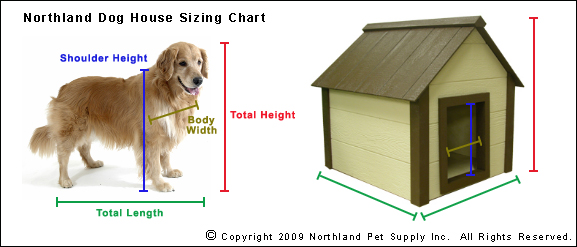
Image Source: www.classypetshop.com
The Importance of Proper Canine Shelter Size
A dog’s house is more than just a place to sleep; it’s their personal sanctuary, a safe haven where they can retreat from the elements, stress, or simply enjoy some quiet time. The appropriate dog house measurements directly impact how well your dog utilizes this space.
- Comfort: A dog needs to be able to stand up without their head touching the roof, turn around easily, and lie down in any position, including fully stretched out. Too small, and they’ll feel cramped and restricted. Too large, and it can be difficult for them to retain body heat, especially in colder climates.
- Security: A space that feels just right can boost a dog’s sense of security. A well-fitting den-like environment can reduce anxiety and provide a sense of control.
- Hygiene: A dog that has enough room is less likely to soil their living space. Proper pet house dimensions contribute to a cleaner environment.
- Temperature Regulation: This is a critical factor. A dog’s body generates heat. A house that is too large will make it harder for them to warm it up with their own body heat, leading to chills in winter. Conversely, a house that is too small and poorly ventilated can become a hot box in summer.
Key Factors in Determining Dog House Size
Several factors come into play when deciding on the kennel size for dogs or a dog house. It’s not a one-size-fits-all answer.
1. Your Dog’s Breed and Size
This is the most obvious factor. A Great Dane will obviously need a much larger house than a Chihuahua. Even within the same breed, there can be size variations.
Dog House for Large Breeds
For larger breeds like German Shepherds, Golden Retrievers, or Labrador Retrievers, you’ll need to focus on ample interior space.
- Height: The house should be at least as tall as your dog is from nose to tail when standing on all fours, plus a few inches for head clearance. Measure your dog from the tip of their nose to the base of their tail. Add about 6-12 inches to this measurement for the internal height.
- Length: The length should be enough for your dog to lie down fully stretched out, plus a few inches for movement. Measure your dog from the tip of their nose to the base of their tail while lying down. Add about 6-12 inches to this measurement for the internal length.
- Width: The width should allow your dog to turn around comfortably. Measure your dog from their nose to the base of their tail while standing, and ensure the width is at least this measurement, plus a few extra inches.
Dog House for Small Dogs
For smaller breeds like Pugs, Dachshunds, or Yorkshire Terriers, the principles are the same, but the dimensions will be significantly smaller.
- Height: Measure your small dog from their paws to the top of their head when standing. Add 4-6 inches.
- Length: Measure your dog from nose to tail while stretched out. Add 4-6 inches.
- Width: Ensure they can turn around easily. Measure from nose to tail while standing and add a few inches.
2. Your Dog’s Sleeping Habits
Does your dog like to stretch out completely when they sleep, or do they prefer to curl into a tight ball?
- Curlers: If your dog is a curler, you might be able to get away with a slightly smaller house. However, they still need room to stretch out occasionally.
- Stretchers: If your dog loves to sprawl, you’ll definitely need to err on the side of larger dog house dimensions.
3. Climate and Location
The environment where the dog house will be placed is a significant consideration.
Outdoor Dog House Sizing Considerations
- Cold Climates: In colder regions, a slightly snugger fit can be beneficial. This allows the dog’s body heat to warm the space more effectively. Features like an offset doorway (not directly in the center) and an insulated floor can further improve warmth. A raised floor also helps prevent heat loss to the ground and keeps the interior drier.
- Hot Climates: In warmer regions, you want to ensure good ventilation. A slightly larger house with cross-ventilation (e.g., two openings, or vents) can help dissipate heat. The entrance should ideally face away from the prevailing wind and direct sun. The color of the house also matters; lighter colors absorb less heat.
Indoor Dog House Size Considerations
For an indoor dog house, the primary concern is often fitting it into your living space while providing your dog with a comfortable den. While insulation isn’t as critical, the same principles of comfortable movement apply. You might consider a dog house for small dogs that doubles as a piece of furniture, like an end table, if space is limited.
4. Type of Material and Insulation
The materials used in the dog house can affect its thermal properties.
- Wood: Wood is a natural insulator and a popular choice for outdoor dog houses. The thickness of the wood matters.
- Plastic: Plastic houses can be good for keeping out moisture but can get very hot in direct sun if not properly ventilated.
- Insulation: If you live in a climate with extreme temperatures, consider an insulated dog house or adding insulation yourself. This is especially important for an outdoor dog house sizing project in winter.
Measuring Your Dog for the Right Fit
Accurate measurements are key to selecting the perfect canine shelter size. Here’s a simple step-by-step guide:
Step 1: Measure Length
Have your dog stand comfortably. Measure from the tip of their nose to the base of their tail.
Step 2: Measure Height
While your dog is standing, measure from the top of their head to the floor.
Step 3: Measure Width
Measure your dog from nose to tail while they are lying down, stretched out.
Step 4: Add Inches for Movement
- For Length: Add 6-12 inches to your dog’s stretched-out lying length. This allows them to shift positions.
- For Height: Add 6-12 inches to your dog’s standing height. This allows them to stand and move freely without hitting their head. For very small dogs, 4-6 inches might suffice.
- For Width: The width should be at least your dog’s stretched-out lying length plus a few inches, or enough for them to comfortably turn around.
Example Measurement Calculations
Let’s take a medium-sized dog, say a Beagle, as an example.
- Beagle Length (standing, nose to tail): Approximately 30 inches.
- Beagle Height (standing, top of head to floor): Approximately 16 inches.
- Beagle Length (lying down, stretched): Approximately 35 inches.
Based on these measurements and adding the recommended inches:
- Ideal Internal Length: 35 inches + 6-12 inches = 41-47 inches.
- Ideal Internal Height: 16 inches + 6-12 inches = 22-28 inches.
- Ideal Internal Width: 30 inches + 6-12 inches = 36-42 inches (ensure they can turn easily).
For a dog house for small dogs like a Pug:
- Pug Length (standing, nose to tail): Approximately 20 inches.
- Pug Height (standing, top of head to floor): Approximately 12 inches.
- Pug Length (lying down, stretched): Approximately 25 inches.
Applying the smaller range for small dogs:
- Ideal Internal Length: 25 inches + 4-6 inches = 29-31 inches.
- Ideal Internal Height: 12 inches + 4-6 inches = 16-18 inches.
- Ideal Internal Width: 20 inches + 4-6 inches = 24-26 inches.
For a dog house for large breeds like a Standard Poodle:
- Standard Poodle Length (standing, nose to tail): Approximately 45 inches.
- Standard Poodle Height (standing, top of head to floor): Approximately 25 inches.
- Standard Poodle Length (lying down, stretched): Approximately 40 inches.
Applying the larger range for large breeds:
- Ideal Internal Length: 40 inches + 8-12 inches = 48-52 inches.
- Ideal Internal Height: 25 inches + 8-12 inches = 33-37 inches.
- Ideal Internal Width: 45 inches + 8-12 inches = 53-57 inches.
It’s also useful to think about door placement. An offset door is often better than a centrally placed one, as it creates a more enclosed “den” area, offering better protection from wind and rain.
Considering the Doorway
The entrance to the dog house is as important as the internal dimensions.
- Size: The doorway should be large enough for your dog to enter and exit easily without bending or scraping. Generally, the height of the opening should be about three-quarters of your dog’s shoulder height, and the width should be about two-thirds of their chest width.
- Height: Ensure the bottom of the doorway is raised a few inches off the ground to prevent rain and snow from entering.
- Placement: As mentioned, an offset door provides better protection from the elements and can help retain warmth.
Tables for Quick Reference
To make things easier, here are some general guidelines in table format. Remember to always measure your specific dog for the most accurate appropriate dog house measurements.
General Dog House Sizing Guide (Internal Dimensions)
| Dog Size | Ideal Length (inches) | Ideal Width (inches) | Ideal Height (inches) |
|---|---|---|---|
| Toy Breeds | 18-24 | 14-18 | 16-20 |
| Small Breeds | 24-30 | 18-24 | 20-24 |
| Medium Breeds | 30-36 | 24-30 | 24-30 |
| Large Breeds | 36-42 | 30-36 | 30-36 |
| Giant Breeds | 48+ | 36+ | 36+ |
Note: These are approximate internal measurements. Always add 6-12 inches (or 4-6 inches for small breeds) to your dog’s measurements for comfortable movement.
Example Dog Breeds and Recommended House Sizes
| Dog Breed | Approximate Height (in) | Approximate Length (in) | Recommended Internal Length (in) | Recommended Internal Width (in) | Recommended Internal Height (in) |
|---|---|---|---|---|---|
| Chihuahua | 6-10 | 14-18 | 22-30 | 18-24 | 16-22 |
| Beagle | 13-16 | 28-30 | 34-42 | 24-30 | 22-34 |
| Labrador | 21.5-24.5 | 35-38 | 41-50 | 30-36 | 30-40 |
| German Shepherd | 22-26 | 38-42 | 44-54 | 32-38 | 32-44 |
| Great Dane | 28-32 | 45-50 | 53-62 | 38-44 | 40-50 |
Additional Features to Consider
Beyond the basic dimensions, other features can enhance your dog’s comfort and the functionality of the dog house.
- Sloped Roof: Helps water run off, keeping the interior dry.
- Ventilation: Crucial for air circulation, especially in warmer climates or if the house is well-insulated. Vents near the roofline are ideal.
- Raised Floor: Keeps the house off the cold, damp ground and helps prevent drafts.
- Insulation: For colder regions, consider houses with double walls and insulation.
- Removable Roof or Panel: Makes cleaning much easier.
When Bigger Might Be Better (with caveats)
While it’s important not to have a house that’s too large, sometimes a slightly more spacious house can be beneficial, especially if you live in a very cold climate and plan to use bedding.
- Bedding: If your dog will have a thick layer of straw or blankets for warmth, this will take up internal space. You might need to account for this by selecting a slightly larger dog house for large breeds or dog house for small dogs if they are heavy sleepers with bedding.
- Multiple Dogs: If you intend for multiple dogs to share a house, you’ll need to significantly increase the dimensions to accommodate all of them comfortably. Ensure each dog has enough room to lie down and turn around.
Common Mistakes to Avoid
- Buying a house that’s too small: This is the most common and detrimental mistake.
- Buying a house that’s excessively large: This can make it difficult for your dog to stay warm in winter.
- Ignoring the doorway size and placement: A difficult entrance can deter your dog from using the house.
- Not considering the climate: A house perfect for a warm climate might be insufficient for a cold one.
- Forgetting to measure your dog: Relying on breed averages can be inaccurate.
Frequently Asked Questions (FAQ)
Q1: How much bigger should a dog house be than my dog?
A1: The dog house should be about 6-12 inches longer, wider, and taller than your dog when they are standing and stretched out. For small dogs, 4-6 inches might be sufficient. The key is that they can stand, turn around, and lie down comfortably, but not so large that they can’t retain body heat.
Q2: Can I use an indoor dog house outdoors?
A2: Generally, no. Indoor dog houses are usually made with lighter materials and are not designed to withstand weather conditions like rain, snow, or extreme temperatures. They may also lack proper insulation and ventilation for outdoor use.
Q3: My dog likes to chew. What material is best for a dog house?
A3: If your dog is a chewer, opt for sturdy, non-toxic wood. Ensure there are no loose parts or splinters. Some owners opt for a chew-proof metal frame with wooden or composite panels, but this can be expensive and may require more insulation. Always supervise your dog with any new structure.
Q4: How do I introduce my dog to their new house?
A4: Make the dog house a positive place. Place familiar bedding and toys inside. Offer treats and praise when they go near or inside. Never force them into it. You can also try feeding them their meals near or inside the house.
Q5: What’s the difference between a dog house and a kennel?
A5: A dog house is typically a more permanent, enclosed structure designed for sleeping and shelter, often with a sloped roof and solid walls. A kennel (or crate) is often a portable enclosure, sometimes made of wire or plastic, primarily used for training, travel, or confinement. The kennel size for dogs follows similar principles of allowing comfortable movement.
Q6: Should the dog house be elevated?
A6: Yes, elevating the dog house a few inches off the ground is highly recommended. This protects the floor from moisture, prevents heat loss to the ground in winter, and discourages pests from nesting underneath.
Q7: How do I clean a dog house?
A7: Ideally, the dog house should have a removable roof or side panel for easy access. Remove all bedding, sweep out loose debris, and then wash the interior with a mild disinfectant and water. Allow it to dry completely before replacing bedding. Regular cleaning prevents odors and the buildup of parasites.
By carefully considering these factors and taking accurate measurements of your dog, you can select or build a dog house that provides the perfect sanctuary for your beloved pet, ensuring their comfort and well-being in all seasons.