
Can I introduce a new dog to a reactive dog? Yes, you absolutely can, but it requires patience, planning, and a commitment to a safe introduction and gradual introduction process. Introducing a new canine companion into a household with a dog exhibiting reactivity can be challenging, but with the right approach, it’s possible to foster a harmonious living situation. This guide will walk you through the steps, focusing on creating a controlled environment, observing body language, employing positive reinforcement, and utilizing key techniques like desensitization, counter-conditioning, parallel walking, scent swapping, and muzzle training.
Image Source: images.squarespace-cdn.com
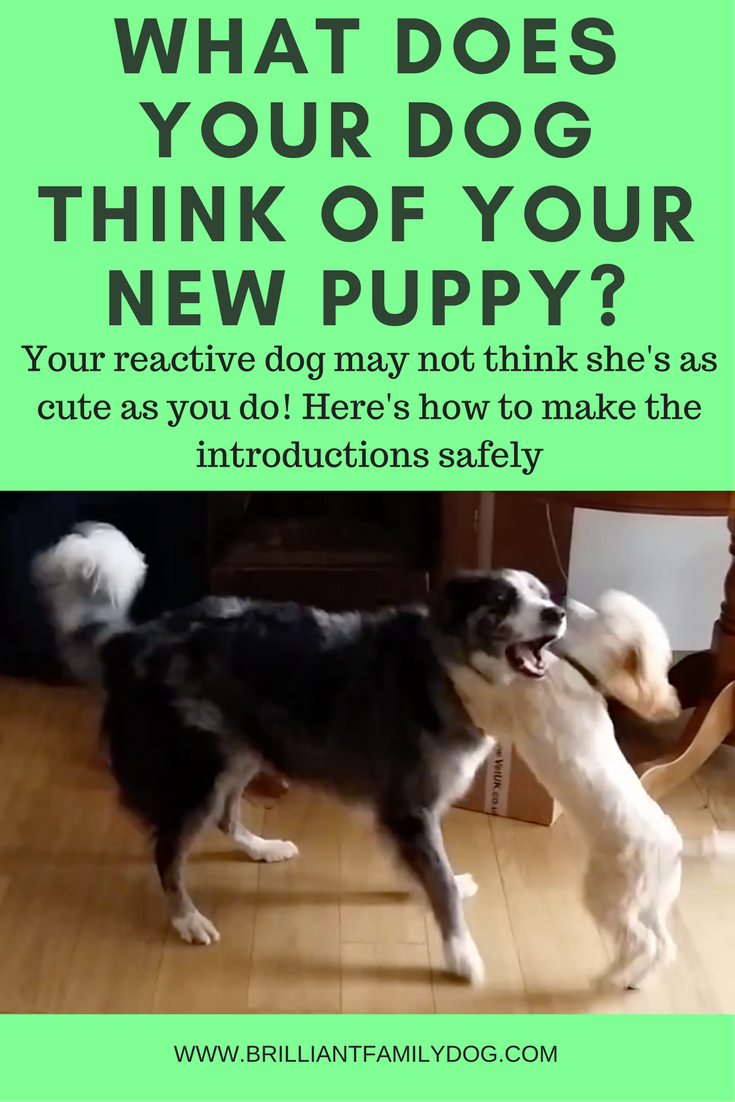
Why a Gradual Approach is Crucial
Introducing dogs, especially when one is reactive, isn’t a race. Rushing the process is the quickest way to trigger your reactive dog’s stress responses. Reactivity can stem from fear, anxiety, frustration, or even territorial instincts. For a reactive dog, a new dog can be an overwhelming stimulus. A sudden, direct encounter can overload their senses, leading to barking, lunging, growling, or even attempts to escape. This reinforces the negative association with new dogs, making future introductions even harder.
A gradual introduction allows both dogs to adjust at their own pace. It focuses on creating positive experiences, building trust, and ensuring your reactive dog feels safe and secure. This approach prioritizes the well-being of your existing dog and sets the foundation for a successful relationship with the newcomer.
Preparing for the New Arrival
Before the new dog even sets foot in your home, thorough preparation is essential. This includes both mental and physical preparations for your resident reactive dog, as well as setting up your home to minimize initial stress.
Setting the Stage: Home Environment
Your home is your reactive dog’s sanctuary. You want to maintain that feeling of safety even with a new dog present.
Designated Safe Spaces
- Separate Retreats: Ensure each dog has their own safe space, such as a crate, a dog bed in a quiet corner, or a separate room. This gives them an option to retreat and feel secure away from the other dog.
- Limited Access Initially: The new dog should not have free roam of the entire house immediately. Start with supervised access to specific areas.
Resource Management
- Food and Water Bowls: Keep food and water bowls separate to avoid any competition or guarding behaviors.
- Toys and Chews: Provide ample toys and chews for both dogs, but supervise their use together to prevent resource guarding. Consider giving them their own special, high-value chews in their separate safe spaces.
- High-Value Treats: Stock up on highly desirable treats. These will be crucial for positive reinforcement during introductions. Think small pieces of cooked chicken, cheese, or specialized training treats.
Mental Preparation for Your Reactive Dog
Your reactive dog is already navigating a world that can be overwhelming. Introducing a new dog adds another layer of complexity.
Reinforce Existing Training
- Basic Obedience: Ensure your reactive dog has a solid grasp of basic commands like “sit,” “stay,” “come,” and “leave it.” These commands provide structure and allow you to manage them effectively during introductions.
- “Look At That” Game: This is a fantastic desensitization technique. When your reactive dog sees another dog (from a safe distance where they don’t react), mark the sight with a treat. The goal is to change their emotional response from anxiety to anticipation of a treat when they see another dog.
Consult a Professional
- Behaviorist or Trainer: If your dog’s reactivity is severe or you’re feeling overwhelmed, consult a certified professional dog trainer or veterinary behaviorist. They can provide personalized guidance and help you develop a tailored introduction plan.
Preparing the New Dog
The newcomer also needs to be prepared for their new environment and any potential challenges.
- Veterinary Check-up: Ensure the new dog is up-to-date on vaccinations and parasite control. A healthy dog is generally a happier and less stressed dog.
- Behavioral Assessment: If you’re adopting, try to get as much information as possible about the new dog’s temperament, history, and any known triggers or past experiences with other dogs.
- House Training: If the new dog is not yet fully house-trained, this adds another layer of management.
The Gradual Introduction Process: Step-by-Step
The introduction process should be meticulously planned and executed in stages, always prioritizing safety and positive experiences. The overarching goal is desensitization and counter-conditioning, gradually changing your reactive dog’s emotional response to the presence of the new dog.
Phase 1: Scent Swapping and Parallel Environments
This is the very first step, and it happens before the dogs ever see each other. The aim is to allow them to become familiar with each other’s scent in a non-threatening way.
Scent Swapping
- Bedding and Blankets: Gently rub a blanket or bedding on one dog and then place it in the other dog’s crate or resting area. Do the same in reverse.
- Chew Toys: Exchange high-value chew toys that each dog has chewed on.
- Observation: Observe your dogs’ reactions to the new scents. Are they curious? Are they stressed? If your reactive dog shows signs of excessive anxiety (pacing, panting, lip licking), reduce the duration or frequency of the swaps.
Parallel Environments (On Leash, In Separate Rooms/Yards)
This is where the dogs begin to share the same space but without direct interaction.
- Separate Rooms: Have the dogs in separate rooms of the house, perhaps with a baby gate or closed door between them. Allow them to hear and smell each other.
- Controlled Yard Time: If you have a securely fenced yard, allow them to be in the yard at the same time but with a physical barrier (like a fence or a solid visual barrier). This allows them to be in the same general area without direct confrontation.
Key Objectives for Phase 1:
- Low Arousal: Keep the energy low. Avoid exciting games or boisterous interactions during this phase.
- Positive Association: Pair the presence of the other dog’s scent or sounds with good things, like tasty treats or a calm petting session.
Phase 2: Controlled Visual Introductions (Outside the Home)
Once both dogs seem calm and curious about each other’s scents, it’s time for controlled visual introductions. These should ideally happen in a neutral territory, not in your home, as your home can be a trigger for territorial behavior in your reactive dog.
Parallel Walking
This is one of the most effective techniques for initial introductions.
- Location: Choose a quiet park, an empty parking lot, or a quiet street where you’re unlikely to encounter other dogs or people.
- Distance: Start with a significant distance between the dogs, perhaps 50-100 feet apart, with each dog on a leash and accompanied by a handler.
- Direction: Walk them parallel to each other. The goal is for them to see each other but not feel pressured to interact.
- Reinforcement: As long as both dogs are calm and not showing signs of stress (lunging, barking, rigid body), reward them with treats and praise. If one dog looks at the other and then looks away calmly, that’s a perfect moment for a treat.
- Gradual Closure: Over multiple sessions, you can gradually decrease the distance between the dogs, only if they remain calm and comfortable. If either dog shows signs of stress, increase the distance again.
When to Increase Distance:
- Stiffening of the body
- Whale eye (showing the whites of their eyes)
- Lip licking (when not eating)
- Yawning (when not tired)
- Tense muzzle
- Staring intently at the other dog
- Low growling or whining
- Hard barking
- Lunging or pulling on the leash
Table 1: Parallel Walking Session Progression
| Session | Distance | Duration | Handler Focus | Dog Behavior Goal |
|---|---|---|---|---|
| 1-3 | 50-100 feet | 10-15 minutes | Observe dogs, reward calmness, manage leashes | Calm awareness, looking away, no reaction |
| 4-6 | 30-50 feet | 15-20 minutes | Reward calm behavior, anticipate stress cues | Comfortable co-existence, neutral body language |
| 7+ | Gradually decreasing | 20-25 minutes | Continue rewarding, gradually increasing duration | Relaxed posture, occasional glances |
Structured “Meet and Greet” on Leash
If parallel walking goes well, you might progress to short, structured on-leash greetings.
- Neutral Territory: Still in a neutral location.
- Side-by-Side (briefly): Have handlers stand side-by-side with the dogs, keeping a small but manageable distance between them.
- Short Duration: This should only last for a few seconds initially.
- Positive Reinforcement: Immediately reward with high-value treats for any calm behavior.
- Break: End the interaction while they are still calm, before either dog becomes overwhelmed.
What is a “controlled environment”? A controlled environment for dog introductions means creating a situation where you can dictate the terms, manage distances, minimize unexpected stimuli, and intervene if necessary. This prevents your reactive dog from being put in a situation where they feel they have to react.
Phase 3: Controlled Home Introductions
This phase is where the dogs begin to share your home, but with strict management and supervision.
Staggered Entry
- New Dog Enters: Have the new dog enter the home while your reactive dog is in their crate or a separate room, perhaps with a high-value chew to keep them occupied.
- Scent Exploration: Allow the new dog to explore the main living area while your reactive dog is secured.
- Leashed Introduction (Brief): Once the new dog has settled, bring your reactive dog out on a leash.
- Short & Sweet: Keep the initial in-house greetings very brief (seconds) and supervised. Focus on calm behavior and reward heavily.
Supervised Co-habitation
- Leash Management: Initially, keep both dogs on leash when they are in the same room together. This allows you to quickly create distance if needed and prevents chasing or mounting behaviors.
- Baby Gates: Use baby gates to create visual barriers and allow dogs to see each other without direct contact for longer periods.
- Alternate Times: Feed them at different times or in different rooms. Give them separate enrichment activities.
- “Pack Walks” (with care): Once they seem comfortable in each other’s presence, you might consider taking them for walks together, still on leash, but side-by-side or following each other.
What is “body language” in dogs? Body language refers to the non-verbal signals dogs use to communicate their feelings, intentions, and emotional state. This includes their posture, tail wags, ear position, facial expressions, and vocalizations. Reading and interpreting these signals is vital for successful introductions.
Phase 4: Increasing Freedom and Interaction
This is the final stage, where you gradually allow more freedom and unsupervised time as confidence and comfort grow between the dogs.
- Gradual Off-Leash Time: Only allow off-leash time in a secure area when you are confident they are relaxed and comfortable around each other.
- Supervised Play: Observe their play. Is it mutual and joyful, or is one dog being overly bossy or anxious?
- Continuing Reinforcement: Continue to reward calm and positive interactions.
What is “positive reinforcement”? Positive reinforcement is a training method where you reward desired behaviors with something the dog finds pleasant (like treats, praise, or toys). This strengthens the association between the behavior and the reward, making the behavior more likely to occur again. It’s about building positive associations with the presence of the other dog.
Key Techniques for Success
Beyond the staged introductions, several specific techniques will be your allies in this process.
Desensitization and Counter-Conditioning
These are the cornerstones of modifying a reactive dog’s emotional response.
- Desensitization: Gradually exposing your dog to a trigger (the new dog) at a level that does not elicit a reaction. You start at a distance where your dog is comfortable and slowly decrease the distance over time.
- Counter-Conditioning: Changing your dog’s emotional response to a trigger from negative to positive. This is achieved by pairing the presence of the trigger with something highly rewarding. For example, the sight of the new dog at a safe distance predicts delicious treats.
How it works together: You desensitize your reactive dog by keeping them below their reaction threshold, and you counter-condition their response by pairing the sight of the new dog with something they love.
Scent Swapping (Revisited)
As mentioned earlier, scent swapping is a crucial early step. It continues to be valuable throughout the process.
- Items to Swap: Use items like their beds, favorite blankets, or even used toys.
- Routine: Make it a regular part of your routine to swap scents between dogs.
- Observe Reactions: Pay close attention to how your reactive dog reacts to the other dog’s scent. If they are overly anxious, revert to a longer distance or less intense scent exposure.
Muzzle Training
For many reactive dogs, a muzzle can be an essential tool for safety and for facilitating successful introductions.
- What is “muzzle training”? Muzzle training is the process of teaching a dog to comfortably wear a muzzle. It’s not about punishment; it’s about safety and management.
- Why Muzzle Train? A muzzle prevents a dog from biting if they become overwhelmed, which can save them from getting into trouble and you from dealing with a bite incident. It also allows you to manage introductions more confidently, knowing that a reaction won’t lead to harm.
- How to Muzzle Train:
- Positive Association: Start by associating the muzzle with good things. Smear peanut butter or cream cheese inside the muzzle and let the dog lick it out, not wearing the muzzle yet.
- Short Durations: Place the muzzle on for a second or two, immediately reward, and then remove it.
- Gradual Increase: Slowly increase the duration the muzzle is worn, always rewarding.
- Mealtime: You can also practice by putting the muzzle on during meal times, as long as the muzzle allows them to eat comfortably.
- Comfort is Key: Ensure the muzzle fits properly and is comfortable for the dog. It should allow them to pant and drink water if possible.
Important Note: A muzzle is a management tool, not a solution to reactivity. It should always be used in conjunction with behavior modification techniques.
Troubleshooting Common Challenges
Even with careful planning, challenges can arise. Here’s how to address them.
Signs of Stress in Dogs
Recognizing early signs of stress is paramount.
- Subtle Signs: Lip licking, yawning, panting (when not hot or exercising), whale eye, tucked tail, ears back, raised hackles.
- Moderate Signs: Stiff body, low growl, stiff tail wag, moving away, avoiding eye contact.
- Severe Signs: Lunging, barking, snapping, biting, attempts to flee.
What to Do if a Dog Reacts
If your reactive dog shows signs of stress or outright reactivity:
- Create Distance: Immediately and calmly increase the distance between the dogs.
- Redirect: Use a high-value treat or a favorite toy to redirect your reactive dog’s attention away from the trigger.
- End the Session: If the reaction is significant, calmly end the interaction or the entire session. Do not push your dog further.
- Reassess: Review what might have triggered the reaction and adjust your next introduction session accordingly (e.g., start at a greater distance, shorten the duration, or provide more management tools).
Resource Guarding
If either dog guards resources (food, toys, space), this needs to be addressed separately and before or during introductions.
- Management: Prevent access to resources when dogs are together until guarding behavior is resolved.
- Training: Work with a professional to address resource guarding using counter-conditioning and desensitization specific to guarding.
Unwanted Play Behavior
Sometimes, a new dog may be too boisterous or persistent, overwhelming the reactive dog.
- Intervention: If the new dog is pestering your reactive dog, interrupt the behavior with a calm verbal cue or a gentle leash correction to create space.
- Management: Separate them and provide individual enrichment.
Long-Term Co-habitation
Once the initial introduction phases are successful, the goal is peaceful co-existence.
Maintaining a Calm Environment
- Routine: Dogs thrive on routine. Consistent feeding times, exercise, and training sessions help reduce anxiety for both dogs.
- Individual Attention: Ensure each dog still gets dedicated one-on-one time with you. This reinforces their bond with you and prevents any feelings of being replaced or ignored.
- Continued Training: Keep reinforcing good behavior and practicing basic obedience.
Play and Socialization
- Supervised Play: Continue to supervise play, especially in the early months.
- Outings: Plan structured outings together to reinforce positive associations.
- Dog Parks: Be very cautious about dog parks. If your dog is reactive, a dog park is generally not a suitable environment. Supervised playdates with known, well-behaved dogs in a neutral, fenced area might be a better alternative.
Frequently Asked Questions (FAQ)
How long does it take to introduce a new dog to a reactive dog?
There’s no set timeline, as it varies greatly depending on the individual dogs, the severity of the reactivity, and the consistency of your training. It can take anywhere from a few weeks to several months, or even longer. Patience is key; focus on making each step positive and successful, rather than rushing the process.
Can I just let them figure it out on their own?
No, this is highly discouraged, especially with a reactive dog. Letting dogs “figure it out” without guidance can lead to negative experiences, reinforcement of reactive behaviors, and potential injuries. A structured, gradual introduction managed by you is essential for safety and success.
My reactive dog is fine with the new dog in the house, but barks at them outside. What should I do?
This indicates that the “outside” environment is a trigger. Revert to parallel walking in neutral territories. Increase the distance, focus on positive reinforcement for calm behavior when the new dog is visible, and gradually decrease the distance only when your dog is comfortable. Avoid allowing unsupervised interactions outside until they are consistently calm.
What if my reactive dog is still fearful of the new dog after weeks of introductions?
If fear persists, you may need to slow down the process even further or consult a veterinary behaviorist. The fear might be deeply rooted, and professional help can be invaluable. It’s also possible that the dogs may never be best friends, and the goal might shift to peaceful co-existence, where they can share a home without stress or conflict.
Is it okay for my reactive dog to growl at the new dog?
A mild, short-lived growl might be an acceptable warning to the new dog to back off or respect personal space. However, if the growling is persistent, escalating, or accompanied by other stress signals, it indicates your reactive dog is uncomfortable and needs more space or the introduction needs to be paused. You should aim for calm behavior, not just the absence of severe aggression.
Introducing a new dog to a reactive dog is a marathon, not a sprint. By committing to a safe introduction, employing positive reinforcement, and patiently working through each stage with desensitization and counter-conditioning, you significantly increase the chances of a harmonious household. Remember to always prioritize your reactive dog’s well-being and adjust your plan as needed.