
Can you get a service dog in Arkansas? Yes, individuals with disabilities in Arkansas can obtain a service dog to assist them with tasks related to their disability. This comprehensive guide will walk you through the process, covering everything from understanding your rights to finding and training a canine partner. We will delve into Arkansas service dog laws, the process of service dog registration Arkansas, how to go about finding a service dog trainer Arkansas, obtaining a service dog for disability Arkansas, the general requirements for service dogs Arkansas, the specifics of psychiatric service dogs Arkansas, the crucial difference between emotional support animals vs service dogs Arkansas, options for service dog adoption Arkansas, and where to find reputable service dog organizations Arkansas for legitimate ways to get a service dog Arkansas.
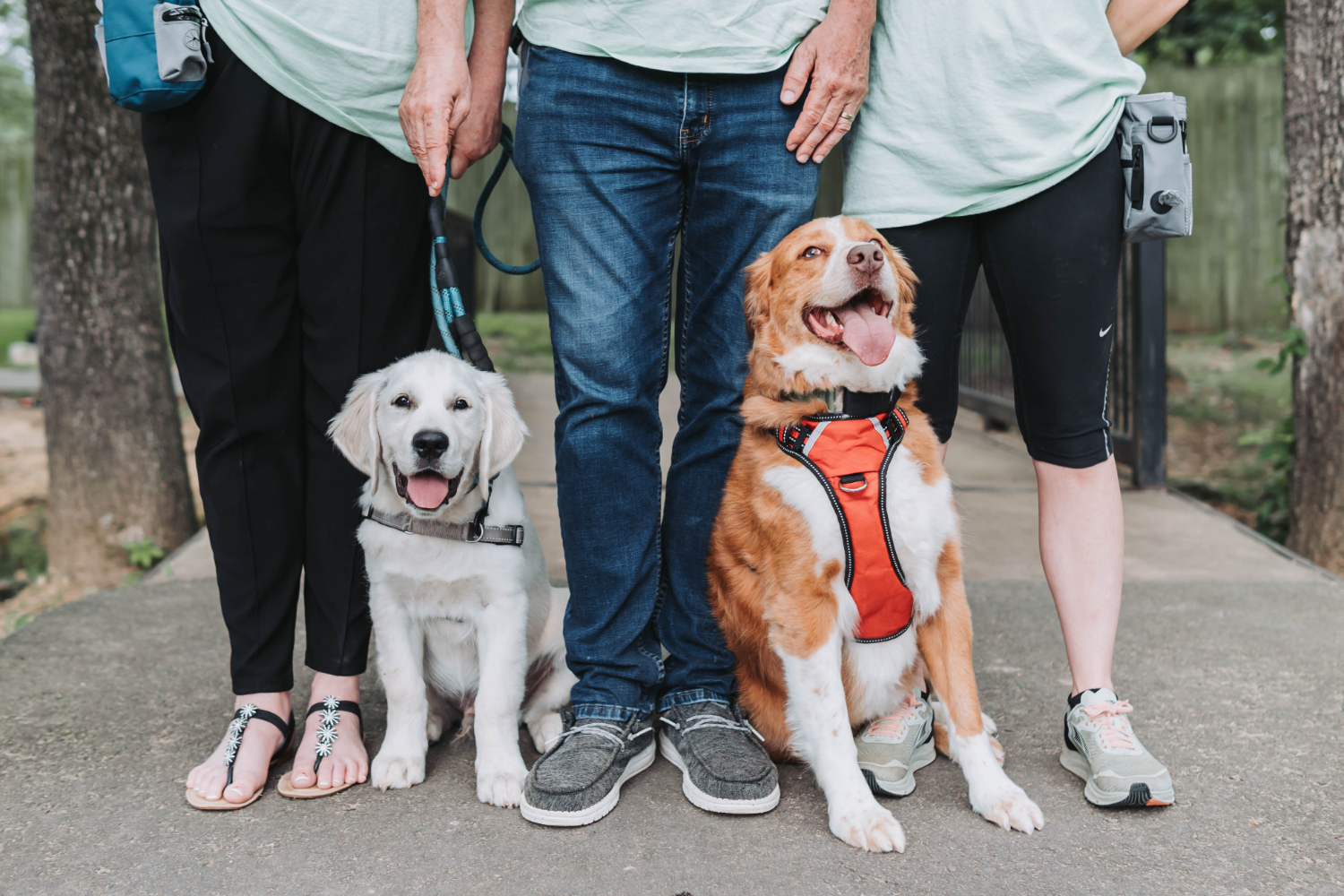
Image Source: sgservicedogs.com
Deciphering Arkansas Service Dog Laws
Arkansas follows federal laws, primarily the Americans with Disabilities Act (ADA), when it comes to service animals. The ADA defines a service animal as a dog that has been individually trained to do work or perform tasks for the benefit of an individual with a disability. The disability can be physical, sensory, psychiatric, intellectual, or mental.
Key Points from Arkansas Service Dog Laws (Aligned with ADA):
- Definition of a Service Animal: A dog trained to perform specific tasks to help a person with a disability. This excludes animals that solely provide comfort or emotional support.
- Allowable Inquiries: Businesses and organizations serving the public can ask two questions:
- Is the dog a service animal required because of a disability?
- What work or task has the dog been trained to perform?
- Prohibited Inquiries: They cannot ask about the person’s disability, require medical documentation, or ask the dog to demonstrate its work.
- Access Rights: Service dogs are allowed in public places where the public is generally permitted, including restaurants, shops, hotels, and public transportation.
- Exclusions: Businesses may exclude a service animal if:
- It is out of control and the handler does not take effective action to control it.
- It is not housebroken.
- It poses a direct threat to the health or safety of others.
- Handler Responsibility: The handler is responsible for the care and supervision of their service dog.
It is important to note that Arkansas does not have specific state laws that significantly differ from the federal ADA regarding the definition or rights of service dogs. The focus is on the dog’s training and ability to perform tasks.
Requirements for Service Dogs Arkansas
To be recognized as a service dog in Arkansas, a canine must meet specific criteria, primarily centered around its training and behavior.
Core Requirements:
- Individualized Training: The dog must be trained to perform specific tasks that mitigate the handler’s disability. This is the cornerstone of service dog status.
- Task Examples:
- Mobility Assistance: Retrieving dropped items, opening doors, providing balance.
- Medical Alert: Detecting changes in body chemistry (e.g., blood sugar levels) or impending medical episodes (e.g., seizures).
- Psychiatric Support: Interrupting self-harming behaviors, providing deep pressure therapy, guiding through dissociative episodes.
- Sensory Support: Alerting to sounds (e.g., doorbells, alarms) for individuals who are deaf or hard of hearing.
- Guiding: Leading individuals with visual impairments.
- Temperament: The dog must have a stable and reliable temperament. It should not be aggressive, fearful, or easily distracted.
- Behavior: The dog must be well-behaved in public. This includes being calm, quiet, and not disruptive. It must remain on a leash or under voice control at all times unless these are impossible due to the disability or the dog is performing a specific task.
- House-Training: The dog must be reliably house-trained. Accidents can lead to removal from public spaces.
- Cleanliness: While not an explicit legal requirement for access, handlers are expected to maintain their dog’s hygiene.
Emotional Support Animals vs. Service Dogs Arkansas: Knowing the Difference
This is a critical distinction, and one often misunderstood. In Arkansas, as per federal law, there’s a clear difference:
| Feature | Service Dog | Emotional Support Animal (ESA) |
|---|---|---|
| Primary Function | Trained to perform specific tasks for a disability. | Provides comfort and companionship through presence. |
| Legal Protection | ADA protections for public access and housing. | Housing protections under the Fair Housing Act (FHA). |
| Training | Must be trained to perform disability-related tasks. | No specific task training required. |
| Public Access | Allowed in most public places. | Generally not allowed in public places. |
| Breed Restrictions | Generally cannot be excluded based on breed. | May be subject to breed/size restrictions in housing. |
| Documentation | No specific registration or certification required by law. | Often requires a letter from a mental health professional. |
Why this matters in Arkansas: If you’re seeking a dog for its calming presence during anxiety or depression, but it hasn’t been trained to perform specific tasks related to your condition, it is an Emotional Support Animal. While ESAs have rights in housing, they do not have the same public access rights as service dogs.
Finding a Service Dog Trainer Arkansas
Choosing the right trainer is paramount to successfully obtaining a well-trained service dog. It’s not just about basic obedience; it’s about specialized task training tailored to your specific needs.
Where to Look for Trainers:
- Reputable Service Dog Organizations Arkansas: Many established organizations specialize in training and placing service dogs. They often have their own trainers or work with certified professionals. These are excellent starting points for legitimate ways to get a service dog Arkansas.
- Certified Professional Dog Trainers (CPDT-KA/KSA): While not all CPDTs specialize in service dog work, many have the foundational skills. Look for those with experience in advanced obedience, behavior modification, and, ideally, specific service dog training.
- Veterinarian Referrals: Your veterinarian may be able to recommend local trainers with a good reputation for working with dogs with specific needs.
- Online Directories: Organizations like the Certification Council for Professional Dog Trainers (CCPDT) or the Association of Professional Dog Trainers (APDT) often have searchable directories.
What to Look for in a Service Dog Trainer:
- Experience with Service Dog Training: This is non-negotiable. They must understand the specific demands and legal aspects of service dog work.
- Positive Reinforcement Methods: Ethical trainers use reward-based methods, which are effective and humane.
- Customized Training Plans: A good trainer will create a plan tailored to your disability and the tasks your dog will perform.
- Client Testimonials/References: Ask for references from past clients, especially those with similar disabilities.
- Transparency: They should be open about their methods, fees, and timelines.
- Ethical Practices: They should not make unrealistic promises or charge exorbitant fees for “guaranteed” service dog status.
Obtaining a Service Dog for Disability Arkansas: Different Paths
There are several avenues to explore when obtaining a service dog for disability in Arkansas. Each has its pros and cons.
1. Organizations that Train and Place Service Dogs:
This is often the most structured and reliable path.
- How it Works: These organizations receive applications from individuals with disabilities. They then select, raise, and train dogs specifically for service work. Once trained, the dog is matched with a suitable handler.
- Pros: Dogs are professionally trained, often with a strong foundation in public access and task work. Many organizations offer ongoing support. They often work with specific types of disabilities (e.g., mobility, hearing, vision, psychiatric).
- Cons: There can be long waiting lists, and the application process can be rigorous. There may be costs involved, though some non-profits offer subsidized programs.
- Finding Organizations: Look for reputable service dog organizations Arkansas that have a strong track record. Consider organizations specializing in your particular disability.
2. Training Your Own Dog:
This path requires significant commitment from the handler.
- How it Works: You can select a suitable dog (puppy or adult) and work with a professional service dog trainer to guide you through the training process.
- Pros: You can choose a dog that you feel a strong bond with. It can be more cost-effective in the long run, though training expenses can still be substantial. You are directly involved in the training process.
- Cons: This is a very time-consuming and labor-intensive process. You need to have a good understanding of dog behavior and training. Not all dogs have the temperament or aptitude for service work. You bear the full responsibility for the dog’s training and its success.
- Finding a Trainer: Partner with a finding a service dog trainer Arkansas who has extensive experience in service dog training.
3. Service Dog Adoption Arkansas:
This is a less common but viable option.
- How it Works: Some organizations or individuals may have trained service dogs that are retired from active duty or are available for adoption due to unforeseen circumstances.
- Pros: These dogs often have a solid foundation of training and public access skills.
- Cons: Finding an available dog can be challenging. The dog may have specific needs or require a transition period. It’s crucial to ensure the dog’s suitability for your needs and that the previous training is still current and relevant.
Psychiatric Service Dogs Arkansas
Psychiatric service dogs Arkansas are a specific type of service dog trained to perform tasks that help individuals with mental health disabilities.
Tasks Performed by Psychiatric Service Dogs:
- Interrupting Behaviors: A dog might be trained to nudge, lick, or apply pressure to prevent a person from engaging in repetitive or self-harming behaviors (e.g., skin picking, hair pulling).
- Deep Pressure Therapy (DPT): The dog can lie across the handler’s lap or chest during periods of intense anxiety or panic attacks, providing calming pressure.
- Alerting to Dissociation: Some dogs can be trained to alert their handler if they are dissociating or entering a dissociative state.
- Grounding Techniques: A dog might be trained to lick the handler’s face or nudge their hand to help them stay grounded and present during distress.
- Retrieving Medication: The dog can be trained to retrieve medication or a bottle of water when prompted.
- Providing a Buffer: In crowded spaces, the dog can stand between the handler and others, creating a physical buffer to reduce anxiety.
- Waking from Nightmares: Some dogs are trained to wake their handler during nightmares.
Important Considerations for Psychiatric Service Dogs:
- Task-Oriented: Remember, even for psychiatric disabilities, the dog must be trained to perform specific tasks. A dog that simply stays with you during anxiety is an ESA, not a psychiatric service dog.
- Professional Training is Key: Due to the sensitive nature of psychiatric disabilities, working with a trainer experienced in psychiatric service dog training is highly recommended.
Service Dog Registration Arkansas: Is it Required?
This is a common question, and the answer is nuanced.
Do you need service dog registration Arkansas?
No, federal law (the ADA) does not require service dogs to be registered or certified. There is no official national registry for service dogs. Similarly, Arkansas does not mandate a state-specific registration for service dogs.
Why the Confusion?
You will often see websites offering “service dog registration” or “service dog certification.” These are typically private companies that offer identification cards, vests, or certificates. While these items might be helpful for identification purposes in some situations, they do not legally qualify a dog as a service dog. The legal definition of a service dog is based on its training and the tasks it performs, not on any document.
What About ID Cards and Vests?
- Vests: Service dog vests are often used to signal to the public that the dog is working. While not mandatory, they can help prevent unwanted interactions. However, it is important to note that anyone can purchase a service dog vest.
- ID Cards/Certificates: These can be convenient for handlers to present if asked the two allowable questions. However, they are not legal proof of service dog status.
Legitimate ways to get a service dog Arkansas focus on training and meeting the ADA criteria, not on obtaining a certificate from a private vendor.
Finding a Service Dog Adoption Arkansas
While less common than obtaining a puppy or dog from a program, service dog adoption Arkansas can be a rewarding path.
Where to Look for Service Dog Adoption:
- Reputable Service Dog Organizations: Some established organizations may have retired service dogs available for adoption to pre-screened individuals. These dogs have already completed their working careers and may still be suitable as companions or even for specific types of lighter service work, depending on their health and temperament.
- Specialized Rescues: While rare, some rescue organizations might focus on rehabilitating and rehoming dogs that were in service dog training but did not complete the program, or retired working dogs from other fields (e.g., police or military dogs, though these are distinct from public access service dogs).
Considerations for Service Dog Adoption:
- Thorough Assessment: It is crucial to have the dog thoroughly assessed by a veterinarian and potentially by a service dog trainer to ensure it is healthy, has a stable temperament, and is suitable for your needs.
- Understanding the Dog’s History: Learn as much as possible about the dog’s past training, temperament, and any reasons for its availability.
- Transition Period: Be prepared for a transition period as the dog adjusts to its new home and routine.
Reputable Service Dog Organizations Arkansas
Engaging with reputable service dog organizations Arkansas is a cornerstone of the legitimate process of obtaining a service dog. These organizations play a vital role in training, placing, and supporting handlers.
Characteristics of Reputable Organizations:
- Clear Mission and Focus: They typically specialize in specific types of service dogs (e.g., mobility, hearing, diabetes alert, psychiatric).
- Rigorous Selection Process: They carefully select dogs with appropriate temperaments and health for service work.
- Professional Training Standards: They employ experienced trainers and adhere to high standards of public access and task training.
- Comprehensive Handler Training: They provide thorough training for handlers on how to work with their service dog, including care, commands, and public etiquette.
- Post-Placement Support: Reputable organizations offer ongoing support to handlers after the dog is placed, which can include training refreshers and troubleshooting.
- Transparency in Fees: While many organizations are non-profits, there may be fees associated with obtaining a dog. Reputable organizations are transparent about these costs.
- Adherence to ADA Guidelines: They understand and operate within the framework of the ADA.
How to Find Them:
- Online Search: Use search terms like “service dog organizations Arkansas,” “assistance dog programs Arkansas,” or “[your disability] service dogs Arkansas.”
- ADA Information Centers: Regional ADA centers can sometimes provide lists of reputable organizations.
- Word of Mouth: Connect with disability advocacy groups or other service dog handlers.
When you contact an organization, don’t hesitate to ask about their training methods, placement process, and any fees involved.
Legitimate Ways to Get a Service Dog Arkansas
To reiterate, the most legitimate ways to get a service dog Arkansas focus on ensuring the dog is trained to perform tasks that mitigate your disability.
The Pillars of Legitimacy:
- Task Training: The dog must be trained to perform specific tasks. This is the legal definition.
- Public Access Skills: The dog must be well-behaved and capable of accompanying you in public places without disruption.
- Professional Guidance: Whether you train your own dog or work with an organization, professional guidance from experienced service dog trainers is essential.
- Understanding Rights and Responsibilities: Knowing the ADA guidelines protects you and ensures you are following the law.
What to Avoid:
- “Service Dog Registration” Scams: Avoid companies that promise official registration or certification for a fee, as this is not a legal requirement and does not guarantee service dog status.
- Buying a Dog Advertised Solely as a “Service Dog”: If a dog is being sold with a certificate or vest but without evidence of task training specific to a disability, it is likely not a legitimate service dog.
- Relying Solely on Emotional Support: While emotional support is valuable, it does not qualify a dog as a service dog under the ADA.
Preparing for Your Service Dog
Once you’ve identified a path to obtaining a service dog, preparation is key for a smooth transition.
Key Preparations:
- Assess Your Needs: Clearly identify the specific tasks you need your service dog to perform.
- Home Environment: Ensure your home is safe and suitable for a dog.
- Financial Planning: Factor in the costs of food, veterinary care, grooming, training, and supplies.
- Time Commitment: Be prepared for the significant time investment required for training, care, and integration into your life.
- Family/Household Support: Ensure everyone in your household is on board and understands their role in supporting the service dog team.
- Educate Yourself: Continuously learn about service dog etiquette and laws.
Frequently Asked Questions (FAQ)
Q1: Can I take my service dog to any store in Arkansas?
A1: Yes, under the ADA, service dogs are allowed in most public places, including stores, restaurants, and government buildings, as long as they are house-trained and under the handler’s control, and do not pose a direct threat.
Q2: Do I need to carry my service dog’s ID card in Arkansas?
A2: No, you are not legally required to carry any form of identification or documentation for your service dog in Arkansas or under federal law. However, some handlers find it helpful for identification purposes.
Q3: What if my service dog has an accident in public?
A3: If your service dog has an accident, you are responsible for cleaning it up immediately. While occasional accidents can happen, frequent issues might lead a business to ask you to remove the dog if it’s not house-trained or controlled.
Q4: Can a business ask me to remove my service dog?
A4: Yes, a business can ask you to remove your service dog if it is out of control, not house-trained, or poses a direct threat to the health or safety of others. They cannot ask you to remove it simply because it is a certain breed or because they have a “no pets” policy.
Q5: Can I get a service dog for my anxiety in Arkansas?
A5: Yes, if your anxiety is a disability and you can find or train a dog to perform specific tasks that mitigate your anxiety (e.g., interrupting panic attacks, providing deep pressure therapy), that dog can be a psychiatric service dog. A dog that only provides comfort is an Emotional Support Animal.
Q6: How long does it take to get a service dog?
A6: If you go through an organization, waiting lists can range from months to several years. If you are training your own dog, the process typically takes 1-2 years of consistent training to reach the required standards for public access and task work.
Q7: What are the age requirements for a service dog in Arkansas?
A7: There are no specific age requirements for a service dog under the ADA, provided the dog is mature enough and has received appropriate training to perform its tasks reliably in public. Puppies under a certain age may not be suitable for public access work until they are fully trained and mature.
By thoroughly researching and following these guidelines, individuals in Arkansas can navigate the process of obtaining a service dog and enhance their independence and quality of life.