
The cost to amputate a dog’s leg can range from approximately $500 to $5,000 or more. This wide range depends on various factors, including the specific veterinary clinic, the dog’s overall health, the reason for amputation, and the type of amputation performed.
Losing a limb is a significant event for any dog, and while the emotional toll on owners can be substantial, the financial aspect is also a major consideration. This comprehensive guide aims to break down the various costs associated with canine limb amputation, helping you prepare for this life-altering procedure. We’ll delve into the factors influencing the price of dog leg removal, potential hidden costs, and what to expect before, during, and after surgery.
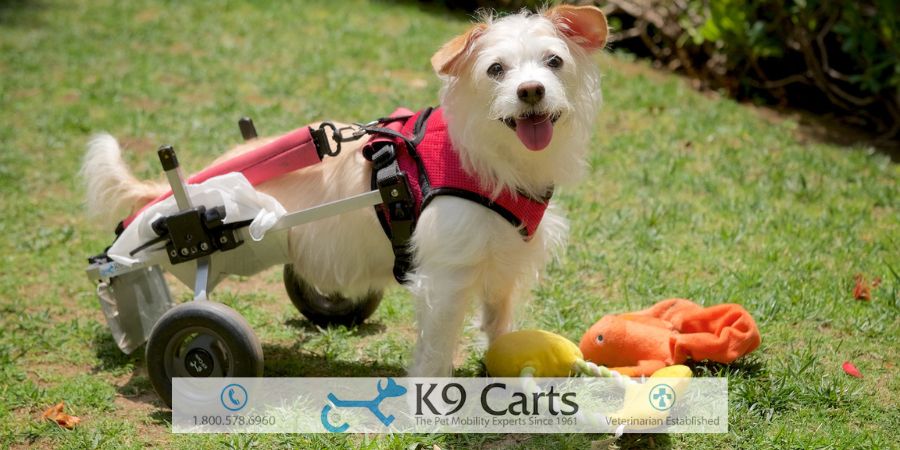
Image Source: k9carts.com
Factors Affecting the Price of Dog Leg Amputation
The dog leg amputation cost is not a one-size-fits-all figure. Several critical elements contribute to the final bill, making it essential for owners to have a clear picture of what influences the cost of canine limb amputation.
1. Reason for Amputation
The underlying reason for the amputation is a primary driver of cost. Different conditions require different surgical approaches and may involve more complex pre-operative assessments.
- Trauma: Accidents, such as being hit by a car or a severe fight with another animal, can lead to irreparable damage to a limb. The extent of the trauma can influence the surgical complexity and the need for extensive wound management.
- Cancer: Tumors, especially bone cancer (osteosarcoma), often necessitate amputation to remove the diseased tissue and prevent metastasis. The location and size of the tumor, as well as the need for wide margins during removal, can affect the surgical time and complexity.
- Congenital Abnormalities: Some dogs are born with malformed limbs that impair their mobility and quality of life. Correcting these issues, which may involve amputation, can vary in difficulty.
- Infections: Severe infections that don’t respond to antibiotics, such as osteomyelitis, might require amputation to save the dog’s life. The severity of the infection and the presence of bone damage will play a role in the cost.
- Degenerative Conditions: While less common, severe arthritis or nerve damage can sometimes lead to amputation if pain management is no longer effective.
2. Type of Amputation
There are different levels at which a dog’s leg can be amputated, each with its own surgical demands.
- Digital Amputation (Toe Amputation): This involves removing only a toe or part of a toe. It is generally less expensive than a full limb amputation due to its localized nature.
- Below-Knee/Elbow Amputation: This involves removing the paw and the lower part of the leg. This is a common procedure and the price of dog limb amputation surgery for this level is typically moderate.
- Above-Knee/Elbow Amputation: This involves removing the entire leg, including the joint (knee or elbow). This is a more extensive surgery, often referred to as a “shoulder” or “hip” disarticulation, and carries a higher dog amputation surgery fees.
3. Veterinary Clinic and Location
The veterinarian amputation cost dog varies significantly between different clinics and geographical locations.
- Specialty vs. General Practice: A board-certified veterinary surgeon or a referral to a specialty hospital will generally have higher fees than a general practitioner. Specialty hospitals have more advanced equipment and highly trained personnel.
- Geographic Location: Veterinary costs tend to be higher in urban or metropolitan areas compared to rural areas due to higher overheads and cost of living.
4. Pre-Operative Diagnostics
Before any surgery, thorough diagnostic tests are crucial to ensure the dog is healthy enough to undergo anesthesia and to identify any underlying issues. These tests contribute to the overall expenses for dog leg removal.
- Blood Work (CBC and Chemistry Panel): Essential for evaluating organ function, blood cell counts, and checking for signs of infection or anemia.
- Urinalysis: Assesses kidney function and checks for urinary tract infections.
- X-rays/Radiographs: Crucial for diagnosing fractures, tumors, or other bone abnormalities. If cancer is suspected, further imaging like CT scans or MRIs might be recommended, significantly increasing costs.
- EKG (Electrocardiogram): May be performed to assess heart health, especially in older dogs or those with known cardiac conditions.
5. Surgical Procedure and Anesthesia
The actual surgery and anesthesia are the most significant cost components.
- Anesthesia: This includes the drugs used for induction and maintenance, as well as the monitoring equipment and personnel (anesthesiologist or experienced technician).
- Surgical Supplies: Sterile drapes, gowns, gloves, sutures, bandages, and specialized surgical instruments all contribute to the cost.
- Operating Room Fees: The use of the surgical suite, which is equipped with specialized lighting, tables, and monitoring equipment, incurs a fee.
- Surgeon’s Fees: The expertise and time of the veterinary surgeon performing the amputation are a significant part of the bill.
6. Post-Operative Care and Medications
Care after surgery is just as vital as the surgery itself and adds to the cost of removing dog’s leg.
- Pain Management: Post-operative pain medication is essential for comfort and recovery. This can include analgesics, anti-inflammatories, and sometimes nerve blocks.
- Antibiotics: To prevent infection at the surgical site.
- E-Collar (Cone of Shame): To prevent the dog from licking or chewing the incision site.
- Recheck Appointments: Follow-up visits to monitor healing, remove sutures, and assess the dog’s progress.
- Physical Therapy/Rehabilitation: While not always mandatory, rehabilitation can significantly improve a dog’s mobility and comfort after amputation. This could include hydrotherapy, massage, or exercises, which add to the canine amputation expenses.
Breaking Down the Costs: A Detailed Look
To provide a clearer picture, let’s break down the typical components that make up the dog limb removal surgery cost.
Pre-Operative Expenses
- Consultation: Initial visit to discuss the procedure, assess the dog, and get an estimate.
- Range: $50 – $150
- Diagnostic Tests:
- Blood Work: $75 – $200
- Urinalysis: $30 – $60
- X-rays: $100 – $300 (depending on the number and type)
- Advanced Imaging (CT/MRI): $500 – $2,000+ (if required)
- EKG: $50 – $100
Surgical Procedure Costs
- Anesthesia:
- Anesthetic Drugs: $50 – $200
- Anesthetic Monitoring: $100 – $300
- Surgical Fees:
- Surgery Time: This is often billed per hour.
- Operating Room Fee: $200 – $500
- Surgeon’s Fee: $300 – $2,000+ (depending on complexity and surgeon’s expertise)
Post-Operative Expenses
- Pain Medication: $20 – $100+ (for the first week or two)
- Antibiotics: $30 – $100
- E-Collar: $15 – $40
- Bandages and Dressings: $20 – $50
- Recheck Appointments: $30 – $70 per visit (typically 1-2 follow-ups)
- Physical Rehabilitation: $50 – $150 per session (multiple sessions may be needed)
Estimated Total Cost for Dog Leg Amputation
Considering all these factors, the cost for dog leg amputation procedure can be broadly estimated as follows:
| Type of Amputation (Approximate) | Estimated Cost Range |
|---|---|
| Toe Amputation | $500 – $1,500 |
| Below-Knee/Elbow Amputation | $1,000 – $3,000 |
| Above-Knee/Elbow Amputation | $1,500 – $5,000+ |
Important Note: These are general estimates. The actual cost of removing a dog’s leg can fall outside these ranges based on individual circumstances. It is crucial to get a detailed estimate from your veterinarian.
Potential Hidden Costs and Additional Considerations
Beyond the primary surgical fees, owners should be aware of potential additional expenses that can arise.
- Complications: If the surgical site becomes infected, if there’s an adverse reaction to anesthesia, or if the dog experiences other complications, extended hospitalization, additional treatments, or even further surgery might be necessary, significantly increasing the veterinarian amputation cost dog.
- Prosthetics or Wheelchairs: While many dogs adapt well to life on three legs, some owners opt for prosthetics or wheelchairs to aid mobility, especially for larger breeds or those with amputations higher up the limb. These assistive devices can cost anywhere from a few hundred to over a thousand dollars and are an additional, separate expense.
- Dietary Needs: Your dog may require a special diet during recovery to support healing, which can be an ongoing cost.
- Grooming: Maintaining the residual limb requires care. While not a direct surgical cost, it’s part of long-term care.
- Transportation: If you need to travel to a specialty clinic, factor in travel expenses, accommodation, and potential lost wages from taking time off work.
Preparing for the Procedure and Recovery
Once the decision for amputation is made, thorough preparation can help ease the process for both you and your dog.
Before Surgery
- Detailed Discussion with Your Veterinarian: Ask for a complete breakdown of all anticipated costs. Don’t hesitate to ask questions about the procedure, recovery, and potential outcomes.
- Financial Planning: Explore your financial options. This might include:
- Pet Insurance: If you have pet insurance, check your policy details to see if amputation is covered.
- Veterinary Financing: Many veterinary clinics partner with financing companies like CareCredit or Scratchpay, offering payment plans.
- Savings: If possible, having savings set aside is ideal.
- Crowdfunding: Platforms like GoFundMe can be used to ask for support from friends, family, or the wider community.
- Pre-Anesthetic Bloodwork: Ensure your dog is up-to-date on any recommended pre-operative tests.
- Fasting: Your veterinarian will instruct you on when to stop feeding your dog before surgery.
During Recovery
- Strict Confinement: Limit your dog’s activity to prevent injury to the surgical site. This means no running, jumping, or rough play. Leash walks should be short and controlled.
- Incision Care: Follow your vet’s instructions for keeping the incision clean and dry. Monitor for signs of infection (redness, swelling, discharge, heat).
- Pain Management: Administer all prescribed medications on time.
- E-Collar: Ensure your dog wears the e-collar consistently to prevent licking.
- Nutrition: Provide a balanced, nutritious diet to aid healing.
- Emotional Support: Your dog will rely on you for comfort and reassurance. Spend quality time with them, offer gentle petting, and speak in a calm voice.
Rehabilitation and Long-Term Adaptation
The journey doesn’t end with surgery. Rehabilitation is key to helping your dog regain mobility and enjoy a high quality of life.
The Importance of Rehabilitation
- Strengthening Remaining Limbs: The body’s weight will shift, placing more strain on the remaining legs. Rehabilitation exercises help strengthen these muscles.
- Improving Balance and Coordination: Dogs need to relearn how to balance and move efficiently on three legs.
- Reducing Risk of Injury: Overuse of the remaining limbs can lead to injuries like arthritis or ligament tears. Proper conditioning minimizes this risk.
- Mental Well-being: Physical activity is crucial for a dog’s mental health, preventing boredom and depression.
Rehabilitation Techniques
- Therapeutic Exercises: Specific exercises designed to build strength, flexibility, and balance.
- Hydrotherapy: Walking or swimming in water reduces impact on joints, making it ideal for strengthening.
- Massage: Can help alleviate muscle soreness and improve circulation.
- Laser Therapy: May be used to reduce pain and inflammation.
- Assistive Devices: As mentioned, wheelchairs or harnesses can provide support and improve mobility for some dogs.
The costs for rehabilitation can vary, with sessions often ranging from $50 to $150. The number of sessions required depends on the dog’s progress and the severity of their condition prior to amputation.
Frequently Asked Questions (FAQ)
Q1: What is the average cost of amputating a dog’s leg?
A1: The average cost for a dog leg amputation can range from $1,000 to $3,000, but can extend to $5,000 or more depending on the factors mentioned earlier, such as the clinic, reason for amputation, and level of amputation.
Q2: Can I afford to amputate my dog’s leg if I have a low budget?
A2: If you have a limited budget, discuss your financial situation with your veterinarian. They may be able to suggest more affordable clinics, discuss payment plan options, or recommend organizations that offer financial assistance for veterinary care.
Q3: What does the dog amputation surgery fees typically include?
A3: Dog amputation surgery fees usually encompass the pre-operative diagnostics, anesthesia, the surgical procedure itself (including surgeon’s time and operating room use), basic post-operative medications (like pain relief and antibiotics), and the initial bandage.
Q4: How much does it cost to remove a dog’s leg if it’s due to cancer?
A4: Amputation due to cancer can be more expensive. The need for more extensive diagnostic imaging (like CT scans), wider surgical margins to ensure all cancer is removed, and potentially longer recovery times can drive the cost of canine limb amputation higher, potentially reaching $3,000 to $5,000 or more.
Q5: What are the long-term costs after my dog has a leg amputated?
A5: Long-term costs can include prescription medications for pain or arthritis in remaining limbs, potential physical rehabilitation sessions, assistive devices like wheelchairs or prosthetics, and regular veterinary check-ups to monitor overall health and mobility.
Conclusion
Amputating a dog’s leg is a significant undertaking, both emotionally and financially. While the dog leg amputation cost can appear daunting, remember that many dogs adapt remarkably well and lead full, happy lives after surgery. Thorough research, open communication with your veterinarian, and careful financial planning are essential steps in ensuring your beloved companion receives the care they need. By understanding the various components of the cost of dog leg amputation, you can better prepare for the procedure and the subsequent journey of recovery and adaptation.