
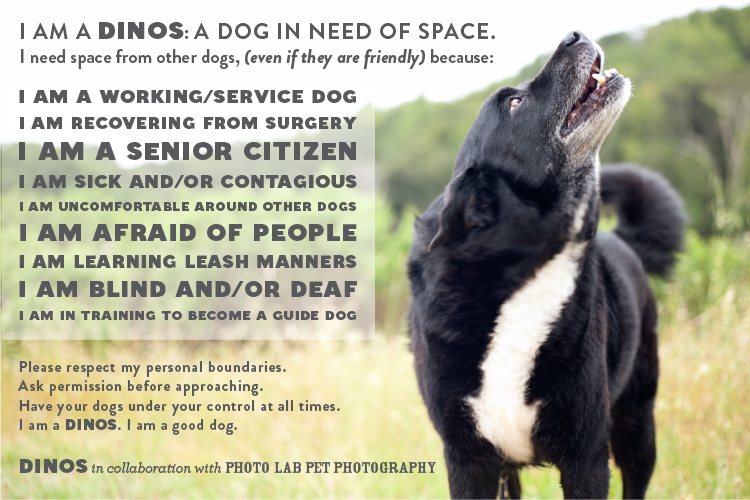
Image Source: notesfromadogwalker.com
Teach Your Dog Boundaries With Other Dogs
Can you teach a dog personal boundaries with other dogs? Yes, absolutely! Teaching your dog personal boundaries with other dogs is crucial for their well-being and safety, as well as for the peace of mind of other dog owners. It’s about fostering polite interactions and preventing common issues like dog socialization challenges or dog-to-dog aggression. Many owners struggle with their dogs being too boisterous, overly persistent, or showing signs of anxiety when meeting new canine companions. This guide will walk you through effective dog training techniques to help your furry friend navigate the world of doggy friendships with confidence and respect. We’ll explore canine communication, decipher dog body language, and implement dog behavior modification strategies to ensure happy, well-adjusted pets.
Why Boundaries Matter for Your Dog
Dogs, much like humans, have personal space. Forcing interactions or allowing unlimited, unmanaged greetings can lead to discomfort, stress, and potentially negative experiences for your dog. Establishing boundaries helps prevent common problems such as:
- Leash Reactivity: When a dog becomes agitated, lunges, or barks at other dogs while on leash, it’s often due to a lack of control and an inability to manage their excitement or frustration in confined spaces.
- Dog-to-Dog Aggression: This can stem from a variety of factors, including fear, past negative experiences, or a lack of appropriate social skills. Clear boundaries can mitigate these risks.
- Resource Guarding: While often associated with toys or food, a dog might also guard their owner or a specific space from other dogs, exhibiting possessive behaviors.
- Over-arousal and Frustration: Some dogs simply get too excited or frustrated when they can’t engage with another dog, leading to unwanted behaviors.
Teaching these boundaries isn’t about making your dog anti-social; it’s about making them a good canine citizen, capable of enjoyable and safe interactions.
Deciphering Dog Body Language: The Key to Communication
Before you can teach boundaries, you need to become fluent in dog body language. This is your dog’s primary method of canine communication. Observing subtle cues will tell you when your dog is happy, anxious, uncomfortable, or ready to disengage.
Positive Signals
- Relaxed Body: Loose, wiggly posture.
- Soft Eyes: Wide, round eyes with relaxed pupils.
- Tail Wag: A loose, sweeping wag, often with the whole body wiggling. A high, stiff wag can indicate arousal or tension.
- Play Bow: Forequarters down, hindquarters up, often accompanied by a wagging tail. This is an invitation to play.
- Mouth: Relaxed, slightly open mouth, sometimes panting.
Warning Signals
- Stiff Body: Tense muscles, rigid posture.
- Hard Stare: Direct, unblinking eye contact.
- Lip Licking: Rapid, repetitive licking of the lips, often when no food is present.
- Yawning: A stress yawn, different from a sleepy yawn.
- Whale Eye: The whites of the eyes are visible, indicating the dog feels threatened or uncomfortable.
- Ears Pinned Back: Ears held flat against the head, showing fear or submission.
- Tail Tucked: Tail held low or between the legs, a sign of fear or anxiety.
- Growling/Snapping: These are clear warnings that the dog wants the other dog to back off. They should never be punished, as they are a vital form of communication.
Understanding Subtle Cues
It’s vital to look at the entire dog, not just one signal. A quick tail flick might mean nothing on its own, but coupled with a stiff body and whale eye, it’s a clear warning. Learning to read these signals helps you intervene before a situation escalates, which is fundamental to teaching boundaries.
Setting the Stage for Polite Greetings
Polite greetings are the foundation of good dog-to-dog manners. This involves teaching your dog how to approach, interact, and disengage appropriately.
Controlled Introductions
The best way to teach polite greetings is through controlled, positive introductions.
- Parallel Walking: Start by walking your dogs parallel to each other, at a distance where they are aware of each other but not reacting. Reward calm behavior. Gradually decrease the distance over several sessions, always ensuring both dogs remain relaxed.
- “On-Leash” Greetings (Brief and Positive): Once they are comfortable walking near each other, allow very brief, leashed greetings.
- Keep leashes loose to avoid adding tension.
- Allow a sniff of the rear end for a few seconds.
- Call them away and reward them with treats and praise.
- The greeting should be short, positive, and end on a good note before either dog becomes overly aroused or uncomfortable.
- Off-Leash (Supervised) Interactions: For dogs that show good manners on leash, supervised off-leash time in a neutral, safe area can be beneficial. This allows for more natural dog play etiquette.
What to Avoid During Greetings
- Direct Face-to-Face Approaches: This can be confrontational for dogs.
- Long, Uninterrupted Sniffing Sessions: This can build tension.
- Forcing Interaction: Never drag your dog towards another dog or force them to play if they are hesitant.
- Tight Leashes: This transmits your anxiety and can make your dog feel trapped.
Implementing Effective Dog Training Techniques
Several dog training techniques are invaluable for teaching boundaries. Consistency and positive reinforcement are key.
Desensitization and Counter-Conditioning
These are powerful dog behavior modification tools used for issues like leash reactivity.
- Desensitization: Gradually exposing your dog to a trigger (another dog) at a distance where they don’t react.
- Counter-Conditioning: Pairing the presence of the trigger with something highly positive (e.g., high-value treats).
How to Apply:
- Find a distance from another dog where your dog notices them but remains calm.
- As soon as your dog sees the other dog, start feeding them excellent treats.
- When the other dog moves away or out of sight, stop the treats.
- Repeat this process, slowly decreasing the distance as your dog becomes more comfortable and associates the sight of another dog with good things.
Impulse Control Exercises
Teaching your dog to control their impulses is vital for managing greetings and preventing jumping or lunging.
- “Leave It”: Teach your dog to ignore tempting items.
- “Wait” or “Stay”: This teaches them to remain in a position until released, useful for managing greetings.
- “Look at That” (LAT) Game: When your dog sees another dog, they look at it, then look back at you for a treat. This teaches them to disengage and focus on you when they see a trigger.
Positive Reinforcement
Reward desired behaviors. When your dog remains calm, disengages from another dog, or politely greets, shower them with praise and treats. This reinforces the behavior you want to see.
Teaching a “Go Say Hi” Cue (Optional)
You can teach a specific cue for initiating a greeting. This gives your dog a clear signal for when it’s appropriate to approach another dog and helps them disengage on cue.
Establishing Boundaries for Different Scenarios
Boundaries aren’t just for greetings; they apply to various social situations with other dogs.
Play Etiquette
Not all dogs are suited for rough-and-tumble play. Teach your dog appropriate dog play etiquette.
- Observe Play Sessions: Watch the interaction. Are both dogs taking turns, or is one being a bully? Are they using appeasement gestures?
- Intervene Early: If one dog seems overwhelmed, consistently losing toys, or showing stress signals, it’s time to end the play session.
- Teach Your Dog to Be a “Good Sport”: This means not monopolizing toys, not being overly rough, and respecting another dog’s signals to stop.
- What if My Dog is Too Rough? Work on impulse control and reward calm play. If your dog is naturally boisterous, seek out playmates that are similar in energy or tolerance.
Preventing Resource Guarding
If your dog guards you, toys, or space from other dogs, you need to address this proactively.
- Manage the Environment: Don’t allow your dog to have high-value items when other dogs are present if they are prone to guarding.
- “Trade Up” Exercise: Regularly offer your dog something even better than what they have, then take the original item. This teaches them that good things come when they relinquish possession.
- Desensitize to Proximity: Gradually have other dogs approach your dog at a distance while they have a toy or are near you. Reward calm behavior, and stop if your dog shows guarding signs.
Managing Anxiety and Fear
Some dogs are naturally timid or have had negative experiences. For these dogs, creating a safe bubble is paramount.
- Respect Their Space: If your dog shows signs of fear (tucked tail, whale eye, trying to retreat), do not force them to interact.
- Create Distance: Move your dog away from the trigger dog.
- Positive Association: Once at a safe distance, offer treats and praise for remaining calm.
- Avoid “Flooding”: Don’t expose your dog to overwhelming situations. Go at their pace.
When to Seek Professional Help
While many boundary issues can be managed with consistent training, some situations require expert guidance.
- Persistent Dog-to-Dog Aggression: If your dog shows serious aggression, biting, or lunging that doesn’t improve with basic techniques.
- Severe Leash Reactivity: If your dog’s reactions are intense and you’re struggling to manage them safely.
- High Anxiety: If your dog displays extreme fear or anxiety around other dogs.
- Lack of Progress: If you’ve tried various methods consistently and aren’t seeing improvement.
A certified professional dog trainer or a veterinary behaviorist can assess your dog’s specific needs and develop a tailored dog behavior modification plan. They can offer personalized dog training techniques and support, especially in complex cases of dog socialization or leash reactivity.
Building a Foundation of Confidence and Trust
Teaching your dog boundaries is an ongoing process that builds confidence and strengthens your bond. It empowers your dog to navigate social situations with grace and security. Remember that every dog is an individual, and progress may vary. Celebrate small victories, remain patient, and focus on creating positive experiences. By prioritizing clear communication, consistent training, and mutual respect, you can help your dog develop excellent dog play etiquette and become a well-adjusted, happy companion around other dogs.
Frequently Asked Questions (FAQ)
Q1: How long does it take to teach my dog boundaries with other dogs?
A1: The timeframe varies greatly depending on your dog’s age, temperament, past experiences, and your consistency with training. For some dogs, it might take a few weeks of dedicated work, while for others, especially those with ingrained reactivity or fear, it could take several months or even be an ongoing management process. Patience and consistency are key.
Q2: My dog is always too excited and jumps on other dogs. How can I stop this?
A2: This is a common issue often stemming from a lack of impulse control and not understanding how to greet politely. You can work on “sit” and “wait” commands before allowing any interaction. For greetings, keep them short and on leash initially. Reward calm, four-on-the-floor behavior with praise and a treat. If your dog jumps, calmly create distance or end the interaction for a few moments to reset. Teaching a cue like “off” or “leave it” can also be helpful.
Q3: Can I socialize my adult dog if they weren’t well-socialized as a puppy?
A3: Yes, absolutely! While early dog socialization is beneficial, adult dogs can still learn and improve their social skills. Focus on controlled, positive introductions, using desensitization and counter-conditioning as described in the article. Avoid overwhelming your dog with too many dogs at once, and prioritize quality over quantity of interactions.
Q4: My dog growls at other dogs when they get too close. Should I punish the growl?
A4: No, you should never punish a growl. A growl is your dog’s way of saying, “I’m uncomfortable, and I want you to back off.” Punishing the growl can suppress this warning signal, leading to a dog that bites without warning. Instead, interpret the growl as a cue to create space and remove your dog from the situation. Work on desensitization and counter-conditioning to change your dog’s emotional response to proximity with other dogs.
Q5: What if my dog seems okay with dogs off-leash but gets reactive on leash?
A5: This is very common and is often referred to as leash reactivity. The leash can create frustration and tension because it prevents the dog from moving away or engaging as they would naturally. Focus on improving your dog’s focus on you while on leash. Practice impulse control exercises and the LAT game (Look at That). Ensure your equipment (collar or harness) is comfortable and doesn’t cause discomfort, and consider a head halter or front-clip harness for better control during training. Controlled, parallel walks are excellent for this scenario.