
Image Source: image.petmd.com
How Often Should A Dog Get Rabies Vaccine? Expert Advice
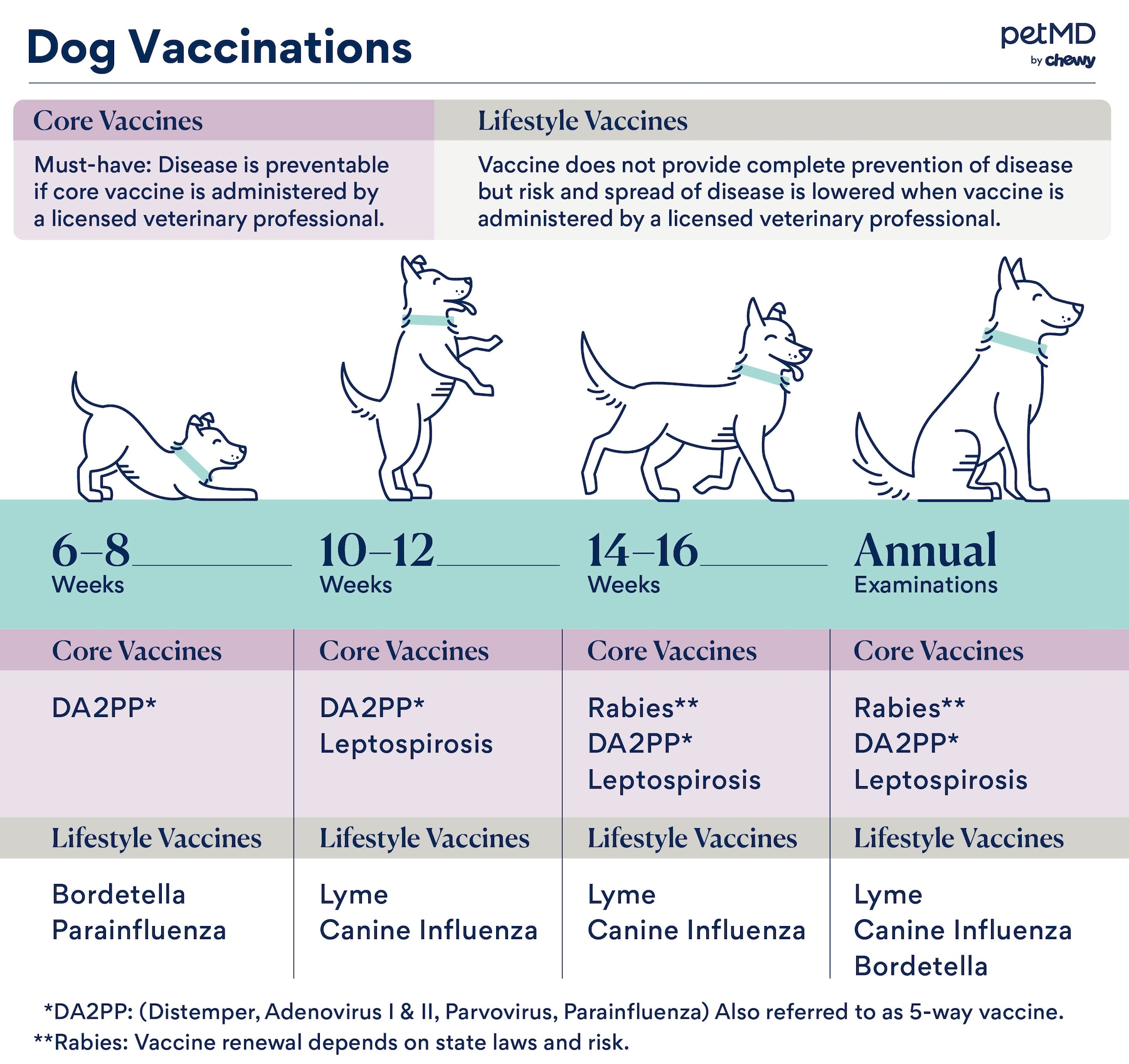
A dog should typically get its first rabies vaccine between 12 and 16 weeks of age, followed by a booster one year later. After that, rabies vaccine frequency for dogs depends on the specific vaccine used and local laws, with boosters generally administered every one to three years.
The rabies vaccine is a critical component of your dog’s preventative healthcare, safeguarding both your pet and public health from a deadly viral disease. Deciding on the correct dog rabies vaccine schedule involves considering several factors, from your dog’s age and health to the type of vaccine administered and crucial local rabies laws for pets. This comprehensive guide will delve into the nuances of rabies vaccine duration in dogs, veterinary recommendations rabies vaccine, and answer the vital question: how often should a dog get a rabies vaccine?
The Importance of Rabies Vaccination
Rabies is a zoonotic disease, meaning it can spread from animals to humans. It is almost always fatal once clinical signs appear. The virus attacks the central nervous system, causing neurological symptoms that can lead to paralysis, aggression, and death. Vaccination is the most effective way to prevent rabies. When your dog is vaccinated, their immune system learns to recognize and fight off the rabies virus if they are exposed. This not only protects your dog but also contributes to community safety by reducing the risk of rabies transmission to other animals and people.
When to Vaccinate Dog Against Rabies
The journey of puppy rabies vaccination begins early. Most veterinarians recommend the first rabies vaccine be administered when puppies are between 12 and 16 weeks old. This timing is crucial because puppies receive passive immunity from their mother through colostrum (the first milk). This maternal antibody can interfere with the effectiveness of vaccines. By waiting until this age, the puppy’s own immune system is more likely to respond robustly to the vaccine.
The Rabies Vaccine Schedule: A Closer Look
The dog rabies vaccine schedule isn’t a one-size-fits-all approach. It typically involves an initial vaccination and then booster shots.
Initial Vaccination
- Puppies: As mentioned, the first dose is usually given between 12 and 16 weeks of age.
First Booster
- One Year Later: A critical follow-up is the first booster shot, given approximately one year after the initial vaccination. This booster is essential for ensuring long-term immunity.
Subsequent Boosters
- Rabies Vaccine Frequency for Dogs: This is where things can vary. The frequency of subsequent boosters is often determined by the type of rabies vaccine used and specific legal requirements in your area.
- Three-Year Vaccines: Many modern rabies vaccines are labeled for a three-year duration of immunity. If your dog receives one of these vaccines and is up-to-date on their boosters, they may only need a rabies shot every three years.
- One-Year Vaccines: Some older vaccine formulations or specific situations might necessitate a one-year booster.
Understanding Rabies Vaccine Duration in Dogs
The rabies vaccine duration in dogs is a complex topic influenced by the vaccine’s efficacy and how the dog’s immune system responds over time. While a vaccine might be labeled for three years, this generally refers to the manufacturer’s guaranteed duration of immunity based on studies. However, individual dogs can respond differently.
Factors Affecting Rabies Vaccine Interval:
Several factors affecting rabies vaccine interval need consideration:
- Vaccine Type: Different rabies vaccines have varying labeled durations of immunity.
- Age of Vaccination: Vaccines given at the appropriate age are generally more effective and provide longer protection.
- Individual Immune Response: Some dogs may develop a weaker or shorter-lasting immunity than others.
- Exposure Risk: Dogs living in areas with a high prevalence of rabies or those who frequently interact with wildlife may benefit from more frequent vaccination, even if not strictly required by law.
- Local Rabies Laws: This is a paramount factor, as legal mandates often dictate minimum vaccination frequencies.
Rabies Laws: The Legal Backbone of Vaccination
Local rabies laws for pets are not uniform across the country or even within different municipalities. These laws are put in place to protect public health and are legally binding.
- Mandatory Vaccination: Most jurisdictions mandate rabies vaccination for dogs, often requiring proof of vaccination for licensing.
- Booster Intervals: Laws typically specify the minimum interval between rabies vaccinations. For example, a law might state that dogs must be vaccinated at 3 months of age, revaccinated one year later, and then every three years thereafter. Other laws might require a booster every year, regardless of vaccine type.
- Proof of Vaccination: It is crucial to keep your dog’s vaccination certificates as proof. These are often required by animal control, boarding kennels, groomers, and for travel.
Why are laws so important? In the unfortunate event that a vaccinated dog bites someone, a current rabies vaccination certificate can often prevent the need for costly and stressful quarantine protocols for the dog. If a dog is unvaccinated or its vaccination status is unknown, a bite incident can lead to a lengthy quarantine period, which can be financially and emotionally taxing for the owner.
The Adult Dog Rabies Booster
Once your dog has completed its initial vaccination series and the first booster, the question of the adult dog rabies booster becomes relevant. This is where the type of vaccine and local laws play their biggest roles.
- The Three-Year Rule: If your veterinarian administers a rabies vaccine that is approved and labeled for a three-year duration, and your local laws permit three-year boosters, then your adult dog will need a rabies shot every three years.
- The Annual Rule: In some areas, or if a one-year vaccine is used, an annual rabies booster might be required.
Important Note on Booster Timing: It is generally recommended to give booster vaccinations before the previous vaccination is due to expire. This ensures continuous immunity. Your veterinarian will track your dog’s vaccination history and remind you when boosters are due.
Senior Dog Rabies Shot: Special Considerations
When it comes to a senior dog rabies shot, the principles remain largely the same, but there are added considerations for older pets.
- Health Status: Senior dogs may have pre-existing health conditions. Your veterinarian will assess your senior dog’s overall health before administering any vaccine. In rare cases, if a senior dog has a severe immune deficiency or is critically ill, the veterinarian might discuss the risks and benefits of vaccination with you. However, for most senior dogs, the protection offered by the rabies vaccine outweighs the risks.
- Continued Risk: Rabies is still a threat to senior dogs. They may be more susceptible to illness, and their immune systems might not be as robust. Continued vaccination remains a vital preventative measure.
- Legal Requirements: Even senior dogs must comply with local rabies vaccination laws.
Factors Affecting Rabies Vaccine Interval: A Deeper Dive
Beyond the basic schedule, several other factors affecting rabies vaccine interval can influence a veterinarian’s recommendation or a pet owner’s decision.
1. Vaccine Manufacturer’s Recommendations
Vaccine manufacturers conduct rigorous studies to determine the duration of immunity (DOI) for their products. They then submit this data to regulatory bodies like the U.S. Food and Drug Administration (FDA) for approval. This approval dictates how the vaccine can be labeled and used.
2. Veterinary Recommendations
Veterinarians aim to provide the best possible care for their patients. While they adhere to vaccine manufacturer guidelines and legal requirements, they also consider:
- Your Dog’s Lifestyle: A dog that spends a lot of time outdoors, travels frequently, or lives in an area with a higher incidence of rabies may be at increased risk and could benefit from more frequent boosters if legally permissible and deemed necessary.
- Individual Health: As discussed with senior dogs, any health concerns will be factored into the vaccination decision.
- The “Risk-Based” Approach: Many veterinary organizations, including the American Animal Hospital Association (AAHA), advocate for a “risk-based” approach to vaccination. This means tailoring the vaccine protocol to the individual animal’s lifestyle and perceived risk of exposure.
3. Legal Requirements of Your Jurisdiction
This cannot be stressed enough. In many places, the law dictates that dogs must be vaccinated against rabies at specific intervals, regardless of the vaccine’s labeled duration or your dog’s perceived risk.
- Example: Even if a three-year rabies vaccine is used, a local law might require annual rabies certificates for dog licensing purposes, necessitating an annual vet visit for a vaccine administration or a valid certificate from a previous vaccination. It’s crucial to check with your local animal control or health department for the most current regulations.
4. Antibody Titer Testing
Antibody titer testing measures the level of antibodies against a specific disease in a dog’s blood. For rabies, titer testing can sometimes be used as an alternative to booster vaccinations in specific circumstances, particularly for travel to certain countries or in legal defense against a bite incident. However, the interpretation and acceptance of rabies titers can be complex and vary by jurisdiction. It’s essential to discuss this with your veterinarian and relevant authorities. Titer testing does not replace the need for initial vaccination or the first booster.
Common Misconceptions about Rabies Vaccines
- “My dog never goes outside, so it doesn’t need the rabies vaccine.” This is a dangerous misconception. Rabies can be transmitted by bats, which can enter homes through open windows or doors. Also, unvaccinated animals that may carry rabies can wander into yards. The risk, while potentially lower for strictly indoor dogs, is never zero.
- “The rabies vaccine is too dangerous for my dog.” While all vaccines carry a small risk of side effects, rabies vaccines are overwhelmingly safe and effective. Serious side effects are rare. The risks associated with contracting rabies are far greater than the risks associated with the vaccine.
- “Once vaccinated, my dog is protected for life.” This is generally not true. While immunity can last for a significant time, especially with modern vaccines, regular boosters are typically required to maintain immunity, especially to meet legal requirements.
Table: General Rabies Vaccination Guidelines
| Age of Dog | Vaccine Type | Schedule | Notes |
|---|---|---|---|
| 12-16 weeks | Initial Rabies | First dose administered | Crucial for establishing immunity. |
| 1 year after initial | Rabies Booster | First booster administered | Confirms long-term immunity. |
| Every 1-3 years | Subsequent Boosters | Based on vaccine type and local laws | Check with your veterinarian and local authorities for specific requirements. |
| Senior Dogs | Rabies Vaccine | Follow same schedule as adult dogs, with health assessment | Ensure overall health before vaccination; legal requirements still apply. |
Frequently Asked Questions (FAQ)
Q1: What happens if my dog misses a rabies booster?
A1: If your dog misses a booster, it may be considered unvaccinated or its immunity may be compromised. You should consult your veterinarian immediately. Depending on how overdue the booster is and your local laws, your dog might need to be revaccinated and potentially undergo a quarantine period if it bites someone, especially if its vaccination status cannot be clearly established. It’s best to stay on schedule to avoid these complications.
Q2: Can my puppy get the rabies vaccine at the same time as other puppy shots?
A2: Yes, puppies can typically receive the rabies vaccine along with other core puppy vaccinations, such as distemper and parvovirus. Your veterinarian will create a comprehensive vaccination plan tailored to your puppy’s needs.
Q3: My dog received a rabies vaccine from a vet out of state. Does it count here?
A3: Yes, a valid rabies vaccination certificate from a licensed veterinarian in another state is generally accepted. However, it’s always a good idea to ensure the vaccine administered meets the requirements of your current jurisdiction, especially regarding the booster interval.
Q4: How do I prove my dog is vaccinated against rabies?
A4: Proof of vaccination is typically provided by a rabies vaccination certificate issued by your veterinarian. This certificate details the vaccine manufacturer, lot number, date administered, date of expiration, and your dog’s information. Many communities also require an updated rabies tag on your dog’s collar.
Q5: What are the signs of a reaction to the rabies vaccine?
A5: Most reactions are mild and short-lived, such as temporary soreness at the injection site, mild lethargy, or a slight fever. More severe reactions, though rare, can include facial swelling, hives, vomiting, or difficulty breathing. If you notice any concerning signs after vaccination, contact your veterinarian immediately.
Q6: Can my dog be too old to receive a rabies vaccine?
A6: In most cases, no. While older dogs may have pre-existing conditions, the rabies vaccine is generally considered safe and necessary for senior dogs to protect them from this fatal disease. Your veterinarian will assess your senior dog’s health and make a recommendation based on its individual circumstances.
Q7: What is the purpose of rabies tags?
A7: Rabies tags are metal tags, usually engraved with a unique identification number, that are given to dog owners after their pet receives a rabies vaccination. They serve as a visible reminder that the dog is vaccinated and often include the veterinarian’s contact information. In case a dog is lost, the tag can help reunite it with its owner.
Q8: Are there different types of rabies vaccines for dogs?
A8: Yes, there are typically one-year and three-year rabies vaccines available. The choice of vaccine often depends on veterinary recommendations, local laws, and the specific product licensed for use. Your veterinarian will use a vaccine that is approved for use in your region.
Q9: What is the “one-year” vs. “three-year” rabies vaccine distinction?
A9: This refers to the labeled duration of immunity by the manufacturer. A one-year vaccine requires a booster one year after the initial dose and then annually thereafter (or as per local law). A three-year vaccine requires a booster one year after the initial dose and then every three years thereafter (or as per local law). It’s vital to note that legal requirements can override the labeled duration of the vaccine.
Q10: Can my dog get rabies even if it’s vaccinated?
A10: Rabies vaccines are highly effective, but no vaccine is 100% effective. However, vaccination significantly reduces the risk of contracting rabies. If a vaccinated animal is exposed to rabies, a booster vaccination is often sufficient to prevent the disease, unlike unvaccinated animals, which typically require strict and prolonged quarantine.
In conclusion, the frequency of rabies vaccinations for your dog is a crucial aspect of responsible pet ownership. It’s a partnership between you, your veterinarian, and your local government to ensure the health and safety of your beloved pet and the community. Always consult your veterinarian for personalized advice and stay informed about the local rabies laws for pets in your area to maintain your dog’s optimal health and legal compliance.