
Can I get my dog to stop barking in its crate? Yes, you can, but it takes patience, consistency, and the right approach. While some dog barking is normal, excessive noise from a crate can be disruptive and stressful for both you and your canine companion. This comprehensive guide will delve into the reasons behind crate barking and provide actionable dog training tips to achieve a quiet dog in its safe space. We’ll explore crate training from the ground up, address common issues like separation anxiety and crate anxiety, and offer strategies for calming a dog in its crate.
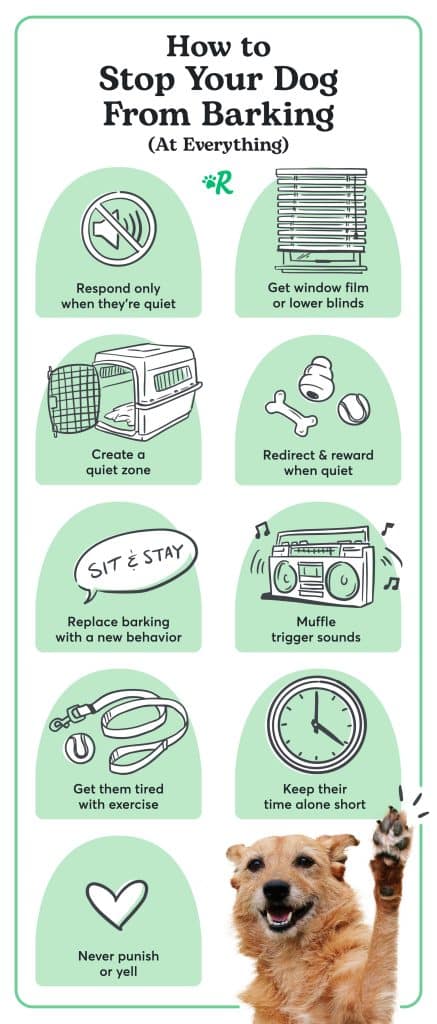
Image Source: www.rover.com
Why Is My Dog Barking in the Crate?
Before we can effectively stop dog barking in the crate, we need to decipher the underlying causes. Dogs communicate through barking, and when they’re in a crate, their vocalizations can signal a variety of needs or emotions.
Common Triggers for Crate Barking
- Newness and Unfamiliarity: If your dog is new to crating, the crate might feel like a strange or confining space. This can lead to vocalizations out of confusion or uncertainty.
- Boredom: A dog left in a crate for extended periods without mental or physical stimulation can become bored and bark to entertain itself or to signal its desire for activity.
- Attention Seeking: Some dogs learn that barking in the crate gets them attention, even if that attention is negative (like you telling them to be quiet). They might bark simply to get you to interact with them.
- Anxiety and Fear (Crate Anxiety/Separation Anxiety): This is a significant cause.
- Crate Anxiety: This refers to a general unease or fear associated with the crate itself. It might stem from a negative experience or simply a lack of positive association.
- Separation Anxiety: This is a more complex issue where a dog experiences distress when separated from its owner or primary caregiver. Crate confinement can exacerbate these feelings, leading to panic barking.
- Need to Go Potty: If your dog needs to relieve itself and has been in the crate for a while, it will likely bark to communicate this urgent need.
- Discomfort or Pain: While less common, an uncomfortable crate pad, an ill-fitting crate, or an underlying medical issue could cause a dog to bark.
- Excitement or Frustration: Some dogs bark when they hear or see things happening outside the crate, such as other pets or people. They might be excited to join in or frustrated that they can’t.
Establishing a Positive Crate Experience
The foundation of a quiet dog in its crate is a positive association with the crate itself. This is where proper crate training comes into play. The goal is to make the crate a safe, comfortable den – not a punishment.
H3: Making the Crate Appealing
- Location, Location, Location: Place the crate in a central area of the house where the family spends time. This allows your dog to feel included rather than isolated. Avoid placing it in a noisy or drafty area.
- Comfort is Key: Equip the crate with soft, comfortable bedding. Ensure the bedding is durable and washable, as accidents can happen, especially in the early stages of crate training.
- Familiar Scents: Placing a worn t-shirt or blanket that smells like you inside the crate can provide a sense of security.
- Positive Reinforcement: This is crucial for dog behavior modification. Every positive interaction with the crate should be rewarded.
H4: Gradual Introduction
Never force your dog into the crate. The introduction process should be slow and rewarding.
- Open Door Policy: Leave the crate door open during the day with attractive bedding inside. Toss treats or favorite toys into the crate to encourage exploration.
- Feeding Time: Feed your dog its meals inside the crate with the door open. Gradually start closing the door for short periods while your dog is eating.
- Short Durations: Once your dog is comfortable eating inside, start closing the door for a few minutes while you are still present in the room. Reward them with praise and treats when they are quiet.
- Increasing Time: Slowly increase the duration the door is closed, always ensuring your dog remains calm. If they start to bark, open the door, wait for them to settle, and try again with a shorter period.
H3: The Power of Positive Reinforcement
Positive reinforcement is about rewarding desired behaviors. For reducing barking in the crate, this means rewarding quietness and calm behavior.
- Treats and Praise: When your dog enters the crate voluntarily, settles down, or remains quiet, offer high-value treats and verbal praise.
- Toys: Durable, safe chew toys can keep your dog occupied and happy in the crate, diverting attention from barking. Puzzle toys are excellent for mental stimulation.
- Never Use the Crate for Punishment: This is a cardinal rule in dog training tips. If you punish your dog by sending them to the crate, they will develop negative associations with it, making crate anxiety worse.
Addressing Barking While Crated
Once your dog is generally comfortable with the crate, you might still encounter barking. Here’s how to address it effectively.
H3: Ignoring Attention-Seeking Barking
If you’ve ruled out other needs (potty, pain) and your dog is barking for attention, the best strategy is to ignore it.
- The Waiting Game: Wait for a brief moment of silence. Even a few seconds of quiet is a success.
- Reward the Quiet: As soon as your dog stops barking, calmly praise and reward them. This teaches them that quiet behavior gets them what they want.
- Consistency is Key: Everyone in the household must follow this protocol. Giving in even once can undo progress.
H3: Managing Separation Anxiety
Separation anxiety is a more challenging issue. If your dog’s barking is accompanied by other signs like pacing, drooling, or destructive behavior when you leave, it’s likely separation anxiety.
H4: Creating a Calm Departure Routine
- Low-Key Exits: Avoid overly emotional goodbyes. Keep your departures and arrivals calm and matter-of-fact.
- Pre-Departure Distraction: Engage your dog in a stimulating activity before you crate them. A good walk, play session, or training exercise can tire them out.
- Practice Short Absences: Start with very short departures (seconds, then minutes) while your dog is in the crate. Gradually increase the duration as they become comfortable.
- Desensitization: Make departures seem less significant. Pick up your keys, put on your coat, then sit back down. Repeat this until these actions no longer trigger your dog’s anxiety.
H4: Crate as a Safe Haven, Not a Prison
- Enrichment: Provide a special, long-lasting chew toy or a Kong filled with peanut butter or a favorite treat only when they go into the crate. This makes the crate a desirable place.
- Calming Aids: For severe cases, consider calming aids like pheromone diffusers (Adaptil), calming supplements (consult your vet), or a Thundershirt. These can help in calming a dog.
H3: Dealing with Boredom Barking
If your dog is barking out of boredom, the solution lies in providing adequate mental and physical stimulation.
- Exercise: Ensure your dog gets enough daily exercise. A tired dog is a less restless dog.
- Mental Stimulation: Puzzle toys, scent games, and training sessions are excellent for engaging your dog’s mind.
- Chew Toys: Provide a variety of safe and appealing chew toys in the crate.
H3: Addressing Potty Needs
If barking seems insistent and your dog is generally well-trained, consider if they need to go outside.
- Potty Breaks: Ensure your dog has had ample opportunity to relieve themselves before being crated, especially for longer periods.
- Scheduled Potty Breaks: For puppies or older dogs with less bladder control, establish a consistent potty schedule.
Advanced Strategies for Reducing Barking
When basic crate training and desensitization aren’t enough, consider these more advanced techniques.
H3: Desensitization and Counter-Conditioning
This is a powerful approach for crate anxiety and separation anxiety.
- Desensitization: Gradually expose your dog to the crate or the situation that triggers barking at a very low intensity, so low that they don’t react negatively.
- Counter-Conditioning: Pair these low-intensity exposures with positive experiences (treats, praise). The goal is to change your dog’s emotional response from negative to positive.
Example: If your dog barks when you put on your shoes, start by putting on your shoes and immediately giving your dog a high-value treat. Do this multiple times without leaving. Gradually increase the duration you wear the shoes.
H3: The Importance of a Schedule
A predictable routine is vital for many dogs, especially those prone to anxiety.
- Consistent Feeding Times: Regular meal times help regulate their digestive system and can reduce sudden urges to go potty.
- Regular Exercise: Scheduled walks and playtime help burn energy and prevent boredom.
- Crate Time: Integrate crate time into the daily schedule, making it a natural part of their day, not a punitive measure.
H3: When to Seek Professional Help
While many barking issues can be resolved with consistent training, some dogs may require professional intervention.
- Veterinarian: Rule out any underlying medical conditions that could be causing discomfort or behavioral changes.
- Certified Professional Dog Trainer (CPDT-KA/KSA): A qualified trainer can assess your dog’s dog behavior, identify specific triggers for dog barking, and create a personalized crate training plan. They can offer expert advice on reducing barking and calming a dog.
- Veterinary Behaviorist: For severe cases of separation anxiety or extreme crate anxiety, a veterinary behaviorist can offer a comprehensive treatment plan, which may include medication in conjunction with behavioral modification.
Troubleshooting Common Crate Barking Scenarios
Here’s a quick look at common situations and how to address them.
H3: My Dog Barks the Moment I Leave the Room
- Problem: Likely separation anxiety or attention seeking.
- Solution: Practice short absences, make departures low-key, and ensure your dog is exercised and mentally stimulated before you leave. Reward quiet when you return.
H3: My Dog Barks All Night in the Crate
- Problem: Could be potty needs, discomfort, or learned behavior.
- Solution: Ensure ample potty breaks before bed. Check crate comfort. If it’s attention-seeking, ignore it (if you can). Consider if the crate is in too stimulating an environment.
H3: My Puppy Barks Excessively in the Crate
- Problem: Puppies are still learning. They may have high energy, need frequent potty breaks, or be experiencing separation anxiety.
- Solution: Focus heavily on crate training and positive associations. Keep crate sessions short initially. Ensure potty breaks are frequent. Never scold for barking.
Crate Barking: What Not To Do
Certain approaches can inadvertently worsen barking and crate anxiety.
H3: Avoid Punishment
- No Yelling: Shouting at your dog to be quiet will likely just add to their stress and may even be perceived as attention.
- No Physical Punishment: Never hit or physically punish your dog for barking. This can create fear and aggression.
H3: Don’t Let Them Out When Barking
- Reinforcing the Behavior: If you let your dog out of the crate when they are barking, you are teaching them that barking gets them what they want. Wait for a pause in barking.
H3: Don’t Make the Crate a Negative Place
- No Crating for Punishment: As mentioned earlier, this is crucial.
Crate Training Success Factors
Achieving a quiet dog in its crate is a journey. Here are some factors that contribute to success:
| Factor | Importance | How to Implement |
|---|---|---|
| Patience | Essential for dog training tips. | Take your time; don’t rush the process. |
| Consistency | Reinforces desired dog behavior. | Everyone in the household must follow the same rules. |
| Positive Reinforcement | Builds a positive association with the crate. | Reward quiet, calm behavior generously with treats and praise. |
| Understanding Triggers | Helps address the root cause of barking. | Observe your dog to identify why they are barking (anxiety, boredom, etc.). |
| Appropriate Crate Size | Ensures comfort and security. | The crate should be large enough for your dog to stand, turn around, and lie down. |
| Mental & Physical Stimulation | Reduces boredom and excess energy. | Regular exercise, training, and puzzle toys. |
Frequently Asked Questions (FAQ)
Q1: How long should I leave my dog in the crate?
A1: This depends on your dog’s age, training level, and individual needs. Puppies need more frequent potty breaks. Adult dogs can typically stay in a crate for a few hours, but never leave them for excessively long periods (e.g., a full workday without a break). For separation anxiety, start with very short durations.
Q2: My dog barks as soon as I close the crate door. What do I do?
A2: This indicates the dog is not ready for the door to be closed. Go back to earlier stages of crate training. Ensure the crate is a positive place, and practice closing the door for only a second or two, rewarding immediately, and gradually increasing.
Q3: Can I use a muzzle to stop my dog from barking in the crate?
A3: No. Muzzles are for preventing biting, not for stopping barking. Using a muzzle in a crate would be inhumane and could cause further distress and anxiety. Focus on positive reinforcement and addressing the root cause of the dog barking.
Q4: My dog only barks when I’m not home. Is this separation anxiety?
A4: It’s a strong indicator. If the barking is accompanied by destructive behavior, house soiling, or excessive drooling when you are absent, it’s very likely separation anxiety. Consult a professional for tailored advice on calming a dog with this issue.
Q5: How can I make my dog quiet in the crate without using treats?
A5: While positive reinforcement with treats is highly effective, you can also use verbal praise, gentle petting (if your dog finds it calming), or a favorite toy as rewards. The key is to associate the crate with something positive.
Q6: Is it normal for a dog to whine a little in the crate?
A6: A little whining might be okay as they adjust, but persistent, distressed barking or howling is not. The goal is to achieve a quiet dog. If the whining is constant or escalating, it signals that your current approach needs adjustment.
In conclusion, getting your dog to stop barking in the crate requires a deep dive into the reasons behind the vocalizations and a commitment to building positive associations. By employing crate training with positive reinforcement, addressing potential separation anxiety or crate anxiety, and understanding your dog’s individual dog behavior, you can guide them towards becoming a quiet dog in their safe space. Remember, patience and consistency are your greatest allies in this dog training journey, ultimately leading to a more peaceful coexistence for both you and your beloved canine companion.