
When deciding how deep to bury a dog, the generally accepted humane pet burial depth is between 3 to 5 feet from the surface of the ground to the top of the burial container. This depth is crucial for several reasons, primarily to deter scavengers and to prevent the grave from collapsing due to erosion or decomposition. It also respects the dignity of your beloved pet and ensures compliance with common animal burial guidelines.
Losing a cherished pet is an incredibly difficult experience. Amidst the grief, making arrangements for their final resting place can feel overwhelming. For many pet owners, a backyard burial offers a sense of closeness and a tangible place to mourn. However, proper pet burial is not just about digging a hole; it involves understanding specific guidelines to ensure a safe, respectful, and environmentally sound disposition for your animal companion. This article will delve into the critical aspects of pet burial, focusing on dog burial depth, as well as other important considerations for a proper pet burial depth.
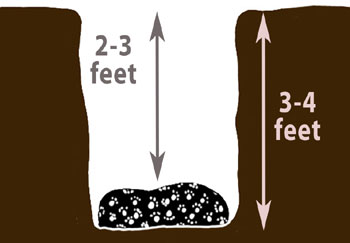
Image Source: www.dfordog.co.uk
The Importance of Depth: Why a Deep Grave Matters
The question of how deep is a pet grave is paramount. A shallow grave can attract unwanted attention from wildlife, including scavenging animals, which can be distressing for owners. Deeper graves also provide better insulation against extreme weather, protecting the remains and preventing premature exposure. Furthermore, adhering to a recommended dog burial depth helps prevent the ground from sinking significantly over time as decomposition occurs, which could lead to an unsightly or exposed burial site.
Protecting Against Scavengers
One of the primary reasons for establishing a minimum pet burial depth is to deter scavengers. Animals like raccoons, foxes, or even stray dogs can easily dig up shallow graves. A depth of 3 to 5 feet generally places the remains beyond their reach and sniffing capabilities. This helps maintain the sanctity of the burial site and prevents further emotional distress for the grieving family.
Preventing Erosion and Ground Collapse
Over time, natural processes like rain and frost can affect the soil. A shallower grave is more susceptible to erosion, potentially exposing the remains. A deeper burial provides a greater buffer against these environmental factors, ensuring the grave remains stable and intact. This contributes to the long-term integrity of the pet grave depth.
Environmental Considerations
While often overlooked, the depth of a pet grave can also have environmental implications. Deeper burials allow for a more gradual decomposition process, facilitated by soil microbes. This helps return nutrients to the earth without posing a risk of contamination to groundwater sources, especially if the pet received any medications or treatments. Proper animal burial guidelines often implicitly support deeper burials for this reason.
Deciphering Dog Burial Regulations and Guidelines
Before you start digging, it’s essential to be aware of any local dog burial regulations or ordinances. While many areas are permissive of backyard pet burials, some may have specific requirements regarding depth or location, especially in areas with high water tables or dense populations. These animal burial guidelines are in place to protect public health and the environment.
Local Ordinances and Restrictions
- Check with Your Municipality: The first step is always to contact your local animal control, public works department, or even your veterinarian’s office. They can inform you about any specific laws or restrictions concerning pet burials in your area.
- Zoning Laws: Some residential areas might have zoning laws that prohibit or restrict in-ground burials of any kind, including pets.
- Septic Systems and Water Sources: Ensure the burial site is not too close to septic systems, wells, or natural water sources like streams or ponds. A general guideline is to maintain a significant distance, often at least 100 feet.
State-Level Regulations
While less common for individual pet burials, some states may have overarching regulations regarding the disposal of animal remains. These are often more focused on commercial pet cemeteries or veterinary facilities but are worth being aware of.
Humane Practices
The concept of humane dog burial depth is intrinsically linked to respecting the animal’s remains. This includes ensuring a peaceful transition and a dignified burial that minimizes potential disturbance. This is why the recommended depth is so important – it’s about providing a secure and lasting resting place.
Planning the Burial: Site Selection and Preparation
Choosing the right location for your pet’s final resting place is a deeply personal decision. Consider both practical and emotional factors when selecting a spot.
Choosing the Right Spot
- Personal Significance: Many owners choose a favorite spot in their yard – a place where their dog loved to play, rest, or simply be near their family.
- Visibility and Accessibility: You might want a spot that is visible and accessible, allowing you to visit easily and remember your pet.
- Soil Conditions: Avoid areas that are prone to flooding or waterlogging. Also, consider if the soil is easy to dig or if it’s very rocky.
- Future Considerations: Think about future landscaping plans for your yard. You wouldn’t want to disturb the grave years down the line.
Tools and Materials for a Proper Pet Grave
Gathering the necessary tools before you begin will make the process smoother.
- Shovel: A sturdy, well-made shovel is essential. You might need a spade for cutting sod and a digging shovel for depth.
- Measuring Tape: To ensure you reach the correct pet grave depth.
- Grave Liner (Optional but Recommended): While not always required by dog burial regulations, a grave liner made of concrete, plastic, or even a sturdy wooden box can provide additional support and prevent ground collapse. This is a key component of a lasting pet grave depth.
- Marking Material: A rock, a small plaque, or a special plant can be used to mark the grave.
The Digging Process: Achieving the Correct Pet Burial Depth
Achieving the correct dog burial depth requires diligence. The goal is to dig a hole that is deep enough to accommodate your pet and any burial container, with at least 3 feet of soil covering the top of the container.
Step-by-Step Guide
- Measure and Mark: Determine the desired pet grave depth. For a typical dog, this means digging a hole that is at least 3 feet deep from the surface to the bottom of the grave, and ideally up to 5 feet deep. This ensures ample cover.
- Start Digging: Begin digging. If you are using a grave liner, ensure the hole is wide and long enough to accommodate it comfortably.
- Maintain Depth: Use your measuring tape regularly to confirm you are reaching the required dog burial depth. It’s better to dig slightly deeper than not deep enough.
- Soil Placement: As you dig, pile the excavated soil to one side. You will use this to backfill the grave later. If the soil is very wet, you might want to place it on a tarp to prevent the area from becoming muddy.
- Placing Your Pet: Once the grave reaches the appropriate pet burial depth, carefully place your pet (or their container) into the hole. If you have a grave liner, place that in the hole first.
- Backfilling: Begin backfilling the grave with the excavated soil. Try to fill it evenly around the remains or container.
- Compacting the Soil: Gently compact the soil as you fill to prevent excessive settling later.
What About Burial Containers?
Many pet owners choose to bury their dogs in a container for several reasons:
- Protection: A container, such as a pet casket or a sturdy box, offers protection to the pet’s body.
- Ease of Handling: It can make the process of lowering the pet into the grave easier.
- Durability: Some materials offer more protection against the elements and soil pressure, contributing to the longevity of the pet grave depth.
- Compliance: In some instances, dog burial regulations might specify or suggest the use of a container, though this is less common for private backyard burials.
Common materials for pet burial containers include wood, biodegradable plastic, or specialized pet caskets. The choice of container might influence the exact dimensions of the grave you need to dig to maintain the correct dog burial depth.
Alternatives to Backyard Burial
While backyard burial is a popular choice, it’s not the only option, and it’s important to know your choices for pet funeral depth and disposition.
Pet Cemeteries
Dedicated pet cemeteries offer a formal and often beautifully maintained resting place for your pet. They handle all the arrangements, including ensuring proper pet burial depth and often provide headstones and ongoing upkeep.
Cremation
Cremation is another widely chosen option.
- Individual Cremation: Your pet is cremated alone, and their ashes are returned to you in an urn. You can then choose to keep the urn, scatter the ashes in a meaningful location, or bury them.
- Communal Cremation: Pets are cremated together, and ashes are not returned to the owner. This is a more economical option.
If you choose to bury cremated remains, the depth requirement is less stringent, as decomposition is not a factor. However, a depth of at least 1-2 feet is still advisable to deter scavengers and mark the spot.
Aquamation (Water Cremation)
This is a gentler, more eco-friendly alternative to flame cremation. It uses water and alkaline chemicals to break down the body, leaving behind bone fragments similar to cremation. The resulting “ashes” can be scattered or buried.
Frequently Asked Questions About Pet Burial Depth
Q1: How deep do I need to bury my dog in my backyard?
A: The standard recommendation for humane dog burial depth is 3 to 5 feet from the surface of the ground to the top of the burial container. This depth helps prevent scavengers from disturbing the grave and protects against erosion.
Q2: Are there specific dog burial regulations I need to follow?
A: Yes, it’s crucial to check local dog burial regulations and ordinances in your specific area. These can vary, but often involve minimum depth requirements and restrictions on proximity to water sources and property lines.
Q3: What is the proper pet burial depth if I’m using a casket?
A: The pet burial depth requirements remain the same whether you use a casket or not. The 3 to 5 feet of soil cover is measured from the surface to the top of the casket.
Q4: What if my dog is very large? Does that change the required depth?
A: While the dog burial depth recommendation is generally consistent, a larger dog might require a wider and longer grave. Ensure the grave is deep enough to allow for at least 3 feet of soil cover over the entire length and width of the burial.
Q5: Can I bury my pet anywhere in my yard?
A: You should select a location that complies with local animal burial guidelines. Avoid areas near wells, septic systems, or property lines. Also, consider future landscape plans to ensure the grave won’t be disturbed.
Q6: What is the recommended pet grave depth for cremation ashes?
A: If you are burying cremated remains, the depth requirement is less strict. A depth of 1 to 2 feet is usually sufficient to protect the urn from disturbance.
Q7: Does the type of soil affect the required pet burial depth?
A: While not a direct factor in the required depth itself, soil type can affect stability. If you have very sandy or loose soil, ensuring adequate depth and perhaps using a liner can help maintain the integrity of the grave.
Q8: Is there a minimum distance from property lines for a pet grave?
A: While specific dog burial regulations will dictate this, it’s generally advisable to keep a significant distance from property lines, typically at least 10 to 20 feet, to avoid potential issues with neighbors.
Q9: What is a humane dog burial depth in terms of respecting the animal?
A: The 3 to 5 feet depth is considered humane because it provides a secure, undisturbed resting place, shielding the pet’s remains from scavengers and environmental disruption, thereby honoring their memory.
Q10: Where can I find information on pet funeral depth regulations?
A: You can typically find information on pet funeral depth and burial regulations from your local government offices (e.g., city hall, county clerk), animal control services, or sometimes through your veterinarian.
Conclusion
Making the decision to bury your dog in your backyard is a significant one, offering a tangible connection to your beloved companion. By adhering to best practices, particularly regarding dog burial depth, you ensure a dignified, safe, and respectful final resting place. Always remember to research local dog burial regulations to ensure compliance and to choose a location that holds meaning for you and your family. This careful consideration will help provide peace of mind during a difficult time, honoring the love and loyalty your pet shared.