
Image Source: i.ytimg.com
How To Teach Dog To Heal: Proven Methods
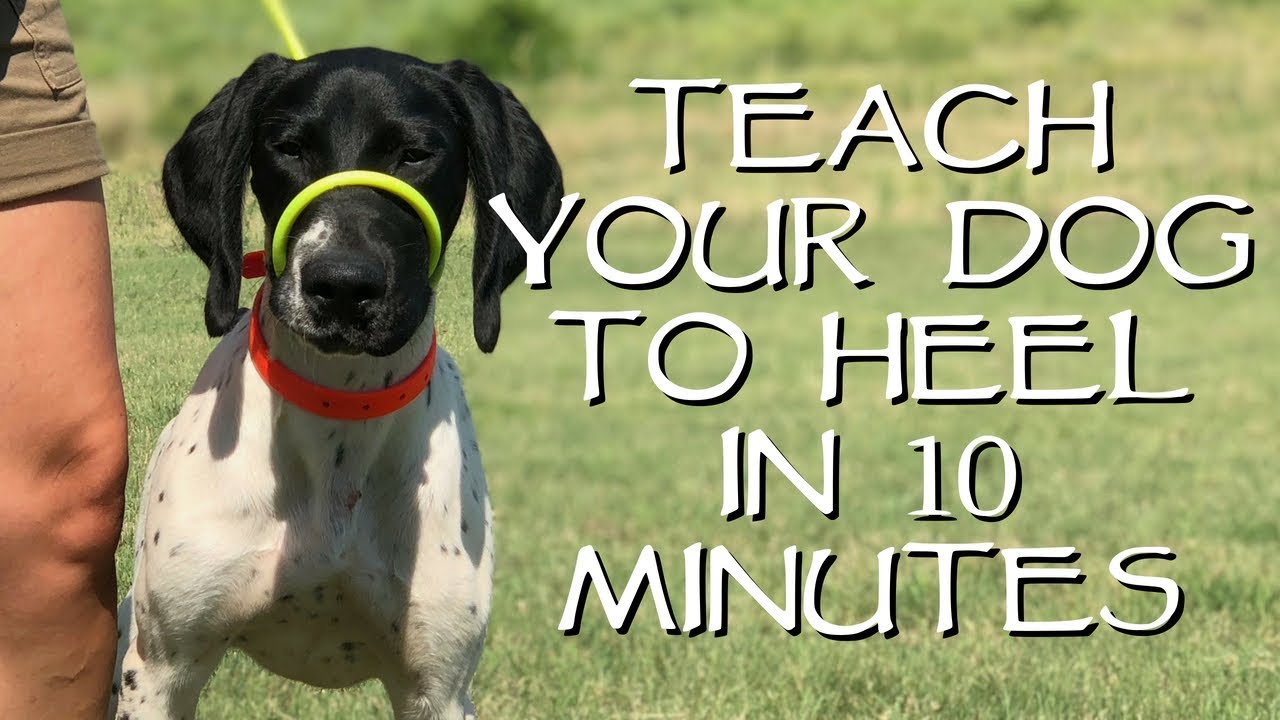
What is the heel command and can I teach my dog to heel? Yes, the heel command is a fundamental aspect of dog obedience training where your dog walks beside you on a leash, typically on your left side, in a focused and controlled manner. You can absolutely teach your dog to heel with consistent training, patience, and the right techniques. This guide will walk you through proven methods for teaching your dog to walk politely on a leash, focusing on the “heel” command.
Mastering the art of teaching your dog to heel is a cornerstone of good dog ownership, fostering a stronger bond and making walks more enjoyable for both of you. It’s about more than just a dog walking nicely beside you; it’s a demonstration of trust, communication, and partnership. This comprehensive guide will delve into effective strategies for canine leash training, ensuring your dog develops excellent leash manners.
The Foundations of Loose Leash Walking
Before diving into the formal “heel” command, it’s crucial to establish the groundwork for loose leash walking dog. This means your dog walks beside you without pulling, lagging, or lunging. Teaching dog to walk on leash effectively starts with understanding what your dog needs and how they learn.
- Positive Reinforcement Dog Training: This is the most effective and humane approach. It involves rewarding desired behaviors with treats, praise, or toys, making the learning process enjoyable for your dog.
- Consistency is Key: Everyone in the household should use the same commands and reward system. Regular, short training sessions are more effective than infrequent long ones.
- Appropriate Equipment: A well-fitting flat collar or a front-clip harness can be excellent tools for leash manners for dogs. Avoid choke chains or prong collars, which can cause pain and fear.
- Patience and Understanding: Every dog learns at their own pace. Some may grasp concepts quickly, while others require more time and repetition. Celebrate small victories!
Preparing for Heel Training
Dog obedience heel training requires preparation. You need to have the right gear and a clear understanding of your dog’s motivations.
Essential Equipment:
- High-Value Treats: Small, soft, and extra-tasty treats your dog loves. These should be more exciting than everyday kibble.
- A Standard Leash: A 4-6 foot nylon or leather leash is ideal. Avoid retractable leashes, as they offer less control.
- A Comfortable Collar or Harness: A flat buckle collar or a front-clip harness is recommended. Ensure it fits snugly but comfortably.
- A Quiet Training Space: Begin training in a low-distraction environment, like your living room or backyard.
Step-by-Step: Teaching the Heel Command
The heel command dog essentially tells your dog to position themselves in a specific spot next to you and stay there while you move. This involves rewarding the desired position.
Phase 1: Introducing the Position
- Get Your Dog’s Attention: Stand with your dog on your left side. Hold a treat in your left hand, near your dog’s nose.
- Lure Them into Position: Move the treat from your dog’s nose to your left hip, luring them to walk with you. As they move, praise them in a happy tone.
- Reward the Position: When your dog is in the correct position (shoulder next to your hip), immediately say your chosen heel command dog (“Heel!”) and give them the treat.
- Take a Few Steps: Take one or two steps forward. If your dog stays with you, praise and reward.
- Repeat and Gradually Increase Steps: Continue taking a few steps, rewarding for staying in position.
- Tip: Keep training sessions short, 5-10 minutes, several times a day.
Phase 2: Adding Movement and Direction Changes
Once your dog is reliably staying in position for a few steps, it’s time to introduce more movement.
- Walking with the Heel Command: Start by walking around your training space. Use the “Heel” command as you begin to move.
- Reward Frequent Positional Successes: Every few steps, pause, praise, and reward your dog for being in the correct heel position.
- Introducing Turns: When walking, smoothly turn left or right. Reward your dog for adjusting their position to stay with you.
- Stopping: Practice stopping. When you stop, your dog should also stop and remain in the heel position. Reward them for this.
- Common Issue: If your dog lags behind, gently lure them forward with a treat. If they pull ahead, stop walking immediately until the leash slackens.
Phase 3: Increasing Distractions and Duration
The real test of dog training heel is when distractions are present.
- Gradual Introduction of Distractions: Move your training sessions to slightly more distracting environments, such as a quiet park or street.
- Increase Duration: Gradually increase the length of your walks where you expect your dog to heel.
- Vary Your Pace and Turns: Walk faster, slower, make more turns, and even change directions abruptly. Reward your dog for successfully following you.
- Manage Pulling: If your dog pulls, stop walking. Only resume when the leash is slack. You can also try changing direction. When your dog is on your left and pulls ahead, turn and walk in the opposite direction. When they catch up and are beside you with a loose leash, reward them.
- Focus on the Bond: Remember, this is about building a partnership. Keep it positive and fun.
Refining Loose Leash Walking
Loose leash walking dog is the foundation upon which the heel command is built. If your dog consistently pulls, the heel command will be harder to achieve.
Techniques to Refine Loose Leash Walking:
- The “Stop-Start” Method: As soon as you feel tension on the leash, stop walking. Do not move forward again until the leash slackens. This teaches your dog that pulling makes the walk stop.
- “Turn-Around” Method: If your dog pulls ahead, turn 180 degrees and walk in the opposite direction. When your dog catches up and is walking beside you with a loose leash, praise and reward.
- Rewarding Slack: Actively reward your dog with treats and praise whenever the leash is loose, even if they aren’t in the perfect heel position yet. This encourages them to keep the leash slack.
- Varying Rewards: Don’t always give a treat. Sometimes a cheerful “Good boy/girl!” or a quick pet can be just as rewarding.
The “Heel” Command vs. Loose Leash Walking
It’s important to differentiate between general loose leash walking and the formal heel command dog.
| Feature | Loose Leash Walking | Heel Command |
|---|---|---|
| Primary Goal | Dog walks beside owner without pulling. | Dog walks in a specific position beside owner with focused attention. |
| Position | Can vary slightly, as long as leash is loose. | Precise position, typically shoulder at owner’s hip. |
| Attention | May notice surroundings. | Primarily focused on the handler. |
| Application | Everyday walks, general leash manners. | Specific training exercises, obedience trials, controlled environments. |
| Reinforcement | Rewarding slack leash, stopping pulling. | Rewarding correct position and focus. |
Troubleshooting Common Challenges in Heel Training
Even with the best way to teach dog heel, you might encounter obstacles. Here’s how to address them:
Your Dog Constantly Pulls Ahead or Lagging Behind
- Why it happens: Your dog hasn’t learned the value of staying by your side, or they are easily distracted.
- Solution: Revisit the foundational steps. Use higher-value treats. Employ the “stop-start” or “turn-around” methods consistently. Ensure you are rewarding frequently enough when they are in the correct position. Increase the value of your rewards.
Your Dog Gets Distracted Easily
- Why it happens: The environment is too stimulating, or your dog doesn’t find staying with you rewarding enough compared to the distractions.
- Solution: Go back to a less distracting environment. Gradually reintroduce distractions. Use extremely high-value treats. Practice dog recall training – if your dog gets too far ahead or pulls away, call them back to your side with a happy tone and reward them for returning. This reinforces that coming back to you is a good thing.
Your Dog Tries to Chew the Leash
- Why it happens: Boredom, anxiety, or a desire for attention.
- Solution: Ensure your dog is getting enough physical and mental exercise. Offer appropriate chew toys during downtime. If they chew the leash while walking, stop immediately, take the leash gently, and redirect their attention to a toy or treat. Never let them “win” by getting what they want through chewing.
Your Dog Is Fearful or Anxious During Training
- Why it happens: Negative past experiences, or the training is progressing too quickly.
- Solution: Slow down the pace. Ensure all interactions are positive and rewarding. If your dog shows fear, remove them from the distracting situation and return to a comfortable environment. Consult a professional dog trainer or behaviorist if anxiety is severe. This highlights the importance of positive reinforcement dog training – it builds confidence.
Making Heel Training Fun and Rewarding
The success of canine leash training, especially for the heel command, hinges on making it a positive experience for your dog.
- Celebrate Small Wins: Did your dog stay in position for five steps instead of three? That’s progress! Shower them with praise and a treat.
- Incorporate Play: Keep the energy light. You can even incorporate a fun spin or a quick game of “catch the treat” as a reward.
- Vary Rewards: Mix up treats, praise, and occasional toy rewards to keep your dog engaged.
- End on a High Note: Always try to end your training sessions with a success, even if it’s just a few good steps. This keeps your dog eager for the next session.
Advanced Heel Techniques and Considerations
Once your dog has a solid grasp of the heel command in controlled environments, you can introduce more advanced elements.
Introducing the Verbal Cue “Heel”
We’ve been using the verbal cue as we lure. Now, make sure your dog associates the word with the action.
- Say “Heel” as They Get into Position: As your dog naturally moves into the correct heel position beside you, say “Heel!” and immediately reward.
- Say “Heel” Before Luring: With your dog in heel position, say “Heel,” then lure them a few steps, and reward.
- Fade the Lure: Gradually reduce your reliance on the lure. Start by making smaller hand movements, then eventually just a subtle shift of your body or a pointed finger. Reward when they follow the reduced cue.
Off-Leash Heel
For highly trained dogs, an off-leash heel is possible. This requires an exceptionally strong bond and a reliable dog recall training.
- Practice in a Safe, Enclosed Area: Start in a fenced yard or a securely enclosed training facility.
- Use Verbal and Hand Signals: Rely on your verbal cue and subtle body language.
- Reward Extensively: When your dog stays in position off-leash, the rewards should be exceptional.
- Increase Distractions Slowly: Gradually introduce mild distractions while off-leash.
- Safety First: Never attempt off-leash heel in unsecured areas until your dog’s reliability is absolute.
Different Types of Walks
- Structured Walks: These are your formal training walks where the heel command is expected.
- Enrichment Walks: These are walks where your dog has more freedom to sniff and explore (while still maintaining loose leash walking). It’s important to distinguish between the two so your dog knows what is expected.
The Role of Socialization in Training
Proper socialization is crucial for building a confident dog who can handle various situations. A well-socialized dog is less likely to be fearful or reactive, making leash manners for dogs and heel training much easier. Introduce your puppy to a wide variety of sights, sounds, people, and other well-behaved dogs from a young age.
FAQ: Your Questions About Teaching Your Dog to Heel Answered
Q1: What is the best way to teach a dog to heel?
The best way to teach a dog to heel is through consistent, positive reinforcement training, starting with loose leash walking basics and gradually introducing the specific “Heel” cue and position in controlled environments, progressively adding distractions.
Q2: How long does it take to teach a dog to heel?
The time it takes varies greatly depending on the dog’s age, breed, previous training, and the owner’s consistency. Some dogs may learn the basics in a few weeks, while achieving a reliable heel command with distractions can take several months.
Q3: My dog pulls on the leash. How can I stop this before teaching heel?
Focus on teaching loose leash walking first. Implement the “stop-start” and “turn-around” methods, and reward your dog generously whenever the leash is slack. Ensure you are using appropriate equipment and that your dog has enough mental and physical stimulation.
Q4: Can I teach an older dog to heel?
Yes, you can teach an older dog to heel, though it might take more patience as they may have established habits. Focus on positive reinforcement and breaking down the steps into manageable chunks.
Q5: Should I use a verbal cue or a hand signal for heel?
It’s often beneficial to use both a verbal cue (“Heel”) and a subtle hand signal (like pointing to your hip). This provides your dog with multiple ways to understand the command, especially in noisy environments.
Q6: What if my dog is more interested in sniffing than heeling?
This is common. You need to make staying with you more rewarding than sniffing. Use high-value treats and praise when they are in position. Designate specific times for sniffing on “enrichment walks” so they know when it’s okay to explore.
Teaching your dog to heel is a rewarding journey that strengthens your relationship and makes your outdoor adventures more pleasant. By employing consistent positive reinforcement dog training, understanding your dog’s needs, and practicing patience, you can achieve excellent dog obedience heel and enjoy the benefits of a well-behaved canine companion. Remember, every step forward, no matter how small, is a victory in dog training heel.