
A dog typically receives its first rabies vaccine between 3 and 6 months of age, followed by a booster dose one year later. After that, dog rabies booster frequency generally follows a veterinary recommendation based on state rabies laws and the specific vaccine used, often every one to three years.
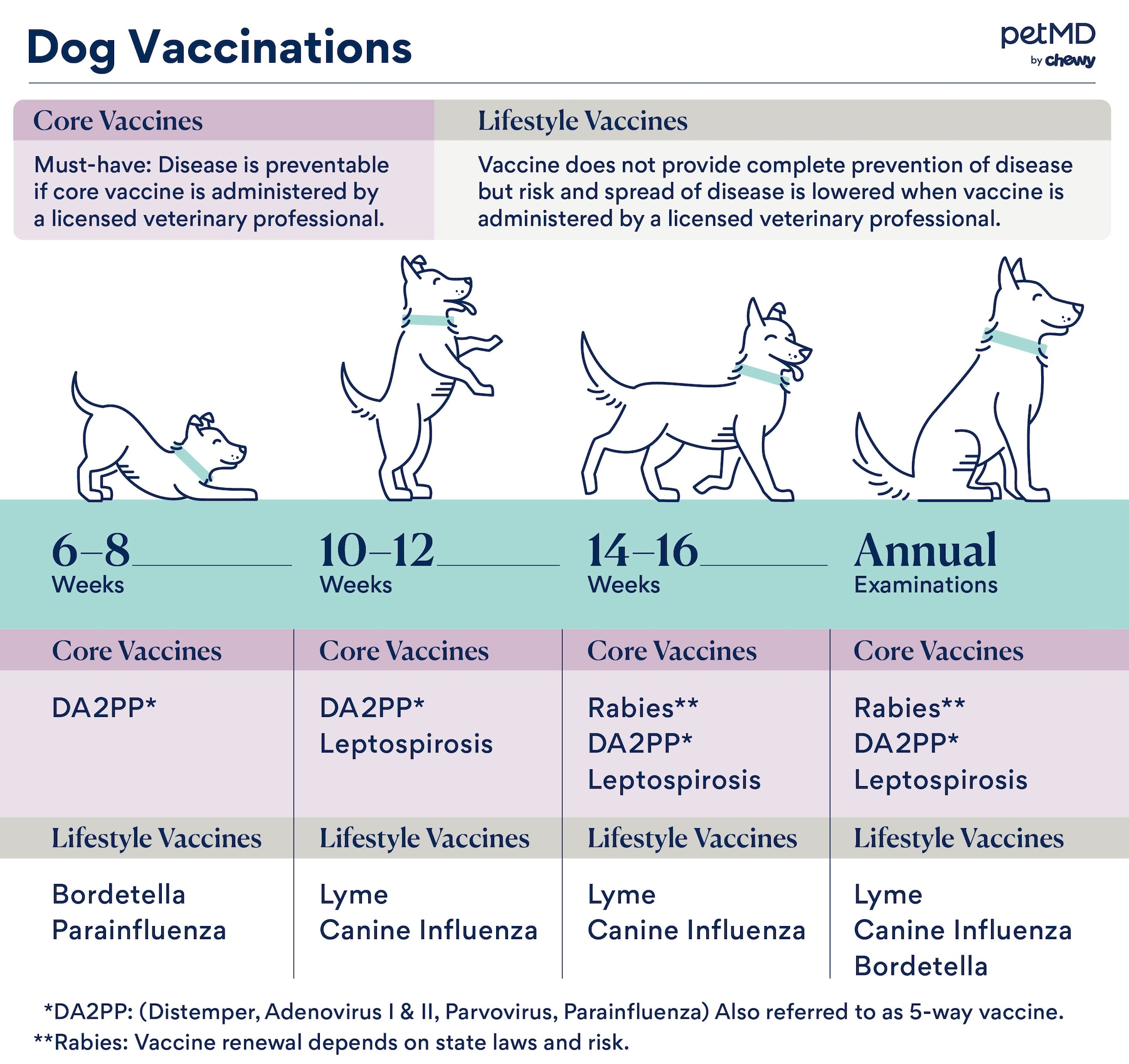
Image Source: image.petmd.com
The Importance of Rabies Vaccination for Your Dog
Rabies is a deadly viral disease that affects the nervous system of warm-blooded animals, including dogs and humans. It is transmitted through the saliva of an infected animal, usually via a bite. Once symptoms appear, rabies is almost always fatal. This grim reality underscores the critical importance of dog rabies vaccination as a public health measure and a vital component of your dog’s preventive healthcare. Protecting your canine companion from this zoonotic disease (one that can spread from animals to humans) is a responsibility that cannot be overstated.
Why Rabies Vaccination is Non-Negotiable
- Public Health Protection: Rabies is a significant threat to both animal and human populations. By vaccinating your dog, you are not only safeguarding their health but also contributing to community safety by preventing the potential spread of the virus.
- Legal Requirements: Many states and local municipalities have mandatory rabies laws that require dogs to be vaccinated against rabies. Failure to comply can result in fines and other penalties.
- Peace of Mind: Knowing your dog is protected against rabies offers invaluable peace of mind, especially if your dog enjoys outdoor adventures, interacts with other animals, or lives in an area where wildlife encounters are common.
Deciphering the Rabies Vaccination Schedule
The rabies vaccination schedule for dogs is not a one-size-fits-all approach. It’s a carefully planned strategy designed to provide continuous immunity throughout a dog’s life. This schedule is influenced by several factors, including the age of the dog, the type of vaccine administered, and local regulations.
Puppy Rabies Shots: The Crucial First Steps
The journey of rabies protection begins in puppyhood.
Initial Vaccination
- Age: Puppies are typically eligible for their first rabies vaccination between 3 to 6 months of age. The exact timing can vary slightly depending on the veterinarian’s assessment of the puppy’s overall health and the presence of maternal antibodies (which can interfere with vaccine effectiveness).
- Vaccine Type: The initial rabies vaccine administered to puppies is often a one-year vaccine. This means a booster will be required within a year of the first dose.
The First Booster
- Timing: The first booster dose is usually given one year after the initial vaccination. This is a critical step in establishing long-term immunity.
- Purpose: This booster ensures that the immunity generated by the first vaccine has been maintained and strengthened. It bridges the gap between early puppyhood and the longer-lasting immunity provided by subsequent vaccines.
Adult Dog Rabies: Maintaining Lifelong Protection
Once a dog has completed its initial puppy vaccination series and received its first booster, the subsequent dog rabies booster schedule becomes a bit more nuanced.
Ongoing Boosters
- Frequency: The frequency of booster shots for adult dogs is determined by a combination of factors:
- Vaccine Label Claims: Manufacturers of rabies vaccines provide guidelines on their efficacy period. Historically, this was often annually. However, newer vaccines have demonstrated efficacy for up to three years.
- State and Local Laws: As mentioned, state rabies laws dictate the minimum required vaccination interval. These laws are often based on the duration of immunity demonstrated by licensed vaccines.
- Veterinary Recommendation: Your veterinarian will consider the dog’s lifestyle, geographic location, risk of exposure, and the specific vaccine used when advising on the rabies vaccination schedule.
- Common Intervals:
- Annual Vaccination: Some veterinarians may still recommend an annual rabies vaccine, especially in high-risk areas or if the dog is frequently exposed to other animals. This approach ensures the highest level of consistent protection.
- Triennial Vaccination: For many dogs, especially those vaccinated with a vaccine proven to be effective for three years, a dog rabies booster every three years is a common and recommended practice. This is often aligned with the duration of immunity indicated by the vaccine manufacturer and supported by veterinary research.
The Role of Vaccine Protocols
Vaccine protocols are developed by veterinary organizations and individual practices to ensure optimal health for pets. These protocols are constantly evolving as new research emerges regarding vaccine duration and efficacy. Your veterinarian stays abreast of these developments to provide the best care.
Factors Influencing the Rabies Vaccination Schedule
Several elements play a role in determining how often your dog needs a rabies vaccine. It’s a dynamic process tailored to individual needs.
State Rabies Laws: The Legal Mandate
State rabies laws are the bedrock of rabies control. These laws are established to protect public health and are based on scientific evidence of vaccine efficacy.
- Minimum Intervals: Most states specify a minimum interval between rabies vaccinations. This typically means that after the initial puppy vaccination and the one-year booster, subsequent vaccinations cannot be given more frequently than the vaccine’s approved duration of immunity.
- Record Keeping: It is crucial to keep accurate records of your dog’s rabies vaccinations. These records are often required by law for licensing, travel, and in cases of animal bites.
Vaccine Type and Duration of Immunity
The type of rabies vaccine used significantly impacts the vaccination schedule.
- Traditional Vaccines: Some older rabies vaccines were approved for a one-year duration of immunity. If your dog received one of these, annual boosters would have been the standard.
- Modified-Live and Recombinant Vaccines: Modern rabies vaccines, often using modified-live virus or recombinant DNA technology, have demonstrated longer durations of immunity, typically three years. Using these vaccines allows for the triennial booster schedule.
Lifestyle and Risk of Exposure
Your dog’s daily life and environment play a crucial role in the veterinary recommendation for their rabies vaccination.
- High-Risk Environments: Dogs that frequently interact with other animals, spend a lot of time outdoors, live in rural areas with abundant wildlife (like bats, raccoons, foxes, and skunks), or travel to rabies-endemic regions are at a higher risk of exposure.
- Low-Risk Environments: Dogs that primarily live indoors and have minimal contact with unfamiliar animals might be considered lower risk. However, even indoor dogs can encounter rabies through contact with bats or other wildlife that might enter the home.
Rabies Titer Testing: A Measure of Immunity
A rabies titer test measures the level of antibodies in a dog’s blood that are specific to the rabies virus.
- Purpose of Titer Tests: While not a replacement for vaccination, rabies titer tests can be useful in specific situations, particularly for dogs traveling internationally or for owners who are concerned about over-vaccination.
- Limitations:
- Not a Substitute for Booster: A positive rabies titer test does not eliminate the need for booster vaccinations according to legal requirements and veterinary recommendation. Laws in many jurisdictions require proof of vaccination, not just a positive titer.
- Interpretation: A titer test indicates that the immune system has responded to the vaccine, but it doesn’t definitively correlate with absolute protection against a challenge from the wild virus. The effectiveness of a titer test in predicting immunity duration is still an area of ongoing research.
Addressing Common Concerns About Rabies Vaccines
As with any medical intervention, pet owners may have questions or concerns about rabies vaccines.
Vaccine Side Effects: What to Expect
Most dogs tolerate rabies vaccines very well. However, like any vaccine, there is a small possibility of vaccine side effects.
Mild and Transient Side Effects
- Soreness or Swelling: The injection site may be slightly sore, red, or swollen for a day or two.
- Lethargy: Your dog might be a bit tired or less active than usual for 24-48 hours.
- Mild Fever: A slight increase in body temperature can occur.
- Decreased Appetite: Some dogs may have a reduced appetite for a short period.
These mild side effects are a sign that the immune system is responding to the vaccine and typically resolve on their own without intervention.
Rare and Serious Side Effects
- Allergic Reactions: In very rare cases, a dog can have an allergic reaction to a vaccine. This can range from hives and facial swelling to difficulty breathing (anaphylaxis). Anaphylaxis is a medical emergency and requires immediate veterinary attention.
- Injection-Site Sarcomas: While extremely rare, there is a very small risk of developing a tumor at the injection site (injection-site sarcoma) years after a vaccine is administered. The exact cause and incidence are still being studied, but ongoing research suggests that using specific vaccine types and diligent record-keeping of injection locations can help mitigate this risk.
What to Do If You Notice Side Effects
If you observe any concerning vaccine side effects after your dog has received a rabies vaccine, contact your veterinarian immediately. They can assess the situation, provide appropriate treatment if necessary, and advise on future vaccination strategies.
When to Avoid Rabies Vaccination
In rare circumstances, a veterinarian might advise delaying or avoiding a rabies vaccination.
- Severe Illness: If your dog is seriously ill, has a compromised immune system, or is undergoing treatment for a severe medical condition, your veterinarian might recommend postponing the vaccination until the dog is healthier.
- Previous Severe Reaction: If a dog has had a severe, life-threatening reaction to a previous rabies vaccine, the veterinarian may discuss alternative strategies, which could include a rabies titer test (where legally permissible and appropriate) or careful administration of a different vaccine formulation, always weighing the risks and benefits.
Frequently Asked Questions About Dog Rabies Vaccines
Here are answers to some common questions pet owners have regarding rabies vaccination.
Q1: How often does my dog need a rabies shot?
A1: The frequency of rabies vaccinations depends on your dog’s age, the type of vaccine used, state rabies laws, and your veterinary recommendation. Puppies get their first shot between 3-6 months, a booster one year later, and then typically every one to three years after that, following the vaccine’s approved duration of immunity.
Q2: Is the rabies vaccine safe for my dog?
A2: Rabies vaccines are generally very safe and effective. While mild vaccine side effects like soreness or lethargy can occur, serious reactions are rare. Your veterinarian will discuss any potential risks and benefits with you.
Q3: Can I get a rabies titer test instead of a vaccine booster?
A3: In some situations, particularly for international travel, a rabies titer test might be required alongside vaccinations. However, in most places, legal requirements mandate proof of vaccination for dog rabies booster frequency, and a titer test cannot replace the need for booster shots to maintain legal compliance and ongoing protection. Always consult your veterinarian and local authorities.
Q4: What if my dog misses a rabies booster appointment?
A4: If your dog misses a scheduled rabies booster, contact your veterinarian immediately. Depending on how long it’s been since the last vaccination and local laws, your dog may need to restart the vaccination series or receive a booster to re-establish immunity. Prompt action is key.
Q5: My dog is always indoors. Do they still need a rabies vaccine?
A5: Yes, even indoor dogs should be vaccinated against rabies. Wildlife, such as bats or rodents, can sometimes enter homes, and there’s always a possibility of an accidental escape or interaction with an unvaccinated animal. The rabies vaccine is a vital safeguard for all dogs.
Q6: Are there different types of rabies vaccines for dogs?
A6: Yes, there are different formulations of rabies vaccines available. They vary in their technology (e.g., killed virus, recombinant) and approved duration of immunity. Your veterinarian will select the most appropriate vaccine based on current recommendations and your dog’s health.
Q7: What are the signs of rabies in dogs?
A7: Symptoms of rabies in dogs can include behavioral changes (aggression, anxiety, or unusual tameness), excessive drooling, difficulty swallowing, paralysis, and seizures. If you suspect your dog has rabies or has been exposed to a potentially rabid animal, contact your veterinarian and local animal control immediately.
By staying informed and working closely with your veterinarian, you can ensure your dog receives the appropriate rabies vaccination schedule to keep them safe and healthy.