
How long should you let a dog bark in a crate? Generally, you should not let a dog bark excessively in a crate, especially for extended periods. The goal is to address the underlying reasons for the barking rather than simply letting it continue. Persistent barking often indicates distress, anxiety, or a lack of proper conditioning.
Crate training is a powerful tool for dog owners. It offers a safe den for your dog, aids in housetraining, and can prevent destructive behaviors when you’re not home. However, it’s not uncommon for dogs, especially puppies, to protest with barking. Knowing how to manage this barking is key to successful crate training. This guide will delve into the nuances of crate training duration, how to handle dog barking in crate for hours, how long to ignore barking in crate, and provide a framework for a puppy crate barking schedule. We’ll also cover leaving dog in crate all night, dealing with separation anxiety barking, how to stop dog barking when crated, teaching dog to be quiet in crate, appropriate crate time for dogs, and when to remove dog from crate.
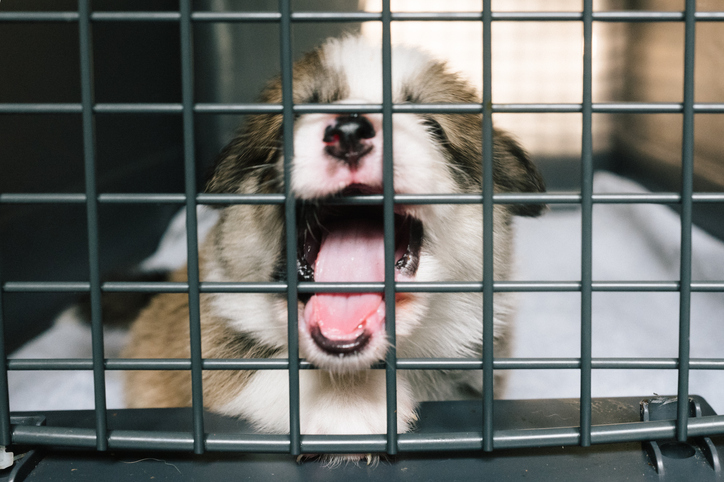
Image Source: healthyhoundz.com
The Crate: A Safe Haven, Not a Punishment Zone
Before we discuss barking, it’s vital to establish the crate’s purpose. A crate should be a positive space for your dog. It’s a place where they can relax, feel secure, and retreat. If your dog associates the crate with punishment or abandonment, barking is an almost inevitable outcome. Therefore, the initial introduction and ongoing association with the crate are paramount.
Making the Crate Appealing
- Positive Reinforcement: Always pair the crate with good things. Feed meals inside, toss high-value treats, and give puzzle toys.
- Comfort: Ensure the crate is the right size. Your dog should be able to stand up, turn around, and lie down comfortably. Add soft bedding.
- Gradual Introduction: Never force your dog into the crate. Start with short periods, opening the door and letting them explore. Reward any voluntary entry.
Deciphering the Barking: What’s Your Dog Trying to Say?
Dog barking in a crate is a form of communication. Your dog isn’t barking to be “naughty”; they are expressing a need, fear, or discomfort. Identifying the cause of the barking is the first step to resolving it.
Common Reasons for Crate Barking:
- Separation Anxiety: This is a significant factor for many dogs. They feel distressed when left alone or separated from their owners. Barking can be a symptom of this deeper issue.
- Needs Not Met: Is your dog trying to tell you they need to potty? Are they hungry or thirsty? Is the crate too hot or too cold?
- Boredom/Lack of Stimulation: A dog without enough physical and mental exercise can become restless, and the crate might feel like confinement rather than a den.
- Fear/Discomfort: The crate might be too new, too small, or associated with negative experiences. They might be startled by noises outside the crate.
- Seeking Attention: If your dog has learned that barking gets them out of the crate or gets your attention, they will continue the behavior.
- Puppy Adjustment: Young puppies are used to their littermates and mother. Being alone in a crate can be isolating and frightening initially.
Setting Appropriate Crate Time: Appropriate Crate Time for Dogs
The duration a dog can comfortably spend in a crate varies significantly. Factors include age, breed, temperament, and prior training.
General Guidelines for Crate Duration:
| Age Group | Recommended Maximum Time in Crate (Consecutive Hours) | Notes |
|---|---|---|
| Puppies (8-10 weeks) | 1-2 hours (with frequent potty breaks) | Puppies have small bladders and short attention spans. |
| Puppies (10-12 weeks) | 2-3 hours | Still requires frequent breaks. |
| Puppies (3-6 months) | 3-4 hours (with breaks) | Can hold it longer, but still need mental stimulation and exercise. |
| Adult Dogs | 4-6 hours (with breaks) | Some dogs can tolerate longer periods if well-trained and not prone to anxiety. |
| Overnight | Depends on the dog’s bladder control and training level | Aim for consistency and comfort. |
Important Note: These are maximums. Shorter, positive crate experiences are always better than pushing a dog beyond their comfort level. Leaving dog in crate all night should only happen once the dog is fully comfortable and reliably house-trained.
How Long To Let Dog Bark In Crate? Navigating the Barking Dilemma
This is where many owners struggle. The instinct is to stop the noise, but how you do it matters immensely.
How Long To Ignore Barking in Crate?
Ignoring barking is a technique often used to extinguish attention-seeking behavior. However, it requires careful application.
- The Theory: If your dog barks for attention, and you immediately respond, you reinforce the barking. By waiting for a pause, you reward silence.
- The Reality for Distress Barking: If your dog is barking out of genuine distress or anxiety, ignoring them can worsen their fear and anxiety. This can be counterproductive and even harmful.
- When to Consider Ignoring:
- When you are certain the barking is for attention (e.g., the dog just had a potty break, has food and water, and is not showing other signs of distress).
- When the barking is intermittent and not frantic.
- When NOT to Ignore:
- If the barking is constant, frantic, or sounds like panic.
- If the dog is exhibiting signs of true separation anxiety.
- If the dog is a puppy who likely needs a potty break.
A safe rule of thumb: Start with very short periods of ignoring. Wait for a brief lull in the barking (even just a second or two), then immediately praise and possibly offer a treat (if you are physically present). Gradually increase the duration of the silent pause you’re waiting for. If the barking escalates or becomes frantic, you’ve waited too long or the barking isn’t attention-seeking.
Addressing Barking: A Step-by-Step Approach
Instead of asking “how long to let dog bark,” focus on “how to stop dog barking when crated” effectively and humanely.
- Rule Out Basic Needs: Before anything else, ensure your dog has had a potty break, fresh water, and isn’t hungry or uncomfortable.
- Check the Crate Environment: Is it clean? Is it the right temperature? Is it in a quiet area?
- Exercise and Mental Stimulation: A tired dog is a quiet dog. Ensure your dog gets adequate exercise and mental enrichment before crating.
- Desensitization and Counter-Conditioning (for Anxiety/Fear):
- Desensitization: Gradually expose your dog to the crate for short periods without it being a negative experience.
- Counter-Conditioning: Change your dog’s emotional response to the crate by pairing it with positive experiences.
- Teach “Quiet” Command: Train your dog to be quiet on cue. When they bark, say “Quiet,” and the moment they pause, reward them.
- Gradual Crate Time Increase: Start with very short periods. If your dog is quiet, great. If they bark, you may have gone too long. Reduce the time next session.
The Puppy Crate Barking Schedule: Building Good Habits Early
A puppy crate barking schedule is essential for establishing positive crate habits from the start.
Key Components of a Puppy Crate Schedule:
- Daytime Naps: Puppies need a lot of sleep. Use the crate for short, positive naps when you can’t supervise them directly.
- Potty Breaks: Frequent potty breaks are non-negotiable for puppies. Schedule them upon waking, after playing, after eating, and before bedtime. If your puppy cries in the crate, it’s often a signal they need to go out.
- Short Alone Times: Gradually introduce short periods of being in the crate while you are home but in another room. Then, extend to short periods when you leave the house.
- Nighttime Routine: Make the crate their sleeping area at night. For very young puppies, you might need to place the crate in your bedroom initially.
Sample Puppy Crate Schedule (Adjust Based on Your Puppy):
| Time | Activity | Crate Use? | Notes |
|---|---|---|---|
| 7:00 AM | Wake up, immediate potty break | No | Crucial to prevent accidents. |
| 7:15 AM | Breakfast | Yes | Feed in crate, then leave for a short nap. |
| 7:30 AM | Nap in Crate | Yes | Keep duration short initially (e.g., 30-60 mins). |
| 8:30 AM | Wake up, potty break, playtime, training | No | Active supervision. |
| 10:00 AM | Short Crate Session (while you do chores) | Yes | Start with 15-30 minutes. Reward quiet. |
| 10:30 AM | Wake up, potty break, play | No | |
| 12:00 PM | Lunch, then nap in crate | Yes | Longer nap time, perhaps 1-2 hours. |
| 2:00 PM | Wake up, potty break, play | No | |
| 3:00 PM | Crate Time (while you go out briefly) | Yes | Start with 30 minutes. Gradually increase. |
| 3:30 PM | Return, potty break, play | No | |
| 5:30 PM | Dinner | Yes | Feed in crate. |
| 6:00 PM | Potty break, gentle play | No | |
| 7:00 PM | Wind down, quiet play | No | |
| 8:00 PM | Final potty break, then bedtime in crate | Yes | Ensure the crate is comfortable. |
| Overnight | Potential potty break (if needed) | Yes | Set an alarm for young puppies; listen for signs of distress. |
Dealing with Separation Anxiety Barking: A Deeper Dive
If your dog’s barking is a symptom of separation anxiety, a different approach is needed. This isn’t just about barking; it’s about your dog’s emotional well-being.
Identifying Separation Anxiety:
- Barking/Howling: Often continuous and distressed.
- Destructive Behavior: Chewing, scratching at doors or windows.
- Elimination Issues: Urinating or defecating in the house, even if house-trained.
- Pacing, Drooling, Panting: Signs of stress.
- Escalation upon Departure: Behaviors begin as you prepare to leave.
Strategies for Separation Anxiety:
- Consult a Professional: This is crucial. A certified professional dog trainer or veterinary behaviorist can provide a tailored plan.
- Management: Prevent the dog from experiencing the anxiety while you work on training. This might mean not leaving them alone for long periods initially.
- Counter-Conditioning Departures:
- Low-Key Departures: Don’t make a big fuss when leaving or returning. Avoid lengthy, emotional goodbyes or greetings.
- Practice Short Absences: Start with leaving for just a few seconds, then minutes. Gradually increase the time.
- Provide High-Value Distractions: Leave a stuffed Kong or puzzle toy only when you leave.
- Desensitization to Departure Cues: Practice putting on shoes, picking up keys, or grabbing your bag without actually leaving.
- Medication/Supplements: In severe cases, your vet may recommend anti-anxiety medication or supplements.
- Crate as a Sanctuary (Not a Prison): If separation anxiety is the cause, a crate might exacerbate the problem if the dog isn’t fully desensitized. Some dogs with severe separation anxiety are actually worse in a crate.
How to Stop Dog Barking When Crated: Best Practices
The goal is to teach your dog that the crate is a safe, comfortable place, and that they don’t need to bark to get what they want.
Effective Techniques:
- Positive Reinforcement: Reward silence and calm behavior in the crate.
- “Engage-Disengage” Game: When your dog is calm, present a distraction (like a noise outside). If they look but don’t react, reward them. If they react by barking, the distraction is too close or too intense.
- Puzzle Toys and Kongs: Stuffing a Kong with peanut butter or kibble and freezing it can keep a dog occupied and create a positive association with the crate.
- White Noise/Calming Music: Some dogs find background noise soothing.
- Covering the Crate: For some dogs, covering the crate with a blanket can make it feel more like a den and reduce visual stimulation that might trigger barking. Use with caution; ensure good ventilation.
- Timing is Everything: Respond to calm behavior, not barking. If you respond to barking, you reward it.
What to Avoid:
- Punishment: Never punish your dog for barking in the crate. This includes yelling, hitting, or using harsh corrections. It will likely increase fear and anxiety.
- Releasing During Barking: If your dog is barking for attention or to be let out, releasing them while they are barking reinforces that barking works. Wait for a pause.
- Over-Crating: Don’t leave your dog in the crate for excessively long periods, especially if they are struggling. This is dog barking in crate for hours territory and can be detrimental.
Teaching Dog to Be Quiet in Crate: The Path to Serenity
Teaching dog to be quiet in crate is a process that requires patience and consistency.
Training Steps:
- Crate Association: Ensure the crate is seen as a positive place.
- “Go to Crate” Cue: Teach your dog to go into the crate on command. Reward generously.
- Reward Silence: When your dog is in the crate and quiet, praise them and drop a treat.
- Introduce Short Absences: Start with leaving the room for a few seconds. Return and reward silence. Gradually increase the time.
- Manage Barking: If barking starts, don’t immediately return. Wait for a brief pause, then return. If the barking is persistent, you may have gone too long.
- Increase Crate Duration Gradually: Only increase the time your dog is in the crate once they are comfortable with shorter periods and remain quiet.
When to Remove Dog from Crate: Recognizing the Signs
Knowing when to remove dog from crate is as important as knowing how to use it.
Signs Your Dog Needs to Be Removed:
- Frantic Barking: If the barking is loud, continuous, and sounds like panic, they are likely in distress and need attention or a potty break.
- Pacing and Whining: These are also indicators of discomfort or unmet needs.
- Potty Urgency: If you suspect they need to relieve themselves, remove them immediately for a potty break.
- Excessive Drooling or Panting: These can be signs of stress or heat.
- Signs of Injury or Illness: If you notice anything unusual, remove them and check on them.
Remember: The crate is a tool for your dog’s well-being. If it is causing them significant distress, you need to reassess your approach and potentially reduce crate time or change your training methods.
Common Mistakes to Avoid
- Using the Crate as Punishment: This is the quickest way to create a negative association.
- Starting Too Big: Don’t expect your dog to stay in the crate for hours on day one.
- Ignoring Signs of Distress: If your dog is truly unhappy, don’t just let them bark it out.
- Inconsistent Routine: Dogs thrive on predictability.
- Not Enough Exercise: A pent-up dog will struggle in confinement.
Frequently Asked Questions (FAQ)
Q1: My puppy barks the moment I close the crate door. What should I do?
A1: This is common. Don’t close the door completely on the first few attempts. Toss a high-value treat into the crate. Let your puppy go in on their own. If they go in, praise them. Gradually work towards closing the door for just a second, then opening it. Reward for any calm moments with the door closed. If they bark, the duration was too long. Go back a step.
Q2: My adult dog who was fine in the crate now barks constantly. Why?
A2: This could indicate a change in their routine, new anxieties, or perhaps they’ve learned that barking gets them out. Review their exercise, potty schedule, and any changes in your household. Consider if separation anxiety might be developing.
Q3: How long is too long for a dog to be left in a crate?
A3: For most dogs, more than 4-6 hours continuously during the day can be too long without a break for potty, water, and movement. Puppies need even more frequent breaks. Overnight duration depends on bladder control and training, but aim for a full night’s sleep if possible after proper conditioning.
Q4: Can I leave my dog in the crate when I go to work?
A4: This depends heavily on your dog. If your dog has been successfully crate trained, doesn’t suffer from separation anxiety, and their needs are met before you leave, they might tolerate a standard workday (e.g., 6-8 hours) with a potty break arranged if possible. However, many dogs benefit from a midday break. If your dog is new to crating or shows signs of distress, longer periods of absence should be introduced very gradually.
Q5: What if my dog cries in the crate but stops as soon as I let them out?
A5: This is a classic attention-seeking behavior. The key is to wait for a pause in the crying before letting them out. If you consistently let them out while they are crying, you are reinforcing that crying works. Wait for even a second or two of silence, then open the door and calmly praise them. Don’t make a big fuss about letting them out.
By focusing on positive reinforcement, gradual introductions, and addressing the root causes of barking, you can help your dog become comfortable and quiet in their crate, transforming it from a source of stress into a true sanctuary.