
The question of how soon after heat can a dog be spayed is a crucial one for many pet owners. Generally, it’s recommended to wait at least two to three weeks after a female dog finishes her heat cycle before scheduling the spay surgery. While it is possible to spay a dog when not in heat, waiting until after the heat cycle has completely passed is often advised to minimize surgical risks and complications.
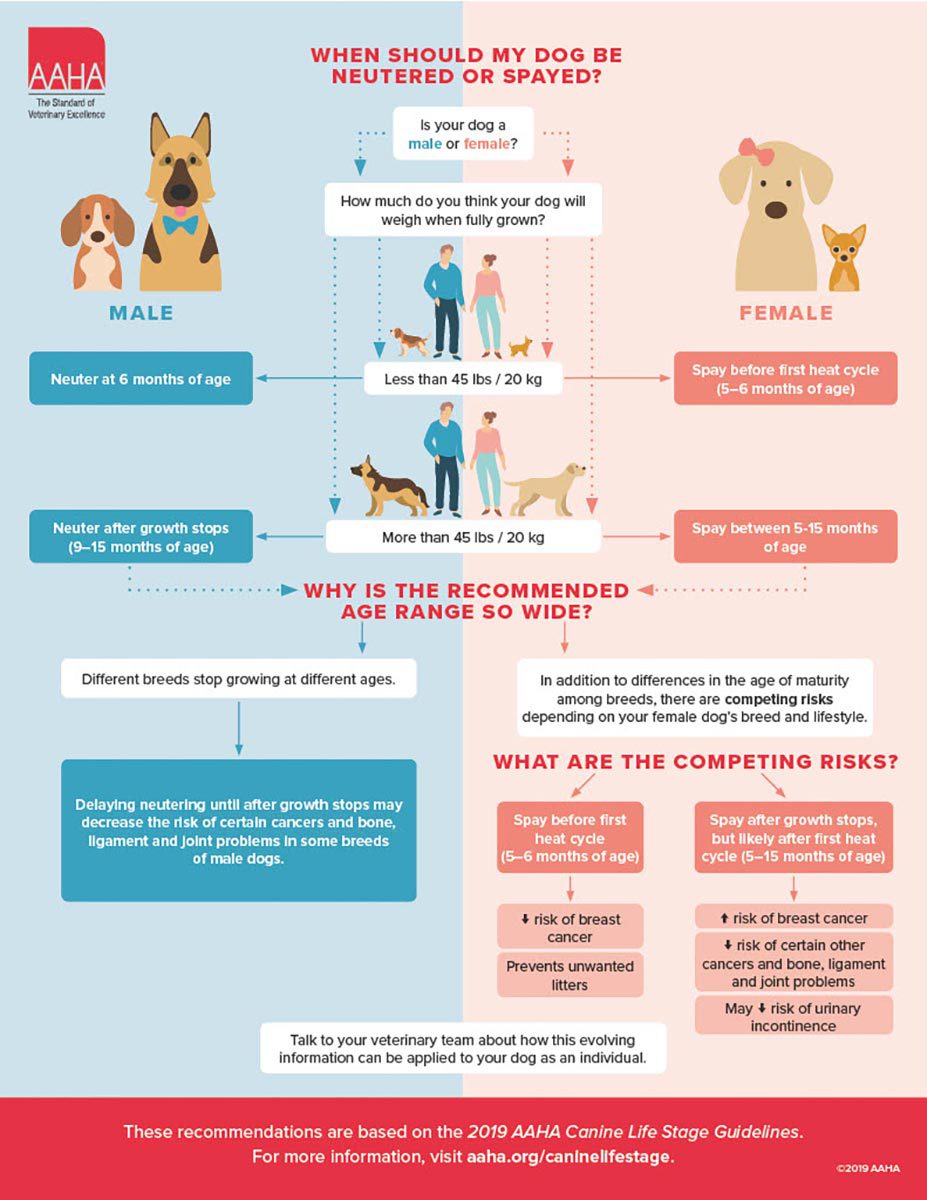
Image Source: southeastoakvillevet.ca
Deciphering Spaying Timing After a Dog’s Heat Cycle
When it comes to spaying your canine companion, timing is everything. Specifically, the question of how soon after heat can a dog be spayed is a common concern for dog owners. The general consensus among veterinarians is to wait until at least two to three weeks after the end of your dog’s heat cycle before proceeding with the spay surgery. This waiting period is not arbitrary; it’s based on physiological factors that can significantly impact the success and recovery of the procedure.
The Canine Heat Cycle: A Biological Overview
To truly grasp when to spay a dog after estrus, it’s essential to first understand the stages of a female dog’s reproductive cycle. This cycle, often referred to as being “in heat,” is a natural biological process that prepares a female dog for potential reproduction.
- Proestrus: This is the initial stage, lasting typically around 9 days. During proestrus, you’ll observe swelling of the vulva and a bloody discharge. The female dog may attract males, but she is not yet receptive to mating. Hormone levels, particularly estrogen, are high during this phase.
- Estrus: This is the fertile period, lasting about 9 days on average. The bloody discharge may lessen or become straw-colored. Crucially, the female dog is now receptive to mating. Ovulation typically occurs at the beginning of estrus. This is the period of peak fertility.
- Diestrus: This stage follows estrus and lasts for approximately 50-60 days, regardless of whether mating occurred. Hormone levels change, and the vulvar swelling usually subsides. If pregnant, the female will carry puppies. If not pregnant, she enters a pseudo-pregnancy phase where her body acts as if it were pregnant.
- Anestrus: This is the period of reproductive inactivity, lasting several months. The length of anestrus varies greatly between breeds and individual dogs.
Why Post-Heat Spaying Timing is Important
The decision of how soon after heat can a dog be spayed is directly linked to the physiological changes occurring within the female dog’s reproductive system. Spaying, or ovariohysterectomy, involves surgically removing the ovaries and uterus. Performing this surgery at the wrong time in the cycle can lead to increased risks.
- Increased Blood Flow: During the heat cycle, especially during estrus, the reproductive organs, including the ovaries and uterus, experience increased blood flow. This heightened vascularization makes the surgery more complex, increasing the potential for bleeding during and after the procedure. Surgeons need to be more meticulous in identifying and ligating blood vessels.
- Swollen Tissues: The tissues of the reproductive tract are also engorged and softer during estrus. This can make surgical manipulation more challenging and increase the risk of tearing or accidental injury.
- Hormonal Fluctuations: Hormones play a significant role in the physiological state of the reproductive organs. High levels of estrogen during proestrus and estrus can influence tissue behavior and healing. Waiting until these hormone levels subside helps ensure a more stable surgical field.
Best Time to Spay Dog Post-Heat
The best time to spay a dog post-heat is generally considered to be during the anestrus phase. This is the period of reproductive inactivity when the reproductive organs are smaller, less vascularized, and not influenced by the hormonal surges of the heat cycle.
Spaying a dog before or after heat? While spaying a dog before her first heat cycle is a common practice and offers significant health benefits, if a dog has already experienced heat, waiting until after the cycle is complete is generally preferred for surgical ease.
Timing of spay surgery after heat: For most dogs, this means waiting approximately two to four weeks after the visible signs of heat (discharge, swelling) have completely disappeared. This allows the body to return to its non-reproductive state.
Key Considerations for Spaying Timing
When deciding how soon after heat can a dog be spayed, several factors should be taken into account. These include the dog’s age, breed, health status, and the specific veterinary clinic’s recommendations.
Age and First Heat
Many veterinarians recommend spaying female dogs before their first heat cycle. This is typically around 5-6 months of age. Spaying before puberty significantly reduces the risk of mammary gland tumors and eliminates the risk of pyometra (a life-threatening uterine infection) and ovarian or uterine cancers.
However, for owners who have missed this ideal window or adopted an older female dog who has already been through heat, the post-heat waiting period becomes paramount.
Breed-Specific Considerations
Some breeds may have different heat cycle lengths or hormonal sensitivities. Larger breeds might have their first heat later, while some smaller breeds might cycle more frequently. Always discuss breed-specific recommendations with your veterinarian.
Health Status
A dog’s overall health is a critical factor in any surgical procedure. Before scheduling a spay, your veterinarian will perform a thorough physical examination and may recommend pre-anesthetic blood work. This helps identify any underlying health issues that could increase surgical risks. A dog’s recovery from any illness or condition should be complete before undergoing elective surgery.
Veterinary Clinic Protocols
Different veterinary clinics may have slightly varying protocols regarding spaying timing. Some may be more comfortable performing the surgery sooner after heat than others, depending on their surgical experience and equipment. It’s always best to have a frank discussion with your vet about their specific recommendations.
What Happens If You Spay Too Soon After Heat?
Spaying a dog after heat is recommended for a reason. If the surgery is performed too close to or during the heat cycle, owners might face:
- Increased Surgical Risk: As mentioned, higher blood flow and swollen tissues increase the chances of complications during surgery.
- Longer Anesthesia Time: The surgeon might need to spend more time to carefully manage bleeding, potentially prolonging anesthesia.
- More Difficult Recovery: Post-operative recovery could be more challenging due to greater inflammation and potential for bruising or hematoma formation (a collection of blood outside a blood vessel).
- Higher Cost: In some cases, the increased complexity of the surgery might translate to higher surgical fees.
Spaying a Dog When Not in Heat: The Ideal Scenario
The ideal scenario for spaying a dog when not in heat is during anestrus. This period offers the most stable physiological state for surgery. However, if a dog has recently come out of heat, the period of anestrus is the next best time.
Dog spaying after heat cycle completion is generally straightforward. Once the waiting period of two to three weeks has passed, the reproductive organs are back to their normal size and vascularity, making the surgery less complicated.
Post-Heat Spaying for Dogs: A Practical Approach
Post-heat spaying for dogs is a common practice. The key is to accurately determine when the heat cycle has truly ended. This can sometimes be tricky, as the discharge might stop for a day or two before resuming.
Signs the heat cycle has ended:
- Vulvar swelling has significantly reduced or returned to its normal size.
- The vaginal discharge has stopped completely.
- The female dog is no longer receptive to male dogs.
When in doubt, it’s always best to err on the side of caution and wait an extra week.
When to Spay a Dog After Estrus
The estrus phase is the period of fertility. When to spay a dog after estrus is critical to avoid accidental pregnancy if the surgery is delayed. Therefore, waiting the recommended two to three weeks after the end of estrus is vital. If you are unsure about the exact timing of estrus, a veterinary examination can help confirm the end of the cycle.
The Procedure and Recovery
The Spaying Surgery
The spaying surgery (ovariohysterectomy) is a common and generally safe procedure. The veterinary surgeon will make an incision, typically on the midline of the abdomen, to access and remove the ovaries and uterus. The incision is then closed with sutures, staples, or surgical glue.
Spaying Dog Recovery After Heat
Spaying dog recovery after heat is similar to recovery at any other time of the year, but ensuring it’s done after the heat cycle minimizes potential complications that could prolong healing.
What to expect during recovery:
- Pain Management: Your dog will likely receive pain medication to keep her comfortable.
- Activity Restriction: Leash walks only for the first 7-14 days. No running, jumping, or rough play.
- Incision Care: Keep the incision site clean and dry. Monitor for redness, swelling, or discharge. An Elizabethan collar (cone) is usually recommended to prevent licking or chewing the incision.
- Stitches/Staples: If sutures or staples are used, they will typically be removed by your veterinarian in about 10-14 days. Dissolvable sutures are also commonly used and do not require removal.
- Diet: Your dog may have a decreased appetite for the first 24 hours. Gradually reintroduce normal food.
- Behavioral Changes: Some dogs may be groggy or lethargic for the first 24-48 hours.
Factors influencing recovery:
- Dog’s overall health: A healthy dog will generally recover faster.
- Age: Younger dogs often bounce back more quickly than older dogs.
- Surgical technique: The skill of the surgeon and the specific methods used can impact recovery.
- Adherence to post-operative care: Following your vet’s instructions diligently is crucial for a smooth recovery.
Frequently Asked Questions About Spaying Timing
Here are some common questions people ask about how soon after heat can a dog be spayed:
Q1: Can I spay my dog during her heat cycle?
A: While it is technically possible to spay a dog during her heat cycle, it is generally not recommended due to increased surgical risks, such as increased bleeding and tissue friability. Waiting until at least two to three weeks after the heat cycle has ended is the safer option.
Q2: What is the absolute earliest I can spay my dog after her heat ends?
A: Most veterinarians recommend waiting a minimum of two to three weeks after the visible signs of heat (discharge, swelling) have completely subsided. This allows the reproductive organs to return to their normal state, reducing surgical complications.
Q3: My dog just finished her heat cycle. Can I schedule the spay for next week?
A: It’s best to wait at least two to three weeks. Even though the visible signs may have disappeared, some internal physiological changes related to the heat cycle might still be present. Consulting with your veterinarian for their specific recommendation based on your dog’s condition is ideal.
Q4: Will spaying my dog after heat affect her long-term health?
A: Spaying at any point after puberty will eliminate the risk of uterine and ovarian cancers and significantly reduce the risk of mammary tumors. The main benefit of timing the spay correctly post-heat is to ensure a safer surgical procedure with a smoother recovery.
Q5: What are the benefits of spaying my dog?
A: Spaying offers numerous health and behavioral benefits, including preventing unwanted pregnancies, eliminating the risk of pyometra, reducing the risk of mammary tumors (especially if done before the first heat), and preventing heat cycles which can be messy and attract intact males.
Q6: Is it better to spay a dog before or after her first heat?
A: For maximum health benefits, particularly in reducing mammary tumor risk, spaying before the first heat is often recommended. However, if this window is missed, spaying after the first heat (but after the cycle has completed) is still highly beneficial and much safer than leaving the dog intact.
Conclusion: The Importance of Patient Planning
The decision of how soon after heat can a dog be spayed hinges on a commitment to your dog’s well-being. While the desire to spay quickly is understandable, patience and adherence to veterinary recommendations are crucial. Waiting two to three weeks after the completion of a heat cycle ensures a safer surgical procedure and a smoother recovery for your beloved canine companion. Open communication with your veterinarian is the best way to determine the optimal spay timing relative to heat for your individual dog, ensuring she receives the best possible care.