
Can I treat my dog’s paw cut at home? Yes, you can often treat minor dog paw cuts at home with proper cleaning and care. However, it’s crucial to know when a cut is too severe and requires professional veterinary care for dog paw cuts. This guide will walk you through the steps of dog paw wound care and help you understand how to promote healing dog paw injury safely.
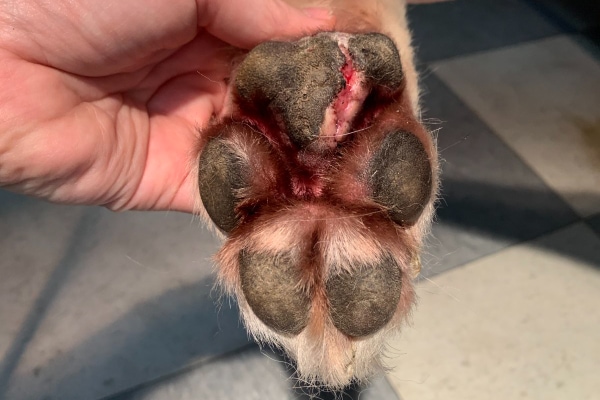
Image Source: toegrips.com
Recognizing the Severity of a Dog Paw Cut
Before you begin any home treatment, it’s vital to assess the cut. Not all paw injuries are created equal. Some can be managed with diligent home care, while others are serious emergencies.
What to Look For:
- Size and Depth: Is the cut shallow or deep? Does it involve the paw pad or go into the flesh?
- Bleeding: Is the bleeding profuse and difficult to stop, or is it a minor ooze?
- Debris: Is there dirt, glass, or other foreign material lodged in the wound?
- Lameness: Is your dog limping significantly or refusing to put weight on the paw?
- Swelling and Redness: Is the area around the cut swollen, red, and hot to the touch? These are potential signs of infected dog paw.
- Discharge: Is there pus or a foul-smelling discharge from the wound?
When to Seek Veterinary Care Immediately:
- Deep cuts that expose muscle or bone.
- Heavy or uncontrollable bleeding.
- Wounds with embedded large objects that you cannot safely remove.
- Signs of infection (severe swelling, redness, pus, foul odor, fever).
- If your dog is in significant pain or distress.
- If the cut appears to be a puncture wound, as these can be deeper than they look.
- If your dog has underlying health conditions, like diabetes, that can affect healing.
Step-by-Step Guide to Treating a Dog Paw Cut at Home
If you’ve determined the cut is minor and can be managed at home, follow these steps carefully. The goal of cleaning dog paw cut is to prevent infection and support the natural healing process.
Step 1: Prepare Yourself and Your Dog
Your dog might be in pain or scared, making them unpredictable. It’s essential to stay calm and create a safe environment for both of you.
- Gather Supplies: Have everything you need before you start. This includes:
- Clean towels
- Mild, non-irritating soap or a pet-specific antiseptic solution
- Lukewarm water
- Sterile gauze pads (various sizes)
- Non-stick bandage material
- Medical tape
- An Elizabethan collar (cone) if available
- Gloves (optional, but recommended for hygiene)
- Secure Your Dog: Enlist the help of another person if possible. Gently restrain your dog, offering comfort and reassurance. If your dog is very anxious or aggressive when injured, it’s best to seek veterinary help to avoid injury to yourself or your pet.
Step 2: Gently Clean the Wound
This is a crucial step for dog paw wound care. Thorough cleaning removes dirt and bacteria, reducing the risk of infection.
- Initial Rinse: Gently rinse the wound with lukewarm water. This helps to wash away loose debris.
- Washing the Cut:
- Use a mild, unscented soap. Pet paw antiseptic solutions specifically designed for wound care are also a good option. Avoid harsh chemicals like rubbing alcohol or hydrogen peroxide unless specifically recommended by your vet, as they can damage healing tissue.
- Lather the soap or apply the antiseptic to a clean gauze pad.
- Gently wipe around the wound and then across the cut itself. Avoid vigorous scrubbing.
- Rinse thoroughly with more lukewarm water. Ensure all soap or antiseptic residue is removed.
- Drying the Area:
- Use a clean, soft towel or sterile gauze to gently pat the area dry.
- Avoid rubbing, as this can irritate the wound.
Step 3: Inspect for Debris and Remove Carefully
Even after initial cleaning, small pieces of debris might remain.
- Visual Inspection: Look closely at the wound and the surrounding skin.
- Gentle Removal: If you see small, easily accessible debris like tiny slivers of glass or thorns, you can try to remove them with clean tweezers.
- Important: If the debris is deeply embedded, large, or you are unsure about removal, do not attempt to remove it. This is a situation where veterinary care for dog paw cuts is essential. Forcing removal can cause more damage and push the object deeper.
Step 4: Apply an Antiseptic or Antibiotic Ointment (Optional and With Caution)
Once the wound is clean and dry, you might consider applying a topical treatment.
- Pet-Specific Products: Use ointments or creams specifically formulated for pets and wound care. Common human antibiotic ointments can sometimes be irritating to dogs.
- Consult Your Vet: It’s always best to check with your veterinarian before applying any topical medication, especially if you are unsure about the best product or dosage. They might recommend a specific pet paw antiseptic or antibiotic ointment.
- Application: Apply a thin layer to the wound using a clean gauze pad or cotton swab.
Step 5: Bandage the Paw
Bandaging protects the wound from further contamination and allows it to heal. Proper dog paw wrap technique is key.
- Non-Stick Pad: Place a sterile, non-stick gauze pad directly over the wound. Ensure it’s large enough to cover the entire cut.
- Padding: Wrap a layer of soft padding, like cotton or conforming gauze, around the paw. This provides cushioning and helps absorb any discharge.
- Securing the Bandage:
- Use medical tape or cohesive bandage material (like Vetrap) to secure the padding.
- Wrap snugly, but not too tightly. You should be able to slip two fingers between the bandage and your dog’s leg. A bandage that is too tight can restrict blood flow and cause serious problems.
- Ensure the bandage covers the wound and extends slightly up the leg to prevent it from slipping off.
- Protect the Bandage: Dogs tend to chew at bandages. Consider using a dog bootie or a plastic bag secured loosely over the bandage when your dog is outdoors to keep it clean and dry.
Step 6: Monitor the Wound and Change Bandages Regularly
Consistent monitoring is crucial for successful healing dog paw injury.
- Frequency of Changes: Change the bandage at least once or twice a day, or more often if it becomes wet, dirty, or slips.
- Inspection During Changes: Each time you change the bandage, carefully inspect the wound for:
- Signs of infection: Increased redness, swelling, heat, pus, or a foul odor.
- Healing progress: Is the wound closing? Is healthy pink tissue forming?
- Irritation: Are there signs of the bandage rubbing or irritating the skin?
- Cleaning with Each Change: Re-clean the wound gently with lukewarm water and a mild antiseptic before applying a new bandage.
- Preventing Chewing: If your dog is persistently trying to chew the bandage or lick the wound, you will need to use an Elizabethan collar (cone) or a surgical suit to prevent them from interfering with healing.
Step 7: Support Healing with Dog Paw Balm
Once the wound has begun to close and is no longer open, you can transition to supportive care.
- Purpose of Paw Balm: Dog paw balm for healing can help keep the skin moisturized, prevent cracking, and promote smooth healing. Look for balms with natural, pet-safe ingredients like shea butter, beeswax, or coconut oil.
- When to Use: Apply after cleaning the wound (once the initial stages of healing are complete) and before bandaging, or after removing the bandage altogether as part of your dog’s regular paw care.
- Application: Gently massage a small amount of balm into the affected paw pad.
Dog Paw Home Remedies: What to Use and What to Avoid
While some natural approaches can be supportive, it’s crucial to differentiate between helpful dog paw home remedies and potentially harmful ones.
Beneficial Approaches:
- Warm Water Soaks: For minor irritation or to soften dried discharge, a warm water soak (plain or with a very mild soap) can be beneficial.
- Coconut Oil: In moderation, coconut oil can have moisturizing and mild antibacterial properties. Ensure it’s pure, organic coconut oil and only apply a small amount to the wound after cleaning and once the initial bleeding has stopped.
Remedies to Avoid:
- Hydrogen Peroxide and Rubbing Alcohol: As mentioned, these can be too harsh for healing tissue, slowing down the healing process and causing pain.
- Human Antibiotic Ointments (Unless Vet Approved): Some human products can cause allergic reactions or irritation in dogs.
- Essential Oils: Many essential oils are toxic to dogs and should never be applied to wounds.
- Allowing Licking: Saliva contains bacteria, and licking will disrupt the healing process and can introduce infection.
Preventing Future Paw Injuries
Prevention is always the best medicine. Consider these tips to keep your dog’s paws healthy:
- Regular Paw Checks: Get into the habit of checking your dog’s paws after walks, especially on rough terrain or in areas with potential hazards.
- Avoid Hot Pavement: During hot weather, pavement can reach temperatures that burn paw pads. Walk your dog during cooler parts of the day or on grass.
- Be Mindful of Surfaces: Avoid walking your dog on surfaces that are known to be hazardous, such as areas with broken glass, sharp rocks, or ice-melting chemicals.
- Trim Paw Hair: Long hair between the paw pads can trap debris and moisture, leading to irritation or cuts. Trim this hair regularly, being careful not to cut the skin.
- Nail Trimming: Overgrown nails can alter your dog’s gait, putting abnormal pressure on their paw pads and increasing the risk of injury.
- Paw Protection: Consider using dog booties for protection during extreme weather conditions, rough terrain, or when walking on treated surfaces.
When Home Treatment Isn’t Enough: Recognizing a Bad Outcome
Even with the best home care, sometimes a paw injury can take a turn for the worse. Knowing the signs of infected dog paw and other complications is crucial.
Complications to Watch For:
- Persistent Swelling and Redness: If the swelling and redness don’t subside or worsen despite cleaning and bandaging, it could indicate infection or a deeper injury.
- Foul Odor: A bad smell emanating from the wound is a strong indicator of bacterial infection.
- Pus or Thick Discharge: A thick, colored discharge (yellow, green, or gray) is a sign of infection.
- Lethargy or Fever: If your dog becomes unusually tired, stops eating, or seems generally unwell, it could be a sign that an infection is spreading.
- Increased Pain: If your dog shows increased sensitivity, vocalizes when the paw is touched, or actively avoids you when you approach the paw, the pain may be worsening.
- Bandage Compromise: If the bandage becomes saturated with blood or discharge, or if your dog manages to remove it repeatedly.
- Granulation Tissue Issues: While granulation tissue (bright red, bumpy tissue) is a sign of healing, if it becomes too proud or excessive, it can impede wound closure.
If you notice any of these signs, contact your veterinarian immediately. Delaying professional treatment can lead to more severe complications, including:
- Deep tissue infection
- Bone infection (osteomyelitis)
- Gangrene
- Amputation
Frequently Asked Questions (FAQ)
Q: How long does it typically take for a dog paw cut to heal?
A: The healing time for a dog paw cut varies greatly depending on the depth and severity of the wound, as well as your dog’s overall health. Minor cuts might heal within a week to ten days, while deeper lacerations, especially those on the paw pads, can take several weeks to fully recover. Consistent cleaning, proper bandaging, and preventing your dog from licking the wound are key to promoting faster healing. If you are concerned about the healing rate, it’s always best to consult your veterinarian.
Q: Can I use Neosporin on my dog’s paw cut?
A: While Neosporin is a common human antibiotic ointment, it’s generally recommended to use products specifically formulated for pets or to consult your veterinarian before applying it to your dog. Some dogs can have adverse reactions or sensitivities to the ingredients in human ointments. Your vet can advise on safe and effective topical treatments, such as specific pet paw antiseptic ointments or antibiotic creams.
Q: My dog keeps licking the wound, what can I do?
A: Allowing your dog to lick a wound is detrimental to healing. Saliva contains bacteria that can introduce infection, and the constant licking can irritate the wound, prevent clotting, and even pull out stitches if present. The most effective solution is to use an Elizabethan collar (cone) that extends past your dog’s nose. Alternatively, you can use a surgical recovery suit or a dog bootie over the bandage. Ensure the cone fits comfortably and doesn’t impede your dog’s ability to eat or drink.
Q: What should I do if the cut seems very deep or there’s bleeding that won’t stop?
A: If a dog paw cut is deep, you cannot control the bleeding with gentle pressure, or you suspect it might involve deeper tissues like muscles or bone, you must seek immediate veterinary care for dog paw cuts. Apply gentle, direct pressure to the wound with a clean cloth or sterile gauze while you transport your dog to the nearest emergency veterinary clinic. Do not attempt to clean a profusely bleeding or very deep wound extensively at home, as this could worsen the situation or cause excessive pain.
Q: Are there any special considerations for paw pad lacerations?
A: Yes, dog paw pad laceration requires careful attention. Paw pads are thicker and designed to withstand pressure, but they can still be prone to cuts from sharp objects. Cleaning is paramount to prevent infection within the tough pad layers. Bandaging is essential to protect the pad from further injury and contamination, especially during walks. Applying a dog paw balm for healing can help keep the pad supple and promote smoother tissue regeneration once the initial wound has closed. Because paw pads bear all the weight, recovery might be slower, and persistent limping should always be evaluated by a veterinarian.
By following these guidelines, you can effectively manage minor dog paw cuts at home and ensure your furry friend receives the best possible care for a speedy recovery. Remember, when in doubt, always consult your veterinarian.