
The average cost of dog training varies widely, but you can expect to pay anywhere from $200 to $1,000 for basic obedience classes, with specialized training and behavior modification costing significantly more. What is K9 dog training? K9 dog training refers to the specialized process of teaching dogs specific skills, commands, and behaviors, often for professional purposes like law enforcement, security, or assistance roles, but also encompasses a wide range of obedience and behavior modification for pet dogs. Can I get K9 dog training for my pet? Yes, while the term “K9” often evokes images of police dogs, the principles and many types of training are highly applicable and beneficial for pet dogs. Who is K9 dog training for? K9 dog training is for anyone who wants to improve their dog’s behavior, strengthen their bond, or teach them specific skills, from basic manners to advanced protection or service tasks.
Deciphering the cost of dog training can feel like navigating a maze. Many factors influence the final price tag, from the type of training your furry friend needs to the qualifications of the trainer. Whether you’re looking for basic dog obedience training cost, puppy training prices, or help with complex behavioral issues, this guide will break down the expenses to help you make an informed decision.
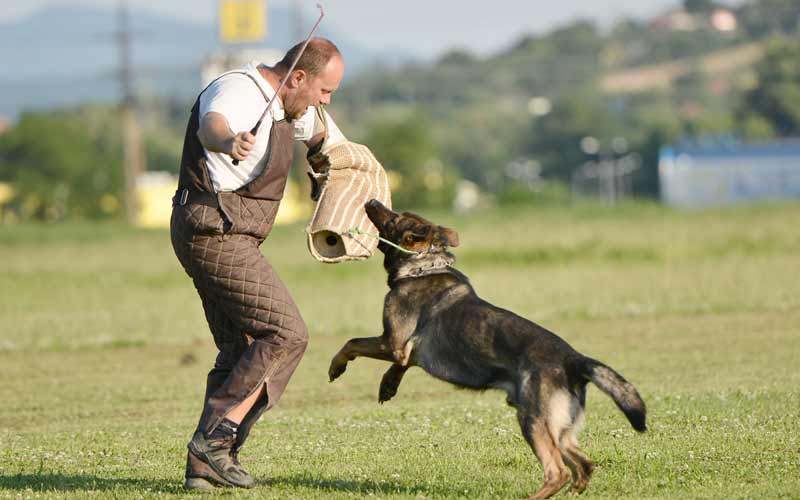
Image Source: leerburg.com
Factors Influencing Dog Training Costs
Several key elements contribute to the overall price of K9 dog training. Recognizing these will help you better estimate your investment.
Trainer’s Experience and Qualifications
- Certified Dog Trainer Cost: A trainer who holds certifications from reputable organizations (like the Certification Council for Professional Dog Trainers – CCPDT, or the Karen Pryor Academy – KPA) often commands higher fees. This is due to their demonstrated knowledge, adherence to ethical standards, and commitment to continuing education.
- Reputation and Demand: Highly sought-after trainers with a proven track record of success will typically charge more. Their reputation often stems from positive client testimonials and successful training outcomes.
- Specialization: Trainers specializing in specific areas, such as aggression, anxiety, or service dog tasks, may have higher rates due to their niche expertise.
Type of Training
The method and goal of the training significantly impact the cost.
- Group Dog Training Classes: These are generally the most affordable option. They provide socialization opportunities and teach basic commands in a structured environment.
- Cost Range: $100 – $300 for a 6-8 week course.
- Private Dog Training Sessions: These offer one-on-one attention, allowing the trainer to focus on your dog’s specific needs and your training style.
- Cost Range: $50 – $150 per session, with packages often offering a slight discount.
- In-Home Dog Training Rates: Training conducted in your own environment can be more expensive than classes, as it accounts for the trainer’s travel time and the personalized attention.
- Cost Range: $75 – $200 per session.
- Board and Train Programs: Your dog stays with the trainer for a period (typically 1-4 weeks) for intensive training. This is often the most expensive option but can be very effective for addressing significant behavioral issues.
- Cost Range: $500 – $2,500+ per week.
- Specialized Training: This includes areas like:
- Service Dog Training: Can cost thousands of dollars due to the extensive and specific skill development required.
- Protection or Schutzhund Training: Also incurs high costs due to the specialized techniques and equipment.
- Behavior Modification for Aggression or Anxiety: Often involves multiple sessions and a tailored approach, increasing the overall expense.
Location
Geographic location plays a role, with urban areas or regions with a higher cost of living typically having higher professional dog training fees.
Program Length and Intensity
A short, introductory course will cost less than a comprehensive program designed to address complex issues or achieve advanced skills.
Average Cost of Dog Training Breakdown
Let’s delve into the typical costs associated with different types of K9 dog training.
Puppy Training Prices
Starting early with puppy training prices is crucial for a well-behaved adult dog.
- Puppy Socialization Classes: Focus on exposing puppies to various sights, sounds, people, and other dogs in a controlled, positive way.
- Cost: $100 – $250 for a multi-week course.
- Basic Obedience Classes for Puppies: Teach essential commands like sit, stay, come, and leash manners.
- Cost: $200 – $400 for a 6-8 week course.
Basic Obedience Training Cost
For pet owners, basic obedience is often the starting point.
- Group Obedience Classes: These classes are great for learning foundational commands and practicing in a distracting environment.
- Average Cost: $200 – $500 for a 6-week program.
- Private Obedience Sessions: Ideal for dogs that are easily distracted, have specific learning needs, or for owners who prefer personalized instruction.
- Average Cost: $75 – $150 per hour.
Advanced and Specialized Training
When basic obedience isn’t enough, or you have specific goals.
- Advanced Obedience: Building on basic commands with more complex exercises and distractions.
- Cost: $300 – $600 for a multi-week course or package.
- Canine Good Citizen (CGC) Preparation: Training to pass the CGC test, a benchmark for well-behaved dogs.
- Cost: $250 – $500 for a course.
- Trick Training: Fun and engaging, but also requires clear communication and reinforcement.
- Cost: $50 – $100 per session.
Dog Behaviorist Cost and Aggression Training
Addressing behavioral issues often requires the expertise of a professional.
- Dog Behaviorist Cost: A veterinary behaviorist or a certified applied animal behaviorist will charge higher rates due to their advanced education and specialized knowledge.
- Cost: $150 – $350+ per hour, often with an initial assessment fee of $300 – $600.
- Aggression Modification Programs: These are intensive and require a deep understanding of canine psychology and behavior.
- Cost: Can range from $500 to several thousand dollars, depending on the severity and duration of the program. This often involves a combination of private sessions, in-home consultations, and potentially medication management overseen by a vet.
Dog Training Packages and Bundles
Many trainers offer dog training packages to provide more comprehensive training at a slightly reduced overall cost compared to booking individual sessions. These can be an excellent way to save money while committing to a structured training plan.
Sample Dog Training Packages
Here are examples of what you might find:
- Puppy Package:
- Includes: 4-6 puppy socialization classes + 2 private sessions.
- Estimated Cost: $300 – $500.
- Basic Obedience Package:
- Includes: 6 group classes + 3 private sessions.
- Estimated Cost: $400 – $700.
- Advanced Behavior Modification Package:
- Includes: 5 private sessions focusing on a specific issue + 2 in-home consultation sessions.
- Estimated Cost: $700 – $1,200.
- “Go Everywhere” Package (Advanced Obedience & Socialization):
- Includes: 6 group classes + 4 private sessions + 2 public outings for real-world practice.
- Estimated Cost: $600 – $1,000.
In-Home vs. Group vs. Private: Weighing Your Options
Choosing the right training format is as important as choosing the right trainer. Each has its pros and cons regarding cost and effectiveness.
Group Dog Training Classes
- Pros:
- Cost-Effective: Generally the most budget-friendly option.
- Socialization: Provides valuable exposure to other dogs and people.
- Structured Learning: Follows a curriculum designed for progressive learning.
- Cons:
- Less Individual Attention: Trainers manage multiple dogs, so your dog may not get as much direct feedback.
- Pacing Issues: The class pace might be too fast or too slow for your dog.
- Distractions: High distraction levels can make it difficult for some dogs to learn.
- Typical Cost: $200 – $500 for a 6-8 week course.
Private Dog Training Sessions
- Pros:
- Personalized Attention: Tailored to your dog’s specific needs and learning style.
- Focused Training: Address specific behaviors or issues without the distraction of other dogs.
- Flexible Scheduling: Can often be scheduled at your convenience.
- Cons:
- Higher Per-Session Cost: Can become expensive if many sessions are needed.
- Limited Socialization: Doesn’t inherently provide opportunities to interact with other dogs.
- Typical Cost: $50 – $150 per session.
In-Home Dog Training Rates
- Pros:
- Comfort of Familiar Environment: Dogs tend to be more relaxed and responsive at home.
- Real-World Application: Address issues specific to your home environment (e.g., barking at the door, house training).
- Convenience: Saves you travel time.
- Cons:
- Higher Cost: Due to travel time and personalized attention.
- Potential for Home Distractions: The trainer needs to manage your home’s specific environmental cues.
- Typical Cost: $75 – $200 per session.
What to Expect with Professional Dog Training Fees
When you invest in professional dog training fees, you’re not just paying for an hour of a trainer’s time. You’re paying for their:
- Expertise and Education: Years of study, experience, and ongoing professional development.
- Training Philosophy and Methods: Knowledge of positive reinforcement, force-free techniques, and behavior science.
- Curriculum Development: Designing effective training plans tailored to your needs.
- Consultation and Assessment: Evaluating your dog’s behavior and your training goals.
- Materials and Resources: Often providing handouts, homework assignments, and access to online resources.
- Insurance and Liability: Professional trainers are typically insured.
Is it Worth the Cost?
The dog obedience training cost can seem substantial, but the benefits of a well-trained dog are invaluable. A trained dog is:
- Safer: More likely to respond to commands in dangerous situations (e.g., recall from traffic).
- Better Behaved: Less likely to cause damage to property or harm to people or other animals.
- More Enjoyable Companion: Easier to manage, integrate into family life, and take to public places.
- Healthier: Reduced stress for both dog and owner due to fewer behavioral issues.
- Stronger Bond: Training is a communication tool that strengthens the human-animal bond.
Consider the potential costs of not training your dog: vet bills for injuries caused by misbehavior, replacing damaged property, or even facing legal liabilities. In this light, professional training is often a wise and cost-effective investment.
Frequently Asked Questions (FAQ)
Q1: What’s the difference between a dog trainer and a dog behaviorist?
A dog trainer typically focuses on teaching commands and basic manners. A dog behaviorist, especially one with veterinary or advanced academic credentials, specializes in diagnosing and treating complex behavioral problems like aggression, severe anxiety, or phobias, often employing scientific and clinical approaches.
Q2: How long does dog training typically take?
The duration of training varies greatly depending on the dog’s age, breed, temperament, the owner’s consistency, and the specific training goals. Basic obedience might take a few weeks to months, while addressing complex behavior issues or training for specialized roles can take much longer, potentially a year or more.
Q3: Can I train my dog myself?
Yes, you can! Many owners successfully train their dogs using resources like books, online courses, and videos. However, for challenging behaviors or if you’re new to dog training, hiring a certified dog trainer cost can provide expert guidance and prevent the development of ingrained bad habits.
Q4: What should I look for in a dog trainer?
Look for a trainer who:
* Uses positive reinforcement and force-free methods.
* Is certified by a reputable organization (e.g., CCPDT, IAABC).
* Has good reviews and testimonials.
* Clearly communicates their training philosophy and methods.
* Offers a clear contract and pricing structure.
* Is insured.
Q5: Are there any hidden costs in dog training?
While most trainers are upfront about their fees, potential additional costs could include:
* Training equipment (leashes, harnesses, treat pouches).
* Behavior modification tools recommended by the trainer.
* Travel expenses if the trainer charges for distance.
* Veterinary consultations if behavior issues are medically related.
By carefully considering these factors and asking the right questions, you can confidently invest in K9 dog training that will benefit you and your canine companion for years to come.