
A dog is typically under anesthesia for teeth cleaning for 30 minutes to 2 hours. This timeframe can vary significantly based on the individual dog, the extent of dental disease present, and the specific procedures performed by the veterinarian.
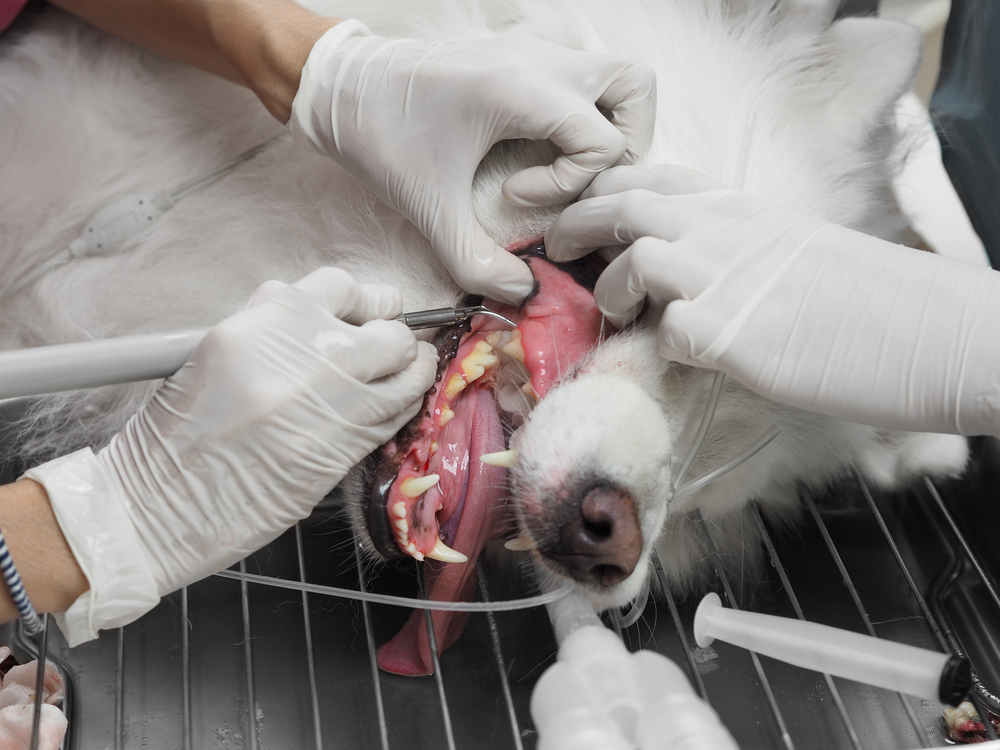
Image Source: www.plumvet.com
Deciphering Dental Procedure Time for Dogs
Many pet owners wonder about the actual duration a dog spends under anesthesia for a routine teeth cleaning. It’s not as simple as plugging in a number, as several factors influence the pet dental cleaning anesthesia duration. This is a crucial aspect of responsible pet ownership, ensuring you know what to expect and can prepare your furry friend for the best possible outcome.
The Anesthetic Window: What Influences Duration?
The time a dog is anesthetized for dental work is determined by a combination of dog dental surgery duration considerations. Think of it as a spectrum, with simpler cleanings at one end and more complex procedures at the other.
Factors Affecting Anesthesia Time
- Breed and Size: Larger breeds may require slightly longer anesthetic times due to the increased volume of anesthetic agents needed. Smaller dogs and brachycephalic (flat-faced) breeds, however, can be more sensitive to anesthesia, requiring careful monitoring and potentially shorter anesthetic periods to ensure safety.
- Age and Health Status: Younger, healthier dogs generally tolerate anesthesia more smoothly and may spend less time under. Older dogs or those with underlying health conditions (like heart disease, kidney problems, or respiratory issues) will require more extensive pre-anesthetic evaluations and closer monitoring, which can extend the overall anesthetic period.
- Severity of Dental Disease: This is a major determinant. A dog with minimal plaque and tartar buildup might only need a standard cleaning. However, if significant periodontal disease is present, the veterinarian may need to perform dental X-rays, probe gum pockets, scale below the gumline, and potentially extract diseased teeth. Each of these additional steps adds time to the procedure.
- Number of Teeth to be Cleaned: While a “cleaning” sounds straightforward, the number of teeth, their accessibility, and the amount of plaque and tartar all play a role.
- Need for Dental X-rays: Dental X-rays are vital for diagnosing issues below the gumline that are not visible to the naked eye. Taking and developing these X-rays adds to the overall veterinary dental surgery timeframe.
- Extractions: If dog tooth scaling anesthesia length is compounded by the need for extractions, the dental procedure time for dogs can increase significantly. The complexity of an extraction varies based on the tooth’s root structure and whether it’s broken or deeply embedded.
- Polishing: After scaling, teeth are polished to smooth the surfaces, making them more resistant to plaque accumulation. This is a standard part of the cleaning but adds a few minutes.
- Veterinarian’s Technique and Experience: The proficiency and speed of the veterinary dental team contribute to the overall efficiency of the procedure.
Average Dog Dental Cleaning Procedure Length: A Breakdown
To give you a clearer picture, let’s look at typical scenarios for dog anesthesia time teeth cleaning:
- Routine Cleaning (Minimal Disease): For a dog with healthy gums and only mild plaque and tartar, the procedure might be on the shorter side, perhaps 30 minutes to 1 hour. This includes scaling, polishing, and a basic oral examination.
- Moderate Dental Disease: If there’s moderate buildup, some gingivitis (gum inflammation), and the need for X-rays, the time can extend to 1 to 1.5 hours.
- Severe Dental Disease or Extractions: For dogs requiring multiple extractions, treatment of advanced periodontal disease, or other surgical interventions, the dog dental surgery duration could range from 1.5 to 3 hours or even longer. This accounts for the time spent on each extraction, suturing, and ensuring the dog is stable throughout. The how long does dental extraction take dog question is highly variable based on the specific tooth.
Safety First: Safe Anesthesia Time for Dog Dental Procedures
The paramount concern during any veterinary procedure is the dog’s safety. Veterinarians adhere to strict protocols to ensure the safe anesthesia time for dog dental work. This involves:
- Pre-Anesthetic Evaluation: Before anesthesia, your dog will undergo a physical exam and likely blood work to assess organ function and identify any potential risks. This helps the vet determine the most appropriate anesthetic agents and dosages.
- Anesthesia Monitoring: During the procedure, a trained veterinary technician or veterinarian continuously monitors the dog’s vital signs, including heart rate, respiration, blood pressure, temperature, and oxygen saturation. This vigilance allows for immediate adjustments if any complications arise.
- Pain Management: Proper pain management is integral to anesthetic protocols. This includes local anesthetics for extractions and post-operative pain medication.
- Controlled Induction and Recovery: The process of putting the dog to sleep and waking them up is carefully managed to minimize stress and potential complications.
The Journey from Induction to Recovery: Beyond the Cleaning Time
It’s important to remember that the time your dog is under anesthesia is only part of the overall veterinary dental surgery timeframe. The entire process includes:
- Preparation: This involves fasting, pre-anesthetic medications to calm the dog and reduce sensitivity, and administering an IV catheter for fluids and medications. This phase can take 30-60 minutes.
- Anesthesia Induction: This is the period when the anesthetic is administered, and the dog loses consciousness. This is a critical phase requiring close monitoring.
- The Dental Procedure Itself: This is the core time we’ve been discussing, where scaling, polishing, X-rays, and any necessary extractions occur.
- Recovery from Anesthesia: After the procedure, the dog is moved to a quiet, warm recovery area. They are closely monitored as the anesthetic wears off. This can take anywhere from 1 to 4 hours, depending on the anesthetic agents used and the dog’s individual metabolism. During this time, they may be groggy, disoriented, and experience shivering.
- Post-Operative Care: Once awake and stable, the veterinary team will provide discharge instructions, which often include specific feeding guidelines, medication for pain and infection, and advice on monitoring the dog at home.
Therefore, the total time your dog is at the veterinary clinic for a dental cleaning can be half a day or more, even if the actual anesthesia time is shorter.
Factors Influencing Dog Anesthesia Recovery Time Teeth Cleaning
The dog anesthesia recovery time teeth cleaning involves is also influenced by several factors:
- Type of Anesthetic Used: Different anesthetic agents have varying durations of action and recovery profiles.
- Length of the Procedure: Longer procedures may require more anesthetic, potentially leading to longer recovery.
- Dog’s Metabolism: Just like humans, dogs metabolize drugs at different rates.
- Pre-existing Health Conditions: Dogs with compromised organ function may take longer to clear the anesthetic from their system.
- Age: Very young puppies and senior dogs may have slower metabolisms.
Understanding Dental Extractions: How Long Does Dental Extraction Take Dog?
When the question arises, “how long does dental extraction take dog?”, it’s crucial to understand that this is one of the most variable components of dental surgery. A simple extraction of a small incisor might take only 10-15 minutes. However, extracting a molar with multiple, complex roots, or a tooth that is fractured at the gum line, can take 30 minutes to over an hour for that single tooth. Multiple extractions will, of course, add considerably to the overall dog dental surgery duration.
The Importance of Dental X-rays: More Than Just a Snapshot
The inclusion of dental X-rays is a critical part of any comprehensive veterinary dental cleaning. They reveal:
- Tooth root health
- Bone loss around teeth
- Abscesses or cysts
- Tumors
- Fractures below the gum line
Without X-rays, many significant dental problems can be missed, leading to continued pain and disease for your dog. This necessity contributes to the dental procedure time for dogs but is non-negotiable for optimal care.
Preparing Your Dog for Dental Cleaning: Reducing Anxiety and Risk
To ensure the safe anesthesia time for dog dental procedures, preparation is key:
- Follow Fasting Instructions: Typically, dogs are fasted from food for 8-12 hours and water for a shorter period before anesthesia. This prevents aspiration into the lungs if vomiting occurs.
- Administer Pre-Anesthetic Medications: Your vet may prescribe calming medications to give at home before arrival.
- Communicate Thoroughly: Inform your vet of any changes in your dog’s health, behavior, or medications.
Post-Procedure Care: Ensuring a Smooth Recovery
After your dog’s dental cleaning, follow your veterinarian’s instructions diligently:
- Rest: Provide a quiet, comfortable space for your dog to rest and recover.
- Feeding: Offer small amounts of soft food as advised by your vet.
- Medication: Administer all prescribed pain relief and antibiotics.
- Monitoring: Watch for any signs of excessive lethargy, vomiting, diarrhea, or bleeding from the mouth. Contact your vet immediately if you have concerns.
- Dental Homecare: Once healed, establish a regular home dental care routine, including brushing and dental chews or water additives recommended by your vet.
Frequently Asked Questions About Dog Dental Cleaning Anesthesia
Q1: Do all dental cleanings require anesthesia?
Yes, for a thorough and safe cleaning, including scaling below the gumline and polishing, anesthesia is essential. It allows the veterinarian to work efficiently and without causing distress or pain to your dog. Performing a dental cleaning without anesthesia is incomplete and can be stressful.
Q2: Is anesthesia safe for older dogs?
Anesthesia is generally safe for older dogs, but it requires extra precautions. A thorough pre-anesthetic evaluation is crucial, including blood work and potentially cardiac workups, to assess their risk. Veterinarians use tailored anesthetic protocols for senior pets to minimize risks.
Q3: How often should my dog have a professional dental cleaning?
The frequency of professional dental cleanings varies depending on breed, diet, genetics, and home dental care. Many dogs benefit from annual cleanings, while some may need them more or less often. Your veterinarian can recommend the best schedule for your individual dog.
Q4: What are the signs of dental disease in dogs?
Signs of dental disease include bad breath, red or swollen gums, difficulty eating, dropping food, pawing at the mouth, excessive drooling, and visible tartar buildup on teeth.
Q5: Can I be present during my dog’s dental cleaning?
Typically, pet owners cannot be present during the anesthetic procedure for safety and efficiency reasons. The veterinary team is highly trained to handle the anesthetic process and ensure your pet’s comfort and safety.
By grasping the intricacies of dog anesthesia time teeth cleaning, you can better prepare for this important aspect of your dog’s health and well-being, ensuring they receive the comprehensive care they deserve. Remember, a healthy mouth contributes significantly to your dog’s overall health and happiness.