
Ever wondered what your blue-tongued skink secretly dreams of eating? It’s a question many reptile owners ponder, and for good reason. Unlike their wild cousins who forage for a varied diet, our captive blue-tongues rely entirely on us to provide them with the best nutrition. This can be a tricky path to navigate, especially when you see aisles filled with food meant for furry friends, not scaly ones!
The struggle is real: is dog food even a good idea for your beloved blue-tongue? Many owners worry about whether these commercial dog foods are safe, if they have the right nutrients, or if they might cause harm. You want your skink to be healthy and happy, and feeding them the wrong thing can lead to digestive problems or a lack of essential vitamins. It’s easy to feel overwhelmed by conflicting advice and the sheer variety of products out there.
But don’t worry! By the end of this post, you’ll understand why some people consider dog food for their blue-tongues, what to look for if you choose to go down that road, and most importantly, how to make sure your scaly friend is getting a balanced and healthy diet. We’ll break down the pros and cons so you can feel confident in your feeding choices and keep your blue-tongue thriving.
Our Top 5 Dog Food For Blue Tongue Skink Recommendations at a Glance
Top 5 Dog Food For Blue Tongue Skink Detailed Reviews
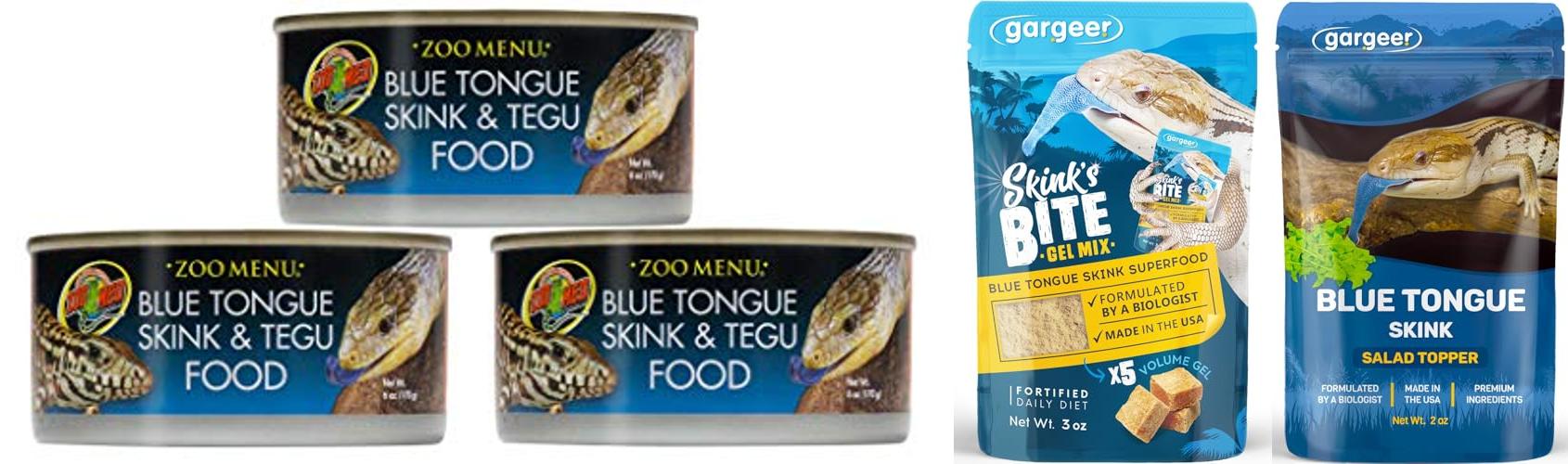
1. Zoo Med 3 Cans of Zoo Menu Blue Tongue Skin and Tegu Food

Rating: 9.2/10
Feeding your larger reptiles just got a whole lot easier with Zoo Med’s Zoo Menu Blue Tongue Skin and Tegu Food. This is the first food made just for these big, meat-eating lizards. It comes in a convenient 3-pack of 6-ounce cans.
What We Like:
- Made with chicken and soybeans, this food gives your lizards the high protein they need to stay healthy and active.
- It’s not just for Tegus and Blue Tongues! You can also give it as a special treat to box turtles and lizards that eat both plants and meat.
- The instructions are simple. For smaller lizards, you just need to feed about two small spoonfuls, which is a quarter of a can, every other day.
- This food is a great way to make sure your pets get balanced nutrition.
What Could Be Improved:
- While it’s a great food, it’s specifically for carnivorous lizards. If you have other types of pets, you’ll need different food for them.
- The product is designed for specific reptiles, so it might not be a versatile option for someone with a very diverse collection of pets.
This Zoo Med food is a solid choice for owners of Blue Tongue Skinks and Tegus. It offers a nutritious and easy feeding solution for your large carnivorous pets.
2. 3oz Blue Tongue Skink Food. Complete Gel Diet for Both Juveniles and Adults. Proudly Made in The USA

Rating: 8.8/10
Feeding your blue tongue skink just got easier and healthier with Gargeer’s 3oz Blue Tongue Skink Food. This complete gel diet is designed for both young and adult skinks, offering a premium, USA-made formula packed with everything your pet needs. Say goodbye to complicated meal prep and hello to a happy, healthy reptile!
What We Like:
- HUNTING BLUEY Feature: Encourages natural hunting instincts, making mealtime fun and engaging for your skink. Hand-feeding with tongs can be a great bonding experience.
- EXPERT Formulated: Created by a herpetologist with over 25 years of experience, ensuring optimal nutrition for growth and digestion. This leads to a cleaner environment for your pet.
- COMPLETE Nutrition: Provides all essential nutrients without the need for added meats, insects, or fruits. It’s a hassle-free, all-in-one solution.
- YOU GET MORE: The concentrated powder mixes with boiling water to create about 1 pound of moist gel, which is a better option than dry flakes or pellets.
- MADE IN THE USA: All formulas are developed and manufactured right here in the United States.
- Customer Satisfaction Guaranteed: The company is dedicated to ensuring you and your skink are happy with the product.
What Could Be Improved:
- The initial introduction to a new food might require patience, as some skinks can be picky.
- The product comes in a 3oz powder form, which needs to be prepared with boiling water.
Gargeer’s Blue Tongue Skink Food offers a convenient and highly nutritious option for your pet. Its expert formulation and USA-made quality make it a top choice for dedicated skink owners.
3. Gargeer 2oz Blue Tongue Skink Food Supplement

Rating: 9.0/10
The Gargeer 2oz Blue Tongue Skink Food Supplement is a flower salad mix topper designed to boost the health and appetite of both young and adult Blue Tongue Skinks. Made in the USA, this supplement is packed with vitamins and essential nutrients to create a complete diet.
What We Like:
- Provides essential nutrition with ingredients like Alfalfa Leaf Powder and Dandelion, promoting optimal health.
- Offers a variety of delicious flavors from ingredients like Marigold Flower and Hibiscus, making meals exciting for skinks.
- Stimulates appetite and supports digestion, helping to boost growth with vitamins like E, A, and D3, plus antioxidants.
- It’s a simple and effective way to improve your skink’s diet, suitable for other herbivorous and omnivorous reptiles too.
- Made in the USA by an experienced herpetologist, ensuring high quality and customer satisfaction.
What Could Be Improved:
- The product comes in a 2oz size, which might be a bit small for owners with multiple skinks or for long-term use.
- While it’s a topper, it’s important to remember it’s a supplement and not a complete replacement for a varied diet.
This Gargeer food supplement offers a fantastic way to enhance your Blue Tongue Skink’s meals. It delivers crucial nutrients and exciting flavors, making it a valuable addition to their care routine.
4. Blue-Tongued Skinks (CompanionHouse Books) Selecting Your Lizard

Rating: 9.4/10
Thinking about bringing a fascinating blue-tongued skink into your home? This comprehensive guide, “Blue-Tongued Skinks (CompanionHouse Books) Selecting Your Lizard, Housing, Feeding, Handling, Health Care, Breeding, Habits, Skink Family Information, Varieties, and More (Advanced Vivarium Systems),” is your go-to resource. It dives deep into everything you need to know to be a responsible and successful skink owner. From choosing the right skink for your lifestyle to setting up the perfect habitat, this book covers all the essential details.
What We Like:
- It offers a wealth of information on selecting the best skink.
- The book provides clear instructions for creating a proper and safe habitat.
- You’ll find detailed advice on feeding and handling your skink gently.
- It covers important health care tips to keep your pet thriving.
- There’s a section dedicated to understanding skink habits and their family.
- You can learn about different varieties of blue-tongued skinks.
What Could Be Improved:
- Some of the advanced topics like breeding might be a bit overwhelming for absolute beginners.
- More visual aids, like photos of different skink varieties, would be helpful.
This book equips you with the knowledge to give your blue-tongued skink a happy and healthy life. It’s a valuable investment for anyone serious about skink ownership.
5. BLUE TONGUE SKINK CARE RECORD BOOK: Complete Pet Profile

Rating: 8.9/10
The BLUE TONGUE SKINK CARE RECORD BOOK is your ultimate tool for keeping track of your scaly friend’s well-being. This journal helps you record everything from their daily meals to important vet appointments. It’s designed to be a comprehensive guide for any blue tongue skink owner. This book makes managing your pet’s health simple and organized.
What We Like:
- It has sections for your pet’s complete profile, making it easy to find all their information in one place.
- You can easily log vet visits and keep a clear record of vaccinations.
- Dedicated spaces are included for tracking food intake and cleaning schedules.
- It serves as a valuable medical and health journal for your skink.
- This book makes a thoughtful gift for any blue tongue skink enthusiast.
What Could Be Improved:
- The “N/A” feature means there’s no specific material or design detail to highlight for improvement in this aspect.
- Without further details on the “N/A” feature, it’s hard to suggest specific enhancements.
This record book offers a fantastic way to stay on top of your blue tongue skink’s care. It’s an essential item for responsible pet ownership.
The Ultimate Buying Guide: Feeding Your Blue-Tongue Skink
Choosing the right food for your blue-tongue skink is super important for their health and happiness. These fascinating lizards have specific dietary needs that differ from other reptiles. This guide will help you pick the best food to keep your scaly friend thriving.
Key Features to Look For in Blue-Tongue Skink Food
When you’re shopping for food, keep these key features in mind:
- Protein Source: Blue-tongue skinks are omnivores, meaning they eat both plants and animals. A good food will have a primary protein source that is easily digestible. Look for options like insects (crickets, mealworms, dubia roaches) or cooked meats.
- Vegetable and Fruit Content: A significant portion of their diet should be made up of vegetables and fruits. Aim for foods with a good mix of leafy greens, colorful vegetables, and some fruit.
- Calcium and Vitamin D3: These are vital for strong bones and overall health. Many commercial skink foods are fortified with these essential nutrients.
- Low Phosphorus: Too much phosphorus can prevent calcium absorption. Choose foods that have a good calcium-to-phosphorus ratio.
- No Artificial Additives: Avoid foods with artificial colors, flavors, or preservatives. Natural ingredients are always best.
Important Materials and Ingredients
The ingredients list tells the whole story. Here’s what you should look for:
- High-Quality Protein: As mentioned, insects or lean meats are great. Some commercial foods use dried insects, which are convenient.
- Leafy Greens: Collard greens, dandelion greens, mustard greens, and turnip greens are excellent choices.
- Vegetables: Squash, bell peppers, carrots, and green beans offer important vitamins and minerals.
- Fruits (in moderation): Berries, apples, and melons can be given as occasional treats.
- Calcium Supplements: Many owners dust insects with calcium powder or add it to their skink’s food.
- Vitamin Supplements: A reptile-specific multivitamin can help fill any nutritional gaps.
Factors That Improve or Reduce Quality
Not all skink foods are created equal. Here’s how to tell the good from the not-so-good:
- Improves Quality:
- Fresh Ingredients: Foods made with fresh, recognizable ingredients are generally higher quality.
- Appropriate Protein Levels: The protein should be present in the right amount, not too much or too little.
- Balanced Nutrition: A food that provides a good balance of protein, vegetables, fruits, vitamins, and minerals is ideal.
- Good Reviews: What other skink owners say can be a big help.
- Reduces Quality:
- Fillers: Ingredients like corn, wheat, or excessive grains are often used as fillers and don’t provide much nutritional value for skinks.
- Low-Quality Protein Sources: Ingredients like by-products or rendered animal meals can be less nutritious.
- High Phosphorus Content: As noted before, this can be detrimental.
- Artificial Additives: These offer no benefits and can potentially cause issues.
User Experience and Use Cases
How you feed your skink and what kind of food you choose affects their overall well-being.
- Commercial Pellets/Canned Foods: These are convenient for busy owners. They are often formulated to provide balanced nutrition. However, always check the ingredients to ensure they meet your skink’s needs. Some skinks might be picky about textures or flavors.
- Live Insect Diet: Feeding live insects like crickets or dubia roaches is a natural and engaging way for skinks to eat. This diet needs to be supplemented with calcium and vitamins. It can be time-consuming to gut-load insects and dust them properly.
- Fresh Food Mix: Many owners create their own fresh food mix using chopped vegetables, fruits, and protein sources. This allows for complete control over ingredients. It requires more preparation time but offers the freshest nutrition.
- Mixed Diet: The best approach for most owners is a mixed diet. This combines the convenience of commercial food with the benefits of fresh ingredients and insects. This variety keeps your skink interested and ensures they get a wide range of nutrients.
Frequently Asked Questions (FAQ) for Blue-Tongue Skink Food
Q: What is the most important nutrient for a blue-tongue skink?
A: Calcium is extremely important. It helps build strong bones and prevents serious health problems like metabolic bone disease.
Q: Can I feed my blue-tongue skink dog or cat food?
A: It is generally not recommended. Dog and cat foods are formulated for different animals and may not have the right balance of nutrients for a blue-tongue skink. They can also have ingredients that are harmful to reptiles.
Q: How often should I feed my blue-tongue skink?
A: Young, growing skinks should be fed daily. Adult skinks can be fed every other day. Adjust the amount based on your skink’s activity level and body condition.
Q: What vegetables are safe for blue-tongue skinks?
A: Safe vegetables include collard greens, dandelion greens, mustard greens, turnip greens, squash, bell peppers, carrots, and green beans. Always offer a variety.
Q: What fruits are okay for my blue-tongue skink?
A: Fruits should be given as treats in moderation. Good options include berries, apples, and melons. Avoid fruits with high acidity or sugar content.
Q: Should I supplement with calcium and vitamins?
A: Yes, it is highly recommended. Even with good food, supplementing ensures your skink gets enough calcium and essential vitamins, especially D3, which helps them absorb calcium.
Q: How do I know if my blue-tongue skink is getting enough to eat?
A: Your skink should have a healthy weight, be active, and have clear eyes. If they seem too thin or too chubby, adjust their food portions.
Q: What should I do if my blue-tongue skink refuses to eat a certain food?
A: Try offering it in a different way, like chopping it smaller or mixing it with a food they already like. Sometimes it takes time for them to accept new foods.
Q: Are there specific brands of food you recommend?
A: Many reputable brands offer blue-tongue skink specific foods. Look for brands that clearly list their ingredients and nutritional analysis. Researching reviews from other owners can help you find trusted brands.
Q: Can I feed my blue-tongue skink wild-caught insects?
A: It’s best to avoid feeding wild-caught insects. They can carry pesticides, parasites, or diseases that could harm your skink. Farmed insects are a safer choice.
In conclusion, every product has unique features and benefits. We hope this review helps you decide if it meets your needs. An informed choice ensures the best experience.
If you have any questions or feedback, please share them in the comments. Your input helps everyone. Thank you for reading.