

Imagine your beloved dog, full of life and joy, suddenly experiencing a seizure. It’s a frightening moment for any pet parent. Epilepsy can be a challenging condition to manage in dogs, and one of the biggest questions many owners face is: “What should I feed my dog to help with their seizures?”
Choosing the right dog food for a pet with epilepsy can feel overwhelming. You want to support their health and well-being, but the sheer number of brands and ingredients can make your head spin. You might worry about accidentally choosing something that could trigger a seizure or not provide the necessary nutrients. It’s a common concern, and you’re not alone in this quest for the best dietary support.
This post is here to help. We’ll break down what makes a dog food beneficial for epileptic dogs and what to look out for. By the end, you’ll feel more confident in understanding your options and making informed decisions about your furry friend’s diet, bringing you one step closer to peace of mind.
Our Top 5 Dog Food For Epilepsy Recommendations at a Glance
Top 5 Dog Food For Epilepsy Detailed Reviews
1. Seizure and Epilepsy Supplement

Rating: 9.4/10
Is your furry friend struggling with seizures, epilepsy, or nervous system-related issues? This OUREA Seizure and Epilepsy Supplement is designed to offer natural, herbal support for both dogs and cats. It aims to calm anxiety, reduce involuntary muscle activity, twitching, drooling, and strange repetitive movements, helping your pet find peace and comfort.
What We Like:
- Provides comprehensive nervous system support for pets experiencing stress or seizures.
- Effectively relieves anxiety and restores calm, addressing symptoms like nervousness and repetitive movements.
- Veterinarian recommended for its ability to reduce convulsions, muscle stiffness, and support healthy brain and nerve function.
- Made with a unique, highly concentrated tincture of natural herbs like Skullcap Root, Passion Flower, Wild Oat Seed, and Ashwagandha.
- 100% natural ingredients, free from alcohol, artificial flavors, colors, or preservatives, making it safe for pets of all ages and breeds.
- Easy to administer directly or mixed with food, with good palatability.
What Could Be Improved:
- While the description highlights its effectiveness, long-term studies or specific clinical trial data are not provided, which could offer further reassurance.
- The exact concentration of each herbal ingredient is not detailed, which might be of interest to some pet owners seeking very specific formulations.
This OUREA supplement offers a promising natural approach to managing neurological concerns in pets. It’s a great option for pet owners seeking gentle, herbal support for their anxious or seizure-prone companions.
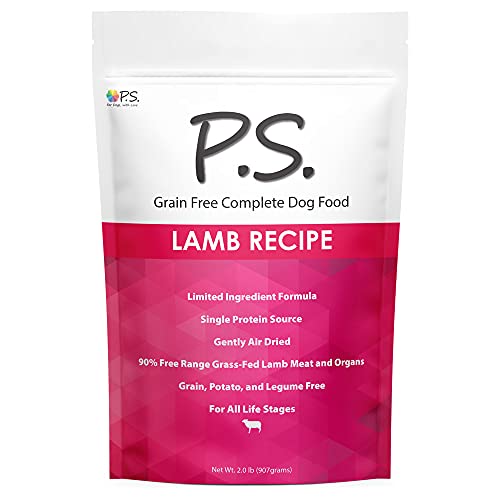
2. Ps for Dogs 100% Hypoallergenic Dog Food – No More Paw Licking & Skin Scratching – Solves Allergies Naturally – No More Harmful Shots
Rating: 8.8/10
Is your furry friend constantly scratching and licking their paws? The Ps for Dogs 100% Hypoallergenic Dog Food might be the answer you’ve been searching for. This special food aims to tackle common dog allergy issues naturally. Forget about itchy skin, redness, bumps, and even bad odors. This food is designed to help your dog feel more comfortable and happier, all without the need for shots, pills, or costly prescription diets.
What We Like:
- It really helps stop paw licking. This food helps prevent the yeast that makes dogs lick their paws so much.
- It calms down itchy skin, redness, and bumps. The special ingredients, like New Zealand Lamb, are good for your dog’s skin.
- It’s great for picky eaters. The air-dried, meaty pieces are super tasty and dogs love them.
- It’s made with simple, good ingredients. This grain-free, high-protein food is made just for dogs with food sensitivities.
- It’s made with care in New Zealand. They make it in small batches to ensure it’s high quality.
- It offers a natural way to solve allergies. This means no more harmful medicines or expensive vet bills for special food.
What Could Be Improved:
- It can be a bit pricey. While it saves money on vet visits, the initial cost of the food might be higher than regular dog food.
- Availability might be limited. Since it’s made in small batches, you might not find it in every pet store.
Ps for Dogs seems like a promising option for owners looking for a natural solution to their dog’s allergy problems. It focuses on simple, high-quality ingredients to improve your dog’s skin and overall well-being.
3. Blue Buffalo Wilderness Dry Dog Food Plus Wholesome Grains

Rating: 9.4/10
Give your dog the power of nature with Blue Buffalo Wilderness Dry Dog Food Plus Wholesome Grains, Chicken. This food is made with real chicken as the very first ingredient, just like a wolf’s natural diet. It’s packed with everything your dog needs to stay healthy and happy, from strong muscles to a shiny coat.
What We Like:
- Real chicken is the number one ingredient, providing high-quality protein.
- It supports strong muscles, healthy skin and coat, and a good immune system.
- Includes LifeSource Bits, which are full of antioxidants to boost immunity.
- Made with healthy, natural ingredients and avoids corn, wheat, and soy.
- No chicken or poultry by-product meals are used.
- The packaging now shows off the ingredients and benefits more clearly.
What Could Be Improved:
- The physical packaging might look a little different from the digital images.
- Some dogs might not enjoy the texture or taste, though this is rare.
This food offers a fantastic way to nourish your dog with wholesome, natural ingredients. It’s a choice that supports their overall well-being with every bite.
4. VICTOR Super Premium Dog Food – Grain Free Yukon River Canine – Supports Immune & Digestive Health for Dogs of All Life Stages – High Protein Dry Dog Food for All Normally Active Dogs

Rating: 9.1/10
VICTOR Super Premium Dog Food – Grain Free Yukon River Canine offers a high-quality, fish-based protein option for your dog’s complete nutrition. It’s designed to support your dog’s immune and digestive systems throughout all life stages, making it a versatile choice for any normally active canine companion.
What We Like:
- Fish Protein Power: Packed with 33% protein and 16% fat, this food uses fish as the primary protein source. This is great for dogs with allergies to other meats.
- Grain-Free Goodness: The kibble is grain-free, featuring nutrient-rich sweet potato. This adds fiber, which helps with digestion, and provides important vitamins.
- All Life Stages Formula: It’s made for puppies all the way up to adult dogs. It supports healthy growth and well-being for small, medium, and large breeds with normal activity levels.
- VPRO Blend Included: The food contains a special mix of supplements, vitamins, and minerals. This blend helps every dog reach their full potential, no matter their breed, age, or how active they are.
- Made in the USA: VICTOR proudly makes its dog food in its own Texas facility. They focus on high-quality ingredients sourced from nearby farms and ranches.
What Could Be Improved:
- Activity Level Specificity: While it says “normally active dogs,” some owners might want more guidance on whether it’s suitable for very high-energy dogs or those with very low activity.
- Ingredient Sourcing Transparency: While “majority of ingredients” are locally sourced, a more detailed breakdown of ingredient origins could offer further peace of mind for some consumers.
This VICTOR dog food provides excellent nutrition, especially for dogs needing a fish-based diet. It’s a solid choice for supporting your dog’s health from puppyhood to adulthood.
5. SECRETS TO MANAGING CANINE EPILEPSY: A compassionate owners guide to navigating life with a seizure-prone dog

Rating: 8.7/10
SECRETS TO MANAGING CANINE EPILEPSY: A compassionate owner’s guide to navigating life with a seizure-prone dog offers a much-needed resource for pet parents facing this challenging condition. This guide aims to empower you with knowledge and practical strategies to help your furry friend live a happy and fulfilling life, even with epilepsy.
What We Like:
- Offers clear, easy-to-understand information about canine epilepsy.
- Provides practical tips for managing seizures and daily care.
- Emphasizes a compassionate and supportive approach for owners.
- Helps owners understand their dog’s condition better.
- Builds confidence in handling seizure events.
What Could Be Improved:
- Could benefit from more visual aids like diagrams or photos to illustrate points.
- More in-depth information on specific treatment options and their side effects would be helpful.
- A section dedicated to emotional support for owners could be expanded.
- Specific examples of dietary recommendations or supplements might be useful for some readers.
This guide is an invaluable tool for any owner seeking to understand and effectively manage canine epilepsy. It provides essential knowledge and a compassionate framework for a better life with your beloved pet.
Finding the Right Dog Food for Epilepsy: A Comprehensive Guide
Living with a dog who has epilepsy can be challenging. Seizures can be scary for both you and your furry friend. While medication is often a big part of managing epilepsy, your dog’s diet can also play a crucial role. Choosing the right food can help support their overall health and potentially reduce seizure frequency. This guide will help you understand what to look for when selecting dog food for an epileptic pup.
Key Features to Look For
When you’re shopping for dog food for a dog with epilepsy, keep these important features in mind:
- Ketogenic Diet Support: Some foods are specifically designed to help dogs achieve a ketogenic state. This means the food is high in fat and very low in carbohydrates. This diet can sometimes help reduce seizure activity.
- Medium-Chain Triglycerides (MCTs): MCTs are a type of fat that can be easily converted into ketones by the body. Look for foods that list MCT oil or coconut oil as an ingredient. These can be a good source of this beneficial fat.
- High-Quality Protein: Protein is essential for muscle health and overall bodily functions. Opt for foods with identifiable, high-quality protein sources like chicken, lamb, or fish. Avoid generic “meat by-products.”
- Limited Ingredients: For some dogs, especially those with sensitivities, a limited-ingredient diet can be beneficial. This helps avoid potential triggers that might worsen their condition.
- Omega-3 Fatty Acids: These healthy fats, often found in fish oil, can help reduce inflammation throughout the body, including in the brain. This can be supportive for neurological health.
- Antioxidants: Ingredients like blueberries, cranberries, and certain vitamins can help fight free radicals in the body. This supports overall cellular health.
Important Materials (Ingredients)
The ingredients in your dog’s food are what truly matter. Here are some to seek out and some to be cautious of:
- Beneficial Ingredients:
- MCT Oil/Coconut Oil: As mentioned, this is key for ketogenic support.
- Fish Oil (Salmon Oil, Krill Oil): Excellent source of Omega-3s.
- Lean Protein Sources: Chicken, turkey, lamb, whitefish.
- Certain Vegetables: Sweet potatoes (in moderation for carbs), peas, carrots.
- Vitamins and Minerals: Ensure the food is balanced and fortified.
- Ingredients to Approach with Caution:
- High Carbohydrate Fillers: Corn, wheat, soy, and excessive rice can increase blood sugar and may not be ideal for a ketogenic approach.
- Artificial Colors, Flavors, and Preservatives: These offer no nutritional value and can sometimes cause sensitivities.
- Excessive Fat from Unspecified Sources: While fat is important, ensure it’s from quality sources.
Factors That Improve or Reduce Quality
Not all dog foods are created equal. These factors can impact the quality and effectiveness of the food for your epileptic dog:
- Improving Quality:
- Veterinary Formulation: Foods developed or recommended by veterinary nutritionists often have a more balanced and targeted approach.
- AAFCO Statement: Look for a statement on the packaging that says the food is “complete and balanced” for your dog’s life stage, as approved by the Association of American Feed Control Officials (AAFCO).
- Transparency in Sourcing: Brands that are open about where their ingredients come from often use higher-quality components.
- Palatability: Even the best food won’t help if your dog won’t eat it! Good quality foods are often more appealing.
- Reducing Quality:
- Vague Ingredient Lists: “Meat by-products” or “animal fat” without specifying the source are red flags.
- Excessive Fillers: Foods that rely heavily on grains or cheap fillers are often lower in the nutrients your dog needs.
- Poor Manufacturing Practices: While harder to discern from packaging, reputable brands usually have good manufacturing standards.
User Experience and Use Cases
Choosing the right food is a journey. Here’s what you might experience and when different types of food are useful:
- User Experience:
- Transition Period: When switching to a new food, do it gradually over 7-10 days to avoid stomach upset.
- Observation is Key: Watch your dog closely for changes in seizure frequency, energy levels, coat condition, and digestive health.
- Consult Your Vet: Always discuss dietary changes with your veterinarian. They can offer personalized advice based on your dog’s specific needs and medical history.
- Use Cases:
- Ketogenic Diets: For dogs whose seizures are managed with a ketogenic approach, specialized low-carb, high-fat foods are essential.
- Sensitive Stomachs: If your epileptic dog also has a sensitive stomach, a limited-ingredient diet can be a lifesaver.
- General Neurological Support: For dogs where diet is more about overall brain health and inflammation reduction, foods rich in Omega-3s and antioxidants are beneficial.
- Weight Management: Some epileptic dogs may need weight management alongside their seizure control. Look for balanced formulas that support healthy weight.
Frequently Asked Questions (FAQ)
Here are answers to some common questions about dog food for epilepsy:
Q: What is the most important thing to look for in epilepsy dog food?
A: The most important thing is to look for foods that support your dog’s specific needs, often involving ketogenic diets with high fats and low carbs, or foods rich in Omega-3 fatty acids.
Q: Can a special diet stop seizures completely?
A: A special diet can help manage seizures and potentially reduce their frequency, but it usually works best in conjunction with veterinary-prescribed medication.
Q: Are ketogenic diets safe for all dogs with epilepsy?
A: Ketogenic diets can be very effective but are not suitable for every dog. It’s crucial to discuss this with your veterinarian before starting one.
Q: How long does it take to see results from a new diet?
A: It can take several weeks, sometimes up to a few months, to notice significant changes in seizure frequency or other benefits from a new diet.
Q: What are MCTs and why are they good for epileptic dogs?
A: MCTs are a type of fat that the body can easily turn into ketones. Ketones can provide an alternative energy source for the brain and may help reduce seizure activity.
Q: Should I avoid all grains in dog food for epilepsy?
A: While low-carb diets are often recommended, some dogs can tolerate certain grains in moderation. It’s best to consult your vet for personalized advice on grain content.
Q: Can I feed my epileptic dog homemade food?
A: Yes, but homemade diets must be carefully balanced by a veterinary nutritionist to ensure they meet all of your dog’s nutritional needs and are appropriate for epilepsy management.
Q: What if my dog doesn’t like the special food?
A: If your dog is picky, try warming the food slightly, adding a small amount of vet-approved topper, or talking to your vet about alternative brands or flavors.
Q: How do I transition my dog to a new food?
A: Slowly mix the new food with the old food over 7 to 10 days, gradually increasing the amount of new food and decreasing the old food.
Q: When should I consult my veterinarian about my dog’s diet?
A: Always consult your veterinarian before making any significant dietary changes, especially for a dog with epilepsy, to ensure it’s safe and appropriate.
In conclusion, every product has unique features and benefits. We hope this review helps you decide if it meets your needs. An informed choice ensures the best experience.
If you have any questions or feedback, please share them in the comments. Your input helps everyone. Thank you for reading.