
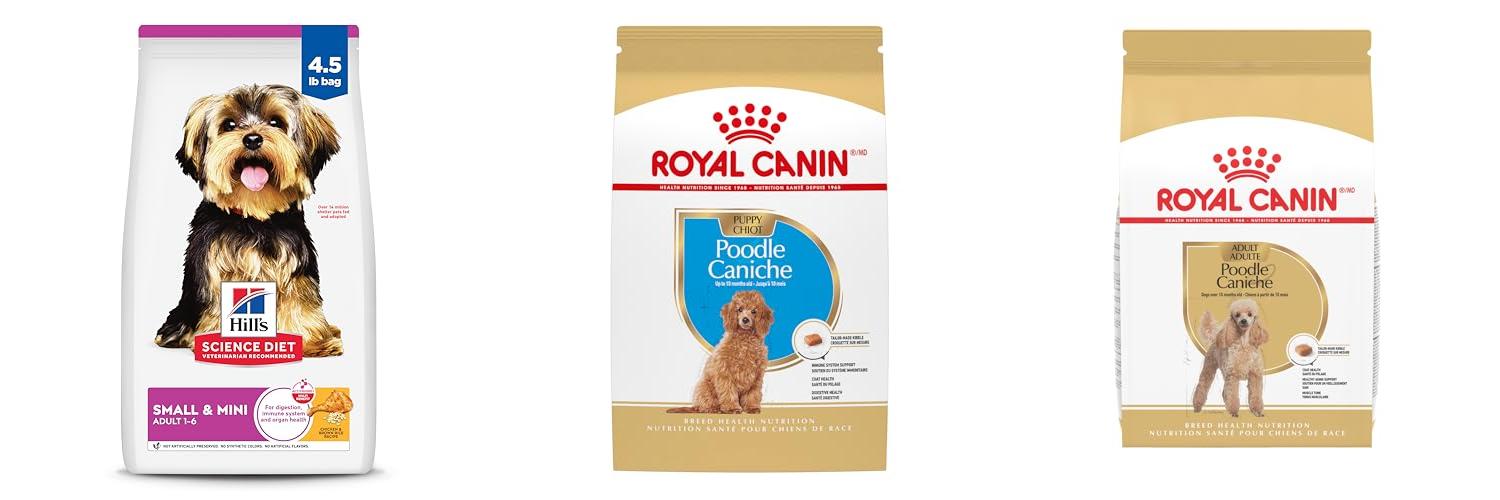
Imagine your tiny Poodle, full of playful energy and a sparkle in their intelligent eyes. But what fuels that happy wagging tail and shiny coat? For Mini Poodles, the right food is more than just a meal; it’s the foundation of their health and happiness. Yet, navigating the aisles of dog food can feel like a confusing maze. You want the best for your furry friend, but the sheer variety of brands, ingredients, and claims can leave you feeling overwhelmed and unsure.
You worry about allergies, digestive upset, and whether your Poodle is getting all the nutrients they need to thrive. It’s a common challenge for Mini Poodle owners, and the wrong food can lead to dull fur, low energy, or tummy troubles. But what if there was a clear path to understanding exactly what your little companion needs?
This post is here to help! We’ll break down the essential factors to consider when choosing dog food specifically for your Mini Poodle. You’ll learn what ingredients to look for, what to avoid, and how to spot high-quality options. By the end, you’ll feel confident in your ability to pick a food that will keep your Mini Poodle healthy, active, and looking their absolute best for years to come.
Our Top 5 Dog Food For Mini Poodle Recommendations at a Glance
Top 5 Dog Food For Mini Poodle Detailed Reviews
1. Hill’s Science Diet Small & Mini

Rating: 9.4/10
Hill’s Science Diet Small & Mini, Adult 1-6, Small & Mini Breeds Premium Nutrition, Dry Dog Food, Chicken & Brown Rice, 4.5 lb Bag is specially made for your small dog. It gives them the best food to help them stay healthy and happy.
-
What We Like:
- The ingredients are easy to digest. This means your dog’s tummy will feel good.
- It has high-quality protein. This helps your small dog build strong, lean muscles.
- You’ll see a difference in their skin and coat. Omega-6s and vitamin E make their skin healthy and their fur shiny.
- It’s made in the USA. You can trust the ingredients from all over the world.
- Veterinarians recommend it. This is a sign of its great quality.
-
What Could Be Improved:
- The 4.5 lb bag might be gone quickly for some owners. A larger size option could be helpful.
- The price point is for premium nutrition, which might be a consideration for some budgets.
This food offers excellent nutrition for your small breed dog. It supports their health from the inside out.
2. Royal Canin Breed Health Nutrition Poodle Puppy Dry Dog Food

Rating: 9.3/10
Getting your new Poodle puppy off to the best start is important. Royal Canin Breed Health Nutrition Poodle Puppy Dry Dog Food is made just for them. This food helps your growing Poodle puppy with all their needs from 8 weeks to 10 months old. It’s made with their special needs in mind.
What We Like:
- Specially made for purebred Poodle puppies.
- The kibble shape is easy for puppies to pick up and chew.
- It has a special mix of antioxidants, like vitamin E, to help their immune system grow strong.
- Fish oil gives them EPA and DHA, which makes their skin healthy and their curly coat shiny.
- High-quality proteins and prebiotics help their tummy work well and make good poop.
What Could Be Improved:
- The 2.5 lb bag might run out quickly for some owners.
- It’s a bit pricier than some other puppy foods.
This food offers great support for your Poodle puppy’s health and development. It’s a solid choice for owners who want the best for their furry friend.
3. Royal Canin Poodle Adult Breed Specific Dry Dog Food

Rating: 8.7/10
Give your intelligent Poodle the specialized nutrition they deserve with Royal Canin Poodle Adult Breed Specific Dry Dog Food. This 2.5 lb bag is crafted specifically for purebred Poodles aged 10 months and older, supporting their unique needs from adulthood through their golden years.
What We Like:
- Tailored for Poodles: This food is made just for Poodles. It meets their specific dietary needs.
- Easy to Eat Kibble: The kibble shape is special. It helps Poodles pick up and chew their food easily.
- Shiny, Healthy Coat: It contains omega-3 fatty acids like EPA and DHA. These support healthy skin and a beautiful, shiny coat. The protein levels are just right for this.
- Strong Muscles: The precise protein amount helps keep Poodle muscles toned. It supports their strong build.
- Supports Healthy Aging: A special mix of nutrients helps your adult Poodle stay active and healthy as they get older.
What Could Be Improved:
- Smaller Bag Size: The 2.5 lb bag might run out quickly for some Poodles. A larger size option could be helpful.
- Price Point: This specialized food can be a bit more expensive than general dog food.
Overall, Royal Canin Poodle Adult Dry Dog Food is a fantastic choice for Poodle owners who want to provide optimal nutrition. It addresses many of the breed’s specific health and dietary requirements.
4. Hill’s Science Diet Sensitive Stomach & Skin

Rating: 9.4/10
Is your small or mini breed dog dealing with tummy troubles or itchy skin? Hill’s Science Diet Sensitive Stomach & Skin, Adult 1-6, Small & Mini Breeds Stomach & Skin Sensitivity Support, Dry Dog Food, Chicken Recipe, 4 lb Bag might be the answer. This food is specially made for dogs with these common issues. It uses ingredients that are easy to digest and gentle on their systems. Plus, it helps their skin and coat look and feel great.
What We Like:
- The precise balance of ingredients helps dogs with sensitive stomachs.
- Highly digestible ingredients make it easier for dogs to get the nutrition they need.
- Prebiotic fiber feeds good bacteria in the gut, creating a healthier digestive system.
- Omega-6 fatty acids and Vitamin E work together to give your dog a shiny, healthy coat.
- It’s made in the USA with ingredients from all over the world that you can trust.
- This food is recommended by veterinarians, which gives peace of mind.
What Could Be Improved:
- The 4 lb bag might run out quickly for larger small breeds or multi-dog households.
- Some owners might find the price point a bit higher than other dog food options.
If you’re looking for a trusted food to help your small dog feel better inside and out, Hill’s Science Diet Sensitive Stomach & Skin is a strong contender. Many pet parents have seen positive changes in their dogs after switching to this formula.
5. Hill’s Science Diet Puppy Small & Mini Breeds Dry Dog Food

Rating: 9.2/10
Hill’s Science Diet Puppy Small & Mini Breeds Dry Dog Food is a top-notch choice for your tiny canine companion. This bag of goodness, featuring chicken, brown rice, and barley, is specially crafted to give your little pup the best start in life. It’s packed with all the essentials to help them grow strong and healthy from their first wobbly steps to their energetic puppy zoomies.
-
What We Like:
- It contains DHA from fish oil, which is super important for your puppy’s developing brain and sharp eyesight. This helps them learn quickly and see the world clearly.
- High-quality protein is a key ingredient. It fuels their growing muscles, giving them the energy for all their playful adventures and training sessions.
- You’ll find balanced minerals in this food. They are crucial for building strong bones and healthy teeth, ensuring your puppy can chew and play without worry.
- This food is proudly made in the USA. You can trust the global ingredients used because they are carefully selected.
- It’s the #1 veterinarian recommended brand, which means many animal doctors trust and suggest it for puppies.
-
What Could Be Improved:
- For some very picky eaters, the flavor might not be an instant hit, though most puppies love it.
- The 4.5 lb bag might run out quickly for owners of slightly larger “mini” breeds, requiring more frequent repurchases.
Overall, Hill’s Science Diet Puppy Small & Mini Breeds Dry Dog Food offers excellent nutrition for your growing pup. It’s a reliable and vet-approved option to support their healthy development.
Choosing the Best Food for Your Mini Poodle
Mini Poodles are smart, energetic, and have a beautiful, often hypoallergenic coat. Picking the right food helps them stay healthy and happy. This guide will help you find the perfect meal for your furry friend.
Key Features to Look For
High-Quality Protein Sources
Protein is super important for building strong muscles. Look for foods where the first ingredient is a real meat source like chicken, lamb, or fish. This gives your Mini Poodle the energy they need for playtime and training.
Healthy Fats
Fats are like fuel for your dog’s body. They help keep their skin healthy and their coat shiny. Omega-3 and Omega-6 fatty acids are great. You can often find these in fish oil or flaxseed.
Digestible Carbohydrates
Carbs give your dog energy. Choose foods with easy-to-digest carbs like sweet potatoes, brown rice, or peas. These are gentler on their tummies than ingredients like corn or wheat, which can sometimes cause problems.
Vitamins and Minerals
Just like us, dogs need vitamins and minerals to stay healthy. These help their immune system, bones, and overall well-being. Look for foods that list a good range of essential vitamins and minerals.
Small Kibble Size
Mini Poodles have small mouths. Foods with small kibble pieces are easier for them to chew and swallow. This can prevent choking and make mealtime more enjoyable.
Important Ingredients
Real Meat
Chicken, lamb, beef, turkey, and fish are excellent sources of protein. They provide essential amino acids that dogs need.
Vegetables and Fruits
Carrots, peas, sweet potatoes, blueberries, and apples offer vitamins, minerals, and antioxidants. These support a strong immune system.
Healthy Grains (or Grain-Free Options)
Brown rice, barley, oats, and quinoa are good sources of energy and fiber. Some Mini Poodles do better on grain-free diets, so observe your dog’s reaction.
Omega Fatty Acids
Found in fish oil, flaxseed, and chicken fat, these are vital for skin and coat health. They can reduce dryness and itchiness.
Factors That Improve or Reduce Quality
What Makes Food Better?
- Named Meat Source: “Chicken” is better than “meat by-products.”
- Whole Grains and Veggies: These provide more nutrients than fillers.
- Added Supplements: Glucosamine and chondroitin can help joint health.
- Natural Preservatives: Vitamin E (tocopherols) and rosemary extract are good.
What Makes Food Less Good?
- Artificial Colors, Flavors, and Preservatives: These don’t add nutritional value and can cause allergies.
- Excessive Fillers: Corn, wheat, and soy can be harder to digest for some dogs.
- Generic Meat By-products: These parts are less nutritious.
- High Amounts of Sugar: This can lead to weight gain and health issues.
User Experience and Use Cases
Many Mini Poodle owners look for foods that help with common issues like sensitive stomachs, skin allergies, or dental health. Foods with limited ingredients are often chosen for dogs with allergies. High-quality kibble helps keep teeth clean. For active Mini Poodles, food with plenty of protein and healthy fats provides the energy they need for long walks and training sessions.
When you first switch foods, do it slowly. Mix the new food with the old food over a week. This helps prevent tummy upset.
Frequently Asked Questions (FAQ)
Q: What is the best type of food for a Mini Poodle?
A: The best food for a Mini Poodle is a high-quality kibble or wet food with real meat as the main ingredient. It should also contain healthy fats, digestible carbohydrates, and essential vitamins and minerals. Small kibble size is a plus.
Q: How much food should I feed my Mini Poodle?
A: The amount of food depends on your dog’s age, activity level, and metabolism. Always check the feeding guidelines on the dog food bag and consult your veterinarian if you’re unsure.
Q: Are grain-free diets good for Mini Poodles?
A: Some Mini Poodles do well on grain-free diets, especially if they have grain sensitivities. However, not all dogs need grain-free food. Talk to your vet to see if it’s the right choice for your dog.
Q: What are signs that my Mini Poodle’s food isn’t right?
A: Signs include excessive scratching, digestive issues like vomiting or diarrhea, dull coat, or low energy. If you notice these, it’s time to consider a change and talk to your vet.
Q: How often should I feed my Mini Poodle?
A: Adult Mini Poodles are typically fed twice a day. Puppies need to eat more often, usually three to four times a day.
Q: Should I feed my Mini Poodle wet or dry food?
A: Both have benefits. Dry food (kibble) is good for dental health and is often more cost-effective. Wet food can be more appealing and hydrating. Many owners mix both.
Q: What are “by-products” in dog food?
A: By-products are parts of an animal that aren’t typically eaten by humans, like organs or bones. While some by-products can be nutritious, it’s best to choose foods that clearly list specific meat sources.
Q: How can I improve my Mini Poodle’s coat health?
A: Feeding a food rich in Omega-3 and Omega-6 fatty acids is key. Look for ingredients like fish oil or flaxseed. Regular grooming also helps.
Q: Is it okay to give my Mini Poodle table scraps?
A: It’s generally best to avoid giving your Mini Poodle table scraps. Many human foods are unhealthy or even toxic to dogs. Stick to their specially formulated dog food.
Q: When should I switch my Mini Poodle puppy to adult food?
A: Most Mini Poodles transition from puppy food to adult food between 9 to 12 months of age. Your veterinarian can provide the best recommendation based on your dog’s development.
In conclusion, every product has unique features and benefits. We hope this review helps you decide if it meets your needs. An informed choice ensures the best experience.
If you have any questions or feedback, please share them in the comments. Your input helps everyone. Thank you for reading.