

Does your furry friend scratch and itch constantly? Seeing your dog uncomfortable with red, flaky skin can be heartbreaking. Seborrheic dermatitis is a common skin condition in dogs, and it can make their lives miserable. Finding the right food to help manage this issue can feel like a never-ending quest.
You’ve probably spent hours looking at labels, wondering what ingredients will soothe your dog’s skin and what will make it worse. The sheer number of “hypoallergenic” or “skin-friendly” foods can be overwhelming, and the wrong choice can lead to more vet visits and continued discomfort for your pet. It’s a frustrating cycle for any dog owner.
But what if there was a clearer path? In this post, we’ll break down exactly what to look for in dog food when your dog has seborrheic dermatitis. You’ll learn about the key ingredients that can help calm inflammation and support healthy skin, and discover how to avoid common culprits that trigger flare-ups. By the end, you’ll feel confident choosing a food that truly helps your dog feel better and look healthier.
Our Top 5 Dog Food For Seborrheic Dermatitis Recommendations at a Glance
Top 5 Dog Food For Seborrheic Dermatitis Detailed Reviews
1. Pet MD Hydrocortisone Spray for Dogs

Rating: 9.4/10
Is your furry friend constantly scratching? Does their skin look red and irritated? The Pet MD Hydrocortisone Spray is here to help! This powerful spray tackles itchiness, hot spots, and other skin troubles for dogs, cats, and even horses. It’s designed to bring fast relief so your pet can stop feeling uncomfortable and start healing.
What We Like:
- Fast Itch Relief: The 1% hydrocortisone formula works quickly to calm down itchy, irritated skin. It helps stop the cycle of scratching and biting.
- Soothes Redness and Swelling: This spray reduces inflammation, making your pet feel better. It tackles symptoms of hot spots and bites effectively.
- Gentle on Skin: The formula is free of strong smells and dyes. This means it won’t sting or irritate your pet’s sensitive skin further.
- Works for Multiple Pets: It’s safe and effective for dogs, cats, and horses, making it a versatile solution for many pet owners.
- Trusted Quality: Pet MD products are made in the USA. They follow strict quality checks to ensure you get a reliable product.
What Could Be Improved:
- Spray Nozzle Precision: Sometimes the spray can be a little wide, making it tricky to target very small areas precisely.
- Pet Cooperation: While the spray is gentle, some pets might still be a little hesitant about being sprayed.
Overall, the Pet MD Hydrocortisone Spray is a fantastic tool for managing your pet’s skin issues. It offers effective relief and is made with your pet’s comfort and health in mind.
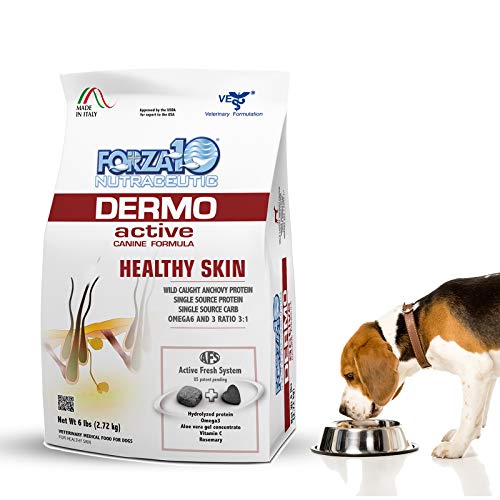
2. Forza10 Dermo Allergy Dog Food
Rating: 9.1/10
If your furry friend is struggling with itchy skin or a sensitive stomach, Forza10 Dermo Allergy Dog Food might be the answer you’ve been searching for. This dry dog food is specifically designed to tackle common allergy issues in dogs, using a fish-based formula that’s gentle on their digestive system and tough on irritants.
What We Like:
- Effectively targets dry skin and minor skin ailments, offering relief from itching and redness.
- Made with high-quality raw fish protein, which is great for a dog’s coat and skin.
- Contains beneficial ingredients like fiber and omega-3 fatty acids to support overall health.
- Free from GMOs, gluten, artificial colors, and artificial flavors, making it a cleaner option.
- Features hydrolyzed fish protein, which helps prevent allergic reactions.
- Includes therapeutic plants and fruit extracts for enhanced taste and skin health support.
- Specifically formulated to reduce common allergens that cause skin and coat problems.
- A good choice for dogs dealing with dermatitis, hot spots, and dandruff.
What Could Be Improved:
- The 6-pound bag size might be small for larger breeds or households with multiple dogs, requiring frequent repurchasing.
- While the fish flavor is intended to be appealing, some dogs might have a strong aversion to fish-based foods.
Forza10 Dermo Allergy Dog Food offers a promising solution for dogs battling skin and stomach sensitivities. It’s a thoughtfully crafted food that aims to bring comfort and health back to your beloved pet.
3. Seborrheic & Atopic Dermatitis Gentle Face Wash with Manuka Honey – Natural & Organic Face Cleanser & Body Wash For Sensitive Skin – Hypoallergenic

Rating: 9.4/10
Struggling with sensitive skin conditions like seborrheic or atopic dermatitis? This Seborrheic & Atopic Dermatitis Gentle Face Wash with Manuka Honey offers a natural and organic solution for both your face and body. It’s designed to be gentle and effective, helping to soothe and cleanse without causing further irritation.
What We Like:
- Provides relief for seborrheic dermatitis and reduces the appearance of atopic dermatitis.
- Uses natural and organic ingredients like Manuka Honey, Aloe Vera, and Coconut Oil to gently cleanse.
- Deeply hydrates and moisturizes damaged skin, leaving it feeling clean and healthy.
- The pH-balanced, fragrance-free formula strengthens the skin’s natural protective barrier.
- Made in the USA with responsibly sourced ingredients, free from parabens, sulfates, gluten, and harsh chemicals.
- It’s also hypoallergenic and not tested on animals.
What Could Be Improved:
- While it’s a face and body wash, some users might prefer separate products for face and body.
- The scent is fragrance-free, which is great for sensitive skin, but some may miss a light, pleasant fragrance.
This face and body wash provides effective, gentle care for sensitive skin. It’s a great choice for anyone looking for a natural way to manage skin concerns while keeping their skin hydrated and healthy.
Choosing the Best Dog Food for Seborrheic Dermatitis: A Guide
Seborrheic dermatitis can make your furry friend uncomfortable. It causes itchy, flaky, and sometimes red skin. The right dog food can make a big difference in managing this condition. This guide helps you pick the best food for your dog.
Key Features to Look For
When you shop for dog food for seborrheic dermatitis, keep these important features in mind.
High-Quality Protein Sources
- Look for foods with named animal protein as the first ingredient. This means the protein comes from a specific animal, like chicken, lamb, or fish.
- Avoid generic “meat by-products.” These can be lower quality.
- Novel proteins (like duck, venison, or rabbit) can be great if your dog has food allergies. These are proteins they haven’t eaten before.
Healthy Fats (Omega-3 and Omega-6 Fatty Acids)
- These fats are crucial for skin health. They help reduce inflammation and keep the skin moisturized.
- Look for ingredients like fish oil, flaxseed, or sunflower oil.
- The balance of these fats is important.
Limited Ingredient Diets (LIDs)
- These foods have fewer ingredients. This makes it easier to identify and avoid potential allergens.
- LIDs are especially helpful if you suspect food allergies are contributing to your dog’s dermatitis.
No Artificial Additives
- Artificial colors, flavors, and preservatives can sometimes trigger allergic reactions or skin irritation.
- Choose foods that use natural preservatives like mixed tocopherols (Vitamin E).
Digestible Carbohydrates
- Some dogs do better with easily digestible carbs like sweet potatoes or peas.
- Avoid common allergens like corn, wheat, and soy if your dog is sensitive.
Important Ingredients to Consider
Certain ingredients can be very beneficial for dogs with seborrheic dermatitis.
Salmon and Fish Oils
- These are rich in EPA and DHA, types of omega-3 fatty acids. They fight inflammation and promote a healthy skin barrier.
Coconut Oil
- This oil contains medium-chain triglycerides (MCTs). MCTs can help improve skin health and may have anti-inflammatory properties.
Probiotics and Prebiotics
- A healthy gut is linked to healthy skin. Probiotics add good bacteria to the gut, while prebiotics feed these good bacteria.
Vitamins and Minerals
- Vitamins A, E, and zinc are important for skin repair and immune function.
Factors That Improve or Reduce Quality
Understanding what makes a dog food great or not so great helps you make smart choices.
Factors That Improve Quality
- Transparency in Sourcing: Knowing where the ingredients come from.
- AAFCO Statement: Look for a statement that says the food is “complete and balanced” for your dog’s life stage, according to AAFCO (Association of American Feed Control Officials) guidelines.
- Veterinarian Recommended: Many high-quality foods are recommended by vets.
- Good Reviews: Positive feedback from other dog owners facing similar issues.
Factors That Reduce Quality
- Fillers: Ingredients like corn, wheat, and soy that add bulk but little nutritional value for some dogs.
- Artificial Ingredients: As mentioned before, these can be problematic.
- Vague Ingredient Lists: When you can’t tell exactly what’s in the food.
- Poor Manufacturing Practices: Some brands have better quality control than others.
User Experience and Use Cases
How do other dog owners use and benefit from these foods?
- Managing Itching and Flaking: Many owners report a noticeable reduction in scratching and dandruff after switching to a specialized diet.
- Improving Coat Health: Dogs often develop a shinier, healthier-looking coat.
- Reducing Vet Visits: By effectively managing the condition at home, owners may visit the vet less often for skin issues.
- Allergy Testing Support: Limited ingredient diets can be used as part of an elimination diet to pinpoint food allergies with your vet.
- Long-Term Health: These foods support overall well-being, not just skin health.
Frequently Asked Questions (FAQ)
Q: What is seborrheic dermatitis in dogs?
A: Seborrheic dermatitis is a common skin condition in dogs. It causes greasy or dry, flaky skin, often with redness and itching.
Q: Can diet really help my dog’s seborrheic dermatitis?
A: Yes, diet can significantly help. Certain ingredients can reduce inflammation and improve skin health. Sometimes, food allergies contribute to the problem, and diet changes can fix it.
Q: What are the most important ingredients to look for in food for seborrheic dermatitis?
A: Look for high-quality protein, healthy fats like omega-3s from fish oil, and easily digestible carbohydrates. Avoid common allergens like corn, wheat, and soy.
Q: What is a “limited ingredient diet” (LID) and why is it good for this condition?
A: An LID has fewer ingredients. This makes it easier to find out if a specific food is causing your dog’s skin to flare up.
Q: Should I look for foods with fish oil?
A: Yes, fish oil is excellent. It’s packed with omega-3 fatty acids that fight inflammation and help dry, itchy skin.
Q: Are grain-free diets always better for dogs with seborrheic dermatitis?
A: Not necessarily. Some dogs do fine with grains. The key is to avoid grains that are common allergens for your specific dog, like wheat or corn.
Q: How long does it take to see results after changing my dog’s food?
A: You might see improvements in a few weeks, but it can take up to 8-12 weeks to see the full benefits. Consistency is key.
Q: Can I feed my dog human food if they have seborrheic dermatitis?
A: It’s generally best to stick to dog-specific food. Human foods can be hard to balance nutritionally and may contain ingredients that worsen skin issues.
Q: When should I talk to my veterinarian about my dog’s seborrheic dermatitis?
A: Always talk to your vet first. They can diagnose the condition, rule out other causes, and recommend specific dietary changes or treatments.
Q: What if my dog doesn’t like the new food?
A: Transition slowly. Mix a small amount of the new food with their old food, gradually increasing the new food over a week. If your dog still refuses it, talk to your vet about other options.
In conclusion, every product has unique features and benefits. We hope this review helps you decide if it meets your needs. An informed choice ensures the best experience.
If you have any questions or feedback, please share them in the comments. Your input helps everyone. Thank you for reading.