
When saying goodbye to a beloved canine companion, many pet owners consider burial as a final resting place. A crucial aspect of this process is ensuring the dog burial depth is appropriate, offering both dignity for your pet and peace of mind for you. So, how deep to dig a grave for dog? Generally, a pet grave depth of at least 2 to 3 feet from the bottom of the grave to the surface is recommended. This depth helps prevent animals from digging up the remains and reduces the risk of odor or disease transmission.
Choosing to bury your pet at home is a deeply personal decision. It allows for a tangible place to grieve and remember your furry friend. However, it’s not simply a matter of digging a hole. There are several factors to consider to ensure a respectful and safe burial. This guide will delve into the specifics of how deep to bury a dog, exploring the reasons behind these recommendations, legal considerations, and practical tips for creating a lasting tribute. We’ll also touch upon pet cremation vs burial depth, offering a broader perspective on end-of-life care options for your cherished animals.
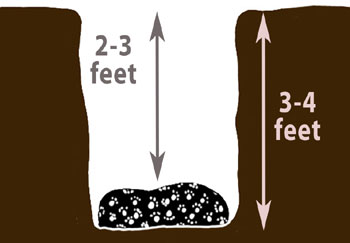
Image Source: www.dfordog.co.uk
Deciphering Animal Burial Guidelines
Various organizations and local authorities offer animal burial guidelines that aim to protect public health and the environment. These guidelines are not always legally binding for private backyard burials, but they provide a strong framework for responsible pet disposition. Adhering to these suggestions ensures that the burial is safe, respectful, and minimizes potential issues.
Why Depth Matters: Protecting Your Pet and the Environment
The recommended pet grave depth serves several critical purposes:
- Preventing Scavenging: Wild animals, from neighborhood dogs to larger predators, have keen senses of smell. A shallow grave makes your pet vulnerable to being dug up, which can be incredibly distressing for grieving owners. A depth of 2-3 feet provides a significant barrier.
- Minimizing Odor: As decomposition occurs, it releases odors. Adequate soil cover helps to contain these smells, preventing them from becoming noticeable above ground.
- Disease Prevention: While the risk is generally low, decomposing remains can potentially harbor bacteria or viruses. Sufficient soil depth acts as a natural buffer, preventing these pathogens from reaching the surface or groundwater.
- Environmental Protection: Proper burial depth helps ensure that the decomposition process does not contaminate local water sources. The soil itself acts as a natural filter.
Legal Aspects of Backyard Pet Burial
Before you grab a shovel, it’s essential to check your local ordinances. Some areas have specific regulations regarding backyard pet burial depth and even prohibit it altogether.
- Local Zoning Laws: Some municipalities have rules about where and how you can bury pets on your property. This might include restrictions on the size of the animal or the proximity of the grave to property lines or water sources.
- Homeowners Associations (HOAs): If you live in a community with an HOA, review their guidelines, as they may have their own rules about pet burials.
- State Regulations: While less common for backyard burials, some states may have overarching regulations concerning animal carcasses.
- Water Table Considerations: It’s vital to be aware of your local water table. Burying a pet too close to the surface or in an area with a high water table can lead to contamination issues.
If backyard burial is not permitted or feasible, you might consider a pet cemetery or a pet cremation service. Understanding the implications of pet cremation vs burial depth is important when making these decisions. While cremation doesn’t involve a grave depth, it still requires careful consideration of how you will memorialize your pet.
Fathoming the Standard Dog Grave Depth
The concept of a standard dog grave depth is often based on best practices rather than a strict, universally enforced law. However, these practices are rooted in practical necessity and respect for the animal.
The 2-3 Foot Rule: A Practical Measure
The consensus among veterinarians, pet loss counselors, and animal welfare experts leans towards a safe burial depth for pets of approximately 2 to 3 feet. This measurement is typically taken from the bottom of the grave to the ground surface.
- Why not shallower? As mentioned, shallower graves are more susceptible to being disturbed by animals or weather.
- Why not deeper? While deeper is always safer from a scavenging perspective, excessively deep graves can be difficult to dig and may increase the risk of water table contamination if the water table is high. It also becomes harder to locate the grave later.
Factors Influencing Optimal Depth
While 2-3 feet is a good benchmark, several factors might influence your decision on the appropriate dog burial depth:
- Size of Your Dog: A larger dog will naturally require a wider and potentially slightly deeper grave to accommodate its body comfortably.
- Soil Type and Condition: Heavy, clay-heavy soil can be harder to dig and may shift more easily. Sandy soil might be more prone to collapse. Consider the stability of your chosen burial spot.
- Local Wildlife: If your area has a particularly active population of scavenging animals, opting for the deeper end of the recommended range (closer to 3 feet) might be wise.
- Climate: In areas with frequent freezing and thawing cycles, a deeper grave can help protect the remains from extreme temperature fluctuations.
Preparing the Pet Grave Site
Choosing the right spot and preparing the grave properly are as important as the digging itself.
Selecting the Perfect Spot
When choosing where to bury your dog, consider these points:
- Privacy and Tranquility: Select a location where you can visit and reflect without disturbance. This might be a quiet corner of your yard, under a favorite tree, or near a special garden spot.
- Accessibility: Ensure the spot is accessible year-round, especially if you plan to visit frequently. Avoid areas prone to flooding or waterlogging.
- Distance from Water Sources: Keep the grave a good distance away from wells, streams, ponds, or any other water sources to prevent contamination. Check local guidelines for specific setback requirements.
- Future Development: Consider future landscaping plans or construction on your property. You wouldn’t want to inadvertently disturb the grave site later.
The Digging Process: Tools and Techniques
A shovel is your primary tool, but a sturdy spade with a sharp edge will make the job easier, especially in tougher soil.
- Measure Carefully: Mark out the area for the grave, ensuring it’s wide enough and long enough for your dog, with a little extra space.
- Soil Management: As you dig, pile the removed soil neatly to one side. This will make refilling the grave easier and cleaner. Consider placing a tarp or old blanket under the soil to keep your lawn clean.
- Depth Consistency: Aim for a consistent depth throughout the grave.
What to Bury With Your Dog
Many owners choose to place beloved toys, blankets, or treats with their pets.
- Biodegradable Items: It’s best to stick with biodegradable items. Natural materials like cotton blankets, untreated wood toys, or natural fiber ropes will decompose along with your pet.
- Avoid Plastics and Non-Biodegradables: Items like plastic toys, synthetic bedding, or metal tags can persist in the ground for a very long time and may hinder the natural decomposition process.
Burial Depth for Different Animals
While the focus is on dogs, the principles of animal burial guidelines extend to other pets as well. The dog burial depth is a good starting point for many smaller animals, but adjustments may be needed.
Small Animals (Cats, Rabbits, Hamsters)
For smaller pets like cats, rabbits, or hamsters, the general safe burial depth for pets of 2-3 feet is still recommended for the same reasons: preventing scavenging and decomposition management. The grave will obviously be smaller in width and length.
Larger Animals (Horses, Livestock)
For larger animals, backyard burial is often not practical or permitted due to the sheer size and decomposition rate. Special services are usually required for these animals, often involving larger burial sites or specific regulations. The safe burial depth for pets in these cases can be significantly greater, often requiring heavy machinery.
Locating a Pet Grave: Preserving Memories
One of the joys of backyard burial is having a physical place to visit and remember your pet. Ensuring the grave is locating a pet grave is easy for years to come is important.
Marking the Grave
A marker is essential for identifying the burial spot.
- Headstones or Plaques: You can purchase a custom headstone or memorial plaque.
- Natural Markers: A beloved rock, a sturdy plant, or a carefully placed garden ornament can also serve as a marker.
- GPS Coordinates: For a modern touch, you could record the GPS coordinates of the burial site.
Considerations for Long-Term Identification
- Durability: Choose markers that will withstand weather conditions.
- Subtle Integration: Some owners prefer a marker that blends naturally with their garden or landscape.
- Avoid Temporary Markers: Wooden crosses or simple stakes can rot and become illegible over time.
Pet Cremation vs. Burial Depth
When considering end-of-life options, pet cremation vs burial depth is a significant comparison. While cremation doesn’t involve grave depth, it’s a popular alternative for many pet owners.
Pet Cremation Explained
Pet cremation involves burning the animal’s body at high temperatures in a specialized crematorium.
- Individual Cremation: The pet is cremated alone, and its ashes are returned to the owner.
- Communal Cremation: Multiple pets are cremated together, and the ashes are not returned.
Pros and Cons of Each Option
| Feature | Burial | Cremation |
|---|---|---|
| Memorialization | Provides a physical grave site in your yard or a pet cemetery. | Ashes can be kept in an urn, scattered, or interred in a columbarium or memorial garden. |
| Regulations | Subject to local laws and HOA rules regarding backyard pet burial depth and placement. | Generally fewer restrictions, as it’s a service provided by a professional facility. |
| Cost | Can be lower if DIY, but costs increase with grave liners, headstones, or pet cemetery plots. | Varies based on pet size and whether it’s individual or communal cremation. |
| Environmental Impact | Requires land space. Proper depth is crucial to avoid water contamination. | Uses energy for cremation. Ash residue is generally considered inert. |
| Long-Term Care | Requires maintenance of the grave site. | Urns and memorial items require minimal upkeep. |
| Emotional Aspect | Offers a tangible place to visit and grieve. | Allows for keeping a part of the pet with you at all times. |
The decision between burial and cremation is deeply personal. If you choose burial, respecting the dog burial depth is paramount. If you opt for cremation, you might still choose to inter the ashes in a plot of appropriate depth, or simply keep them in a special place.
Ensuring a Safe and Respectful Burial
Beyond the depth, several other considerations contribute to a safe and dignified pet burial.
The Importance of a Pet Burial Liner
While not always required, a pet burial liner can offer added protection.
- What is a Liner? A liner is typically a box or vault, often made of plastic, concrete, or biodegradable materials, that the pet is placed inside before being lowered into the grave.
- Benefits of a Liner:
- Provides a barrier against soil pressure, preventing the grave from collapsing.
- Offers an additional layer of protection against scavengers.
- Can help contain the decomposition process, reducing odors.
- Biodegradable liners will break down over time, leaving the pet to decompose naturally.
Dealing with Existing Pets in the Yard
If you have other pets, you might be wondering about the implications of burying a deceased pet in a yard where other animals live.
- Natural Behavior: Dogs, in particular, can be curious about the scent of a deceased animal. It’s advisable to bury your pet away from frequently visited areas by your living pets, at least until the initial strong scent dissipates.
- Health Considerations: While the risk is minimal, ensure your living pets do not have access to the fresh grave.
Memorializing Your Beloved Companion
The burial itself is an act of love, but creating lasting memorials can provide comfort and a way to keep your pet’s memory alive.
- Planting a Tree or Bush: Choose a species that you associate with your pet, or one that will flourish in the burial location.
- Creating a Garden Space: Dedicate a small garden area to your pet, with flowers or plants they loved.
- Pet Memorial Stones: Place a personalized stone with their name and dates.
- Photo Albums and Keepsakes: Gather photos, collars, and favorite toys to create a memory box.
Frequently Asked Questions About Pet Burial Depth
Q1: What is the minimum depth for burying a dog?
A: While there isn’t a universal legal minimum for backyard burials in all areas, a safe burial depth for pets is generally considered to be at least 2 to 3 feet from the bottom of the grave to the surface. This depth is recommended to deter scavengers and manage decomposition.
Q2: Can I bury my dog in my backyard?
A: In many areas, yes, you can bury your dog in your backyard. However, it’s crucial to check your local city or county ordinances and any Homeowners Association (HOA) rules, as some locations have restrictions or require permits.
Q3: How do I know if the ground is too shallow for a pet grave?
A: If you can easily feel the remains by digging just a foot or two down, the grave is too shallow. Proper dog burial depth is designed to prevent this. You should feel a significant amount of soil above the remains.
Q4: What if my dog was very large? How does that affect burial depth?
A: For larger dogs, you’ll need a wider and longer grave. While the standard dog grave depth of 2-3 feet still applies, ensure the grave is deep enough to accommodate the entire body with the recommended soil cover.
Q5: What are the alternatives to backyard burial?
A: Alternatives include pet cemeteries, communal or individual cremation (with ashes returned), or donating your pet’s body to a veterinary teaching hospital for research or education (if available and ethically permissible in your area). Each option has different implications than pet cremation vs burial depth.
Q6: How deep should I bury a cat compared to a dog?
A: The recommended pet grave depth of 2 to 3 feet is generally suitable for both dogs and cats, though the width and length of the grave will differ. The depth is primarily for protection from scavengers and environmental factors, which apply regardless of the animal’s size.
Q7: Is it okay to use a plastic bin for burying my dog?
A: While a plastic bin might seem like a good idea for containment, it’s generally not recommended as it is not biodegradable and can hinder the natural decomposition process. A specialized, biodegradable pet burial liner is a better alternative if you choose to use a liner.
Q8: How do I find out the regulations for pet burial in my specific area?
A: You can typically find this information by contacting your local animal control department, city hall, or county clerk’s office. Checking your HOA website or contacting them directly is also advisable.
By carefully considering these guidelines and personalizing the process, you can provide a loving and respectful final resting place for your cherished dog, ensuring their memory is honored appropriately.