
Can you get dog pee out of a couch? Absolutely! Getting dog pee out of your couch safely is possible with the right approach and products. This guide will walk you through effective methods to tackle those unwelcome accidents, ensuring your couch is clean and odor-free.
Dealing with dog pee on your couch can be a disheartening experience. The immediate concern is often how to remove the stain and, more importantly, the lingering odor. Thankfully, with a bit of knowledge and the right tools, you can restore your sofa to its former glory. This post will equip you with the steps and products needed to effectively clean your couch. We’ll cover everything from immediate action to long-term odor elimination.
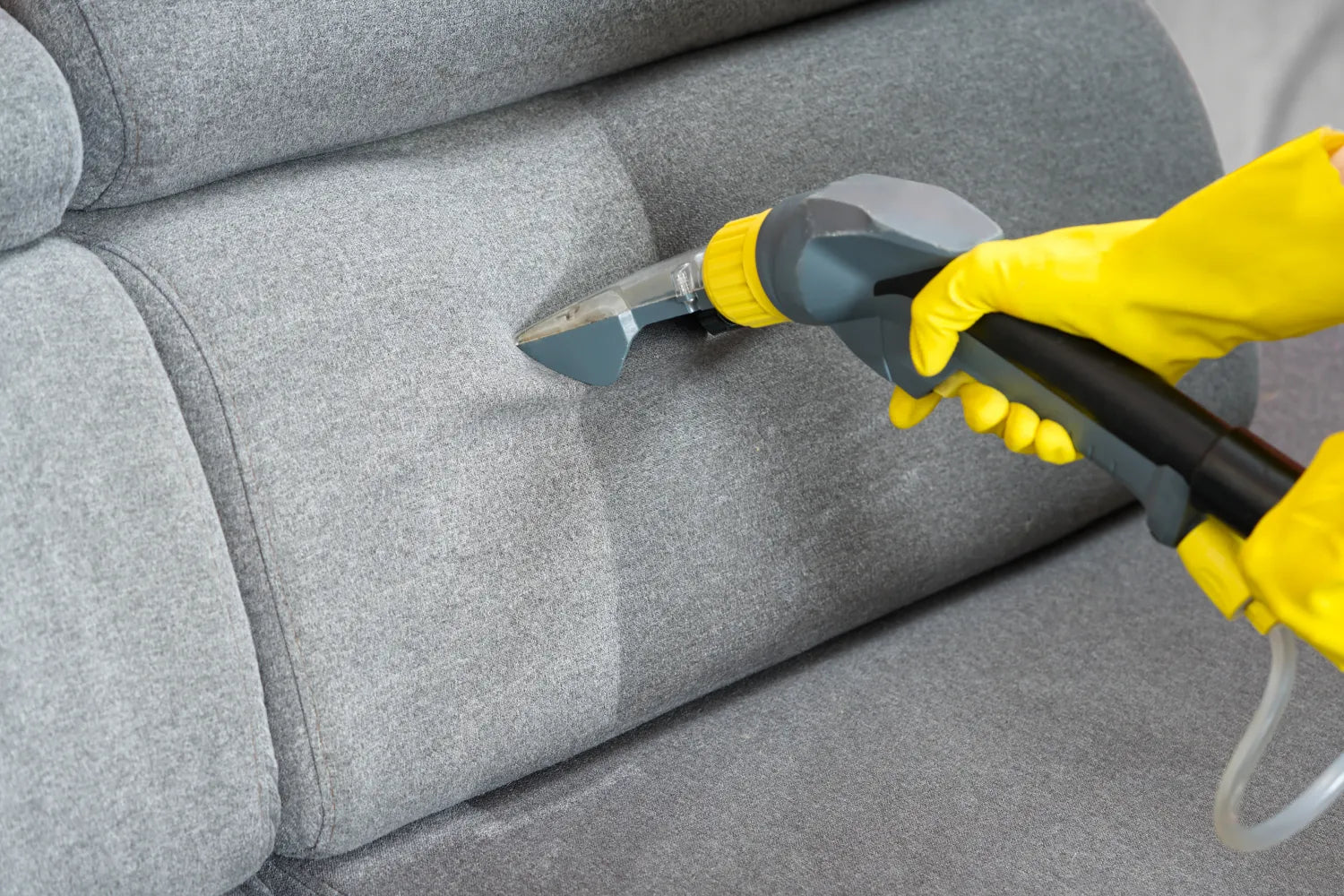
Image Source: www.brilliantpad.com
Quick Action: The First Steps to Success
When an accident happens, time is of the essence. The sooner you act, the easier it will be to remove the stain and smell. Don’t let the pee sit, as it can soak deeper into the couch’s cushions and fabric.
Blotting the Mess
- Use clean cloths or paper towels: Gently blot the wet area. Do not rub, as this will push the urine deeper into the couch fibers.
- Absorb as much liquid as possible: Continue blotting with fresh cloths until no more moisture is being absorbed. This is a crucial first step for any upholstery stain cleaner to work effectively.
Choosing Your Cleaning Arsenal: The Right Products
Selecting the correct cleaning products is vital for safe and effective removal. Not all cleaners are suitable for all couch materials, so always check your couch’s care tag first.
The Power of Enzyme Cleaners
Enzyme cleaners are specifically designed to break down organic matter, like urine. They are highly effective at eliminating both the stain and the odor at its source.
- How they work: Enzymes are natural biological agents that consume the odor-causing molecules in pet stains. Unlike traditional cleaners that might mask the smell, enzyme cleaners eliminate it. This makes them an excellent choice for a pet odor eliminator.
- Application: Follow the product’s instructions carefully. Usually, you’ll saturate the affected area and allow it to air dry. The enzymes work as they dry.
DIY Couch Cleaner Options
Sometimes, you might need a quick solution at home. Here are some DIY options that can help.
- Vinegar Solution:
- Mix equal parts white vinegar and water in a spray bottle.
- Lightly spray the affected area. Vinegar helps neutralize odors.
- Blot the area with a clean cloth.
- Baking Soda Paste:
- Make a paste with baking soda and a little water.
- Apply it to the stain after blotting.
- Let it dry completely, then vacuum it up. Baking soda is excellent for absorbing odors.
- Hydrogen Peroxide (Use with Caution):
- A 3% hydrogen peroxide solution can be used on lighter-colored fabrics.
- Test in an inconspicuous area first to ensure it doesn’t bleach the fabric.
- Mix a small amount with a drop of dish soap and water.
- Apply sparingly and blot.
Important Note on DIY: Always test any DIY solution on a hidden spot of your couch first. Some fabrics can be sensitive to household ingredients.
Specialized Sofa Urine Removers
There are many excellent commercial sofa urine remover products available. Look for those specifically formulated for pet stains and odors.
- Key features to look for:
- Enzymatic action
- Odor neutralization
- Safe for upholstery
Step-by-Step Cleaning Process
Once you have your cleaning supplies ready, follow these steps for the best results. This process is similar to how you’d use a carpet cleaner for dog urine, but adapted for upholstery.
Step 1: Blotting and Pre-Treatment
- As mentioned, blot up as much urine as possible with clean cloths or paper towels.
- If the urine has dried, you might need to slightly dampen the area with cool water before blotting to rehydrate the stain for better absorption.
Step 2: Apply Your Chosen Cleaner
- Enzyme Cleaner: Generously spray the enzyme cleaner onto the affected area, ensuring it penetrates the fabric and padding. Let it sit for the time recommended by the manufacturer (often several hours or overnight).
- DIY Vinegar Solution: Spray the vinegar-water mixture and let it sit for about 10-15 minutes. Blot the area thoroughly.
- DIY Baking Soda: Apply the baking soda paste to the damp area and let it dry. Once dry, vacuum it up.
Step 3: Blotting and Rinsing (if applicable)
- After the cleaner has had time to work, blot the area again with clean, damp cloths to remove any residue.
- For some commercial cleaners, a light rinse with a damp cloth might be recommended. Always check product instructions.
Step 4: Drying
- Allow the area to air dry completely. You can use a fan to speed up the process.
- Avoid using heat, as this can set any remaining stains or odors.
Step 5: Odor Elimination Check
- Once dry, sniff the area. If any odor remains, repeat the cleaning process, possibly with a different product or a longer dwell time for the enzyme cleaner.
- A fresh scent couch spray can be used once the area is completely dry to add a pleasant fragrance, but it won’t address the underlying cause of the odor if it wasn’t fully eliminated.
Deep Cleaning and Stubborn Odors
Sometimes, a single cleaning session isn’t enough, especially for older stains or if the urine has saturated deeply.
Reapplication is Key
For persistent odors or stains, it’s often necessary to repeat the cleaning process. Enzyme cleaners are particularly effective with multiple applications.
What if it’s in the Cushion?
If the urine has soaked into the cushion insert, you may need to remove the cover and clean the insert separately, if possible.
- Washable Inserts: If the cushion insert is washable and the cover can be removed, follow the insert’s washing instructions.
- Non-Washable Inserts: For foam or other non-washable inserts, you can try spraying them generously with an enzyme cleaner and allowing them to air dry thoroughly, preferably outdoors in the sun if weather permits. Sunlight can also help neutralize odors.
Addressing Deep Saturation
- For heavily soaked areas, you might need to use a wet vacuum or carpet cleaner machine with an upholstery attachment.
- When using a carpet cleaner, ensure you use a solution specifically designed for pet urine to avoid damaging your couch or leaving residue. Look for a good carpet cleaner for dog urine.
Preventing Future Accidents
Prevention is always better than cure! Here are some tips to help avoid repeat incidents.
Proper Potty Training Reinforcement
- If your dog is having accidents, it might indicate a need to reinforce potty training.
- Ensure your dog is taken out frequently, especially after waking up, eating, and playing.
- Praise and reward successful potty breaks.
Management Strategies
- Supervision: Keep a close eye on your dog, especially when they are in the living area.
- Containment: When you can’t supervise, consider using a dog crate or a playpen.
- Washable Couch Covers: Invest in a good quality washable couch cover. These are lifesavers for protecting your furniture. You can easily remove and wash them to deal with accidents.
Addressing Underlying Issues
- Health Concerns: Sudden changes in house-soiling behavior can be a sign of a medical issue. Consult your veterinarian if you notice a pattern of accidents.
- Anxiety: Separation anxiety or other forms of stress can lead to accidents. Consider behavioral training or consulting a professional dog trainer or behaviorist.
Testing Your Approach
Before you go all-in on cleaning your couch, it’s wise to test your chosen method on an inconspicuous area.
Where to Test
- Look at the underside of the couch.
- Check the back or sides of the couch that aren’t usually visible.
- If your couch has removable cushions, test on the underside of a cushion.
What to Look For
- Colorfastness: Does the fabric bleed or change color?
- Texture Changes: Does the fabric become stiff or rough?
- Damage: Does the cleaner damage the material in any way?
Frequently Asked Questions (FAQ)
Q1: Can I use bleach to clean dog pee from my couch?
No, never use bleach on your couch. Bleach can damage most upholstery fabrics, cause discoloration, and its fumes can be harmful to pets. It also doesn’t effectively neutralize urine odor; it can sometimes react with the urine to create stronger, more unpleasant odors.
Q2: How long does it take for an enzyme cleaner to work?
Enzyme cleaners require time to break down the urine molecules. The drying process is when the enzymes are most active. This can take anywhere from a few hours to 24 hours or even longer, depending on the product and the severity of the stain.
Q3: My couch still smells after cleaning. What should I do?
If the odor persists, it likely means the urine has penetrated deeper into the couch or the initial cleaning wasn’t thorough enough. Reapply an enzyme cleaner for pet stains, ensuring you saturate the area well. You might also need to clean the cushion insert if the urine soaked through the cover. Sometimes, a professional cleaning service specializing in pet odor removal might be necessary. You can also try a dedicated pet odor eliminator spray after cleaning to help remove any lingering smells.
Q4: Is it safe to let my dog on the couch after cleaning?
It’s generally best to keep your dog off the couch until it is completely dry. If you used a pet-specific cleaner, ensure the area is fully aired out and dry before allowing your dog access again.
Q5: What is the best way to remove dog smell from furniture?
The best way to remove dog smell from furniture is to address the source. Thoroughly clean any accidents using an enzymatic cleaner. For general dog odor, regular vacuuming with a good upholstery attachment, airing out the room, and using a fresh scent couch spray after cleaning can help. Washable covers are also a great investment.
Q6: How do I clean dog pee from fabric that can be machine washed?
If your couch has removable cushion covers made of washable fabric, and the care tag allows, you can often machine wash them. Use a laundry detergent and consider adding a cup of white vinegar or a specialized pet odor laundry additive to the wash cycle. Ensure they are completely dry before putting them back on the cushions.
Q7: What is a good DIY couch cleaner for pets?
A good DIY couch cleaner for pets can be made with a mixture of equal parts white vinegar and water in a spray bottle. For tougher stains and odors, a paste of baking soda and water can be applied once the area is mostly dry. Always test these solutions on an inconspicuous area first.
Q8: Can a carpet cleaner be used as a sofa urine remover?
Yes, many carpet cleaners can be used with upholstery attachments. Ensure you are using a cleaning solution that is safe for upholstery and specifically formulated for pet stains and odors. Always check the manufacturer’s instructions for both the cleaner and your couch.
Summary of Cleaning Steps
To recap, here’s a streamlined approach to tackle dog pee on your couch:
- Blot: Absorb as much moisture as possible without rubbing.
- Pre-treat: Apply a chosen cleaner – an enzyme cleaner is highly recommended.
- Dwell: Allow the cleaner time to work (hours to overnight).
- Blot/Rinse: Remove cleaner residue.
- Dry: Air dry completely.
- Evaluate: Check for any remaining odor or stains and repeat if necessary.
By following these guidelines, you can effectively clean dog pee from your couch, safely removing stains and odors, and keeping your home fresh and comfortable. Remember to always prioritize testing and check care labels to protect your furniture.