
Can I stop my dog from jumping the fence? Yes, you absolutely can! Keeping your canine companion safely within your yard is a common concern for many dog owners. A dog that frequently attempts to jump or climb fences is not just a nuisance; it’s a potential safety hazard for your pet and a concern for your neighbors. Understanding why your dog is motivated to escape is the first step to implementing effective canine containment solutions. This post delves into practical, easy-to-implement fixes and behavior modification for dogs to help you create a truly secure dog enclosure and a more peaceful home environment.
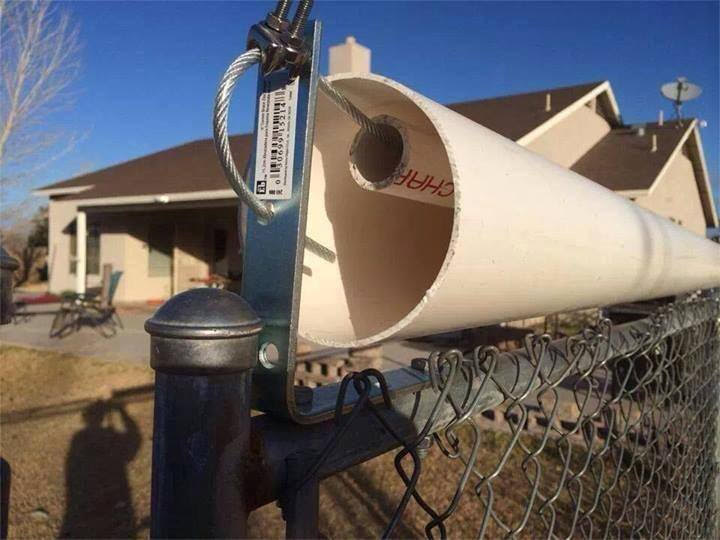
Image Source: ccspca.com
Deciphering Why Dogs Jump Fences
Before we get to the solutions, it’s vital to explore the root causes behind your dog’s fence-jumping tendencies. Dogs don’t typically jump fences out of malice; there’s always a reason. Identifying this reason is key to choosing the right approach.
Common Motivations for Escape
- Boredom and Lack of Stimulation: A dog left alone in the yard for extended periods with nothing to do can quickly become bored. This boredom can manifest as destructive behavior, including attempts to escape. A lack of mental and physical exercise is a major culprit for many an escape artist dog.
- Seeking Social Interaction: If your dog sees or hears other dogs, people, or even interesting wildlife outside the fence, their instinct to socialize or investigate can lead them to try and get out.
- Anxiety and Fear: Dog anxiety and fence jumping can be closely linked. Separation anxiety, fear of loud noises (like thunderstorms or fireworks), or a general feeling of unease can drive a dog to try and escape what they perceive as a stressful situation.
- Prey Drive: If squirrels, cats, or other small animals frequently run along or near your fence, a dog with a strong prey drive may be motivated to chase them, leading to fence jumping.
- Seeking a Mate: Unspayed female dogs in heat can attract intact male dogs from considerable distances. The urge to reach a potential mate is a powerful motivator for escape.
- Seeking Comfort or Familiarity: Sometimes, a dog might try to jump a fence if they are uncomfortable with their current environment, perhaps due to extreme weather or a stressful event in the yard.
Practical Solutions for Fence Jumping
Once you have a good idea of why your dog is exhibiting this behavior, you can tailor your approach. Here are effective strategies to keep your dog from jumping the fence, covering both physical deterrents and behavioral training.
Enhancing Your Existing Fence
Your current fence might be a good starting point, but it may need some reinforcement to become a truly dog proofing yard solution.
Fence Toppers and Extensions
Sometimes, a few extra inches or a change in the fence’s structure can make all the difference.
- Angled Rollers: These are metal rollers that attach to the top of your fence. When a dog tries to climb or jump, they can’t get a good grip as the roller spins. They are particularly effective for dogs that are good at fence climbing prevention.
- Rolled Wire or Mesh Extensions: Attaching a section of rolled wire or mesh that angles inwards towards your yard can prevent dogs from getting the leverage they need to climb over. This is a good way to increase the effective height of your fence without a complete overhaul.
- Solid Panels: If your fence is chain-link, a dog might be able to see through it and become fixated on what’s on the other side. Adding solid panels or privacy slats can reduce visual stimulation and deter jumping.
Addressing Digging
Many fence jumpers are also diggers. If your dog is trying to go under the fence, this requires a different but related approach.
- Buried Wire Mesh: Burying hardware cloth or chicken wire a foot or more underground, extending outwards from the fence line into the yard, is a highly effective barrier against digging.
- Concrete Footer: Pouring a shallow concrete footer along the base of the fence can also prevent digging, but this is a more permanent and labor-intensive solution.
- Rocks and Pavers: Placing heavy rocks or pavers along the base of the fence can make digging more difficult and less rewarding for your dog.
Dog Fence Training and Behavior Modification
Physical barriers are important, but they work best when combined with training and addressing the underlying behavioral issues.
Reinforcing Boundary Behavior
Teaching your dog that the fence line is a boundary they shouldn’t cross is crucial.
- Positive Reinforcement: Reward your dog with praise and treats when they are calm and near the fence but not attempting to jump. This teaches them that staying within bounds is a good thing.
- Leash Training for Fence Jumpers: When you are in the yard with your dog, keep them on a leash. If they approach the fence with intent to jump, a gentle tug on the leash and a verbal cue like “no” or “stay” can redirect their attention. Immediately praise them when they move away from the fence.
- Gradual Exposure: If your dog is highly reactive to things outside the fence, gradually expose them to those stimuli at a distance where they are not triggered. Slowly decrease the distance as they become more comfortable, always rewarding calm behavior.
Addressing Specific Motivations
- Combating Boredom:
- Increased Exercise: Ensure your dog gets enough physical activity. Daily walks, runs, fetch sessions, and playtime are essential.
- Mental Stimulation: Provide puzzle toys, treat-dispensing toys, and engage in training sessions. A tired dog is a good dog, and a mentally stimulated dog is less likely to seek adventure.
- Interactive Toys: Toys that your dog can play with independently, like Kongs stuffed with treats or durable chew toys, can keep them occupied.
- Managing Anxiety:
- Desensitization and Counter-conditioning: For dogs with dog anxiety and fence jumping issues, working with a professional trainer or veterinary behaviorist is highly recommended. They can help you desensitize your dog to triggers and counter-condition their fear response.
- Calming Aids: Discuss calming supplements, pheromone diffusers, or anxiety wraps with your veterinarian or a qualified professional.
- Controlling Prey Drive:
- Recall Training: A strong recall is paramount. If your dog is tempted to chase something, a reliable “come” command can bring them back to you.
- Leash Control: Until recall is excellent, keep your dog on a leash, even in a fenced yard, if there are significant distractions outside.
Supervision is Key
Never leave a known fence-jumper unsupervised in the yard, especially when you are first implementing new strategies. Your presence can help redirect their attention and prevent an escape attempt.
When to Consider Professional Help
For persistent escape artist dog behaviors, or if dog anxiety and fence jumping are significant factors, seeking professional help is a wise investment.
- Certified Professional Dog Trainers (CPDT-KA/KSA): These professionals can assess your dog’s behavior, identify underlying causes, and create a personalized dog fence training plan. They can also guide you through behavior modification for dogs.
- Veterinary Behaviorists (DACVB): If anxiety or fear is the primary driver, a veterinary behaviorist can diagnose and treat behavioral disorders, often in conjunction with training.
Innovative Canine Containment Solutions
Sometimes, your existing fence just isn’t going to cut it. In these cases, exploring alternative or supplementary canine containment solutions might be necessary.
Invisible Fences
Invisible fences, also known as electronic fences or containment systems, use a buried wire to create a boundary. A collar on the dog emits a warning beep or a mild static correction if they approach the boundary.
- Pros: Can be less visually intrusive than traditional fences, relatively easy to install for DIYers.
- Cons: Requires consistent training, may not be suitable for all dogs (especially those with high pain tolerance or extreme drive to escape), doesn’t prevent other animals from entering your yard, and the static correction can be frightening for some dogs. It’s crucial to choose a reputable system and follow training protocols meticulously.
Dog Runs and Exercise Pens
For shorter periods or for dogs that need a dedicated safe space, a dog run or a heavy-duty exercise pen can be effective.
- Pros: Portable, can be set up in various configurations, provides a secure outdoor space without needing to fence the entire yard.
- Cons: May not be suitable for free-roaming dogs all day, can feel restrictive if not large enough, requires secure anchoring to prevent digging under.
Double Fencing Systems
For the ultimate in secure dog enclosure, a double fencing system can be a great option. This involves installing two fences with a gap between them.
- Pros: Extremely effective at preventing escapes, as a dog would have to overcome two barriers. The gap can also prevent dogs from easily reaching or climbing the inner fence.
- Cons: More expensive and labor-intensive to install, takes up more space in your yard.
Tips for Success
- Consistency is Crucial: Whatever methods you choose, be consistent with training, reinforcement, and boundary enforcement.
- Patience: Changing a dog’s ingrained behavior takes time and patience. Don’t get discouraged if you don’t see results immediately.
- Positive Reinforcement: Always aim for positive reinforcement methods. Punishment can often exacerbate anxiety and lead to more unpredictable behavior.
- Observe Your Dog: Pay attention to your dog’s body language. Are they showing signs of stress or excessive excitement when near the fence? This can give you clues about their motivations.
- Secure Gates: Don’t forget that gates are often the weakest point in a fence. Ensure they are securely latched and consider adding locks if your dog is particularly clever.
Frequently Asked Questions (FAQ)
Q1: Is it normal for my dog to jump the fence?
A1: While many dogs enjoy their yard, persistent fence jumping is usually a sign of an underlying issue like boredom, anxiety, or a strong instinct to explore or interact with something outside. It’s not typical or desirable behavior for a dog to constantly try to escape.
Q2: Can I use an electric fence for a dog that jumps fences?
A2: Electric fences can be a tool, but they are not a guaranteed solution for determined fence jumpers and require very careful training. Dogs with high pain tolerance or strong escape drives may simply push through the correction. It’s often best used as a deterrent in conjunction with other methods, and professional guidance is recommended for their use.
Q3: How high does a fence need to be to stop my dog from jumping?
A3: The required height depends on your dog’s breed, size, and athleticism. For many medium to large dogs, a 6-foot fence is the minimum recommended height. However, some agile breeds or motivated dogs may still find ways over a 6-foot fence. Consider fence toppers or extensions if your dog is still attempting to clear it.
Q4: What is the best way to prevent a dog digging under a fence?
A4: Burying wire mesh (like hardware cloth) at least a foot deep and extending it outwards into the yard along the fence line is one of the most effective methods. Rocks or pavers along the base can also deter digging.
Q5: My dog seems anxious when I leave. Could this cause fence jumping?
A5: Yes, dog anxiety and fence jumping are often connected. Separation anxiety can cause a dog to become distressed and try to escape to find you or a perceived sense of safety. This is a behavioral issue that often requires professional intervention.
Q6: How long does dog fence training take?
A6: The duration of dog fence training varies greatly depending on the dog, the owner’s consistency, and the methods used. Some dogs might respond quickly to positive reinforcement and redirection, while others with deeper-seated issues may require months of consistent effort and professional guidance.
By combining physical enhancements to your fence with diligent training and addressing any underlying behavioral issues, you can effectively keep your dog safe and secure in your yard. Remember, a happy dog is one that feels secure and has their needs met, and that often starts with a secure environment.