
Can you weigh your dog at home accurately? Yes, you can! It’s a simple process that doesn’t require a trip to the vet. Knowing your dog’s weight is crucial for their health, from tracking puppy weight gain to ensuring your adult dog weight is within the healthy range. This guide will walk you through exactly how to measure dog weight and interpret the results for effective canine weight management.
Image Source: lh5.googleusercontent.com
Why Knowing Your Dog’s Weight Matters
Keeping tabs on your dog’s weight is more than just a number on a scale; it’s a vital part of their overall well-being. A healthy weight means a healthier, happier dog with a longer lifespan.
Health Implications of Weight
- Joint Health: Excess weight puts extra strain on a dog’s joints, increasing the risk of arthritis and other mobility issues. This is particularly important for larger breeds or dogs prone to skeletal problems.
- Organ Function: Obesity can affect how well your dog’s organs, like the heart and lungs, function. It can lead to conditions like heart disease, respiratory problems, and diabetes.
- Metabolic Rate: Weight can influence your dog’s metabolism, affecting how they process food and energy.
- Disease Risk: Being underweight dog or overweight dog can make them more susceptible to various illnesses and slow down recovery from injuries or surgeries.
Tracking Growth and Development
For puppies, regular weight checks are essential. You can use a dog weight chart specific to their breed or a general puppy growth chart to monitor their puppy weight gain. This helps ensure they are growing at a healthy pace and developing properly. Deviations from the expected growth trajectory can be an early indicator of underlying health issues.
Medication and Diet Precision
Veterinarians often prescribe medications based on a pet’s weight. An accurate weight ensures the correct dosage, preventing underdosing or overdosing, both of which can be harmful. Similarly, precise portion control for food is essential for canine weight management, especially when dealing with dietary restrictions or weight loss/gain plans.
Identifying Potential Problems Early
Changes in weight, whether sudden gain or loss, can be the first sign of a health problem. A veterinarian might ask about recent weight changes to help diagnose illnesses ranging from digestive issues to more serious conditions like cancer or hyperthyroidism.
Methods for Weighing Your Dog at Home
Several simple methods can help you get an accurate dog weight measurement right in your own home. The best method for you will depend on your dog’s size, temperament, and the equipment you have available.
Method 1: Using Your Own Body Weight (Human Scale)
This is the most common and accessible method for most pet owners.
Steps:
- Prepare the Scale: Ensure your bathroom scale is on a hard, flat surface. Carpet can lead to inaccurate readings.
- Weigh Yourself: Step onto the scale and record your weight.
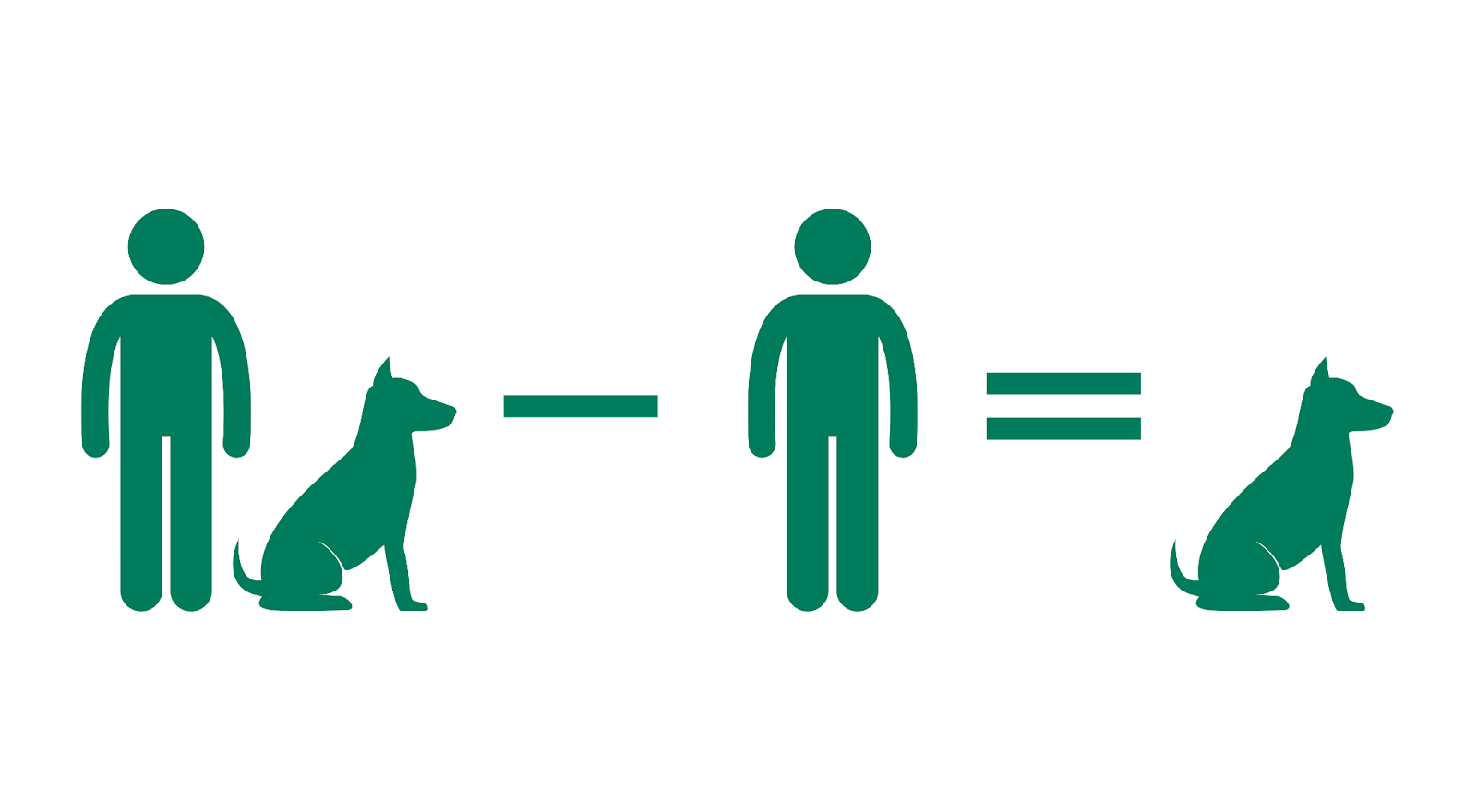
- Weigh Yourself with Your Dog: Pick up your dog (or have them stand calmly) and step onto the scale again. Record this combined weight.
- Calculate Your Dog’s Weight: Subtract your weight (from step 2) from the combined weight (from step 3).
Tips for Success:
- Calm Dog: Make sure your dog is calm and still while you’re holding them. If they struggle, this method might be challenging.
- Consistency: Use the same scale each time for consistent measurements.
- Static Measurement: Avoid shifting your weight or your dog’s weight too much while on the scale.
Pros:
- No special equipment needed beyond a standard bathroom scale.
- Easy to do with most dogs if they are cooperative.
Cons:
- Can be difficult or impossible for very large dogs that you cannot lift.
- Requires a cooperative dog that will stay still while being held.
- Accuracy can be affected by your own movement or the scale’s precision.
Method 2: Using a Dog Weight Scale
Investing in a dedicated dog weight scale is an excellent option for guaranteed accuracy, especially if you have multiple pets or a large dog.
Types of Dog Scales:
- Platform Scales: These are flat platforms designed for dogs to stand on. They are ideal for medium to large breeds. Some have a built-in tether or railing to help keep the dog in place.
- Pet Scales (Tray/Basket Style): Smaller scales with a tray or basket are perfect for puppies and small to medium-sized dogs. They often have raised sides to keep the animal secure.
Steps for Using a Platform Scale:
- Calibration: If your scale has a calibration function, follow the manufacturer’s instructions.
- Encourage Your Dog: Gently encourage your dog to step onto the platform. You might use a treat or praise.
- Stable Measurement: Wait for the reading to stabilize. This might take a few seconds.
- Record: Jot down the weight.
Steps for Using a Tray/Basket Scale:
- Calibration: Calibrate the scale if necessary.
- Place Dog in Tray: Gently place your dog in the tray or basket.
- Tare Function: Most pet scales have a “tare” or “zero” button. Press this after your dog is in the tray to zero out the tray’s weight.
- Record: The displayed weight is your dog’s weight.
Tips for Success:
- Introduce Gradually: Let your dog explore the scale before you try to weigh them.
- Positive Reinforcement: Use treats and praise to make the experience positive.
- Consistent Location: Use the scale in the same quiet location each time.
Pros:
- Designed specifically for pets, offering higher accuracy.
- Suitable for a wide range of dog sizes, depending on the scale type.
- Can be less stressful for the dog than being held.
Cons:
- Requires an initial investment to purchase the scale.
- May take up extra storage space.
Method 3: Weighing with a Carrier or Crate
This method is a variation of using your own body weight but is particularly useful for smaller to medium dogs that can fit into a carrier or crate.
Steps:
- Weigh the Empty Carrier/Crate: Place the empty carrier or crate on your bathroom scale and record its weight.
- Weigh the Carrier/Crate with Your Dog: Place your dog inside the carrier or crate and weigh the whole unit.
- Calculate: Subtract the weight of the empty carrier/crate from the combined weight.
Tips for Success:
- Comfortable Carrier: Ensure your dog is comfortable and calm inside the carrier.
- Secure Latch: Make sure the carrier door is securely latched.
- Stable Platform: As always, ensure the scale is on a firm, level surface.
Pros:
- Good for dogs that are anxious about being handled directly.
- Provides a contained space for the dog.
Cons:
- Only suitable for dogs that fit comfortably within a carrier or crate.
- Requires a carrier or crate.
Factors Affecting Accurate Dog Weight Measurement
Even with the best methods, certain factors can influence the accuracy of your dog’s weight reading.
Scale Accuracy and Type
- Home Scales: Bathroom scales, especially older analog ones, can vary in accuracy. Digital scales generally offer better precision.
- Weight Capacity: Ensure your scale can handle your dog’s weight. For larger breeds, you might need a scale with a higher capacity.
- Calibration: If your scale has a calibration feature, use it regularly.
Surface Stability
- Flooring: Scales must be placed on a hard, flat, and stable surface. Uneven or soft surfaces (like thick carpet or rugs) can significantly skew readings.
- Movement: Avoid placing the scale near vibrations, such as from a washing machine.
Dog’s Behavior and Condition
- Movement: A dog that wiggles, shifts, or tries to jump off the scale will produce an inconsistent and inaccurate reading.
- Full Bladder/Bowels: While minor, a dog’s weight can fluctuate slightly based on their digestive state. For truly precise tracking, try to weigh them at a similar time of day, perhaps before a meal.
- Recent Activity: A dog that has just exercised might have a slightly different weight due to hydration levels.
Interpreting Your Dog’s Weight: What’s Ideal?
Once you have your dog’s weight, the next step is to figure out if it’s healthy. This involves comparing it to breed standards and assessing their body condition.
The Role of Breed and Age
- Dog Weight Chart: Breed-specific dog weight charts are excellent resources. They provide an expected weight range for different breeds at various life stages. You can find these online from reputable veterinary sources or breed clubs.
- Puppy Weight Gain: For puppies, tracking weight gain against a puppy weight gain chart helps ensure healthy development. Slow or rapid weight gain can signal issues.
- Adult Dog Weight: For adult dogs, the goal is to maintain an ideal dog weight for their breed, age, and activity level.
Body Condition Score (BCS)
Weight alone doesn’t tell the whole story. A Body Condition Score (BCS) is a visual and physical assessment of your dog’s body fat. Veterinarians often use a 1-9 scale, where 4-5 is considered ideal.
How to Assess BCS:
- Ribs: You should be able to easily feel your dog’s ribs with a light touch, but they shouldn’t be visibly protruding.
- Waist: When viewed from above, your dog should have a visible waist tuck behind their rib cage.
- Abdomen: When viewed from the side, your dog’s abdomen should be tucked up towards their hind legs, not hanging down.
Interpreting BCS:
- Underweight Dog (BCS 1-3): Ribs, spine, and pelvic bones are easily visible and palpable. Minimal body fat.
- Ideal Weight Dog (BCS 4-5): Ribs are easily felt without excess fat covering. Waist tuck is evident from above. Abdomen tapers towards the hindquarters.
- Overweight Dog (BCS 6-7): Ribs are difficult to feel due to moderate fat covering. Waist tuck may be slight or absent. Abdomen may appear rounded.
- Obese Dog (BCS 8-9): Ribs are impossible to feel due to a thick layer of fat. Significant fat deposits are present over the back, tail base, and face. No visible waist tuck.
When to Consult Your Veterinarian
- Sudden Weight Changes: If your dog gains or loses a significant amount of weight unexpectedly.
- Difficulty Reaching Ideal Weight: If you’re struggling to get your dog to an ideal dog weight despite your best efforts.
- Concerns about BCS: If you are unsure about your dog’s body condition or suspect they are underweight dog or overweight dog.
- Puppy Concerns: If your puppy’s puppy weight gain seems abnormal.
- Starting a Weight Management Program: Your vet can help create a tailored diet and exercise plan.
Canine Weight Management Strategies
Achieving and maintaining your dog’s ideal dog weight is a key aspect of canine weight management. This involves a balanced approach to diet and exercise.
Diet and Nutrition
- Portion Control: Feed the amount of food recommended by your veterinarian or the food manufacturer for your dog’s current weight and age, adjusting as needed for weight management goals.
- High-Quality Food: Choose a high-quality dog food appropriate for your dog’s life stage and breed.
- Treats in Moderation: Treats should make up no more than 10% of your dog’s daily caloric intake. Opt for healthy, low-calorie treats.
- Avoid Table Scraps: Human food is often high in calories, fat, and can be toxic to dogs.
- Prescription Diets: For significant weight loss or specific health conditions, your vet may recommend a prescription weight-management diet.
Exercise and Activity
- Regular Exercise: Daily exercise is crucial. The amount and type will vary by breed, age, and health.
- Playtime: Engage in interactive play like fetch, tug-of-war, or agility games.
- Walks: Aim for daily walks, adjusting length and intensity based on your dog’s fitness level.
- Mental Stimulation: Puzzle toys and training sessions also contribute to overall well-being and can help burn calories.
Monitoring and Adjustment
- Regular Weigh-Ins: Continue to weigh your dog regularly (e.g., monthly) to track progress.
- Adjust Food: If your dog isn’t losing weight, you may need to slightly reduce their food intake or increase exercise. If they are losing too much, do the opposite. Always consult your vet before making major changes.
- Observe Body Condition: Pay attention to your dog’s BCS and adjust your plan as needed.
Common Questions About Dog Weighing
FAQ
How often should I weigh my dog?
It’s generally recommended to weigh your dog monthly to monitor their weight and catch any changes early. Puppies require more frequent weigh-ins, often weekly, to track their rapid puppy weight gain.
My dog won’t stand still on the scale. What can I do?
This is common! For small to medium dogs, try using a dog weight scale with a tray or basket. For larger dogs, you can try rewarding them with high-value treats for standing still. Practicing “stay” commands on the scale can also help. If they are extremely anxious, consult your vet for strategies.
Can I use a livestock scale for my dog?
Yes, if you have a large breed dog, a livestock scale or a heavy-duty industrial scale can be used. Ensure it is calibrated and on a stable surface.
My dog’s weight is different from the dog weight chart. Should I worry?
A dog weight chart provides a general guideline. Individual dogs can vary due to genetics, build, and muscle mass. What’s more important is your dog’s body condition score and overall health. If you’re concerned about your dog being underweight dog or overweight dog compared to the chart, discuss it with your veterinarian.
What if my dog is a mixed breed? How do I know their ideal weight?
For mixed breeds, consider the breeds that most influence their appearance and size. Your veterinarian can also provide an educated estimate for an ideal dog weight based on their assessment of your dog’s build and health.
Is it okay to weigh my dog when they’ve just eaten?
It’s best to weigh your dog at a consistent time, ideally before a meal or at least a few hours after eating. This minimizes fluctuations in weight due to food in their stomach, helping you get a more reliable reading for canine weight management.
My vet gave me a target weight. How do I help my dog reach it?
Work with your vet to create a specific diet and exercise plan. This often involves a controlled portion of a calorie-appropriate food and a structured exercise routine. Regular check-ins with your vet are key.
By regularly weighing your dog and monitoring their body condition, you play a vital role in ensuring they live a long, healthy, and happy life. Accurate measurements are the first step to effective canine weight management.