
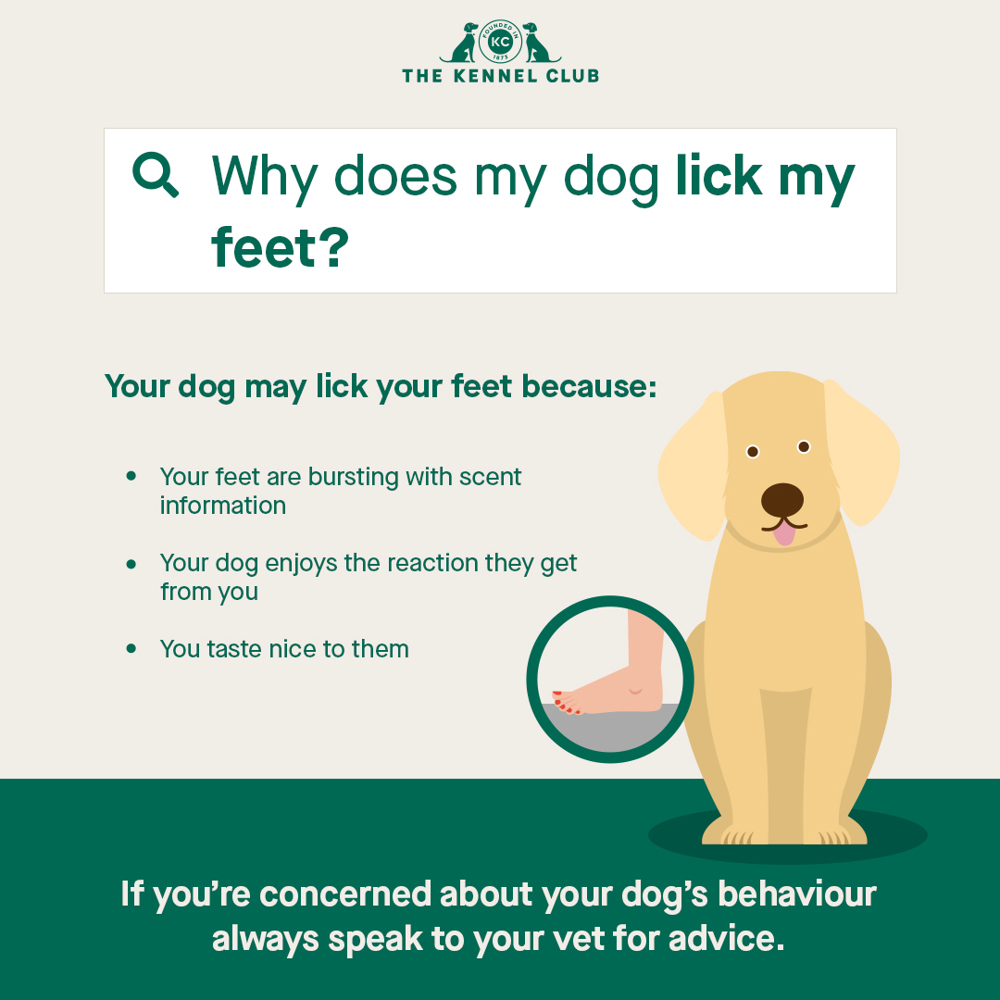
Image Source: www.thekennelclub.org.uk
Your Dog on Chemo: How Long Can They Lick You?
Can you be licked by a dog receiving chemotherapy? Yes, you can, but it’s wise to be aware of the potential risks and take precautions. While a lick is unlikely to cause harm, understanding how chemotherapy drugs are eliminated from your dog’s body is key to maintaining pet owner safety and ensuring the well-being of both you and your beloved pet during their dog cancer treatment journey.
Deciphering Chemo Drug Excretion in Dogs
When a dog undergoes chemotherapy, the goal is to target and destroy rapidly dividing cancer cells. However, these powerful medications can also affect other rapidly dividing cells in the body, leading to a range of chemotherapy side effects. One crucial aspect to consider is how these drugs leave your dog’s system. Understanding chemo drug excretion is vital for managing contact with your pet.
How Dogs Process Chemotherapy
Chemotherapy drugs are administered in various ways, most commonly intravenously (IV). Once in the body, these drugs are absorbed and metabolized by the liver and kidneys. They are then eliminated through bodily fluids.
- Urine: A significant portion of many chemotherapy drugs is excreted through the urine. This means a dog’s urine can contain traces of the medication for a period after administration.
- Feces: Some drugs are also eliminated through feces. This is another bodily fluid to be mindful of.
- Saliva: The amount of residual chemo in saliva is generally considered to be very low, often negligible. However, it’s not impossible for trace amounts to be present, especially immediately after administration or if the dog has experienced nausea and vomited.
- Vomitus and Diarrhea: If your dog experiences vomiting or diarrhea due to chemotherapy side effects, these excretions will contain the medication.
The Timeline of Elimination
The duration for which chemotherapy drugs remain in your dog’s system varies greatly depending on the specific drug used. Some drugs are eliminated very quickly, within hours, while others can persist for days or even weeks. Your veterinarian will provide specific guidelines regarding the elimination period for the particular chemotherapy protocol your dog is on. This is often referred to as the “drug excretion period.”
It’s important to note that even after the primary elimination phase, tiny residues might linger in the body. However, the risk of significant exposure through casual contact, like licking, diminishes considerably as the drug is processed and removed.
Pet Owner Safety: Minimizing Risks When Your Dog is on Chemo
The primary concern for pet owners is ensuring their own safety and the safety of other household members and pets when a dog is undergoing chemotherapy. While the risk of significant exposure through normal contact like licking is generally low, taking a few simple precautions can significantly minimize any potential risks.
Practical Steps for Safe Interaction
- Handwashing is Key: This is the single most important rule. Always wash your hands thoroughly with soap and water after handling your dog, especially after administering oral medications, cleaning up accidents, or even just petting them.
- Designated Feeding and Drinking Areas: If your dog is receiving oral chemotherapy, ensure they eat and drink from designated bowls that are easy to clean.
- Cleaning Up Bodily Fluids: Wear gloves when cleaning up any urine, feces, vomit, or diarrhea. Dispose of waste in sealed bags, and wash any contaminated surfaces immediately with a bleach-based cleaner (diluted appropriately for pet safety).
- Limit Contact with High-Risk Individuals: If possible, minimize close contact between your dog on chemotherapy and very young children, pregnant women, or individuals with compromised immune systems during the drug excretion period.
- Licking Etiquette: While a dog’s lick is a sign of affection, during chemotherapy, it’s best to discourage licking of the face or open wounds. Gently redirect their attention with a toy or a scratch behind the ears.
Contact with Chemo Dogs: What to Expect
When you bring your dog home after a chemotherapy session, they might seem a little tired or off, but generally, they can resume most normal activities. The key is awareness.
- Post-Treatment Effects: Some dogs may experience mild nausea, lethargy, or a decreased appetite as chemotherapy side effects. These are usually temporary.
- Vaccination Status: It’s important to discuss with your vet whether your dog’s vaccinations are up-to-date. Chemotherapy can suppress the immune system, making them more susceptible to infections. Avoid exposure to unvaccinated animals or areas where unvaccinated animals frequent.
- The Fur Factor: While the idea of chemo residue on fur might seem concerning, the primary route of drug excretion is through bodily fluids, not shed fur. However, if your dog has vomited or had diarrhea and it has come into contact with their fur, it’s advisable to clean that specific area carefully.
Dog Grooming After Chemo: Maintaining Hygiene
Dog grooming after chemo requires a thoughtful approach, focusing on cleanliness and the well-being of your pet. While the idea of chemo residue on fur might be a concern, it’s less of a primary risk than bodily fluids.
Bathing Protocols
- Timing: Consult your veterinarian for specific recommendations on bathing frequency and timing. Some vets advise against bathing immediately after IV chemotherapy.
- Products: Use gentle, pet-safe shampoos. Avoid harsh chemicals.
- Protection: When bathing a dog on chemo, consider wearing gloves and, if possible, ask another household member to assist.
General Grooming Practices
- Brushing: Regular brushing helps keep your dog’s coat healthy and can also help you monitor their skin for any changes or irritation. Use a brush that is appropriate for your dog’s coat type.
- Nail Trims and Ear Cleaning: Continue with regular grooming practices as usual, always ensuring a calm and positive experience for your dog.
Interpreting Licking Chemotherapy Patients: A Closer Look
Let’s specifically address the act of licking. When you ask “How long can a dog on chemo lick you?”, it boils down to the presence of residual chemo in their saliva. As mentioned, the amount of residual chemo in saliva is typically very low.
The Science Behind Saliva and Chemo
Chemotherapy drugs are designed to be absorbed into the bloodstream and distributed throughout the body. While some drugs can cause mouth sores or changes in taste, leading to increased saliva production or a tendency to drool, the concentration of the drug within the saliva itself is usually minimal.
- Drug Metabolism: The majority of the drug is metabolized and excreted via urine and feces.
- Low Concentration: The concentration of chemotherapy agents in saliva is significantly lower than in urine or feces.
Therefore, a lick from your dog on chemotherapy is generally considered a low-risk event. However, the cumulative effect of multiple licks, especially if your dog has recently vomited and the saliva might be mixed with trace amounts of vomit, can increase the theoretical risk.
When to Be Extra Cautious
- Immediately Post-Treatment: In the hours immediately following an IV chemotherapy infusion, and before significant excretion has occurred, you might want to be a little more cautious.
- If Your Dog Has Vomited: If your dog has vomited, their saliva might be contaminated. It’s best to avoid facial licking until you’ve cleaned them up and your dog has had a chance to clear their mouth.
- Oral Chemotherapy: If your dog is on oral chemotherapy, there’s a slightly higher chance of drug residue being present in saliva due to the drug being ingested directly. Again, diligent handwashing after any contact is paramount.
The Broader Picture: Dog Health After Treatment
The ultimate goal of dog cancer treatment is to achieve remission and improve your dog’s quality of life. Once your dog has completed their chemotherapy, their health will continue to be monitored.
Recovery and Monitoring
- Ongoing Vet Visits: Regular check-ups with your veterinarian are crucial to monitor for any lingering side effects, assess the effectiveness of the treatment, and watch for any signs of recurrence.
- Diet and Nutrition: A balanced, nutritious diet plays a vital role in supporting your dog’s recovery and overall health after treatment.
- Exercise and Well-being: Gentle exercise and mental stimulation are important for your dog’s physical and emotional well-being during their recovery.
Long-Term Considerations
While the immediate risks associated with handling a dog on chemotherapy diminish as the drugs are excreted, it’s always good practice to maintain good hygiene. The bond you share with your dog is precious, and with a little awareness and care, you can continue to provide them with love and comfort throughout their treatment and beyond.
Frequently Asked Questions (FAQ)
Q1: Can I cuddle my dog on chemotherapy?
A1: Yes, cuddling your dog on chemotherapy is perfectly fine and encouraged! It provides comfort and strengthens your bond. Just remember to wash your hands afterwards.
Q2: What are the most common chemotherapy side effects in dogs?
A2: Common side effects include nausea, vomiting, diarrhea, lethargy, decreased appetite, and a temporarily lowered white blood cell count, which can make them more susceptible to infections.
Q3: How long is my dog considered contagious after chemotherapy?
A3: Dogs on chemotherapy are not considered “contagious” in the way an infectious disease spreads. The concern is exposure to the excreted drug, not an illness that can be passed from dog to human. This risk is managed by following hygiene protocols during the drug excretion period.
Q4: Can I share food or water bowls with my dog on chemo?
A4: It’s best to avoid sharing food or water bowls. Always use separate, easily washable bowls for your dog, and wash your hands after handling their food or bowls.
Q5: What if my dog’s chemo medication is oral?
A5: Oral chemotherapy requires even stricter hygiene. Wear gloves when administering the medication and when handling your dog’s food bowls. Wash your hands thoroughly.
Q6: My dog sneezed on me. Is that a risk?
A6: The risk from a sneeze is very low. The primary concern is direct ingestion or contact with significant amounts of bodily fluids containing the drug. Again, handwashing is your best defense.
Q7: When can I stop worrying about contact after my dog finishes chemo?
A7: Once your dog has completed their chemotherapy course and the prescribed drug excretion period has passed (as advised by your vet), the risk of exposure from contact significantly decreases. Continue with good hygiene practices as a general rule.
Q8: What is the drug excretion period?
A8: The drug excretion period is the time it takes for the chemotherapy drugs to be eliminated from your dog’s body. This varies by drug and is determined by your veterinarian.
Q9: How do I safely handle my dog’s waste while they are on chemo?
A9: Always wear gloves when cleaning up urine, feces, or vomit. Dispose of waste in sealed bags. Clean contaminated areas with a diluted bleach solution.
Q10: Can residual chemo in saliva harm me?
A10: While trace amounts of residual chemo can be present in saliva, the concentration is typically very low, making significant harm from a lick unlikely. However, consistent good hygiene practices are recommended to minimize any theoretical risk.