
How long do dog X-rays take with sedation? Typically, the entire X-ray process for a sedated dog, from preparation to recovery, can take anywhere from 1 to 3 hours. The actual imaging part usually takes about 5 to 15 minutes per view.
Taking X-rays of your dog is a vital diagnostic tool for veterinarians. It helps them see inside your dog’s body to identify problems that aren’t visible from the outside. Sometimes, to get the best possible images, especially for certain body parts or if your dog is anxious, sedation is recommended. This raises important questions for pet owners: how long does this process actually take? What should you expect on the day of the procedure? This guide aims to shed light on the dog X-ray sedation time and the overall canine radiography sedation duration.
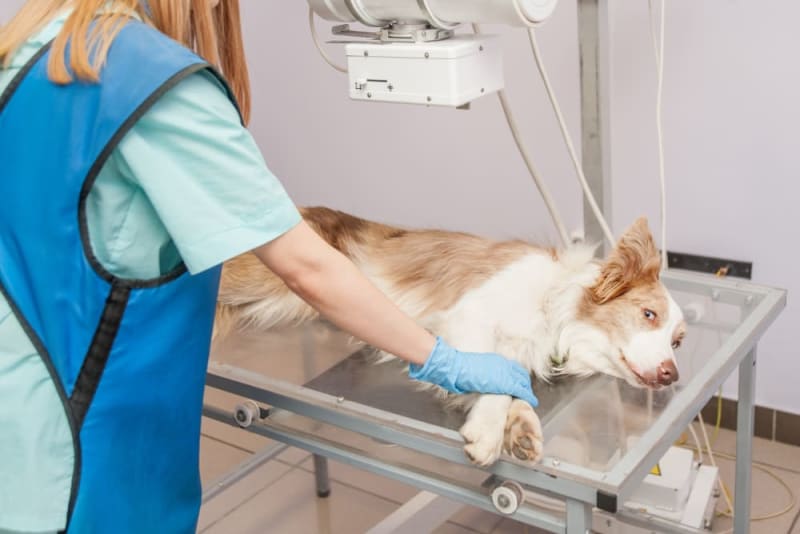
Image Source: d2zp5xs5cp8zlg.cloudfront.net
Why Sedation for Dog X-rays?
While not all dogs require sedation for X-rays, it’s often used for several good reasons. It ensures the safety of both the dog and the veterinary staff, reduces stress for the animal, and, most importantly, allows for clearer, more accurate images.
Factors Influencing Sedation Needs
- Temperament: Some dogs are naturally calm and cooperative. Others can be fearful, anxious, or easily stressed in new environments like a veterinary clinic. For these dogs, sedation can prevent a traumatic experience.
- Positioning: Certain X-ray views require the dog to hold specific, sometimes awkward, positions for a short period. This can be challenging for an uncooperative dog. Sedation helps them relax and remain still.
- Pain: If a dog is in pain, movement is often a natural response, making it difficult to obtain clear X-rays of the affected area. Sedation can help manage pain and immobility.
- Procedure Type:
- Dental X-rays: Dental X-rays often require very precise positioning to capture detailed images of the teeth and jaw. Sedation is almost always recommended for dental X-ray sedation duration dogs to ensure patient safety and image quality.
- Orthopedic X-rays: Imaging bones and joints, particularly for conditions like arthritis, fractures, or hip dysplasia, often involves multiple views and precise alignment. Sedation is common for orthopedic X-ray sedation time to achieve the necessary stillness.
- Abdominal and Thoracic X-rays: While sometimes possible without sedation, if a dog is panting, moving, or anxious, sedation can significantly improve the quality of chest or abdominal images. This falls under general dog imaging sedation length.
The Veterinary X-ray Sedation Process
The veterinary X-ray sedation process involves several stages. It’s not just about the time the X-ray machine is on.
Pre-Sedation Preparations
Before your dog even gets to the X-ray room, there are crucial steps to take.
- Consultation: Your veterinarian will discuss the need for sedation, explain the process, and address any concerns you might have. They will ask about your dog’s medical history, any medications they are currently taking, and any known allergies.
- Fasting: Most veterinary procedures requiring sedation necessitate fasting. This is primarily to reduce the risk of aspiration (inhaling vomit) while under anesthesia or sedation, especially if the dog is lying down. Your vet will provide specific instructions on when to stop feeding your dog before the appointment. This is a critical step in ensuring the safety and success of the pet X-ray procedure time sedation.
- Physical Examination: A thorough physical exam is performed to ensure your dog is healthy enough for sedation. This includes checking heart rate, respiratory rate, temperature, and listening to the heart and lungs.
Administering Sedation
The type and dosage of sedative used depend on your dog’s breed, size, age, health status, and the specific needs of the X-ray procedure.
- Types of Sedation: Sedatives can be administered in various ways:
- Oral: Pills or liquids given by mouth. This can take longer to take effect.
- Injectable: The most common method, administered via intramuscular (IM) injection into a muscle or intravenous (IV) injection into a vein. IV sedation generally works faster and allows for more precise control over the level of sedation.
- Onset of Sedation: Once administered, it takes time for the sedative to take effect. This can range from a few minutes for IV injections to 20-30 minutes or more for oral medications. During this time, the veterinary team will closely monitor your dog. This is a crucial part of the typical sedation time for dog X-rays.
The X-ray Imaging Phase
Once your dog is adequately sedated and relaxed, they are moved to the X-ray suite.
- Positioning: Veterinary technicians will carefully position your dog for each required X-ray view. This is where sedation is invaluable, as it allows for precise placement without causing discomfort or movement.
- Image Acquisition: The X-ray machine is operated by a trained technician or veterinarian. The process of taking the actual X-ray image is very quick, usually only a second or two per view. However, multiple views are often needed for a comprehensive assessment. This brief period is the core of the X-ray process time for sedated dogs.
- Duration of Imaging: For a standard set of X-rays (e.g., chest and abdomen, or a few orthopedic views), the actual imaging time might be as short as 5 to 15 minutes. However, if more complex imaging is required, such as detailed orthopedic views requiring multiple angles, it could extend to 20-30 minutes.
Post-X-ray Monitoring and Recovery
After the X-rays are taken, the veterinary team continues to monitor your dog.
- Recovery Area: Your dog will be moved to a quiet, comfortable recovery area.
- Monitoring Vital Signs: Staff will continue to monitor heart rate, respiration, temperature, and overall alertness as the sedative wears off.
- Recovery Time: The length of recovery varies significantly depending on the type and dosage of sedative used, as well as the individual dog’s metabolism. Generally, dogs are groggy for a few hours after sedation. Some sedatives are designed for faster recovery, while others may have longer-lasting effects. This is the period when you consider how long does sedation last for dog X-rays.
Total Time Commitment: What to Expect
So, putting it all together, what’s the total time you should plan for?
A Typical Timeline
Let’s break down the dog imaging sedation length into a realistic timeframe:
- Arrival and Check-in: 15-30 minutes. This includes paperwork and initial discussion with the veterinary team.
- Pre-Procedure Preparations: 30-45 minutes. This covers the physical exam, IV catheter placement (if needed), and administering the sedative.
- Sedative Onset and Stabilization: 20-60 minutes. Allowing the sedative to take effect and ensuring the dog is stable for imaging.
- X-ray Imaging: 5-30 minutes. Depending on the number of views required.
- Immediate Post-X-ray Monitoring: 30-60 minutes. Ensuring the dog is stable after the imaging is complete.
- Recovery: 2-4 hours. The time it takes for the dog to be fully alert and able to go home.
Total Estimated Time: 2 to 5.5 hours
It’s important to note that this is an estimate. Some dogs may recover faster, while others might need a longer monitoring period. Your veterinarian will always prioritize your dog’s safety and comfort.
Factors Affecting Total Time
- Clinic Workflow: The number of procedures happening simultaneously at the clinic can influence the wait times.
- Dog’s Response to Sedation: Some dogs may need adjustments to the sedative dosage or a longer time to become fully relaxed.
- Complexity of X-rays: More intricate imaging needs, like detailed orthopedic studies, will naturally extend the imaging portion.
- Recovery Speed: Individual metabolism, age, and health can all impact how quickly a dog shakes off sedation.
Specific Scenarios: Dental vs. Orthopedic
The dog X-ray sedation time can vary depending on the specific area being X-rayed.
Dental X-rays
Dental X-rays are crucial for identifying issues below the gum line, such as root abscesses, bone loss, or unerupted teeth. Because these require precise positioning of a small sensor and the dog’s mouth needs to be held open gently, sedation is almost always necessary.
- Sedation Duration for Dental X-rays: The dental X-ray sedation duration dogs experience might be shorter in terms of actual imaging, but the preparation and recovery can be similar to other X-rays. The goal is immobility and a relaxed jaw.
- Total Time: Expect a similar overall timeframe of 2-4 hours from drop-off to pick-up, though the actual X-ray capture might be quicker, perhaps 5-10 minutes of active imaging.
Orthopedic X-rays
For orthopedic evaluations, such as diagnosing arthritis, fractures, or hip dysplasia, multiple views are often required. The dog needs to be positioned correctly, often with limbs extended or rotated.
- Sedation Duration for Orthopedic X-rays: The orthopedic X-ray sedation time might extend slightly due to the need for precise positioning of limbs. The veterinary team might administer a local anesthetic block in addition to sedation for painful conditions, which can also influence the overall process.
- Total Time: The total procedure time for orthopedic X-ray sedation time can lean towards the higher end of our estimate, potentially reaching up to 5 hours, to ensure all necessary angles are captured accurately.
What Pet Owners Should Do
To make the process as smooth as possible for you and your dog:
Before the Appointment
- Follow Pre-Procedure Instructions: Adhering strictly to fasting and any other instructions is paramount.
- Communicate: Inform the clinic of any recent changes in your dog’s health or behavior.
- Ask Questions: Don’t hesitate to ask your vet about the type of sedation used, the risks involved, and what to expect during recovery.
On the Day of the Appointment
- Arrive on Time: This helps the clinic maintain its schedule.
- Be Calm: Your anxiety can be picked up by your dog. Projecting calmness can help your dog feel more secure.
- Provide Contact Information: Ensure the clinic has your most up-to-date contact details.
After the Appointment
- Follow Post-Procedure Instructions: Your vet will provide guidance on feeding, activity levels, and any potential side effects to watch for as your dog recovers from sedation.
- Provide a Quiet Environment: Set up a comfortable, quiet space at home for your dog to recover.
- Supervise: Keep a close eye on your dog as they come out of sedation.
Conclusion
The duration of dog X-rays with sedation is a comprehensive process, not just a quick snapshot. While the actual imaging is brief, the entire experience, from arrival to recovery, typically spans a few hours. Understanding the dog X-ray sedation time, the reasons behind sedation, and the stages involved will help you feel more prepared and confident when your canine companion needs this essential diagnostic procedure. The commitment to careful preparation, precise execution, and attentive recovery ensures the best possible outcome for your beloved pet’s health.
Frequently Asked Questions (FAQ)
Q1: Will my dog be completely asleep during X-rays?
A1: No, usually dogs are only sedated, not fully anesthetized. Sedation means they are relaxed, drowsy, and less responsive, but still breathing on their own and can be roused. General anesthesia involves a deeper level of unconsciousness. Your vet will choose the appropriate level of sedation for your dog’s needs and safety.
Q2: How long does it take for the sedative to wear off?
A2: The time it takes for sedation to wear off varies greatly. It can range from a few hours to 12-24 hours, depending on the type of sedative used, the dosage, and your dog’s individual metabolism, age, and health. Your veterinarian will provide specific post-procedure instructions.
Q3: Can I stay with my dog during the X-ray procedure?
A3: Generally, owners are asked to wait in the waiting area during sedation and X-rays. This is for safety reasons, as the veterinary team needs to move quickly and efficiently, and the presence of an owner can sometimes cause added excitement or anxiety for the dog.
Q4: What are the risks of sedation for my dog?
A4: While generally safe, all sedation carries some risk. Potential side effects can include drowsiness, temporary nausea, and, rarely, allergic reactions or respiratory depression. Your veterinarian will conduct a thorough pre-anesthetic exam to minimize these risks.
Q5: How soon can my dog eat after sedation?
A5: Your veterinarian will advise you on when your dog can resume eating and drinking. Often, small amounts of water are offered once they are more alert, and then a small meal after they have fully recovered from the sedative.
Q6: What if my dog has a bad reaction to the sedation?
A6: If your dog has a bad reaction, such as difficulty breathing, extreme lethargy, or vomiting, contact your veterinarian or the nearest emergency veterinary clinic immediately. The veterinary team administering the sedation will be monitoring for any adverse reactions.