
How long do dog X-rays take? A typical dog X-ray procedure at a veterinary clinic usually takes between 15 to 30 minutes from start to finish. However, this can vary depending on the number of views needed, the dog’s temperament, and the clinic’s workflow.
When your veterinarian recommends X-rays for your furry friend, a common question that pops into mind is, “How long will this take?” Fathoming the intricacies of dog X-ray duration can be helpful for pet owners, allowing for better planning and reduced anxiety for both you and your dog. The time for dog X-rays isn’t just about the clicking of the machine; it involves a series of steps, each contributing to the overall canine X-ray appointment length. Let’s dive into the vet’s secrets behind the X-ray procedure time dogs undergo, shedding light on what happens behind those clinic doors.
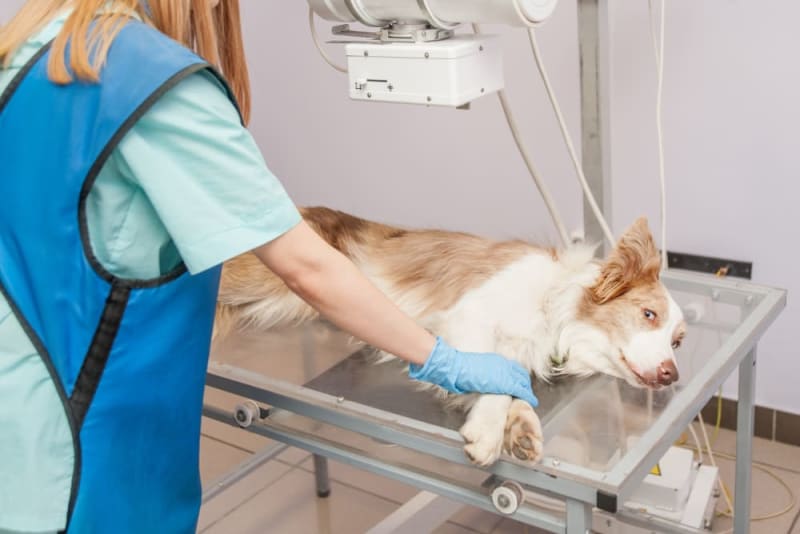
Image Source: d2zp5xs5cp8zlg.cloudfront.net
The Factors Influencing Dog X-ray Duration
Several elements play a crucial role in determining the total time spent on dog X-rays. Understanding these can help you appreciate the process and manage your expectations.
1. Number of Views Required
- Basic Examinations: For routine checks, like assessing a joint or looking for foreign objects, only one or two views might be necessary. These are generally quicker.
- Complex Diagnoses: If your vet is investigating a suspected fracture, diagnosing a chronic condition, or checking multiple body parts, more views will be needed. For instance, examining a limb might require front-to-back, side, and oblique (angled) views. Checking the chest often involves lateral (side) and dorsoventral (top-to-bottom) views. Each additional view adds to the X-ray process time for dogs.
2. Sedation or Anesthesia Needs
- Cooperative Dogs: Some dogs are incredibly calm and can hold still for X-rays without any assistance. For these well-behaved pets, the duration of dog radiology is kept to a minimum.
- Anxious or Painful Dogs: Many dogs, especially those in pain or experiencing anxiety, find it difficult to remain still. In such cases, sedation or even general anesthesia might be necessary to ensure clear, diagnostic-quality images and prevent injury. This adds significant time to the overall process.
- Sedation: This involves administering medications to make the dog drowsy and relaxed. The time needed includes administering the medication, waiting for it to take effect (usually 10-20 minutes), positioning the dog, taking the X-rays, and then monitoring the dog as they recover from the sedation.
- Anesthesia: For more involved procedures or highly anxious dogs, general anesthesia might be used. This requires pre-anesthetic checks, inducing anesthesia, intubating the dog, monitoring vital signs throughout the procedure, administering anesthesia, taking the X-rays, and then allowing the dog to recover fully, which can take a longer period. This will definitely extend the time for dog X-rays.
3. Dog’s Temperament and Cooperation
- Easy-Going Companions: A calm, friendly dog that trusts its handlers will make the process smoother and faster. They are more likely to tolerate being positioned correctly.
- Nervous or Fearful Dogs: Dogs that are nervous, fearful, or have had negative past experiences might require more time to be coaxed into position. This can involve gentle handling, positive reinforcement, and a slower approach, all of which contribute to the dog diagnostic imaging time.
4. Clinic Workflow and Staffing
- Efficiency: Veterinary clinics that have a dedicated radiology technician or a well-practiced routine can often complete the X-ray process more quickly.
- Equipment Availability: If the X-ray machine is in high demand or requires setup between patients, this can slightly extend the wait time.
- Technician Skill: Experienced technicians are adept at positioning animals quickly and accurately, minimizing the X-ray procedure time dogs endure.
5. Type of X-ray and Body Part
- Dental X-rays: These are typically very quick, as they involve small, localized areas.
- Orthopedic X-rays: Examining legs or hips might require precise positioning and multiple angles, which can take longer.
- Abdominal X-rays: These often require specific breathing techniques or a full bladder, which might influence the preparation time.
The Typical Dog X-ray Process: A Step-by-Step Breakdown
To fully grasp how long vet X-rays take, it’s useful to break down the entire appointment. While the actual exposure time to the X-ray beam is mere seconds, the preparation and positioning are what consume the majority of the duration of dog radiology.
Pre-X-ray Preparation
This stage is crucial for obtaining clear images and ensuring safety.
- Consultation and Consent: The veterinarian will discuss the need for X-rays, explain the procedure, and obtain your consent. This initial conversation can take a few minutes.
- History Taking: The vet or technician might ask about your dog’s symptoms, any previous injuries, or relevant medical history.
- Pre-Anesthetic/Sedation Check (if applicable): If sedation or anesthesia is planned, a brief physical examination might be performed to assess the dog’s suitability for these medications. This includes checking heart rate, respiration, and temperature.
- Preparing the X-ray Room: The technician will set up the X-ray equipment, ensuring the correct settings are dialed in for the specific views and the dog’s size. They will also prepare any necessary positioning aids, such as sandbags or wedges.
Positioning and Exposure
This is the core of the X-ray procedure.
- Bringing the Dog to the Radiology Suite: The dog is led or carried to the X-ray room.
- Initial Positioning: The technician will gently guide the dog into the first required position. This might involve having them stand, lie on their side, or lie on their back.
- Sedation/Anesthesia Administration (if needed): If the dog is sedated or under anesthesia, this is when the medication is given. Time is then allocated for the medication to take effect.
- Fine-Tuning Position: This is where accuracy is paramount. The technician will carefully adjust the dog’s body, limbs, and head to ensure the specific anatomical area of interest is perfectly aligned with the X-ray beam. This might involve using positioning aids to keep the dog still and achieve the correct angle. This step is critical for dog diagnostic imaging time and often requires patience.
- Lead Shielding: Protective lead shielding is placed over areas of the dog’s body that do not need to be X-rayed to minimize radiation exposure.
- Taking the X-ray: Once the dog is perfectly positioned and stable, the technician will step behind a protective barrier and take the X-ray image. The actual exposure is very brief, often less than a second.
Post-X-ray Procedures
After the images are captured, there are still a few steps involved.
- Repositioning for Subsequent Views: If multiple views are required, the dog will be repositioned for each new angle.
- Moving the Dog to Recovery (if sedated/anesthetized): If the dog received sedation or anesthesia, they will be moved to a comfortable, quiet recovery area.
- Monitoring Recovery: The technician will monitor the dog closely as they wake up from the sedation or anesthesia, ensuring they are breathing normally and are stable.
- Image Processing and Review: The captured X-ray images are processed digitally. The veterinarian will then review these images to interpret the findings. This review is a critical part of the time for dog X-rays that is often unseen by the owner.
- Returning the Dog to the Owner: Once the dog is fully recovered (if sedated) and the images have been reviewed, the dog is returned to their owner.
Factors Affecting the “Start-to-Finish” Time
The total canine X-ray appointment length isn’t just about the time the dog is actively being X-rayed. It includes all the steps before and after.
- Appointment Scheduling: The time of your appointment relative to other patients can influence how quickly you are seen.
- Veterinarian Availability: The veterinarian might be busy with other patients or procedures, which could lead to a slight delay in reviewing the X-rays immediately after they are taken.
- Emergency Cases: In a busy clinic, emergency cases can sometimes take priority, potentially delaying non-emergency procedures like X-rays.
Estimating the Total Time for Your Dog’s X-ray Appointment
Let’s put some estimated numbers to these steps to give you a clearer picture of how long do dog X rays take.
| Step in the Process | Estimated Time Range | Notes |
|---|---|---|
| Arrival and Check-in | 5-10 minutes | Paperwork, brief discussion with reception. |
| Pre-X-ray Consultation/Prep | 5-15 minutes | Discussion with vet/tech, basic physical check if sedation is involved. |
| Sedation/Anesthesia Induction (if used) | 10-20 minutes | Time for medication to take effect. |
| Positioning and Taking Views | 5-20 minutes | Varies significantly based on number of views and dog’s cooperation. |
| Recovery from Sedation/Anesthesia | 30-60 minutes | For dogs that received medication, this is crucial for their safety. |
| Image Processing & Initial Review | 5-15 minutes | Digital processing, vet looking at images. |
| Post-X-ray Discussion with Owner | 5-10 minutes | Vet explaining findings and next steps. |
| Total Estimated Appointment Time | 65-150 minutes | This is a broad range; actual time can be shorter or longer. |
Note: This table provides a general estimate. Actual times can vary significantly.
Quick X-rays (No Sedation): If your dog is very calm and only needs one or two views, the actual X-ray procedure time dogs spend in the room might be as little as 10-15 minutes from the moment they enter the X-ray suite to when they are done. However, including check-in and check-out, the total appointment could still be around 45-60 minutes.
Extended X-rays (With Sedation/Anesthesia): For dogs requiring sedation or anesthesia, the time spent on dog X-rays will be considerably longer. The process of administering medication, waiting for it to work, performing the X-rays, and allowing for a safe recovery can easily extend the canine X-ray appointment length to 1.5 to 2.5 hours or more.
Deciphering the Vet’s Expertise in Radiology
Veterinary radiologists and technicians are highly trained professionals. Their expertise ensures that:
- Accurate Positioning: They know exactly how to position your dog to get the clearest view of the affected area. Poor positioning can lead to misdiagnosis.
- Minimizing Radiation Exposure: They use the lowest effective dose of radiation and proper shielding to protect your pet and themselves.
- Efficient Workflow: They have developed efficient methods to complete the process quickly without compromising quality.
The duration of dog radiology is a testament to their meticulous approach. They are not just taking a picture; they are gathering vital diagnostic information.
What to Expect When You Arrive
When you arrive at the clinic for your dog’s X-ray appointment:
- Arrival: Be on time for your scheduled appointment.
- Paperwork: You’ll likely fill out some paperwork regarding your dog’s symptoms and history.
- Discussion: A veterinary technician or assistant will likely discuss the procedure with you and ask about your dog’s current state.
- Waiting: Depending on the clinic’s schedule, there might be a short wait before your dog is taken back.
- Leaving Your Dog: If sedation or anesthesia is required, you will likely leave your dog at the clinic for a few hours while the procedure and recovery take place. You’ll receive clear instructions on when to pick them up.
Interpreting the Results
The actual reading and interpretation of the X-rays by the veterinarian are separate from the X-ray process time for dogs in terms of taking the images.
- Immediate Review: Often, the veterinarian will review the images shortly after they are taken, especially if it’s a routine or urgent case.
- Radiologist Consultation: In some cases, especially for complex findings, the images might be sent to a board-certified veterinary radiologist for a detailed report. This can add a few days to the dog diagnostic imaging time for the final diagnosis.
Tips for a Smoother X-ray Experience for Your Dog
As a pet owner, you can help ensure the process is as smooth and quick as possible:
- Be Honest About Temperament: Let the clinic staff know if your dog is anxious, reactive, or has a bite history. This allows them to prepare and potentially use calming techniques or sedation appropriately.
- Follow Pre-Appointment Instructions: Your vet might ask you to withhold food or water for a certain period before the X-rays, especially if anesthesia is planned.
- Keep Your Dog Calm: On the day of the appointment, try to keep your dog as relaxed as possible. A calm environment before arriving can make a difference.
- Ask Questions: Don’t hesitate to ask your vet or the technician about the procedure, the expected dog X-ray duration, and what you can expect.
Frequently Asked Questions About Dog X-rays
Q1: Can I stay with my dog during the X-ray?
A1: Generally, you cannot stay in the room with your dog during X-rays, especially if sedation or anesthesia is used. This is for your safety, as radiation is involved, and to allow the veterinary staff to position the dog properly without distraction.
Q2: How often do dogs need X-rays?
A2: Dogs do not need routine X-rays unless recommended by a veterinarian for diagnostic purposes, such as investigating pain, lameness, coughing, or suspected trauma.
Q3: What if my dog is too scared to have X-rays?
A3: If your dog is extremely fearful or aggressive, the veterinary team will likely recommend sedation or anesthesia to ensure their safety and the quality of the diagnostic images. They will discuss the risks and benefits with you.
Q4: Can I get the X-ray images to take home?
A4: While you won’t typically take the physical films (as they are digital), your veterinarian can usually provide you with digital copies of the X-rays or a report for your records or if you need to consult another specialist. There may be a small fee for this.
Q5: How long does it take to get the results?
A5: The initial review by your veterinarian usually happens immediately after the X-rays are taken. If a specialist radiologist is involved, it might take a few days to receive their detailed report.
In conclusion, while the actual exposure to the X-ray machine is fleeting, the entire process of preparing, positioning, taking, and processing the images for your dog involves a series of steps that contribute to the overall dog X-ray duration. Understanding these elements can help alleviate concerns and prepare you for what to expect during your dog’s diagnostic imaging appointment. The goal is always to obtain the most accurate information possible to ensure your dog receives the best possible care, and the veterinary team works diligently to achieve this efficiently and safely.