
A dog C-section typically takes between 45 minutes to 2 hours from start to finish, including preparation and recovery. What is the purpose of a C-section in dogs? A C-section is performed when natural birth is difficult or impossible, often due to complications with the puppies or the mother. Can I be present during my dog’s C-section? While some clinics may allow owners in the room, it’s generally not permitted to ensure a sterile environment and focus for the surgical team. Who performs a dog C-section? A qualified veterinarian, ideally one with surgical experience, performs the C-section surgery dog.
Image Source: images.ctfassets.net
Deciphering the Canine Cesarean Timeline
When your beloved canine companion is expecting, the prospect of birth can bring both joy and anxiety. While natural birth is the ideal scenario for most dogs, sometimes medical intervention is necessary. This is where a Cesarean section, or C-section, comes into play. But how long does a dog C-section actually take? This comprehensive guide will delve into the typical timeline, factors influencing duration, and what to expect throughout the process, providing you with the essential facts about this life-saving dog birth surgery.
Pre-Surgery Preparations: Setting the Stage for Success
Before the actual surgical procedure begins, there’s a crucial period of preparation. This phase is vital for ensuring the safety of both the mother dog and her puppies.
Initial Assessment and Stabilization
Upon arrival at the veterinary clinic or hospital, the expecting mother will undergo a thorough physical examination. The veterinarian will assess her overall health, checking vital signs like heart rate, respiration, and temperature. Blood work may be performed to evaluate organ function and blood clotting ability, especially if there’s suspicion of dog birth complications. This initial assessment helps the surgical team tailor the anesthetic and surgical plan to the individual dog’s needs.
Anesthesia and Monitoring
Administering anesthesia is a critical step. The veterinarian will choose an anesthetic protocol that is safe for both the mother and the puppies she is carrying. This usually involves intravenous induction followed by gas anesthesia for maintenance. Throughout the surgery, the dog will be continuously monitored by a trained technician. This monitoring includes:
- Heart Rate and Rhythm: Using an electrocardiogram (ECG).
- Blood Pressure: Ensuring adequate circulation.
- Oxygen Saturation: Monitoring how well the blood is carrying oxygen.
- Temperature: Preventing hypothermia, which can be a risk during surgery.
This intensive monitoring ensures that any changes in the dog’s condition are detected and addressed promptly. The preparation phase, including getting the dog settled, shaved, and prepped for surgery, can add another 15-30 minutes to the overall time.
The Surgical Procedure: Bringing New Life into the World
The core of the C-section involves the surgical delivery of the puppies. This is a meticulous process performed by experienced veterinary surgeons.
Incision and Extraction
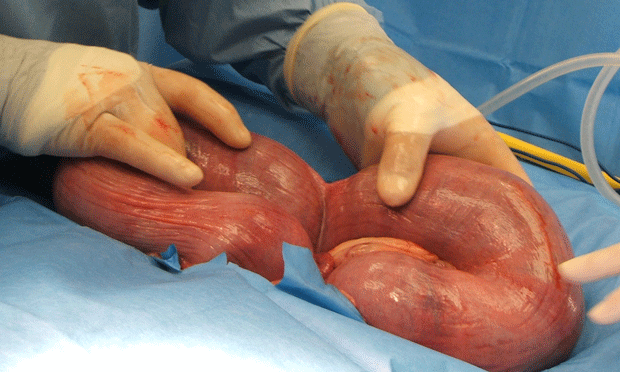
The veterinarian will make an incision through the abdominal wall and then into the uterus. The location and size of these incisions are carefully considered to minimize trauma and bleeding. Once the uterus is accessed, the puppies are gently delivered one by one. The umbilical cords are clamped and cut, and the puppies are immediately handed over to an assistant.
Dealing with Multiple Puppies
The number of puppies can influence the puppy c-section time. If there are many puppies, it will naturally take longer to extract each one. The surgical team will work efficiently but also carefully, ensuring each puppy is delivered safely.
Uterine and Abdominal Closure
After all puppies are delivered and the uterus has been checked for any remaining placental fragments, the uterus is closed in layers. Following this, the abdominal wall and skin incisions are also meticulously sutriced. The type of sutures used will depend on the surgeon’s preference and the location of the incision, but absorbable sutures are often used internally to avoid the need for removal later. The entire surgical part of the procedure, from the first incision to the final stitch, typically lasts between 30 to 60 minutes. This is the core of the cesarean section dogs procedure.
Post-Operative Care: The Road to Recovery
Once the surgery is complete, the focus shifts to recovery for both the mother and her newborns.
Immediate Post-Op Care for Puppies
The puppies are usually placed in a warm incubator or under a heat lamp immediately after delivery. They are checked for breathing and any signs of distress. If necessary, resuscitation efforts may be initiated. Once stable, they are often given a small amount of colostrum (the mother’s first milk) or a milk replacer. The team will ensure they are breathing well and their temperature is stable before reuniting them with their mother, when she is stable enough.
Mother’s Recovery and Monitoring
The mother dog will remain under close observation as she recovers from anesthesia. Vital signs will continue to be monitored. Pain management is a crucial aspect of post-operative care, and the veterinarian will administer appropriate analgesics to keep her comfortable. Intravenous fluids are typically continued to help maintain hydration and support recovery. The initial recovery period in the clinic can last for a few hours, during which the veterinary team ensures she is stable, conscious, and able to bond with her puppies.
The total canine c-section duration, from the moment the surgical prep begins to the point where the mother and puppies are stable and ready for continued care (either at home or in a post-operative ward), can range from 1.5 to 3 hours. This includes the time spent on anesthesia induction, surgical procedure, closure, and initial recovery monitoring. It’s important to remember that this is an estimate, and the actual time can vary.
Factors Influencing C-Section Duration
Several elements can influence how long a dog birth surgery takes. Being aware of these can help you better prepare for the process.
Breed and Size of the Dog
Larger breeds might sometimes have slightly longer procedures due to their size, requiring more extensive surgical field preparation. However, breed size isn’t always a direct determinant of duration. Some smaller breeds are predisposed to birthing difficulties that necessitate C-sections, and the procedure might be just as involved as in larger dogs.
Number of Puppies
As mentioned earlier, a larger litter will naturally extend the extraction phase of the cesarean delivery dog procedure. Each puppy needs to be carefully delivered and checked, adding to the overall surgical time.
Maternal Health and Complications
The mother dog’s health status plays a significant role. If she has underlying health issues or if there are unexpected dog birth complications during surgery, the procedure may take longer as the surgical team addresses these issues. For example, if there is excessive bleeding or if the uterus is more difficult to access, the surgeon will need more time.
Surgical Team’s Experience
The proficiency and experience of the veterinary surgeon and their team can impact the puppy c-section time. A highly experienced team can often perform the surgery more efficiently while maintaining the highest standards of care.
Anesthesia Protocol
The chosen anesthetic drugs and the dog’s individual response to anesthesia can also influence the timeline. Some dogs may take longer to go under anesthesia or to fully recover from its effects.
Emergency vs. Scheduled C-Section
Emergency C-sections, which are performed when a critical situation arises during natural labor, might sometimes have a slightly faster pace due to the urgency. Scheduled C-sections, planned in advance for known high-risk pregnancies, allow for a more deliberate and less hurried approach.
What Happens After the C-Section?
The immediate aftermath of the dog pregnancy surgery is crucial for the well-being of the new family.
Maternal Care at Home
Once discharged from the veterinary clinic, typically within 24-48 hours after a routine C-section, the mother dog will need attentive care at home. This includes:
- Pain Management: Continuing prescribed pain medication is essential for comfort and mobility.
- Wound Care: Keeping the incision site clean and dry to prevent infection. This often involves a cone or Elizabethan collar to stop licking.
- Activity Restriction: Limiting strenuous activity, jumping, and rough play is vital to allow the incision to heal properly. Short, gentle leash walks are usually encouraged.
- Nutrition: Providing a high-quality, easily digestible diet to support healing and milk production.
Puppy Care
Newborn puppies require constant care, especially after a C-section:
- Warmth: Maintaining a warm environment is critical for their survival.
- Nursing: Ensuring they are successfully nursing from their mother or bottle-feeding if necessary.
- Hygiene: Keeping their surroundings clean.
- Monitoring: Watching for signs of distress, dehydration, or illness.
The initial days and weeks following a C-section are crucial for the C-section recovery dog and her litter. Regular check-ups with your veterinarian are necessary to monitor the healing process and ensure the health of all family members.
FAQs about Dog C-Sections
Here are some common questions dog owners have about C-sections:
- How many C-sections can a dog have? While dogs can have multiple C-sections, each subsequent surgery carries increased risks. Vets generally recommend limiting a dog to two or three C-sections, and often advise against further breeding after the first one, especially if it was for a medical reason.
- What are the risks of a dog C-section? Like any surgery, C-sections carry risks, including infection, bleeding, anesthetic complications, and complications related to the puppies’ health.
- Will my dog need help after a C-section? Yes, the mother dog will require significant care and monitoring during her recovery. You’ll need to ensure she rests, eats well, and keeps her incision clean. You’ll also be helping with puppy care.
- When should I consider a C-section for my dog? A C-section is typically considered when there are signs of dystocia (difficulty giving birth), such as prolonged labor without contractions, severe pain, or if ultrasound or X-rays indicate oversized puppies or malpresentation that cannot be corrected naturally. Always consult your veterinarian if you suspect any birthing problems.
- How long is the C-section recovery for the dog? Full recovery for the mother can take several weeks. While she will be back to normal activities within a few weeks, the internal healing of the uterus takes longer.
A C-section is a significant medical procedure, but with careful planning, skilled veterinary care, and attentive post-operative support, it can be a safe and effective way to ensure the health of both mother and puppies. Knowing the typical timeline and what to expect can alleviate some of the stress associated with this vital intervention.