
Typically, a dog cremation takes between 1.5 to 3 hours for the actual cremation process, but the entire pet aftercare timeline, from initial pickup to receiving ashes, can range from a few days to a week or more, depending on various factors.
When our beloved canine companions pass away, navigating the process of their final care can be an emotional and overwhelming experience. Among the many questions that arise, one of the most common is about the timeframe involved in dog cremation. Many pet owners wonder, “How long does a dog cremation take?” The answer isn’t a simple one-size-fits-all number because several elements influence the pet cremation time and the overall dog memorialization process. This in-depth guide aims to demystify the canine cremation duration, covering everything from the cremation itself to the preparation of the final tribute.
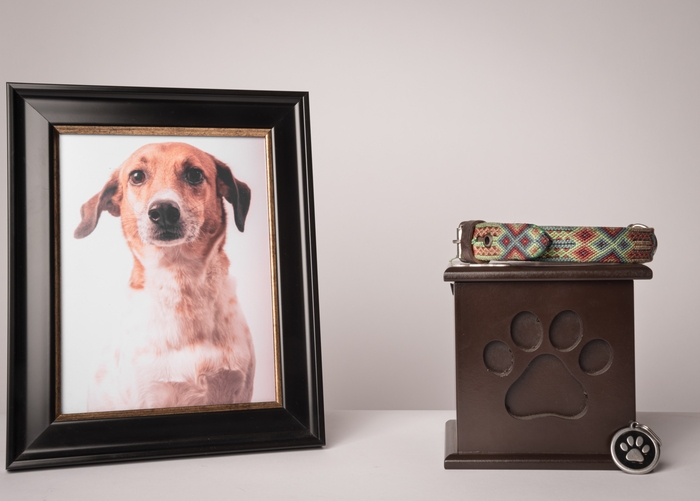
Image Source: animalfamilypet.com
Deciphering the Canine Cremation Process
At its core, cremation is the process of reducing a body to its basic chemical components by applying intense heat. For pets, this is a carefully controlled and dignified procedure carried out in specialized facilities. Understanding the steps involved helps to illuminate why the animal cremation services length can vary.
The Cremation Chamber: A Scientific Look
The heart of any cremation service is the crematorium, a specialized furnace designed for high-temperature incineration. These machines operate at extremely high temperatures, typically between 1400°F and 2000°F (760°C to 1093°C). The intense heat causes the body’s organic materials to break down rapidly.
The process involves several stages:
- Preheating: The crematorium is brought up to the required operating temperature.
- Loading: The pet is carefully placed into the cremation chamber.
- Combustion: The high temperatures cause rapid dehydration, followed by volatilization (turning into gas) and oxidation of the organic tissues.
- Cooling: After the primary combustion, the temperature is maintained to ensure all organic material is consumed.
- Processing: The remaining inorganic material, primarily bone fragments, is cooled.
Factors Influencing Cremation Duration
Several key factors contribute to the overall pet cremation time. These are critical for pet owners to be aware of as they consider their options and plan for their pet’s final disposition.
1. Size and Weight of the Dog
This is perhaps the most significant factor affecting canine cremation duration. Just as a larger piece of wood takes longer to burn, a larger dog requires more time in the crematorium. The density and mass of the animal directly impact how long it takes for all organic material to be reduced.
- Small Dogs (e.g., Chihuahua, Yorkshire Terrier): These dogs will generally have a shorter cremation time.
- Medium Dogs (e.g., Beagle, Border Collie): Their cremation time will be moderate.
- Large and Giant Breeds (e.g., Great Dane, Mastiff): These dogs will require the longest cremation duration due to their size and bone density.
A general guideline for the cremation itself (not including preparation or cooling) might look something like this:
| Dog Size Category | Approximate Weight Range (lbs) | Estimated Cremation Time (hours) |
|---|---|---|
| Small | Under 25 | 1.5 – 2 |
| Medium | 25 – 60 | 2 – 2.5 |
| Large | 60 – 100 | 2.5 – 3 |
| Giant | Over 100 | 3+ |
Note: These are approximate times. Actual duration can vary based on the specific equipment and the dog’s individual body composition.
2. Type of Cremation: Individual vs. Communal
The choice between individual dog cremation and communal dog cremation significantly impacts the process and timeline.
-
Individual Dog Cremation: This is where the dog is cremated alone in the chamber. This ensures that only the ashes of your specific pet are returned to you. This process is generally more time-consuming as the crematorium is dedicated solely to your pet. The entire cycle, from loading to processing the remains, is focused on one animal. This is often the preferred method for those who wish to keep their pet’s ashes.
-
Communal Dog Cremation: In this option, multiple pets are cremated together in the same chamber. This is typically a more cost-effective pet disposition method, but it means the ashes are commingled and cannot be separated. Because the crematorium is filled with multiple animals, the process is often more efficient from the facility’s perspective, but it’s not designed to return individual ashes. The animal cremation services length for communal cremation is still dependent on the size of the largest animal in the batch and the equipment’s capabilities, but the overall facility throughput is higher.
3. Crematorium Equipment and Technology
Like any machinery, crematoriums vary in their design and efficiency. Newer models may have advanced features that optimize heat distribution and airflow, potentially leading to slightly shorter cycle times. However, safety and thoroughness are always prioritized over speed.
4. Facility Workflow and Scheduling
Even if the actual cremation takes a few hours, the pet aftercare timeline extends beyond the furnace. The crematorium must process incoming pets, manage outgoing urns, and adhere to their operational schedule. If the facility is experiencing high demand, there might be a wait before the cremation can begin.
The Full Pet Aftercare Timeline
When considering “How long does a dog cremation take?”, it’s essential to look at the entire pet aftercare timeline, not just the time spent in the crematorium. This includes several crucial steps that contribute to the overall duration.
1. Transportation and Preparation
- Pickup: After a pet passes, you’ll need to arrange for transportation. This might involve you bringing your dog to the pet cremation service, or the service picking them up from your home or veterinarian’s office. The timing of this pickup can add to the initial delay.
- Documentation and Identification: Proper identification is paramount. The service will ensure your pet is correctly identified, especially for individual cremations. This involves paperwork and tagging.
- Preparation for Cremation: Before entering the crematorium, the pet is prepared. This may include removing any collars, tags, or medical devices as per the owner’s wishes or facility policy. This step is usually quick but essential.
2. The Cremation Itself
As discussed, the actual canine cremation duration for the heat process ranges from approximately 1.5 to 3 hours, depending primarily on the dog’s size.
3. Cooling and Processing
Once the cremation cycle is complete, the remains need to cool down. This is a critical safety step before they can be handled. Following cooling, the remains are processed to break down any larger bone fragments into a finer, granular texture. This is often done using a specialized processor, sometimes called a “cremulator.” This processing transforms the bone fragments into what we commonly refer to as “ashes.” This stage adds another hour or two to the overall time.
4. Urn Preparation and Final Touches
- Dog Urn Preparation Time: Once the ashes are processed, they are ready to be placed in the chosen urn or container. The dog urn preparation time itself is typically very quick, involving carefully scooping the ashes into the urn and sealing it.
- Memorialization Options: Many pet cremation services offer additional memorialization options, such as paw prints, fur clippings, or custom urn engraving. These services can add to the overall turnaround time. If you have requested a specific type of urn or memorial item, this will influence how long it takes to prepare everything.
5. Return of Ashes
The final step is the return of the ashes to the pet owner. This usually occurs after all processing and preparation are complete. The pet cremation service will contact you when your pet’s ashes are ready for pickup or when they can be delivered.
Factors Affecting the Overall Pet Aftercare Timeline
While the cremation process itself has a defined duration, the entire pet aftercare timeline can be extended by several external factors.
- Weekend or Holiday Services: If your pet passes away on a weekend or a holiday, the start of the cremation process might be delayed until the next business day.
- Facility Capacity: Popular pet cremation services may have a backlog, meaning there could be a wait before your pet can be cremated.
- Communication and Coordination: Prompt communication between the owner, veterinarian (if involved), and the cremation service is vital. Delays in making decisions or providing necessary information can extend the timeline.
- Geographic Location: If you live in a remote area, the logistics of transportation to and from the cremation facility might add time.
Understanding Different Pet Disposition Methods
Cremation is one of several pet disposition methods. It’s helpful to understand how it fits into the broader landscape of end-of-life care for pets.
- Burial: This is a traditional method, either in a pet cemetery or on private property (where permitted). The timeline here involves arrangements for burial and potentially excavation.
- Body Donation: Some owners choose to donate their pet’s body to veterinary schools for research and education. The timeline for this process is dictated by the institution’s needs and protocols.
- Cremation: As we’ve detailed, this involves the controlled incineration of the pet’s remains.
Each method has its own set of considerations and timelines. Cremation offers a way to preserve a tangible reminder of your pet, which is a significant factor for many grieving owners.
The Emotional Aspect of the Dog Memorialization Process
Beyond the practicalities of timeframes, the dog memorialization process is deeply emotional. The waiting period, whether short or long, can be a time of intense grief. Pet owners often use this time to reflect on their relationship with their pet, gather photos, and prepare a space in their home for the urn.
The return of the ashes marks a significant milestone in the grieving journey. It provides a focal point for remembrance and allows owners to begin the process of saying their final goodbyes in a tangible way. The care and respect shown by the cremation service during this sensitive time are crucial for the owner’s peace of mind.
Preparing for Your Pet’s Final Journey
Knowing the potential timeframes can help alleviate some anxiety during a difficult time. Here are some tips for preparing:
- Research Cremation Services in Advance: If possible, identify reputable pet cremation services in your area before you need them. This allows you to understand their services, pricing, and typical turnaround times.
- Discuss Options with Your Veterinarian: Your veterinarian can be a valuable resource, often recommending or even coordinating with pet cremation services.
- Communicate Your Wishes Clearly: Whether you prefer individual or communal cremation, or have specific requests for handling, communicate these clearly to the service provider.
- Understand Urn Options: Familiarize yourself with different types of pet urns and memorial items. This can help expedite the dog urn preparation time once the ashes are ready.
Frequently Asked Questions (FAQ)
Here are some common questions pet owners have about the timing of dog cremation:
Q1: How long does the actual cremation of a dog take?
A1: The cremation process itself, where the dog is in the crematorium, typically lasts between 1.5 to 3 hours, depending largely on the dog’s size.
Q2: When will I get my dog’s ashes back?
A2: The entire pet aftercare timeline, from pickup to receiving ashes, can range from a few days to a week or more. This includes transportation, cremation, cooling, processing, and urn preparation.
Q3: Can I choose when my dog is cremated?
A3: While you can express preferences, the actual scheduling depends on the cremation service’s availability and operational workflow. They will work with you to set a convenient time.
Q4: Does the size of my dog affect how long the cremation takes?
A4: Yes, the size and weight of your dog are primary factors influencing the canine cremation duration. Larger dogs require more time in the crematorium.
Q5: How long does it take to prepare the urn after cremation?
A5: The dog urn preparation time is usually quick, involving placing the processed ashes into the chosen urn and sealing it. This step typically takes less than an hour.
Q6: What is the difference in time between individual and communal dog cremation?
A6: Individual dog cremation focuses on one pet at a time, contributing to a more personal but potentially longer overall timeline for that specific pet’s ashes to be ready. Communal dog cremation involves multiple pets and is about facility efficiency rather than individual return of ashes.
Q7: What is a “pet passing timeline”?
A7: A pet passing timeline refers to the sequence of events and the timeframes involved from when a pet’s health declines significantly to their final disposition, including the cremation process.
Q8: Can I be present during the cremation?
A8: Some animal cremation services offer the option for owners to be present during the cremation process, often referred to as “witnessed cremation.” This can add to the overall time spent at the facility but provides a sense of closure for some.
The journey of our beloved dogs from life to their final resting place is a profound one. By understanding the various stages and factors that influence the pet cremation time, pet owners can navigate this sensitive period with greater clarity and peace of mind, ensuring their cherished companion receives the dignified farewell they deserve.