
A typical dog dental cleaning, including anesthesia, can take anywhere from 1 to 3 hours. However, this is just an estimate, and the actual dog teeth cleaning procedure length can vary significantly based on several factors. What determines the exact dog dental scaling time and overall dog teeth cleaning appointment length? It hinges on the complexity of your dog’s oral health.
Dog tooth extraction duration, canine dental surgery time, and the total dog oral surgery time are all crucial considerations that can extend this timeframe. If significant dental disease is present, or if extractions are required, the dog periodontal therapy length will naturally be longer. Even the dog anesthesia time for dental work can vary depending on your dog’s individual health and the complexity of the procedures.
This blog post will delve into the various elements that influence the duration of a dog dental cleaning, from the initial examination to the final recovery. We’ll explore what happens during the procedure, why some cleanings take longer than others, and what you can do to prepare for this important aspect of your dog’s health.
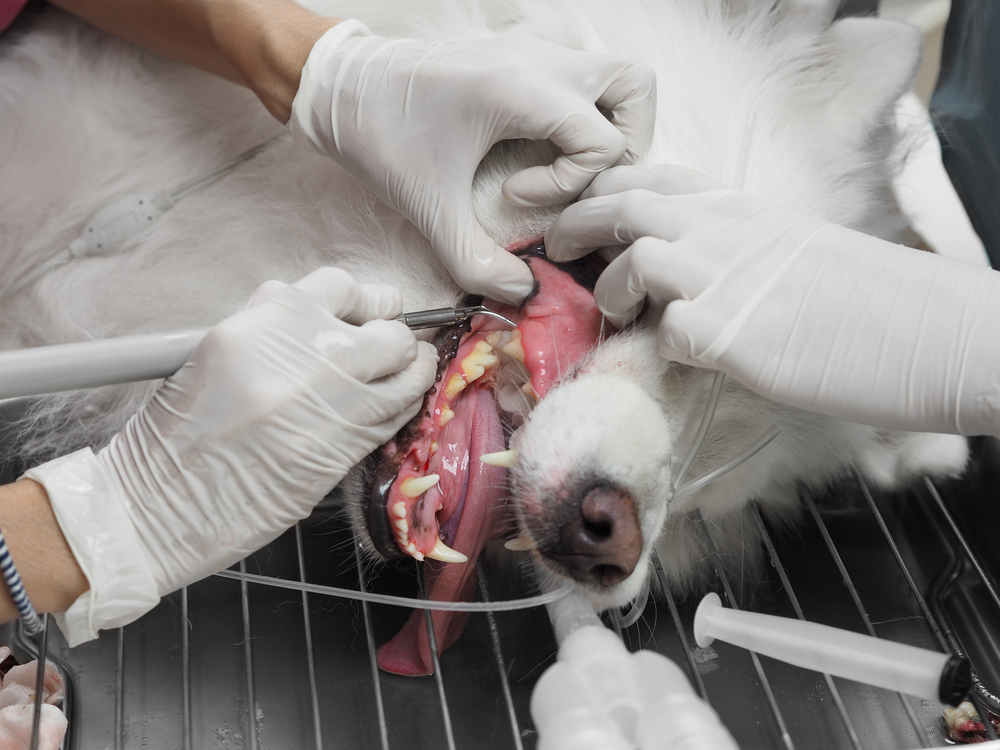
Image Source: www.plumvet.com
The Multi-Stage Process of a Dog Dental Cleaning
A professional dog dental cleaning isn’t just a quick brush-up; it’s a comprehensive veterinary procedure that requires careful attention to detail at every step. This multi-stage process ensures that your dog’s entire mouth receives the necessary care.
Pre-Procedure Preparations
Before your dog even enters the dental suite, there’s a series of important steps to ensure their safety and the success of the cleaning.
Initial Examination and Consultation
Your veterinarian will conduct a thorough physical examination of your dog. This includes checking their overall health, listening to their heart and lungs, and assessing any pre-existing conditions. This is also the time for you to discuss any concerns you have about your dog’s breath, eating habits, or any visible issues in their mouth.
Pre-Anesthetic Bloodwork
To ensure your dog can safely undergo anesthesia, pre-anesthetic blood tests are usually recommended. These tests evaluate kidney and liver function, blood cell counts, and electrolyte levels. The results help the veterinarian tailor the anesthetic protocol specifically for your dog, minimizing risks. The time for this can vary depending on the lab’s turnaround time, but it’s typically done on the day of the procedure.
Anesthesia Choice and Administration
The veterinarian will select the safest and most effective anesthetic agents based on your dog’s age, breed, size, and overall health. Once the plan is set, anesthesia is administered. The time it takes for your dog to fall asleep and reach a plane of anesthesia suitable for dental work is a crucial part of the dog anesthesia time for dental work. This typically takes 10-20 minutes.
The Dental Cleaning Procedure Itself
Once your dog is comfortably and safely anesthetized, the detailed work begins. This is where the majority of the dog teeth cleaning procedure length is spent.
Scaling of Teeth
The first major step is scaling. Dental hygienists or veterinarians use specialized instruments to remove plaque and tartar buildup from the surface of the teeth, both above and below the gum line. This is a meticulous process, as tartar can harbor bacteria and lead to gum disease. The dog teeth scaling duration can vary based on the amount of buildup. For dogs with minimal tartar, this might take less time. However, significant buildup, especially in hard-to-reach areas, will extend the dog teeth scaling time.
- Hand Scaling: This involves using manual instruments to carefully scrape away tartar. It requires precision and can be time-consuming, especially in areas with heavy deposits.
- Ultrasonic Scaling: This uses high-frequency vibrations to break down and remove plaque and tartar. It is generally faster and more effective for larger tartar accumulations.
Subgingival Cleaning
After the visible tartar is removed, the focus shifts to the area beneath the gum line. This is critical for treating and preventing periodontal disease. Veterinarians carefully clean out any debris, bacteria, and tartar that has accumulated in the periodontal pockets. The dog periodontal therapy length is heavily influenced by the depth and severity of these pockets. Deeper pockets require more extensive cleaning and may necessitate further treatment.
Dental Probing and Charting
During the cleaning, each tooth is examined. The veterinarian will probe the gum line around each tooth to measure the depth of the periodontal pockets and assess the health of the gums. They will also check for any signs of damage, such as loose teeth, cracks, or enamel erosion. All findings are recorded on a dental chart. This thorough assessment is a vital part of the canine dental surgery time, even if no surgery is planned.
Dental X-rays
Dental X-rays are essential for a complete oral health assessment. They allow the veterinarian to see the tooth roots, the bone supporting the teeth, and detect problems that are not visible to the naked eye, such as abscesses or internal tooth damage. The time taken for X-rays depends on the number of views needed and the efficiency of the imaging equipment.
Polishing
Once the teeth are clean and free of tartar, they are polished. Polishing removes microscopic scratches from the tooth surface, making it smoother. A smoother surface is less likely to attract new plaque and tartar, helping to keep the teeth cleaner for longer. The dog teeth polishing duration is generally quite short, typically 10-15 minutes, but it’s a crucial step in the overall cleaning process.
Extractions and Other Surgical Procedures (If Necessary)
This is where the dog tooth extraction duration and overall dog oral surgery time come into play. If the dental examination and X-rays reveal severely damaged, diseased, or loose teeth, extractions may be necessary. Removing a tooth is a surgical procedure that requires careful dissection, bone removal (if needed), and suturing. The complexity of each extraction can vary greatly, influencing the total canine dental surgery time. Multiple extractions, or extractions of deeply rooted teeth, will significantly extend the dog tooth extraction duration. Other surgical procedures, such as removing oral tumors or treating jaw fractures, will also add to the overall time.
Post-Procedure Care and Recovery
After the dental work is complete, the focus shifts to your dog’s recovery.
Recovery from Anesthesia
Once the procedures are finished, your dog will be closely monitored in a recovery area as they gradually wake up from anesthesia. This period is crucial for ensuring they are breathing well and their vital signs are stable. The dog anesthesia time for dental work recovery can vary, but usually, dogs are awake enough to stand or walk with assistance within a few hours.
Discharge Instructions
When your dog is fully recovered from anesthesia, the veterinarian will provide you with detailed discharge instructions. These will include information on pain management (if needed), diet recommendations (often soft food for a few days), and how to care for your dog’s mouth at home.
Factors Influencing the Duration of a Dog Dental Cleaning
As we’ve touched upon, several key factors can impact the dog teeth cleaning appointment length. Understanding these can help you prepare and manage expectations.
Severity of Dental Disease
This is arguably the most significant factor. A dog with mild plaque buildup will require a much shorter cleaning than a dog with advanced periodontal disease, extensive tartar, and inflammation.
- Mild Tartar: Minimal buildup, healthy gums.
- Moderate Tartar: Noticeable buildup above and below the gum line, some gum redness.
- Severe Tartar and Periodontal Disease: Heavy tartar, deep gum pockets, loose teeth, potential bone loss, infected teeth.
The more severe the disease, the longer the dog teeth scaling duration, the more thorough the subgingival cleaning (contributing to dog periodontal therapy length), and the higher the likelihood of needing extractions, thus increasing dog tooth extraction duration and dog oral surgery time.
Number of Teeth Requiring Attention
Just like humans, dogs have different numbers of teeth, but the main factor is how many of those teeth have problems. If several teeth have significant issues requiring extraction or extensive cleaning, the overall dog teeth cleaning procedure length will be longer.
Need for Extractions or Other Surgeries
If your dog requires dog tooth extraction duration considerations are paramount. Even a single extraction can add anywhere from 30 minutes to over an hour to the procedure, depending on the difficulty. Multiple extractions will compound this time. Any other canine dental surgery time components, like treating root abscesses or removing growths, will also add to the total.
Dog’s Temperament and Cooperation (Under Anesthesia)
While your dog is anesthetized, their natural temperament is less of a factor in the procedure’s length. However, a dog that is prone to dental issues might have more complex underlying conditions that require more time to address.
Veterinarian’s Experience and Clinic Efficiency
The experience of the veterinarian and their dental team, along with the efficiency of the clinic’s equipment and workflow, can also play a role in how long a cleaning takes. A well-established dental practice with specialized equipment may complete procedures more efficiently.
Age and Overall Health of the Dog
Older dogs or dogs with underlying health conditions might require more careful monitoring during anesthesia, potentially extending the dog anesthesia time for dental work recovery phase. The veterinarian might also proceed more cautiously, adding time to the procedure to ensure safety.
Typical Timelines: What to Expect
Let’s break down the typical timeframes for different aspects of the dental cleaning:
| Procedure Component | Estimated Time Range | Notes |
|---|---|---|
| Pre-Anesthetic Assessment & Blood Draw | 30-60 minutes | Can vary based on hospital protocols and if bloodwork is sent out. |
| Anesthesia Induction | 10-20 minutes | Time to safely sedate and intubate the dog. |
| Scaling (Ultrasonic & Hand) | 30-90 minutes | Depends on tartar buildup; more tartar equals more time. Contributes to dog teeth scaling duration. |
| Subgingival Cleaning & Periodontal Therapy | 30-60 minutes | Crucial for gum health; time is influenced by pocket depth and disease severity. Key to dog periodontal therapy length. |
| Dental Probing & Charting | 15-30 minutes | Thorough assessment of each tooth and gum. |
| Dental X-rays | 15-30 minutes | Necessary for complete diagnosis; time depends on views needed. |
| Tooth Polishing | 10-15 minutes | Smooths tooth surfaces post-cleaning. Part of dog teeth polishing duration. |
| Extractions (if needed) | 30-120+ minutes/tooth | Highly variable; simple extractions are faster than complex ones requiring bone work. Affects dog tooth extraction duration and dog oral surgery time. |
| Recovery from Anesthesia | 2-4 hours | Dog wakes up and is stable for discharge. Influenced by dog anesthesia time for dental work. |
| Total Estimated Procedure Time | 1.5 – 5+ hours | Excludes recovery and discharge. The actual dog teeth cleaning procedure length can be highly variable. |
Important Note: The “Total Estimated Procedure Time” above refers to the time spent actively working on the dog’s mouth and the initial recovery phase, not the entire day your dog might be at the veterinary clinic. The total dog teeth cleaning appointment length will be longer once you factor in drop-off, pick-up, and pre- and post-procedure consultations.
What Happens During the Cleaning? A Deeper Dive
Let’s expand on the specific actions performed during a dog dental cleaning to better grasp the dog teeth cleaning procedure length.
Scaling: The Foundation of Cleaning
Scaling is the process of removing plaque and tartar. Plaque is a soft, sticky film of bacteria and food particles that forms on teeth. If not removed, it hardens into tartar (calculus).
- Above the Gum Line: This is the visible buildup, often yellowish or brown.
- Below the Gum Line: This is the more insidious tartar, accumulating in the sulcus (the space between the tooth and the gum). This tartar irritates the gums, leading to inflammation (gingivitis) and eventually periodontitis, a serious infection that damages the tissues and bone supporting the teeth. The dog teeth scaling duration here is critical for the success of dog periodontal therapy length.
Periodontal Therapy: Beyond the Surface
Dog periodontal therapy length is determined by the extent of disease. This involves not only removing tartar but also cleaning the periodontal pockets. These pockets are measured using a periodontal probe.
- Healthy Pockets: Typically 1-3 mm in dogs.
- Mild Periodontal Disease: Pockets of 3-5 mm, often with some inflammation.
- Moderate Periodontal Disease: Pockets of 5-7 mm, with significant inflammation, bleeding, and early bone loss.
- Severe Periodontal Disease: Pockets greater than 7 mm, with severe inflammation, bleeding, pus, tooth mobility, and significant bone loss.
The cleaning of these pockets is thorough to remove bacteria and debris, promoting healing.
Dental X-rays: Seeing the Unseen
Dental radiographs are non-negotiable for a complete dental assessment. They reveal:
- Root Health: Detecting abscesses, cysts, or internal resorption.
- Bone Level: Assessing bone loss due to periodontal disease.
- Tooth Structure: Identifying cracks, fractures, or decay not visible externally.
- Impacted Teeth: Discovering teeth that haven’t erupted properly.
The interpretation of these X-rays by a skilled veterinarian contributes to the overall diagnostic time.
Extractions: When a Tooth Must Go
The decision to extract a tooth is made when the tooth is deemed unsalvageable or poses a risk to the dog’s overall health. Factors leading to extraction include:
- Severe periodontal disease with significant bone loss.
- Uncontrolled infection or abscess.
- Fractured teeth exposing the pulp.
- Severely damaged or worn teeth.
- Loose teeth that are painful.
The dog tooth extraction duration is highly variable. A simple extraction of a canine tooth might take 30-45 minutes. However, extracting a molar with fused roots or a tooth that requires bone removal can take upwards of an hour or more. Multiple extractions will naturally increase the dog oral surgery time considerably. The veterinary team must be meticulous to ensure no tooth fragments are left behind and that the surgical site is properly managed.
Preparing Your Dog for a Dental Cleaning
While you don’t directly influence the dog teeth cleaning procedure length on the day of the appointment, your preparation can make the process smoother.
Discuss with Your Veterinarian
- Ask Questions: Don’t hesitate to ask about the estimated dog teeth cleaning appointment length, the procedures involved, potential risks, and post-operative care.
- Provide History: Inform your vet about any medications your dog is on, allergies, and any previous anesthetic experiences.
- Pre-Anesthetic Fasting: Your vet will provide specific instructions on when to stop feeding your dog before anesthesia.
At-Home Dental Care
While professional cleanings are essential, regular at-home care can reduce the severity of dental disease and potentially shorten future dog teeth cleaning duration.
- Tooth Brushing: Daily brushing with dog-specific toothpaste is the gold standard.
- Dental Chews and Treats: Look for products approved by the Veterinary Oral Health Council (VOHC).
- Dental Diets: Specialized kibble can help reduce plaque and tartar.
- Water Additives and Sprays: These can help control oral bacteria.
Consistent at-home care can contribute to shorter dog teeth scaling time and less dog periodontal therapy length in the future.
Frequently Asked Questions (FAQs)
Q1: How long is a typical dog dental cleaning appointment?
A: A typical dog dental cleaning appointment, including anesthesia, can range from 1 to 3 hours for the procedure itself. However, the entire time your dog is at the clinic, from drop-off to pick-up, will be longer, potentially several hours.
Q2: What factors make a dog dental cleaning take longer?
A: The primary factors include the severity of dental disease (amount of tartar and gum inflammation), the number of teeth needing attention, the necessity of extractions or other surgical interventions (affecting dog tooth extraction duration and dog oral surgery time), and the dog’s overall health influencing dog anesthesia time for dental work.
Q3: Does anesthesia take a long time for dogs?
A: The induction of anesthesia typically takes 10-20 minutes. The total dog anesthesia time for dental work includes the duration of the procedure while the dog is under anesthesia. Recovery time after anesthesia can take 2-4 hours before the dog is alert enough to go home.
Q4: How long does scaling take?
A: Dog teeth scaling duration can vary from 30 to 90 minutes, depending on the amount of plaque and tartar buildup. Heavy tartar requires more time for both ultrasonic and hand scaling.
Q5: What is the typical dog tooth extraction duration?
A: The dog tooth extraction duration is highly variable. A simple extraction might take 30-45 minutes, while a complex extraction, especially for molars with multiple roots or requiring bone removal, can take over an hour per tooth. This significantly impacts overall canine dental surgery time.
Q6: Is dental scaling the same as a deep cleaning?
A: Scaling is part of a deep cleaning. A full dog dental cleaning procedure length often includes scaling above and below the gum line, probing, X-rays, polishing, and sometimes subgingival curettage or other dog periodontal therapy length treatments.
Q7: Can I be there during my dog’s dental cleaning?
A: Generally, no. For safety and efficiency, owners are typically not present during anesthesia and dental procedures.
Q8: How often does my dog need a dental cleaning?
A: This depends on your dog’s breed, age, diet, and at-home dental care. Many dogs benefit from professional dental cleanings annually, while some may need them more or less frequently. Your veterinarian will recommend a schedule based on your dog’s individual needs.
By providing a comprehensive overview of the dental cleaning process, its influencing factors, and what to expect, this guide aims to demystify the dog teeth cleaning appointment length and emphasize the critical importance of regular dental care for your canine companion’s overall health and well-being.