
So, you’re wondering about dog X ray time? Generally, the actual X-ray taking part of a dog’s appointment is quite quick, often just a few minutes. However, the entire dog x-ray appointment duration, from arrival to potentially getting preliminary results, can take anywhere from 30 minutes to a few hours. This depends on various factors like the clinic’s schedule, whether sedation is needed, and the number of views required.
Taking X-rays of our beloved canine companions is a common and crucial diagnostic tool in veterinary medicine. Whether it’s to investigate a limp, check for a swallowed foreign object, or assess for arthritis, X-rays provide a non-invasive peek inside your dog’s body. But how long does this process actually take? This comprehensive guide will break down the canine radiography time, from the moment you step into the clinic to when the images are ready for the vet to review. We’ll explore the veterinary x-ray procedure time, what influences the dog imaging appointment length, and how long it might take to get dog x-ray results.
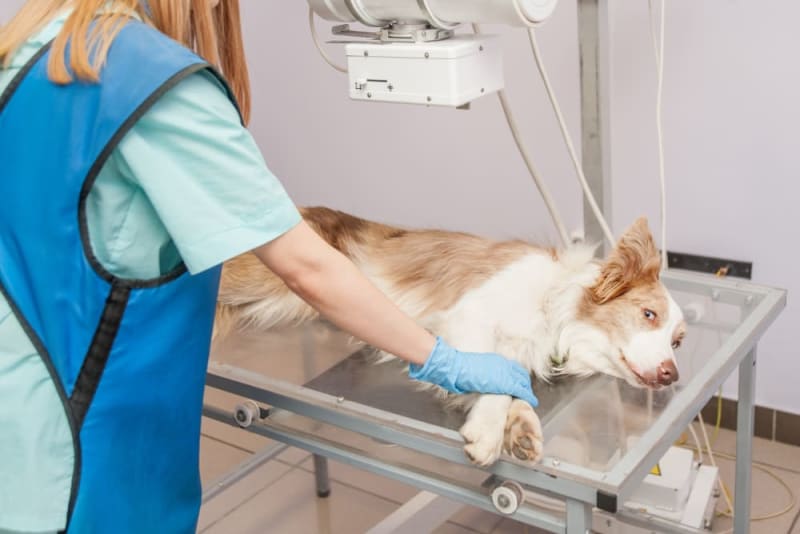
Image Source: d2zp5xs5cp8zlg.cloudfront.net
Preparing for Your Dog’s X-Ray Appointment
Before your dog even gets to the X-ray table, there’s a crucial preparation phase. This ensures the safety and comfort of your pet and helps the veterinary team capture the clearest possible images.
Pre-Appointment Consultations and Paperwork
Upon arrival, you’ll typically be greeted by a veterinary technician or receptionist. They’ll confirm your dog’s details, the reason for the X-ray, and any relevant medical history. This is also when you’ll likely fill out consent forms. This initial interaction usually takes about 5-10 minutes.
Sedation or Anesthesia Considerations
For some X-rays, especially those involving delicate areas, anxious or painful dogs, or if multiple views are needed, sedation or anesthesia might be recommended. This is a critical step that can significantly impact the overall dog x-ray duration.
- Sedation: A mild sedative can help relax your dog, making them more still and manageable during the procedure. This typically requires a waiting period for the medication to take effect, which can add 15-30 minutes to the appointment.
- Anesthesia: For more involved X-rays or if a very high degree of immobility is required, general anesthesia might be used. This involves a more thorough pre-anesthetic check, administering the anesthetic, and monitoring your dog throughout the process. While the actual X-ray exposure is still brief, the preparation and recovery from anesthesia can add a significant amount of time, often making it a half-day or even full-day affair. Your vet will discuss the risks and benefits of anesthesia specifically for your dog.
Fasting Requirements
For abdominal X-rays, your vet may instruct you to fast your dog for a certain period (usually 12-24 hours) before the appointment. This ensures that the digestive tract is empty, allowing for clearer visualization of organs and any potential abnormalities. If your dog hasn’t fasted correctly, the X-ray may need to be rescheduled, impacting the dog x-ray time.
The X-Ray Procedure Itself: A Closer Look at Canine Radiography Time
The actual taking of the X-ray images is remarkably swift. This part of the veterinary x-ray procedure time is often the shortest component.
Positioning Your Dog
This is where the skill of the veterinary technician or radiologist comes into play. They need to position your dog accurately so that the area of interest is clearly visible. This might involve:
- Specific Views: For example, chest X-rays often require at least two views: a lateral (side) view and a ventrodorsal (belly down) or dorsoventral (back down) view. Orthopedic X-rays might require multiple angles to assess joints from different perspectives.
- Immobilization: Keeping a dog still for even a second can be challenging. Technicians use various methods, including:
- Gentle Restraint: Using their hands to hold limbs in place.
- Positioning Aids: Wedges, sandbags, or specialized holders to support the dog and maintain the correct posture.
- Sedation (as mentioned): This is often the most effective way to ensure immobility.
The time spent on precise positioning for each view can vary. For a straightforward X-ray of a limb, it might take only a minute or two per view. For more complex areas or a more uncooperative dog, this could extend to several minutes.
The X-Ray Exposure
The actual X-ray beam exposure is incredibly brief, lasting mere fractions of a second. This is the critical moment when the image is captured. The low radiation dose is designed to provide diagnostic information with minimal risk. The speed of this exposure is a constant, regardless of the complexity of the case.
Number of Views
The total dog x-ray duration is heavily influenced by the number of X-ray views required. A simple fracture might need two views, while a comprehensive orthopedic assessment or evaluation of a complex medical condition could necessitate five, ten, or even more. Each additional view adds to the time spent on positioning and exposure.
Factors Affecting the Total Dog X-Ray Appointment Length
Beyond the immediate X-ray taking, several other elements contribute to how long you’ll be at the clinic for your dog’s imaging appointment.
Clinic Workflow and Scheduling
Veterinary clinics operate on schedules that can be affected by emergencies, surgeries, and the general flow of patients.
- Walk-ins vs. Appointments: If your dog’s X-ray is part of a scheduled wellness exam, it will likely be integrated smoothly. However, if it’s an emergency visit or a walk-in, there might be a waiting period until a technician is available.
- Technician Availability: The clinic might only have one or two trained radiography technicians. If they are busy with surgery or other procedures, your X-ray might be delayed.
- Equipment Availability: While X-ray machines are standard, some advanced imaging modalities like CT scans or MRIs require specialized equipment and personnel, which can lead to longer wait times. However, for standard X-rays, availability is usually good.
This means that your dog imaging appointment length could be affected by how busy the clinic is at that particular time.
Sedation and Recovery Time
As discussed earlier, if sedation or anesthesia is required, this adds significant time. The dog needs to be brought to the prep area, sedated, allowed to relax, positioned, X-rayed, and then carefully monitored during recovery. Recovery can take anywhere from one to several hours, depending on the type of sedative or anesthetic used and the dog’s individual response.
Specific Imaging Needs
Certain types of X-rays naturally take longer due to the complexity of the anatomy or the number of views needed.
- Time for Dog Dental X-rays: Dental X-rays are a specialized area. While the actual exposure for each tooth is quick, performing a full mouth dental X-ray involves detailed cleaning, probing, and taking multiple intra-oral images. This, combined with the necessary anesthesia for dental procedures, makes time for dog dental x-rays a more involved process, often taking up a significant portion of the day.
- Orthopedic Exams: Assessing conditions like hip dysplasia or elbow issues often requires specific positioning and multiple views of the affected joints, sometimes under sedation.
- Thoracic (Chest) X-rays: Getting clear chest X-rays requires the dog to be perfectly still, as even slight movement can blur the image, especially for the delicate heart and lung structures. Multiple exposures might be needed, and positioning can be tricky.
Processing and Reviewing Dog X-Rays: How Long to Get Dog X-Ray Results?
Once the X-ray images are taken, they aren’t immediately available for interpretation in the way a digital photo is.
Digital X-Rays vs. Traditional Film
Most modern veterinary practices use digital radiography.
- Digital X-rays: These images are captured by a digital sensor and appear on a computer screen almost instantly. This significantly speeds up the time to get dog x-ray results. The technician can usually confirm image quality within minutes.
- Traditional Film X-rays: Older practices might still use film, which requires chemical processing in a darkroom. This process can take 5-10 minutes per film, plus drying time, making it a much slower method.
Preliminary vs. Final Interpretation
- Preliminary Review: The veterinarian who is on duty at the clinic can usually provide a preliminary interpretation of the X-rays shortly after they are taken, especially if the findings are obvious. This is often shared with you at the end of your appointment.
- Radiologist Consultation: For complex cases or definitive diagnoses, the X-rays may be sent to a board-certified veterinary radiologist for a detailed, formal report. This process can take 24-48 hours or even longer, depending on the radiologist’s workload and the urgency. This will directly impact the time to get dog x-ray results in a formal sense.
So, while the immediate viewing of the images can be quick, a comprehensive diagnostic report from a specialist takes longer.
What to Expect on the Day of the X-Ray: A Sample Timeline
Let’s walk through a hypothetical scenario to illustrate the dog x-ray appointment duration.
Scenario: Routine Abdominal X-ray for a Healthy, Cooperative Dog
- Arrival and Check-in: 10 minutes. You arrive, check in, and confirm details.
- Waiting for Technician: 15 minutes. The technician is finishing with another patient.
- Preparation and Positioning: 5 minutes. The technician takes your dog to the X-ray room, gets them onto the table, and positions them for the first view.
- X-ray Exposure (2 views): 1 minute. Two quick exposures are taken.
- Moving to Computer for Review: 2 minutes. The images are sent to the computer.
- Veterinarian Preliminary Review: 10 minutes. The vet quickly looks at the images and discusses initial findings with you.
- Check-out: 5 minutes.
Total Estimated Time: Approximately 45-50 minutes.
Scenario: Orthopedic X-Ray Requiring Sedation for a Slightly Anxious Dog
- Arrival and Check-in: 10 minutes.
- Pre-Procedure Discussion and Sedation Prep: 15 minutes. The vet explains the sedation protocol, and the technician prepares the medication.
- Sedation Administration and Waiting for Effect: 30 minutes. The dog is given the sedative and monitored until relaxed.
- Positioning and X-ray Exposure (4 views): 15 minutes. Multiple views require careful positioning and several brief exposures.
- Moving to Computer for Review: 2 minutes.
- Veterinarian Preliminary Review: 10 minutes.
- Recovery Monitoring: 60-120 minutes. The dog rests in a quiet area until they are alert enough to go home.
- Check-out: 5 minutes.
Total Estimated Time: Approximately 3 to 4.5 hours.
These are just examples, and your dog imaging appointment length can vary.
Frequently Asked Questions about Dog X-Ray Time
Here are some common questions pet owners have regarding the time involved in canine radiography.
Q1: How long does the actual X-ray exposure take for a dog?
A1: The actual X-ray exposure is incredibly fast, lasting only a fraction of a second for each image. The bulk of the time is spent on preparation and positioning.
Q2: Can I get my dog’s X-rays the same day?
A2: Yes, you can typically get preliminary X-ray results the same day. The veterinarian at the clinic will review the images and discuss their initial findings with you. However, a formal report from a veterinary radiologist may take an additional 24-48 hours.
Q3: Does my dog need to stay at the vet for X-rays?
A3: Usually not, unless sedation or anesthesia is required. If your dog is cooperative and doesn’t need medication to stay still, the X-ray procedure can often be completed within an hour or two, and you can take your dog home the same day. If anesthesia is used, your dog will need to stay until they have fully recovered.
Q4: What is the difference in time for dental X-rays compared to other body parts?
A4: Time for dog dental x-rays is generally longer because it’s a more detailed procedure. It involves thorough oral cleaning, examination, and multiple intra-oral X-ray images of individual teeth and surrounding bone, almost always requiring anesthesia. This makes it a more time-consuming process than a standard limb or chest X-ray.
Q5: How long does it take to process dog X-rays if they use digital technology?
A5: With digital radiography, the images appear on a screen almost immediately after exposure. The technician can then quickly review them for quality. So, the “processing” time for digital X-rays is minimal, usually just a few minutes.
Q6: What affects the overall dog x-ray appointment duration?
A6: Several factors influence the dog x-ray appointment duration: the need for sedation or anesthesia, the number of X-ray views required, the dog’s temperament and ability to stay still, and the overall busyness of the veterinary clinic.
Q7: How long does it take to get dog x-ray results from a specialist?
A7: If the X-rays are sent to a veterinary radiologist for interpretation, it can take anywhere from 24 to 72 hours to receive a formal written report. Some specialists offer expedited services for an additional fee if the findings are critical.
Conclusion
In summary, while the brief moment of radiation exposure during a dog X ray is fleeting, the entire process of getting X-rays for your canine companion involves several stages. The canine radiography time is influenced by preparation, positioning, the number of views needed, and the crucial factor of whether sedation or anesthesia is employed. Understanding the various components that contribute to the dog imaging appointment length can help you prepare for your visit. From the initial check-in to the final interpretation of the images, the veterinary x-ray procedure time is a carefully managed process aimed at achieving the most accurate diagnosis for your pet’s health. The efficiency of modern digital radiography means that the time to get dog x-ray results is significantly shorter for initial assessments, allowing your veterinarian to provide prompt feedback on your dog’s condition.