
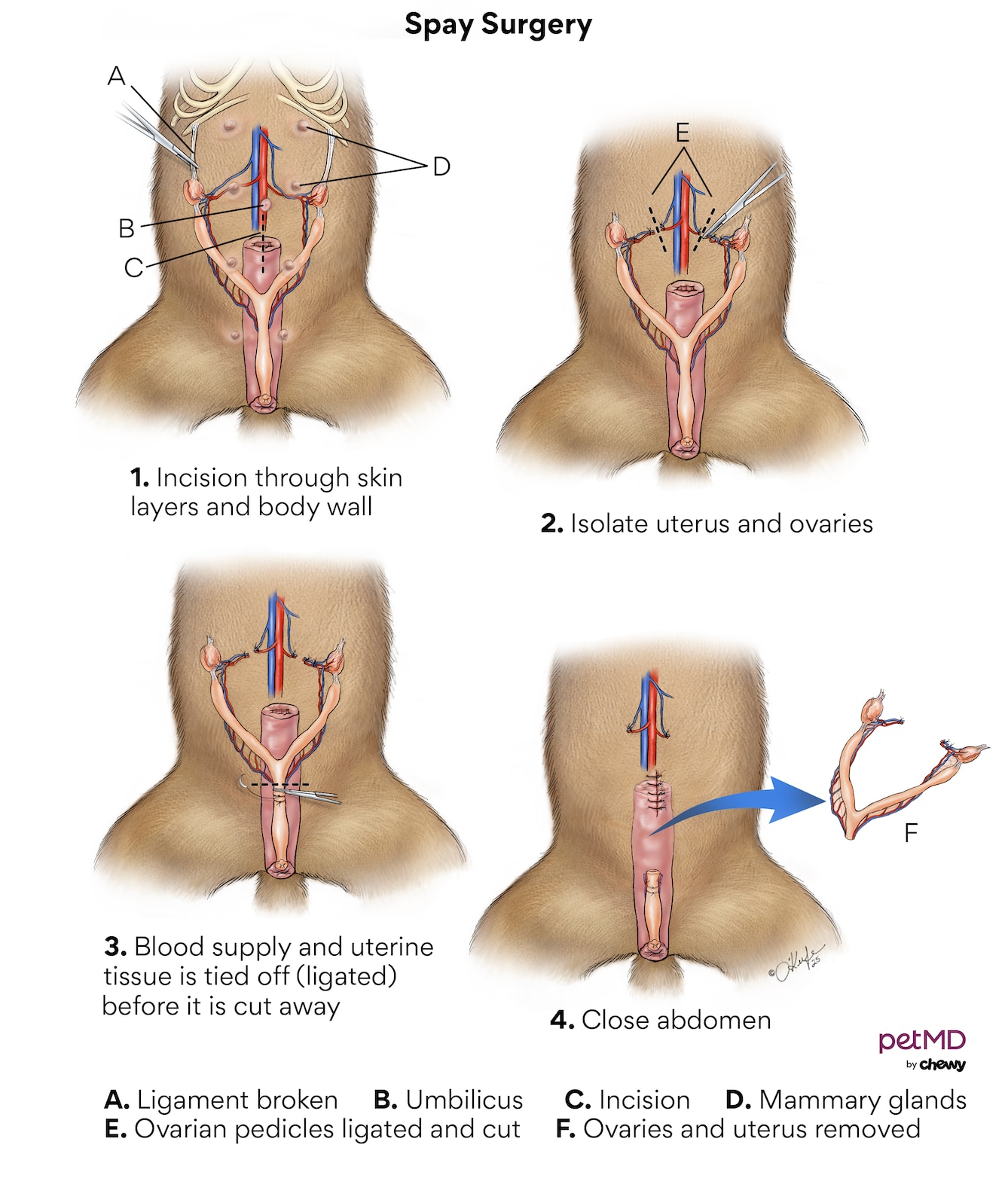
Image Source: image.petmd.com
Exactly How Long Does A Female Dog Spay Operation Take?
A female dog spay operation typically takes between 30 to 60 minutes to complete. This timeframe covers the actual surgical procedure itself, but it’s crucial to remember this doesn’t include the time for anesthesia induction, patient preparation, and recovery monitoring.
Many pet owners ponder the specifics of their dog’s health and well-being. One of the most common questions that arises is about the duration of a spay operation. Fathoming the spay surgery duration can alleviate anxiety and help you prepare for the day. So, how long does a dog spay actually take? While the surgical part is relatively quick, the entire process is more involved. Let’s delve into the details of female dog neutering time, the factors influencing it, and what to expect.
Deconstructing the Spaying Procedure Time
When we talk about spaying procedure time, we’re referring to the surgical removal of the ovaries and usually the uterus. This procedure, also known as an oophorectomy or ovariohysterectomy, is a common and vital part of responsible pet ownership. The primary goal is to prevent unwanted pregnancies and reduce the risk of certain health issues.
The actual time spent by the surgeon actively performing the ovariohysterectomy time can vary. Factors like the dog’s size, breed, and any pre-existing health conditions can play a role. However, for a healthy, standard-sized dog, the surgery itself is often completed within the 30 to 60-minute window. This includes making an incision, carefully removing the reproductive organs, and closing the incision with sutures or surgical glue.
What Influences the Length of Spay Surgery?
Several elements can influence the length of spay surgery. While a veterinarian will aim for efficiency, safety always comes first. Here are some key factors:
- Dog’s Size and Breed: Larger dogs or certain breeds may have more complex anatomy, potentially extending the surgical time slightly. Smaller dogs might also present unique challenges due to their delicate structures.
- Dog’s Age and Health: A younger, healthier dog generally poses fewer complications. An older dog or one with underlying health issues might require more careful handling and monitoring, which could add to the overall time. This is why pre-surgical blood work is so important.
- Surgical Technique: Different veterinary surgeons may have slightly different approaches or preferences in technique. Modern surgical techniques, such as laparoscopic spaying (though less common in general practice), can sometimes be faster and less invasive, but the traditional method is widely used and effective.
- Presence of Complications: While uncommon, unforeseen complications can arise during any surgery. These could include minor bleeding that requires more attention or finding unexpected tissue abnormalities. A skilled vet will always take the time needed to address any issues thoroughly.
- Anesthesia: The time it takes to safely induce anesthesia, monitor the dog throughout the procedure, and then help them recover from anesthesia is a significant part of the overall process. This is a critical phase for patient safety.
The Entire Journey: Beyond the Surgical Incision
It’s essential to remember that the dog spay surgery duration is just one piece of the puzzle. The entire experience at the veterinary clinic will take several hours. Here’s a typical breakdown of the day:
- Arrival and Check-in: You’ll usually drop off your dog in the morning. The veterinary team will confirm your contact details and any last-minute instructions.
- Pre-Anesthetic Examination: The veterinarian will perform a final physical examination to ensure your dog is in optimal condition for surgery. This might include checking vital signs and reviewing any pre-anesthetic blood work results.
- Anesthesia Induction: This is the process of administering anesthetic drugs to make your dog unconscious and pain-free. It usually involves an intravenous injection.
- Surgical Preparation: Once anesthetized, your dog’s surgical site will be clipped, cleaned, and sterilized to prevent infection. The surgical team will then drape the area to maintain a sterile field.
- The Surgery Itself: This is the 30-60 minute period we’ve discussed, where the ovaries (and uterus) are removed.
- Recovery from Anesthesia: After the surgery, your dog will be moved to a quiet, warm recovery area. Trained veterinary staff will monitor them closely as they wake up from anesthesia. This involves checking breathing, heart rate, and overall comfort. This phase can take a couple of hours.
- Post-Operative Monitoring: Even after waking, your dog will be observed for a period to ensure there are no immediate post-surgical complications. They will be offered water and potentially a small amount of food once fully awake and stable.
- Discharge Instructions: Before you pick up your dog, the veterinary team will provide you with detailed post-operative care instructions. This includes information on pain management, activity restriction, wound care, and signs to watch for that might indicate a problem.
So, while the actual cutting and stitching might be under an hour, the female dog sterilization time from drop-off to pick-up can easily be 6-8 hours or more.
Understanding the Oophorectomy: What is Removed?
An oophorectomy specifically refers to the removal of the ovaries. In most standard spay surgeries, the uterus is also removed, a procedure known as an ovariohysterectomy. Removing both organs is considered the gold standard as it completely eliminates the risk of uterine infections (pyometra) and uterine cancers, in addition to preventing pregnancy and ovarian cancers. In some rare cases, or with specific veterinary recommendations, a veterinarian might perform an ovary-sparing spay, which involves removing only the uterus, but this is not the standard approach for most pet owners.
When asking, “how long does neutering a female dog take?” it’s important to clarify if the inquirer means the removal of ovaries only or the full ovariohysterectomy. The latter is the most common procedure referred to as “spaying.”
The Benefits of Spaying: More Than Just Time
The short duration of the actual surgery belies the significant long-term benefits of spaying. Beyond preventing unwanted litters, this procedure offers substantial health advantages:
- Prevents Pyometra: This is a potentially life-threatening infection of the uterus. Removing the uterus eliminates this risk entirely.
- Reduces Mammary Tumor Risk: Spaying before the first heat cycle significantly reduces the risk of mammary gland tumors, which can be cancerous. The risk increases with each heat cycle the dog experiences.
- Eliminates Ovarian Cancers: Ovarian cancer is rare in dogs but is completely prevented by removing the ovaries.
- Eliminates Heat Cycles: Spaying prevents the physiological and behavioral changes associated with heat cycles, such as attracting male dogs, vocalization, and bloody discharge.
Preparing for the Spay Surgery: What You Need to Know
To ensure the dog spay surgery duration and the overall experience are as smooth as possible, preparation is key.
- Pre-Surgical Consultation: Discuss any concerns with your veterinarian. They will advise on the best age to spay your dog and may recommend pre-anesthetic blood work.
- Fasting: Your dog will need to fast from food and water for a specific period before surgery (usually 8-12 hours for food, and potentially less for water, as directed by your vet). This is crucial to prevent vomiting and aspiration during anesthesia.
- Exercise: A good walk on the morning of surgery can help your dog relieve themselves before coming to the clinic.
- Logistics: Plan for how you will transport your dog and who will be available to pick them up and care for them post-operatively.
Post-Operative Care: Crucial for Recovery
The time your dog spends recovering at home is just as important as the spay surgery duration.
- Rest and Confinement: Limit your dog’s activity for 10-14 days. No jumping, running, or rough play. Leash walks only for bathroom breaks.
- Incision Care: Keep the incision clean and dry. Monitor it daily for redness, swelling, discharge, or opening.
- Prevent Licking: Your dog will likely need an Elizabethan collar (cone) or a surgical suit to prevent them from licking or chewing at the incision. This is vital to prevent infection and ensure proper healing.
- Pain Management: Administer any prescribed pain medication exactly as directed by your veterinarian.
- Feeding: Follow your vet’s recommendations for reintroducing food and water.
Here’s a table summarizing key post-operative care points:
| Care Aspect | Recommendation | Duration |
|---|---|---|
| Activity Level | Strict rest; leash walks only | 10-14 days |
| Incision Care | Keep clean and dry; monitor daily | Daily |
| Prevent Licking | Use Elizabethan collar or surgical suit | Until sutures/staples removed or incision healed |
| Pain Medication | Administer as prescribed | As directed |
| Feeding/Water | Follow veterinary guidance | Post-anesthesia |
| Suture Removal | If non-absorbable sutures are used, schedule removal | Typically 10-14 days |
Frequently Asked Questions About Spay Surgery Duration
Q1: Does the spay surgery duration change if my dog is in heat?
A1: While the procedure can technically be performed when a dog is in heat, it is often recommended to wait until after the heat cycle has finished. During heat, blood flow to the reproductive organs increases, which can make the surgery slightly more complex and potentially increase bleeding. This might add a small amount of time to the spay surgery duration, but a skilled surgeon will manage it safely.
Q2: Is laparoscopic spaying faster than traditional spaying?
A2: Laparoscopic spaying, also known as keyhole surgery, can sometimes be less invasive and may result in a shorter recovery for the dog. However, the actual surgical time might be similar or even slightly longer in some cases due to the specialized equipment and techniques involved. It’s not universally faster and depends on the surgeon’s expertise and the specific case.
Q3: What happens if the spay surgery duration is longer than expected?
A3: If the spay surgery duration extends beyond the typical timeframe, it’s usually because the veterinary team is taking extra precautions to ensure the best outcome for your pet. This could be due to unexpected anatomical variations, minor bleeding that needs careful management, or the dog requiring more intensive anesthetic monitoring. The priority is always the dog’s safety and well-being.
Q4: How long will my dog be at the vet on the day of the spay?
A4: As discussed, your dog will likely be at the veterinary clinic for most of the day. From drop-off in the morning to pick-up in the afternoon, the total time can be 6-8 hours or even longer, encompassing anesthesia, surgery, and recovery monitoring.
Q5: What if I have a senior dog? Does that affect female dog sterilization time?
A5: Senior dogs may require more thorough pre-anesthetic screening, including blood work and potentially cardiac evaluations, to assess their suitability for anesthesia and surgery. The dog spay surgery duration itself might not be significantly longer, but the overall preparation and monitoring phases may be more intensive to ensure their safety.
Q6: What is the difference between an oophorectomy and a spay?
A6: An oophorectomy is the surgical removal of the ovaries. A spay is typically an ovariohysterectomy, which involves the removal of both the ovaries and the uterus. While sometimes used interchangeably, a full spay (ovariohysterectomy) is the more common and comprehensive procedure performed in veterinary medicine. The oophorectomy length would be comparable to the surgical time of a full spay, as the ovary removal is the core part.
Q7: How long does it take for a dog to recover from spaying?
A7: Full recovery, meaning the return to normal energy levels and activities, can take up to two weeks. However, the most critical healing period for the surgical incision is the first 10-14 days. Proper post-operative care is essential to ensure a smooth and successful recovery from the spaying procedure time.
By understanding the entire process, from drop-off to the final recovery at home, you can be a well-informed and prepared pet parent for your dog’s spay surgery. The relatively short spay surgery duration is a testament to the advancements in veterinary medicine, allowing for a safe and effective procedure that brings lifelong health benefits to your canine companion.