
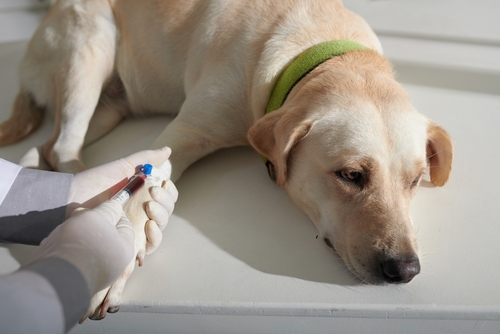
Image Source: www.joiipetcare.com
Get Answers: How Long Does Dog Blood Work Take
The dog blood test turnaround time can vary significantly, but typically, you can expect same day dog blood test results for basic screenings at your veterinarian’s office, while more complex panels sent to external labs might take anywhere from 24 to 72 hours or even longer. Many factors influence this vet blood sample wait time, from the specific tests ordered to the laboratory’s capabilities.
When your beloved canine companion isn’t feeling their best, or for routine wellness checks, your veterinarian will likely recommend blood work. This diagnostic tool is invaluable, offering a window into your dog’s internal health. But once the blood is drawn, a common question arises: how long does dog blood work take? This article delves into the details of canine blood work processing, providing a comprehensive overview of what to expect regarding how long for dog lab results and the factors that contribute to the typical blood work duration for dogs.
The Journey of a Blood Sample: From Vein to Results
Once your veterinarian collects the blood sample, it embarks on a journey that determines its final turnaround time. This journey can be short and sweet, or it can involve a more extensive process.
In-House Laboratory Processing
Many veterinary clinics are equipped with their own in-house laboratories. This allows for rapid canine blood work processing for a range of common tests.
-
Advantages of In-House Labs:
- Speed: This is the biggest advantage. For many essential tests, results can be available within the same day, sometimes even within an hour or two. This is particularly beneficial when a quick diagnosis or treatment adjustment is needed.
- Convenience: No shipping or waiting for samples to be transported.
- Direct Communication: The veterinarian has immediate access to the results and can discuss them with you directly.
-
Common Tests Performed In-House:
- Complete Blood Count (CBC): This measures red blood cells, white blood cells, and platelets. The dog blood count results time is often very quick, typically within an hour.
- Basic Chemistry Panel: This assesses organ function (kidneys, liver), electrolytes, and blood glucose. The dog chemistry panel turnaround is also usually swift.
- Urinalysis: While not strictly blood work, it’s often performed alongside it. The dog urinalysis blood combo time usually means both results are available concurrently.
External Laboratory Processing
For more specialized or comprehensive testing, or if a clinic doesn’t have an in-house lab, samples are sent to external reference laboratories. These labs handle a vast array of tests, from routine screenings to highly specialized diagnostics.
-
The Process with External Labs:
- Sample Collection and Preparation: After drawing blood, the veterinary technician carefully labels the tubes and may prepare them for transport (e.g., centrifuging to separate serum or plasma).
- Transport: Samples are typically sent via courier services. The frequency of pickups and the distance to the lab influence how quickly the sample arrives.
- Laboratory Analysis: Once at the external lab, samples are accessioned, processed, and analyzed using sophisticated equipment.
- Result Reporting: Results are then transmitted back to your veterinarian, usually electronically.
-
Factors Affecting Turnaround Time for External Labs:
- Test Complexity: Routine tests generally have faster turnaround times than specialized assays.
- Lab Workload: The volume of samples the lab is processing at any given time can impact efficiency.
- Shipping Schedules: The timing of sample pickups and delivery routes plays a role.
- Weekends and Holidays: Samples sent out late on a Friday or over a weekend will naturally take longer to process.
Decoding the Results: What’s Included in Dog Blood Work?
Veterinary blood work typically involves two main components: a Complete Blood Count (CBC) and a Serum Chemistry Panel. Sometimes, a dog urinalysis blood combo is also performed.
Complete Blood Count (CBC)
A CBC provides crucial information about the different types of blood cells circulating in your dog’s body.
- Red Blood Cells (RBCs): Indicate the oxygen-carrying capacity of the blood. Low RBCs can suggest anemia, while high RBCs might point to dehydration or other issues.
- White Blood Cells (WBCs): These are the body’s infection fighters. Elevated WBCs often signal inflammation or infection, while low WBCs can indicate a weakened immune system or certain bone marrow problems. The dog blood count results time is usually within hours for in-house testing.
- Platelets: Essential for blood clotting. Low platelet counts can lead to bleeding problems.
Typical Dog Blood Count Results Time (In-House): 1-2 hours.
Serum Chemistry Panel
A serum chemistry panel measures various chemical substances in the blood, providing insights into organ function and metabolic status.
- Kidney Function: Creatinine and BUN (Blood Urea Nitrogen) levels help assess how well the kidneys are filtering waste products.
- Liver Function: Enzymes like ALT, AST, and ALP, along with bilirubin, offer clues about liver health.
- Blood Glucose: Essential for monitoring diabetes.
- Electrolytes: Sodium, potassium, and chloride levels are crucial for hydration and cellular function.
- Proteins: Albumin and globulin levels can indicate nutritional status, liver health, and immune function.
Dog Chemistry Panel Turnaround (In-House): Typically 2-4 hours.
Urinalysis
Often performed in conjunction with blood work, a urinalysis examines the composition of urine.
- Concentration: Indicates hydration levels.
- Presence of Protein, Glucose, or Blood: Can signal kidney disease, diabetes, or urinary tract infections.
- Microscopic Examination: Identifies crystals, bacteria, or abnormal cells.
The dog urinalysis blood combo time usually means both sets of results are available around the same time frame as the chemistry panel if performed in-house.
Expedited Dog Blood Analysis: When Speed is Critical
In critical situations, veterinarians can request expedited dog blood analysis. This means the laboratory prioritizes your dog’s sample, ensuring faster processing.
-
Situations Requiring Expedited Analysis:
- Emergency Cases: Dogs presenting with acute illness, trauma, or severe symptoms.
- Pre-Surgical Screening: To ensure a dog is stable for anesthesia.
- Monitoring Critically Ill Patients: To track rapid changes in their condition.
-
Cost of Expedited Services: It’s important to note that expedited services often incur an additional fee from the laboratory. Your veterinarian will discuss this with you if it’s deemed necessary.
Factors Influencing the Vet Blood Sample Wait Time
Several variables can contribute to the overall vet blood sample wait time. Knowing these can help manage expectations.
Test Volume and Complexity
The sheer number of tests ordered and their complexity significantly impact how long results take.
- Basic Screening: A CBC and a few key chemistry values are usually processed very quickly.
- Comprehensive Panels: Panels that include dozens of analytes, endocrine tests, or infectious disease screening will naturally take longer.
- Specialized Tests: Tests like thyroid panels, hormone assays, or specific genetic tests can require weeks of canine blood work processing.
Laboratory Location and Shipping
The physical distance between your vet clinic and the external laboratory, as well as the lab’s shipping schedule, are crucial.
- Local Labs: If your vet uses a lab in the same city or region, the dog blood test turnaround time will likely be shorter.
- National Labs: Larger reference labs with national reach may have longer shipping times.
- Shipping Delays: Weather, courier issues, or holiday schedules can occasionally cause unexpected delays.
Clinic Workflow and Staffing
The efficiency of your veterinarian’s clinic also plays a role.
- Sample Preparation: How quickly the collected blood is spun, labeled, and packaged for transport.
- Staff Availability: The number of technicians available to process samples in-house or prepare them for shipping.
Time of Day and Week
The time the sample is drawn can influence the vet blood sample wait time.
- Morning Appointments: Samples drawn early in the day are more likely to be picked up by couriers the same day.
- Late Afternoon/Evening: Samples collected later might not be picked up until the next business day.
- Weekends and Holidays: Laboratories are often closed or operate with reduced staff on weekends and holidays, extending the how long for dog lab results.
Expecting Your Dog’s Lab Results: What to Do
Once the blood work is done, your veterinarian will communicate the results to you.
- Direct Communication: Your vet will call or email you with the findings. They will explain what the results mean in the context of your dog’s health.
- Interpreting Results: Your vet will compare your dog’s results to established reference ranges. It’s important to remember that slight variations outside these ranges don’t always indicate a problem, especially if your dog is otherwise healthy. Your vet will consider your dog’s age, breed, medical history, and clinical signs when interpreting the results.
- Follow-Up: Depending on the findings, your vet may recommend further diagnostic tests, treatment, or follow-up blood work to monitor your dog’s progress.
When Can You Get Same Day Dog Blood Test Results?
Getting same day dog blood test results is most common for basic screenings performed at veterinary clinics with in-house laboratories.
-
Common Tests Available Same Day:
- CBC
- Basic Chemistry Panels (e.g., for organ function, electrolytes)
- Heartworm Antigen Test (often a quick in-house test)
- Parvovirus Test (also a rapid in-house option)
-
Tests That Usually Require External Labs:
- Specialized hormonal assays (e.g., thyroid, adrenal)
- Genetic testing
- Advanced infectious disease panels
- Cytology or histopathology results
If you need results urgently, always ask your veterinarian about the possibility of expedited dog blood analysis or whether they have the capability for same day dog blood test results for the specific tests required.
Typical Blood Work Duration for Dogs: A Summary
To provide a clearer picture, here’s a general breakdown of the typical blood work duration for dogs:
| Test Type | In-House Turnaround Time | External Lab Turnaround Time |
|---|---|---|
| Complete Blood Count (CBC) | 1-2 hours | 24-48 hours |
| Basic Chemistry Panel | 2-4 hours | 24-48 hours |
| Comprehensive Chemistry Panel | 4-6 hours | 48-72 hours |
| Urinalysis (with blood work) | 2-4 hours | 24-48 hours |
| Heartworm Antigen Test | 15-30 minutes | N/A (typically in-house) |
| Tick-Borne Disease Panel | Varies (some in-house) | 48-96 hours |
| Thyroid Panel | Varies (some in-house) | 24-72 hours |
| Specialized/Genetic Tests | N/A (external lab) | 1-4 weeks |
Note: These are general estimates and can vary based on the specific laboratory and clinic protocols.
Frequently Asked Questions (FAQ)
Q1: Can I get my dog’s blood work results immediately after the blood draw?
A1: For some basic tests like a CBC or a quick infectious disease screen (like heartworm), if your vet has an in-house lab, you might get results within an hour or two. For more extensive panels or if samples are sent to an external lab, immediate results are unlikely.
Q2: How long does it take to get dog blood count results time?
A2: The dog blood count results time is typically very fast if processed in-house, often within 1 to 2 hours.
Q3: What is the usual dog chemistry panel turnaround?
A3: For an in-house lab, the dog chemistry panel turnaround is usually between 2 to 4 hours. If sent to an external lab, expect 24 to 48 hours.
Q4: How long does a dog urinalysis blood combo time take?
A4: When performed in-house, the dog urinalysis blood combo time is often similar to the chemistry panel, meaning you can expect results for both within 2 to 4 hours.
Q5: Can I request expedited dog blood analysis?
A5: Yes, your veterinarian can often request expedited dog blood analysis from an external laboratory for an additional fee if faster results are critical for diagnosis or treatment.
Q6: What factors influence how long for dog lab results?
A6: Factors include the type of tests ordered, whether they are processed in-house or sent to an external lab, the lab’s workload, shipping schedules, and whether the sample is submitted over a weekend or holiday.
Q7: What does it mean if some of my dog’s blood work results are slightly outside the normal range?
A7: Slight variations from normal ranges don’t always indicate a serious problem. Your veterinarian will interpret the results in the context of your dog’s overall health, age, breed, and any clinical signs they are exhibiting. They may recommend follow-up testing.
Q8: Is it possible to get same day dog blood test results for all tests?
A8: No, same day dog blood test results are typically only feasible for basic screenings performed at clinics with in-house labs. More complex or specialized tests require external laboratory processing and will take longer.
In conclusion, the duration for receiving your dog’s blood work results is a variable dependent on many factors. While in-house labs offer prompt results for common tests, external laboratories provide a broader diagnostic spectrum with longer, but still predictable, typical blood work duration for dogs. Always discuss your concerns about dog blood test turnaround time with your veterinarian, who can provide the most accurate information based on your dog’s specific situation and the laboratory services they utilize.