
How long does it take for a dog to digest food? A dog’s digestion typically takes between 6 to 8 hours for the stomach to empty, with the entire digestive process, from ingestion to elimination, lasting anywhere from 12 to 30 hours.
The journey of food through a dog’s body is a complex and fascinating one, vital for extracting nutrients and energy. Knowing how long this process takes can help pet parents identify potential issues and provide the best care for their furry companions. Let’s dive deep into the canine digestive process.
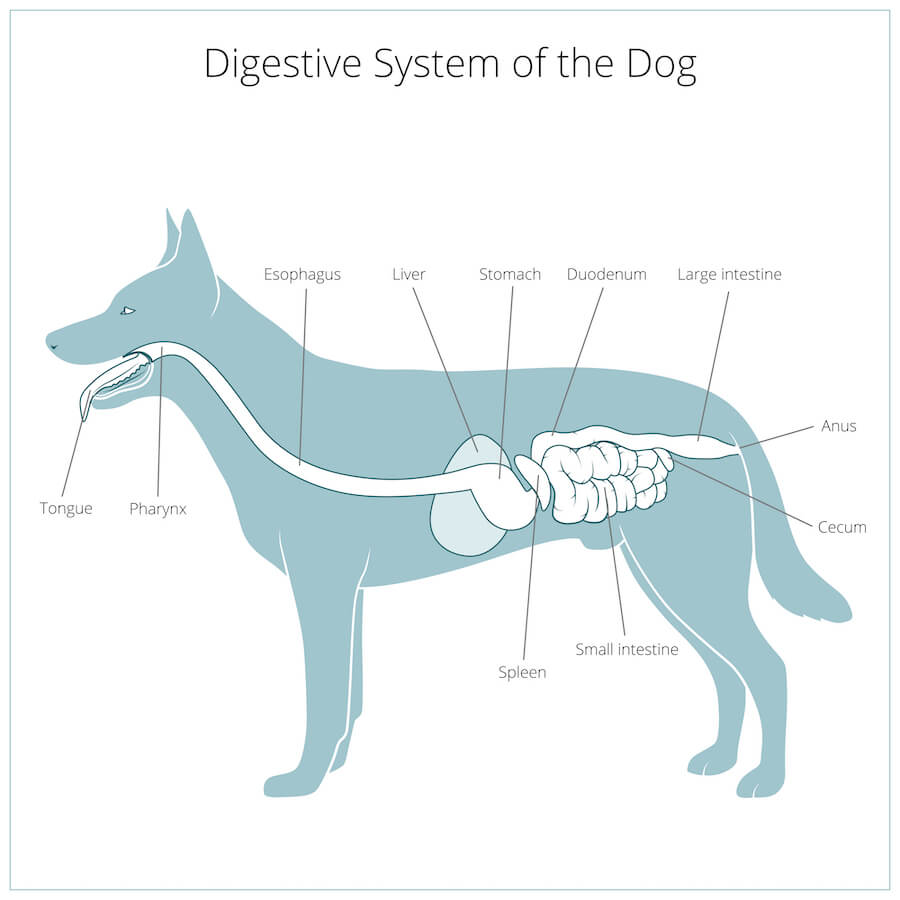
Image Source: blog.myollie.com
The Canine Digestive Process: A Detailed Look
The canine digestive process is remarkably efficient, designed to break down a variety of food sources. It begins the moment food enters the mouth and continues through the entire gastrointestinal tract.
1. The Mouth: The Starting Point
- Chewing: While dogs aren’t as thorough as humans, they do chew their food. This mechanical breakdown starts the digestion process, making food easier to swallow and digest.
- Saliva: Dog saliva contains enzymes like amylase, which begins to break down carbohydrates. However, its primary role is lubrication, making the food easier to swallow in a bolus.
2. The Esophagus: The Food Pipe
- This muscular tube transports the food bolus from the mouth to the stomach through a process called peristalsis – wave-like muscle contractions.
3. The Stomach: The Acidic Chamber
- Acid and Enzymes: The stomach lining secretes gastric juices, including hydrochloric acid and pepsin. Hydrochloric acid lowers the stomach’s pH, killing bacteria and activating pepsin. Pepsin is an enzyme that begins breaking down proteins.
- Churning: The muscular walls of the stomach churn the food, mixing it with gastric juices to form a semi-liquid mixture called chyme.
- Dog Stomach Emptying Time: This is a crucial phase. The stomach typically empties within 6 to 8 hours. However, this can vary based on the type and amount of food.
4. The Small Intestine: The Nutrient Absorption Hub
- Duodenum, Jejunum, and Ileum: The small intestine is where most nutrient absorption occurs.
- Enzymes from Pancreas and Liver: The pancreas releases digestive enzymes (like trypsin for protein, lipase for fats, and amylase for carbohydrates). The liver, via the gallbladder, releases bile to help break down fats.
- Absorption: The inner lining of the small intestine has villi and microvilli, increasing the surface area for efficient absorption of proteins, fats, carbohydrates, vitamins, and minerals into the bloodstream.
- Transit Time: Food typically spends 2 to 4 hours in the small intestine.
5. The Large Intestine: Water Absorption and Waste Formation
- Colon: The large intestine’s main job is to absorb water and electrolytes from the remaining indigestible food matter.
- Gut Microbiome: It houses a vast community of bacteria (microbiome) that aid in fermentation of some undigested material and produce certain vitamins, like Vitamin K.
- Feces Formation: Waste material is formed into feces.
- Transit Time: Passage through the large intestine can take anywhere from 4 to 18 hours.
6. The Rectum and Anus: Elimination
- Feces are stored in the rectum until they are eliminated from the body through the anus.
How Long Does It Take For A Dog To Digest Food? Total Transit Time
Putting it all together, the dog food digestion rate and the overall dog gastrointestinal transit time can range significantly. On average, it takes about 12 to 30 hours from the moment your dog eats until the waste is eliminated.
Factors Affecting Dog Digestion
Several elements can influence dog digestion time. Understanding these factors can help you manage your dog’s digestive health.
Age
- Puppy Digestion Time: Puppies have developing digestive systems. Their transit times might be a bit faster or slower than adult dogs as their systems mature. They generally digest food more quickly due to higher metabolic rates.
- Senior Dog Digestion: As dogs age, their metabolism slows down, and their digestive systems may become less efficient. This can lead to longer digestion times and a greater susceptibility to digestive upset. Senior dogs might also have reduced enzyme production.
Breed and Size
- Larger breeds sometimes have slightly slower digestive processes compared to smaller breeds, though this is not a universal rule. Individual metabolism plays a bigger role.
Activity Level
- An active dog with a good metabolism will generally digest food faster than a sedentary dog. Exercise stimulates the digestive tract.
Food Type and Quality
- Dog Food Types Digestion: This is a major factor.
- Kibble: Dry kibble, especially those with complex carbohydrates and fibers, can take longer to break down.
- Wet Food: Wet food, with higher moisture content, may pass through the system slightly faster.
- Raw Diet: For some dogs, a raw diet can lead to faster digestion and smaller, firmer stools because the ingredients are often more easily digestible. However, this also depends on the specific components of the raw diet.
- Fat Content: Foods high in fat can slow down stomach emptying, as fat takes longer to digest.
- Protein Content: Easily digestible proteins are absorbed more efficiently.
- Fiber Content: Fiber can affect the rate of passage. Soluble fiber can slow digestion, while insoluble fiber can speed it up.
Health Status
- Illnesses affecting the gastrointestinal tract (e.g., pancreatitis, inflammatory bowel disease, infections) can significantly alter digestion times.
- Metabolic disorders can also play a role.
Stress and Environment
- Stress can negatively impact a dog’s digestion, sometimes leading to diarrhea or constipation. A calm environment is conducive to proper digestion.
Water Intake
- Adequate hydration is crucial for all digestive processes. Dehydration can lead to constipation and slow down the transit of food.
What Influences Dog Stomach Emptying Time?
Dog stomach emptying time is influenced by:
- Meal Size: Larger meals take longer to empty.
- Meal Composition:
- Fat: Slows emptying.
- Protein: Moderate effect.
- Carbohydrates: Generally digest relatively quickly.
- Fiber: Can influence the rate.
- Liquid vs. Solid: Liquids empty much faster than solids.
- Dog’s Physical State: Illness or stress can affect gastric motility.
Can I Speed Up My Dog’s Digestion?
Generally, you don’t need to “speed up” your dog’s digestion if it’s functioning normally. A healthy digestive system will process food efficiently on its own. However, if you suspect issues, consult your veterinarian.
Instead of speeding it up, focus on optimizing it by:
- Feeding a High-Quality Diet: Choose foods with easily digestible ingredients appropriate for your dog’s age, breed, and activity level.
- Portion Control: Feed appropriate amounts to avoid overwhelming the digestive system.
- Regular Feeding Schedule: Consistent meal times can help regulate the digestive tract.
- Adequate Hydration: Always provide fresh, clean water.
- Moderate Exercise: Regular walks and playtime promote healthy gut motility.
- Probiotics and Prebiotics: These can support a healthy gut microbiome, which is vital for digestion. Discuss with your vet before adding supplements.
What About Specific Dog Food Types Digestion?
The formulation of dog food types digestion varies widely:
| Food Type | Key Components & Digestion Factors | Estimated Stomach Emptying Time (approx.) | Estimated Total Transit Time (approx.) |
|---|---|---|---|
| Kibble | Typically contains rendered meats, grains, vegetables, and added vitamins/minerals. Carbohydrate content can be higher. Processing can affect digestibility. Fiber content varies. | 6-8 hours | 12-30 hours |
| Wet Food | Higher moisture content (70-80%). Often contains higher protein and fat percentages. Less processed than kibble in some cases. | 5-7 hours | 10-28 hours |
| Raw Diet | Uncooked meat, bones, organs, and sometimes fruits/vegetables. Highly digestible protein and fats. Bones add calcium and phosphorus. Can vary greatly depending on ingredients and preparation. | 4-6 hours | 8-24 hours |
| Home-Cooked | Ingredients and preparation vary greatly. Can be tailored for digestibility. Cooking breaks down some nutrients, making them more accessible, but can also destroy some. | Varies widely | Varies widely |
| Limited Ingredient | Designed for dogs with sensitivities. Fewer ingredients mean less chance of digestive upset from specific components. Digestion rate depends on the specific ingredients used. | 6-8 hours | 12-30 hours |
| Grain-Free | Replaces grains with other carbohydrate sources like sweet potatoes, peas, or lentils. Digestibility depends on the specific alternative carbohydrate and overall formulation. | 6-8 hours | 12-30 hours |
Note: These are general estimates and can vary significantly based on individual dogs and specific product formulations.
When to Worry About Your Dog’s Digestion
While a healthy digestive process is normal, some signs indicate it’s not working as it should.
Signs of Digestive Distress:
- Vomiting: Food may be partially digested or undigested.
- Diarrhea: Loose or watery stools can indicate rapid transit or malabsorption.
- Constipation: Infrequent or difficult-to-pass stools suggest slow transit.
- Bloating: Excessive gas or abdominal distension.
- Lethargy: A general lack of energy.
- Loss of Appetite: Refusal to eat.
- Weight Loss: Despite eating, the dog is losing weight.
- Changes in Stool Consistency or Color: Beyond normal variations.
- Gastrointestinal Noises: Excessive gurgling or rumbling.
When to Consult a Veterinarian:
- If your dog experiences persistent vomiting or diarrhea.
- If you notice blood in your dog’s stool or vomit.
- If your dog shows signs of pain or discomfort.
- If your dog is refusing food or water for an extended period.
- If your dog has unexplained weight loss.
- If you observe significant changes in their stool habits that last more than a day or two.
Frequently Asked Questions (FAQ)
Q1: What is the average dog digestion time?
A1: On average, it takes about 6-8 hours for a dog’s stomach to empty, and the entire digestive process, from eating to elimination, can last between 12 to 30 hours.
Q2: Can certain dog foods digest faster than others?
A2: Yes, the type of food significantly impacts digestion. Wet food and some highly digestible raw diets may pass through faster than kibble, especially those high in fiber or certain carbohydrates.
Q3: Does my puppy digest food differently than an adult dog?
A3: Yes, puppy digestion time can differ as their digestive systems are still developing. They often have faster metabolisms and may digest food more quickly.
Q4: How does a senior dog’s digestion compare to a younger dog’s?
A4: Senior dogs typically have slower digestion due to reduced metabolism and potentially less efficient digestive systems.
Q5: What factors affect how long it takes for my dog to digest food?
A5: Factors include the dog’s age, breed, activity level, overall health, stress levels, and crucially, the type, quality, and amount of food consumed.
Q6: Is a long dog stomach emptying time always a problem?
A6: Not necessarily. While 6-8 hours is typical, variations occur. However, significantly prolonged stomach emptying can indicate underlying health issues like delayed gastric emptying, so it’s worth discussing with your vet if you notice drastic changes.
Q7: How can I ensure my dog’s digestive process is healthy?
A7: Feed a high-quality, balanced diet appropriate for your dog, provide adequate water, ensure regular exercise, maintain a consistent feeding schedule, and avoid feeding table scraps that can disrupt digestion. If you have concerns, consult your veterinarian.
Q8: What is dog gastrointestinal transit time?
A8: This refers to the total time it takes for food to pass through the entire digestive tract, from ingestion to elimination, which is typically 12-30 hours for dogs.